REVIEW · BOSTON HARBOR
Boston: City Cruises Whale Watching Cruise
Book on GetYourGuide →Operated by Boston Harbor City Cruises · Bookable on GetYourGuide
Whales, fast boats, and real science. This Boston Harbor City Cruises whale watching cruise pairs outdoor viewing decks with an indoor cabin full of large windows, so you can stay on top of whale spotting out past Boston. The big draw is the on-board Naturalists from the New England Aquarium, who help you sort what you’re seeing and why it matters.
I like the way this cruise is set up to maximize sightings: you get a high-speed ride that gets you to the whale area, and you’re given expert commentary as you look. I also appreciate the mix of comfort and purpose, with climate-controlled seating plus state-of-the-art sound and video that helps turn a random spout into real identification.
One consideration: if you’re sensitive to motion, this outing may be tough. The experience is not recommended for people with motion sickness, and the boat ride can get choppy when conditions aren’t calm.
In This Review
- Key Highlights You’ll Care About
- Setting Sail From Long Wharf, the Boston Way
- The Boat Setup: Outdoor Decks and Climate-Controlled Viewing
- Cruising Past Castle Island and the Boston Harbor Islands
- The Whale-Watching Window at Stellwagen Bank
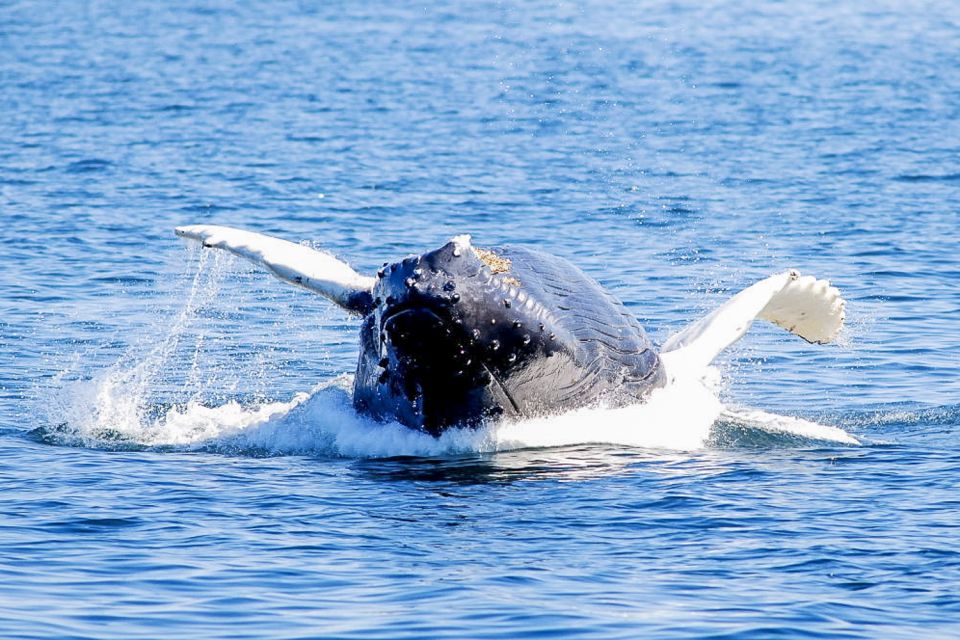
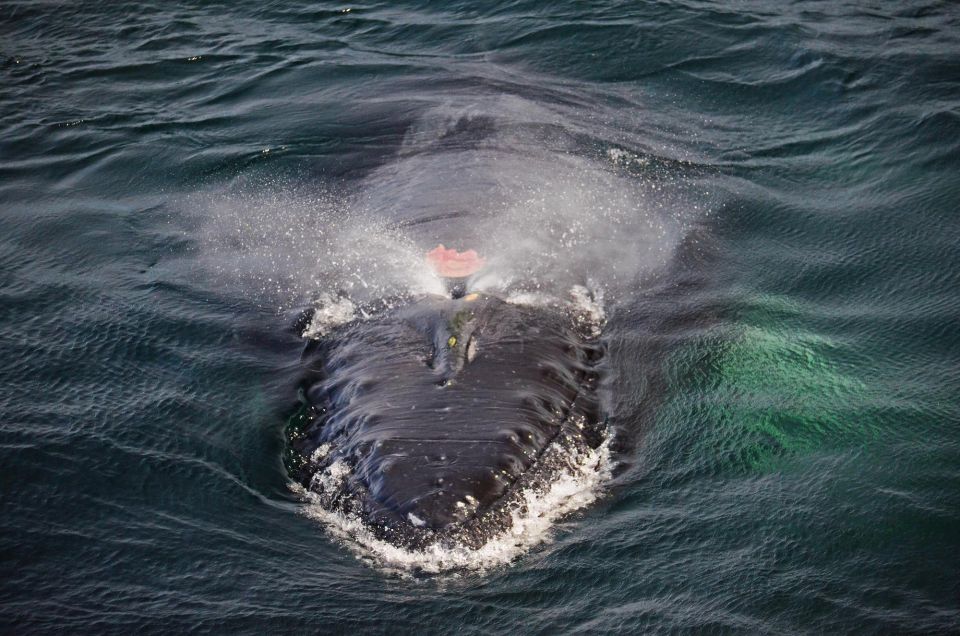
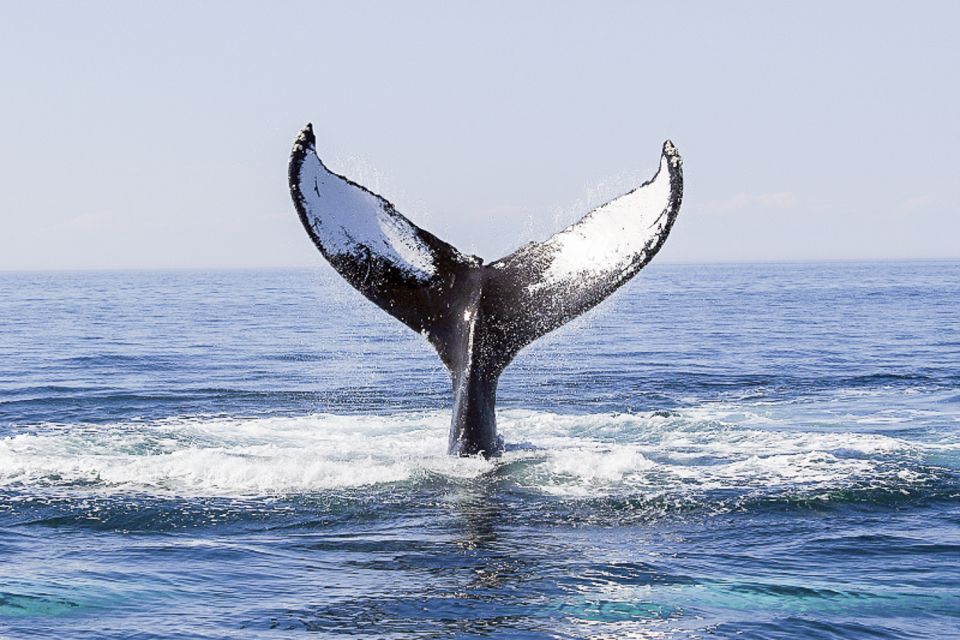
- What You Might See: Humpbacks, Fins, Minkes, and Dolphins
- Naturalists On Board: Why the Guide Makes the Difference
- Food, Comfort, and the Reality of Time on the Water
- Price and Value: Does $80 Make Sense?
- Who This Cruise Is Best For
- Should You Book Boston Harbor City Cruises Whale Watching?
- FAQ
- How long is the whale watching cruise?
- Where does the cruise depart and return?
- How much time is spent whale watching offshore?
- What species are you likely to see?
- Is there a guide on board?
- Is food included?
- What should I bring for the cruise?
- Is the cruise suitable for motion sickness?
- What’s the cancellation policy?
Key Highlights You’ll Care About

- New England Aquarium Naturalists guide the spotting and explain whale behavior in plain language
- Outdoor decks + indoor windows mean you can chase sightings without freezing (or roasting)
- Stellwagen Bank time gives you a focused 1.5-hour whale-watching window
- High-speed, comfortable boat reduces the time spent “just traveling” and increases time on the water
- Food and drinks for purchase keep it simple without turning it into a long meal break
Setting Sail From Long Wharf, the Boston Way
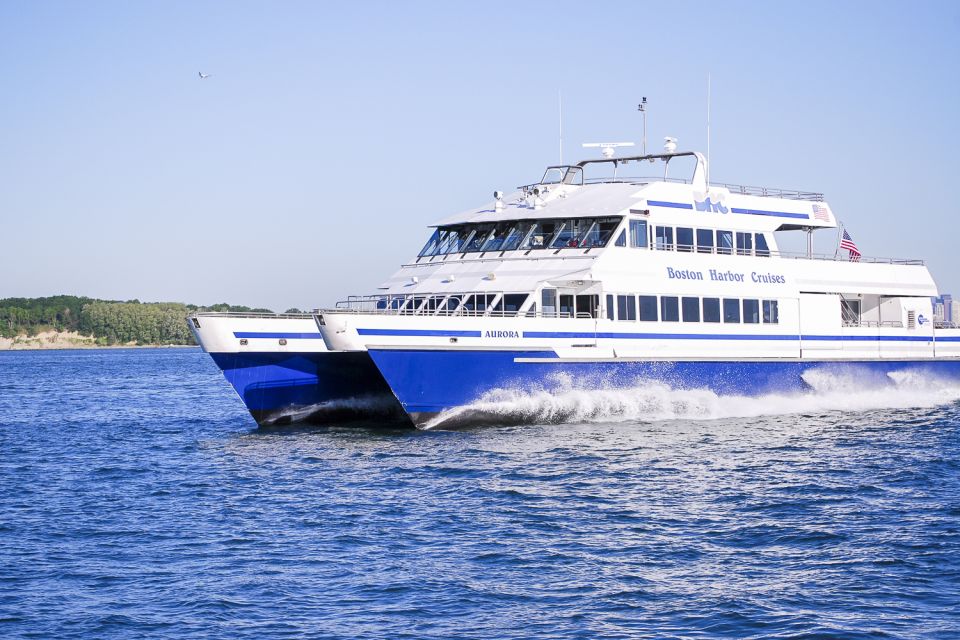
Boston whale watching can feel either like a long wait or like a real outing. This one leans toward the latter. You start at Boston Harbor City Cruises at One Long Wharf, between the Long Wharf Marriott Hotel and the New England Aquarium, a handy location if you’re already doing aquarium plans or waterfront walks.
What makes the start feel efficient is the boat type and the layout. You’re on a high-speed craft designed to cover ground quickly, so you’re not stuck watching the harbor shrink into the distance. At the same time, you’re not forced to be outside the whole time. You can move between the outdoor viewing decks and the indoor cabin with large windows, which is a big deal when weather changes fast in coastal New England.
The vibe is also practical. There’s a structured experience onboard: sound and video support, plus Naturalists who keep pointing out what to watch for. It’s not just “look out there”; it’s more like a live lesson where the lesson happens while the whales are nearby.
You can also read our reviews of more boat tours in Boston Harbor


The Boat Setup: Outdoor Decks and Climate-Controlled Viewing
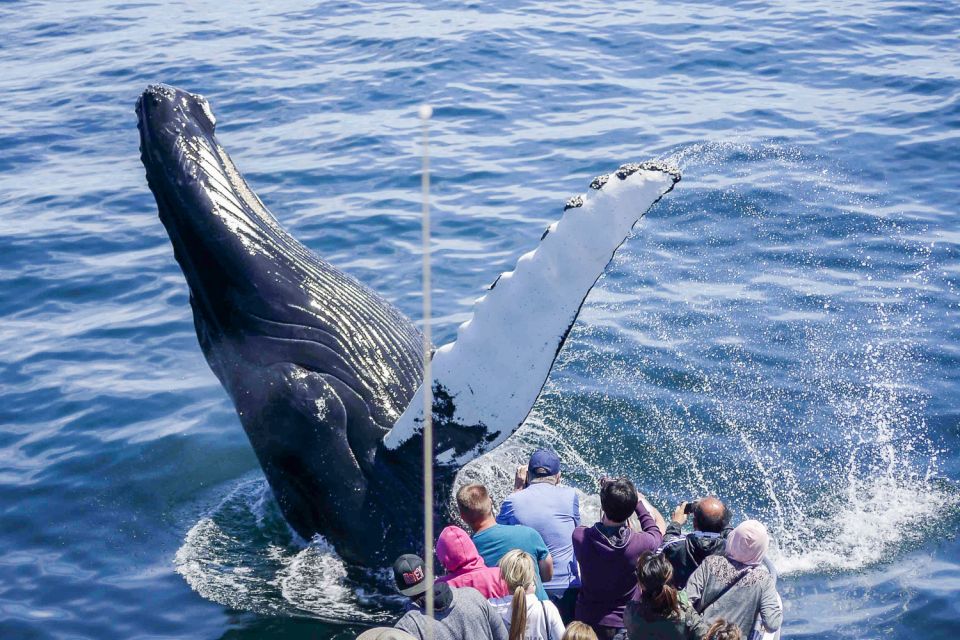
This cruise is built around one goal: maximum viewing, not just “getting out on the water.” You’ll have cushioned seating and tables in the climate-controlled cabin, which helps if it’s cold, windy, or simply not beach weather. Large windows mean you can keep watching even when you decide to duck inside for warmth.
Outside, the viewing decks are where you’ll want to be when you’re actively scanning for surfacing and fluke-up moments. High-speed boats can feel exhilarating, but they can also feel a bit bouncy. If you’re prone to feeling off, you’ll likely prefer shorter trips outside and longer stretches in the cabin.
A few practical details that matter on the water:
- Bring layers. A jacket and weather-appropriate clothing are strongly suggested for a reason.
- Pack sunglasses and a sun hat anyway, even if you think it will be cold. The glare off the water can be intense.
- If you own them, binoculars can help a lot when you’re trying to tell spouts and distances apart.
One of the most praised parts of this experience is the guided spotting, so the viewing setup becomes more useful. You’re not stuck guessing; you’re learning what humpbacks, fins, and minkes tend to do and what features to look for.
Cruising Past Castle Island and the Boston Harbor Islands
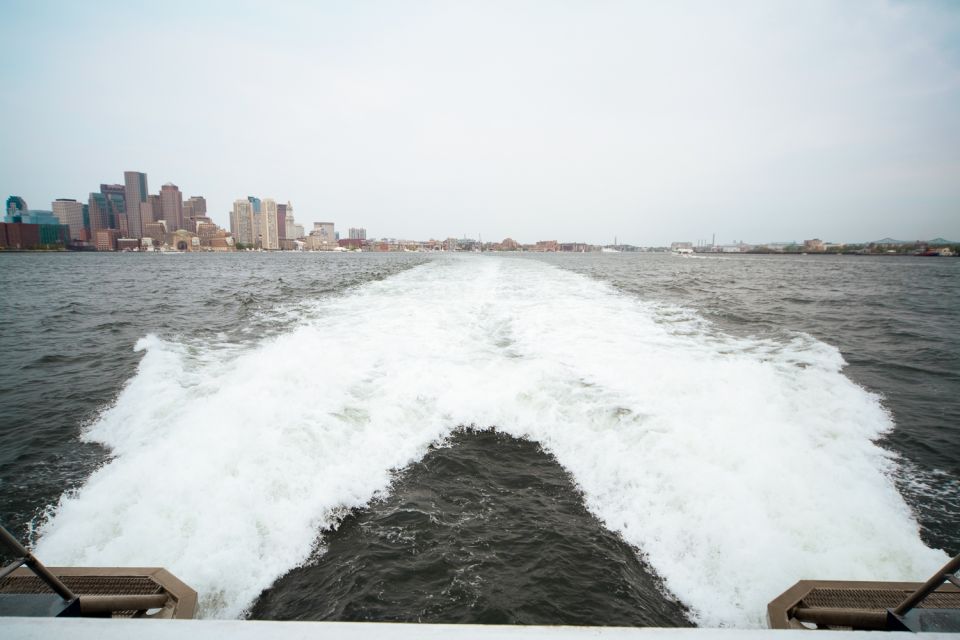
Before you even get to the whale hotspot, the trip gives you a Boston harbor storytelling layer. You pass by Castle Island, then head through the wider Boston Harbor area and the Boston Harbor Islands National and State Park zone.
This isn’t a “tour bus with facts at each mile marker” kind of stop. Instead, it’s a moving corridor where the Naturalists can start setting the frame: what whale species are likely in these waters, how sightings often appear, and what to do when you spot something (so you don’t miss the next moment).
Why I like this portion: it makes the experience feel like more than just waiting for animals. You get real scenery while the boat transitions into the zone where the marine sanctuary comes into play. And because the cruise is only about 3.5 hours, every segment that keeps you engaged helps.
The Whale-Watching Window at Stellwagen Bank
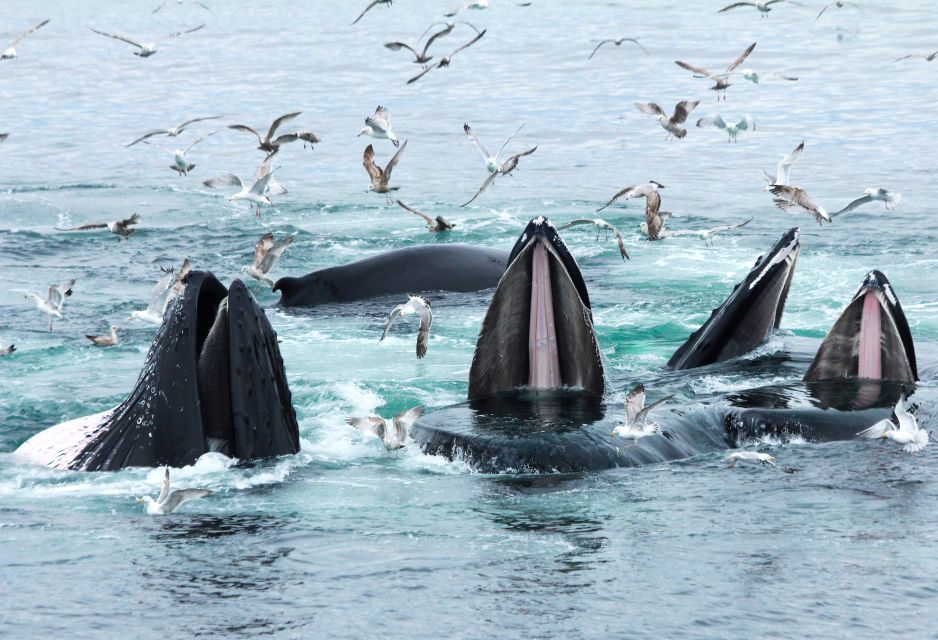
This is the core of the cruise: time at the Gerry E. Studds / Stellwagen Bank National Marine Sanctuary, where you get about 1.5 hours dedicated to whale watching. For most wildlife tours, the bottleneck is time on target. Here, the schedule builds in a real window instead of squeezing whale watching into a thin slice.
Stellwagen Bank is the kind of place where you can sometimes get repeated sightings rather than a single brief glimpse. The key is searching smartly and staying patient. The Naturalists help you do that. When they point out spouts and surface behavior, you start to realize that whales aren’t random dots—they follow patterns tied to feeding and movement.
If you’re hoping to maximize your chances, use this strategy:
- When the boat stops for watching, go where you can see the widest horizon.
- If you’re on one side and nothing appears, don’t panic. Captains typically maneuver to give both sides a chance to view.
- Keep your attention moving: you’re scanning for surfacing, not just final “showy” breaches.
People who rate this highly tend to emphasize that the experts stay on top of identification and teach what you’re seeing in real time. I like that, because it turns whale watching from luck into understanding.
What You Might See: Humpbacks, Fins, Minkes, and Dolphins
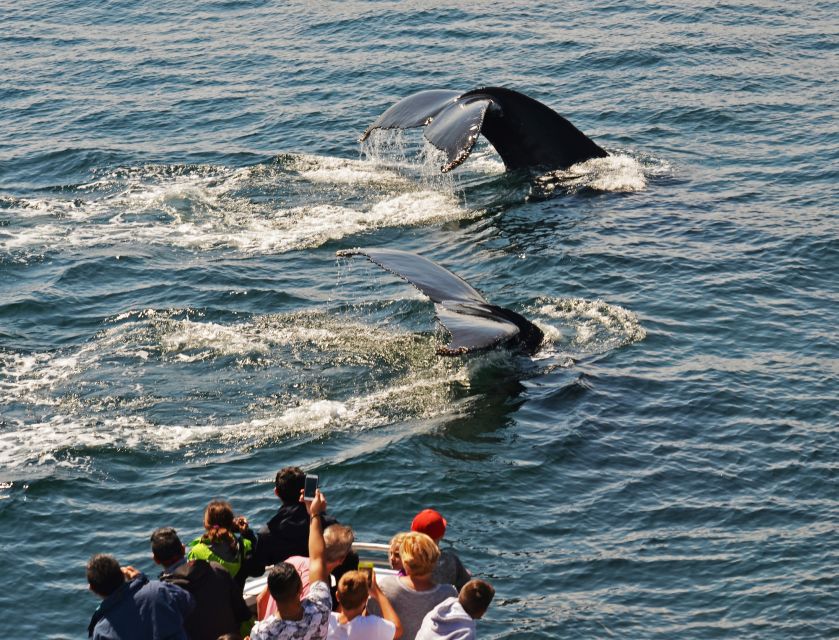
The cruise is designed for specific species that are commonly possible in this region:
- Humpback whales: known for their arched backs when they’re preparing for a deep dive
- Fin whales: huge animals, second only to blue whales in overall size
- Minke whales: smaller and sleek, often described as dolphin-like
- White-sided dolphins: North Atlantic dolphins that live in waters south of New England and north to Norway
You should also expect other wildlife in the mix. Some departures come with extra surprises like seals, and even larger sea creatures that can show up alongside the whales. The practical takeaway: stay alert, because the ocean rarely sticks to a single species plan.
It also helps to know that these animals show themselves differently. A humpback may give you more obvious surface moments, while a minke can be quicker or more subtle. Fin whales can be dramatic when you catch them moving near the surface. Dolphins often act more “busy,” while whales can feel more steady and deliberate.
The Naturalists help connect these behavior patterns to what you’re seeing, and that’s where the value really clicks. You’re not just collecting a photo. You’re learning the basics of whale life in these waters, right as it happens.


Naturalists On Board: Why the Guide Makes the Difference
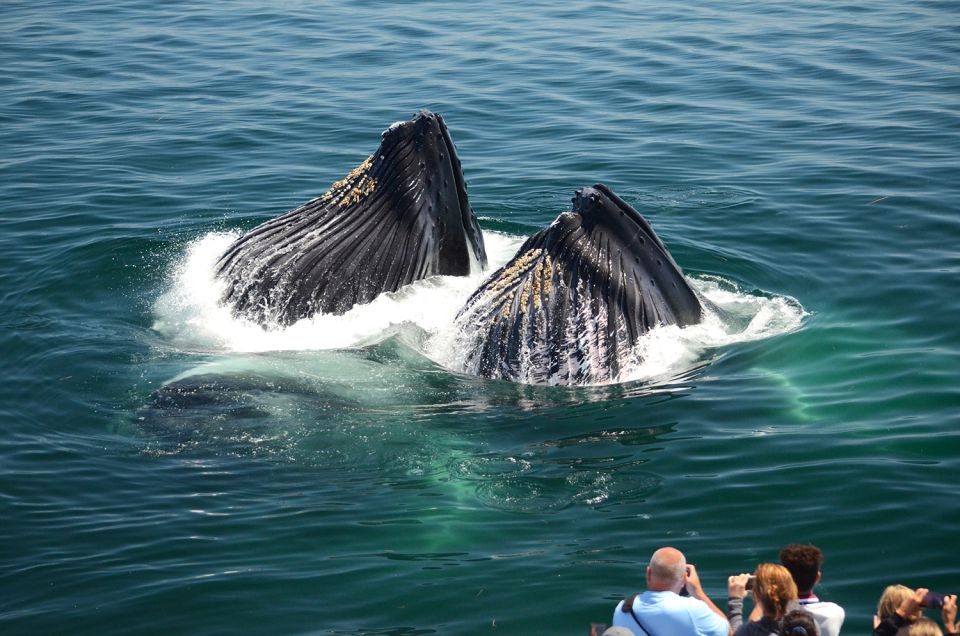
This is one of the standout reasons to book this specific cruise. The Naturalists from the New England Aquarium provide expert commentary aimed at helping you identify what’s out there, and they keep the group focused when spotting is slow.
In particular, several guide names have popped up in high praise, including Colin and Eman. Whether you get them or another team member, the pattern is consistent: clear whale ID, solid explanations, and real enthusiasm for what’s happening in the water.
I’d sum it up like this: when Naturalists do their job well, your odds improve. Not because they can force whales closer, but because they teach you how to see what’s already there. That means faster recognition of a spout, better timing on when to look, and less frustration when the first sighting is brief.
Food, Comfort, and the Reality of Time on the Water
You’ll have an onboard galley with snacks and beverages for purchase. This is useful because it keeps you from needing to stop for food before or after, especially if you’re fitting this cruise into a tight Boston day.
The comfort setup matters most when conditions aren’t perfect:
- There’s a climate-controlled cabin, with cushioned seating and tables.
- You can watch through large windows if you decide the deck is too cold.
- If it’s windy, the outdoor sections can feel colder, even on a nice day.
A real-world note from the experience feedback: sometimes the closed area can feel cool, so don’t rely on the word climate-controlled. Bring a jacket anyway, and consider a warm layer you can add quickly. Also, if you’re sensitive to seasickness, plan for it—this cruise is not recommended for people with motion sickness.
If you want an extra safety net, bring whatever sea-sickness plan works for you on boats. Some people also mentioned taking anti-sickness measures ahead of time. That’s smart for anyone who knows their body gets challenged by choppy water.
Price and Value: Does $80 Make Sense?
At around $80 per person, this whale watching cruise isn’t a bargain, and you should judge it like one: the price is paying for access, specialized guidance, and time in a real whale-watching zone, not just a short harbor ride.
Here’s what supports the value:
- You’re on a high-speed boat that reduces dead time.
- You get a real whale-watching window of about 1.5 hours.
- You get Naturalists from the New England Aquarium, which is the main differentiator versus basic narrated cruises.
- The indoor cabin with windows lets you stay comfortable while still participating.
What might make it feel pricey is simple: you can’t buy a guarantee that whales will show up right next to your boat. Wildlife is wildlife. That’s why the Naturalists and the longer on-target window matter so much—they help you make the most of whatever appears.
If you have limited time in Boston and want a whale experience that feels structured, guided, and built for spotting, the price can feel fair. If you’re extremely price sensitive or you’re expecting guaranteed whale breaches, you might want to compare other local options.
Who This Cruise Is Best For
This whale watching cruise works especially well if you:
- Want expert whale commentary from the New England Aquarium team
- Prefer a mix of indoor comfort and outdoor spotting
- Like nature outings that teach as you watch, not just point and pass time
It’s less ideal if you:
- Have motion sickness issues (the cruise is not suitable for that)
- Want a relaxed, low-scan outing. You’ll be actively looking for spouts and surfacing moments during the whale-watching window.
If you’re traveling with kids, this can also be a strong choice because the educational angle is front and center and the whale behavior explanations make it easier to keep attention.
Should You Book Boston Harbor City Cruises Whale Watching?
Book it if you want a guided Boston whale watch that treats your time on the water like it matters. The combo of New England Aquarium Naturalists, a dedicated whale-watching window at Stellwagen Bank, and a boat setup designed for constant viewing makes this feel like more than just a “nice cruise.”
Skip it (or plan carefully) if motion sickness is an issue for you. And do yourself a favor: dress warm and bring binoculars if you can. On a good day, whales can be thrilling. On a tougher day, the guided spotting and the indoor viewing keep the experience from turning into a cold stare at open water.
FAQ
How long is the whale watching cruise?
The cruise is listed as about 3.5 hours on average. The duration can extend if the location of the whales requires additional travel time.
Where does the cruise depart and return?
It departs from Boston Harbor City Cruises at One Long Wharf, located between the Long Wharf Marriott Hotel and the New England Aquarium. It ends back at the same Long Wharf meeting point.
How much time is spent whale watching offshore?
You’ll have about 1.5 hours at the Gerry E. Studds / Stellwagen Bank National Marine Sanctuary for whale watching.
What species are you likely to see?
The cruise highlights possible sightings of humpback whales, fin whales, minke whales, and white-sided dolphins, along with other wildlife species.
Is there a guide on board?
Yes. You’ll have live English commentary from Naturalists connected with the New England Aquarium.
Is food included?
Snacks and beverages are available to purchase on board. Food is not listed as included in the ticket price.
What should I bring for the cruise?
Bring comfortable shoes, sunglasses, a sun hat, a camera, sunscreen, a jacket, and weather-appropriate clothing. Binoculars are also recommended.
Is the cruise suitable for motion sickness?
It is not suitable for people with motion sickness.
What’s the cancellation policy?
Free cancellation is offered up to 24 hours in advance for a full refund. You can also reserve now and pay later.