REVIEW · FOOD
North End to Freedom Trail: Boston’s Food & History
Book on GetYourGuide →Operated by Intrepid Urban Adventures · Bookable on GetYourGuide
Two appetites, one great Boston walk. This North End to Freedom Trail tour strings together Italian comfort food and America’s Revolution history in a way that feels like wandering with a smart friend, not sitting in a classroom. You start at the Rose Kennedy Greenway area, work through the oldest streets on the North Side, then shift to downtown’s Revolutionary landmarks before ending at the Boston Public Garden.
I especially like the blend of food stops that match the story as you go. Fresh bread, meats, cheeses, pastries, and pizza aren’t random snacks; they help you understand why Boston’s neighborhoods developed the way they did. Second, I like the small-group size, capped at 12, which makes it easier to hear your guide on a long day and ask questions without getting lost in the crowd.
The main drawback is simple: you walk about 5 miles in roughly 5 hours, and the pace is steady (just not rushed). Also, the Massachusetts State House is open weekdays only, so on weekends you’ll visit alternate sites instead.
In This Review
- Key points at a glance
- Starting at the Greenway Carousel: the day’s tone is set early
- Faneuil Hall and the Revolution lead-in you’ll actually remember
- North End food time: bread, meats, cheese, pastries, and pizza
- Downtown Crossing breaks: when the route gets real
- Custom House Tower and the bronzed Donkey photo moment
- Old State House, Old South Meeting House, and Old City Hall: the timeline snaps into place
- Churches on the Freedom Trail: Old North Church entry included
- Boston Common to the State House to the Public Garden finish
- Small-group reality: 12 people makes the whole thing better
- Price and value: is $99 worth it for food + history?
- Who should book this walk (and who should skip it)
- Should you book this tour?
- FAQ
- How long is the tour, and how far do you walk?
- How much does it cost?
- Where do you meet, and where does it end?
- What food and drinks are included?
- Is there an entry fee included for Old North Church?
- Is the tour small-group or crowded?
- Can vegetarians or other dietary restrictions be accommodated?
- What happens if I visit on a weekend regarding the State House?
- What is the weather situation?
Key points at a glance
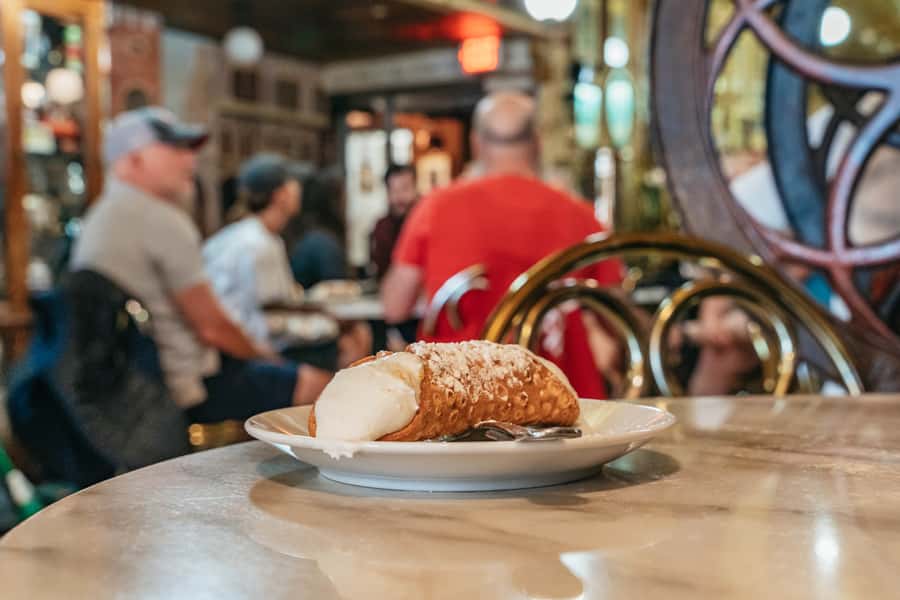
- North End food tasting with local, independently owned stops during the morning hours
- Three food stops plus one hot drink and pastry stop, with a surprise treat included
- Freedom Trail landmarks in downtown, including the Custom House Tower area and Old City Hall
- Small-group format (max 12) for better conversation and a more personal feel
- A relaxed finish at Boston Public Garden, a nice cooldown after all the stops
- Old North Church entry fee included (or an equivalent alternative)
Starting at the Greenway Carousel: the day’s tone is set early
You begin at the Greenway Carousel, next to the carousel entrance. It’s a practical start: you’re in a scenic, easy-to-find spot, and it also sets the mood for what the day is really about. This tour uses a walk-first format, so the route matters as much as the destinations.
From there, you’ll head toward downtown’s big civic and Revolutionary spaces. You should expect a mix of guided talking and walking time. The good news is the tour is designed for real movement, with frequent stops so you’re not standing around waiting forever.
Also note the weather reality: the tour happens rain or shine or snow unless conditions are dangerous. Boston can do that dramatic thing where the sky looks fine one minute and turns cold the next, so plan for layers and comfortable shoes.
You can also read our reviews of more food & drink experiences in Boston

Faneuil Hall and the Revolution lead-in you’ll actually remember
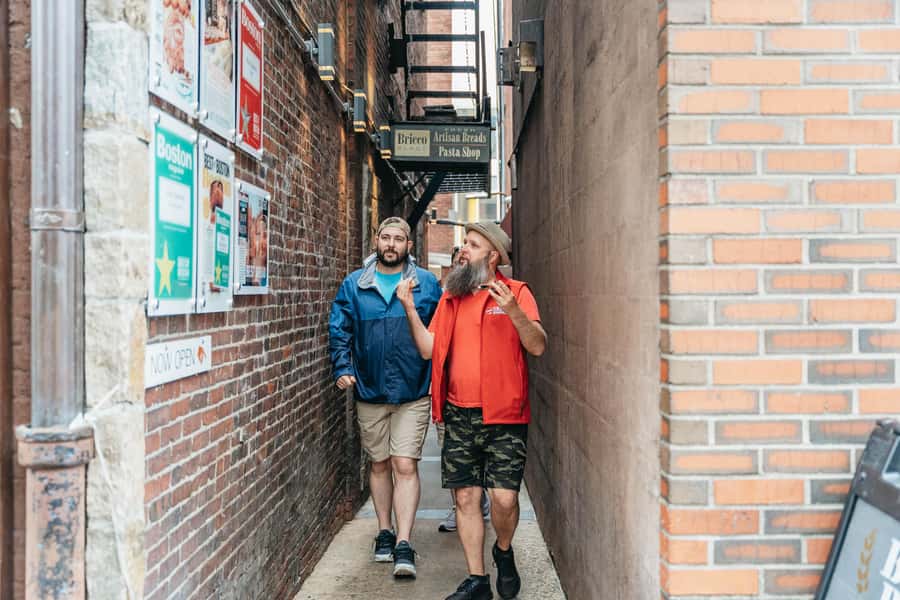
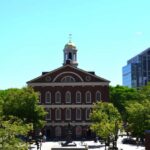
The first major historical stop is Faneuil Hall. This is one of those Boston places that shows up in postcards, but the difference here is how it’s framed. Your guide connects what you see to what was happening politically, and you’ll get context for why this area mattered in the early push toward independence.
Then you shift through the Rose Kennedy Greenway area and keep moving. The guide’s job is to make the walking feel meaningful: each turn helps explain how people traveled, how the city grew, and why downtown became the stage for loud public ideas.
One reason this part works well for first-timers is that it gives you a mental map. After Faneuil Hall and the Greenway stretch, you’re less likely to feel like you’re just ticking off famous buildings.
North End food time: bread, meats, cheese, pastries, and pizza
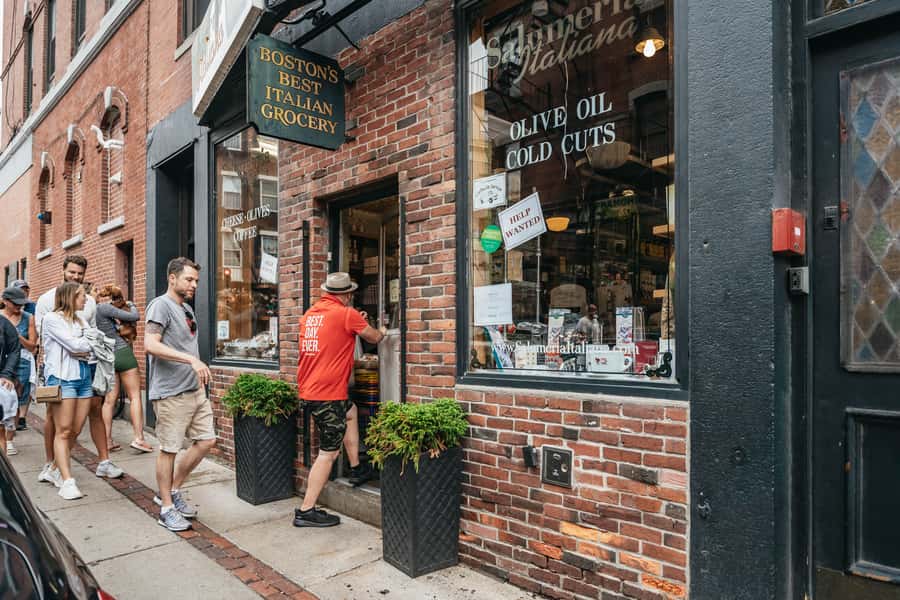
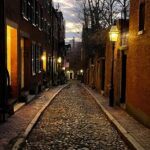
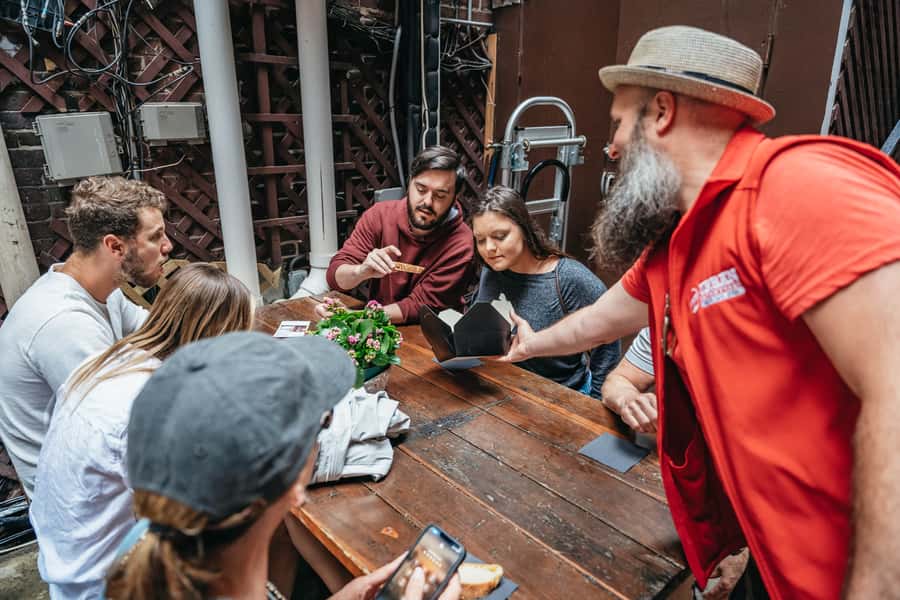
After the downtown intro, you step into the North End, Boston’s classic Italian neighborhood. This is where the tour earns its hype. The tastings are built into the walking rhythm, so you’re not forced to choose between food and history at every moment.
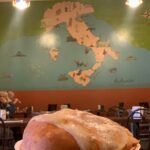
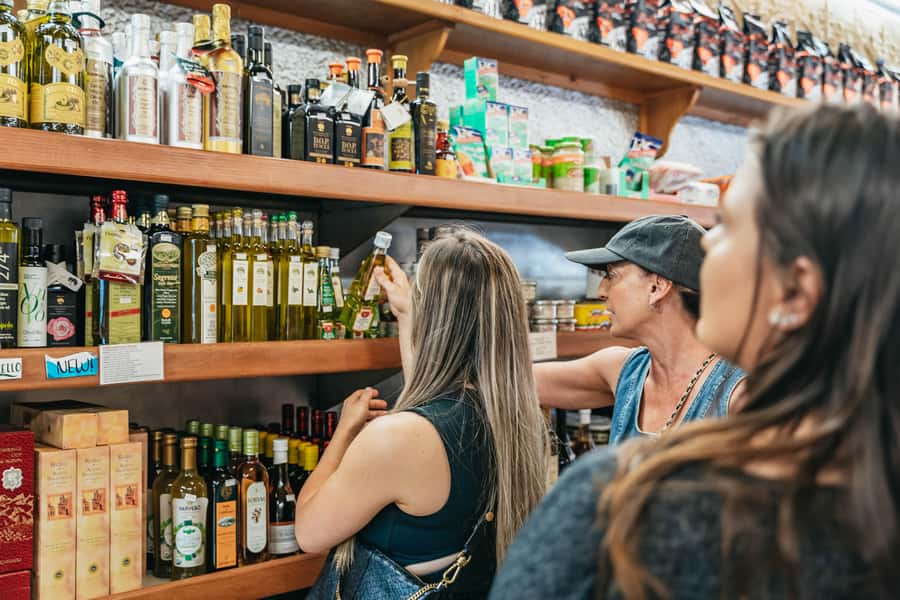
You’ll sample a mix of fresh bread, meats, cheese, sweet pastries, and pizza at local spots along the way. The morning format matters too: during the North End portion, the food stops are run and owned by locals. That’s a key quality point because it usually means smaller menus, more character, and food that tastes like it belongs to the neighborhood’s daily life.
Hot tip I’d follow: don’t show up stuffed. Multiple guides and diners emphasize that there’s enough food that skipping breakfast (or at least keeping it light) makes the day more enjoyable. If you’re someone who likes to pace snacks over time, you’ll do great here.
For dietary needs, the tour can accommodate vegetarians and other restrictions if you notify in advance. You won’t have to eat only bread and disappointment if you communicate your needs early.
Downtown Crossing breaks: when the route gets real
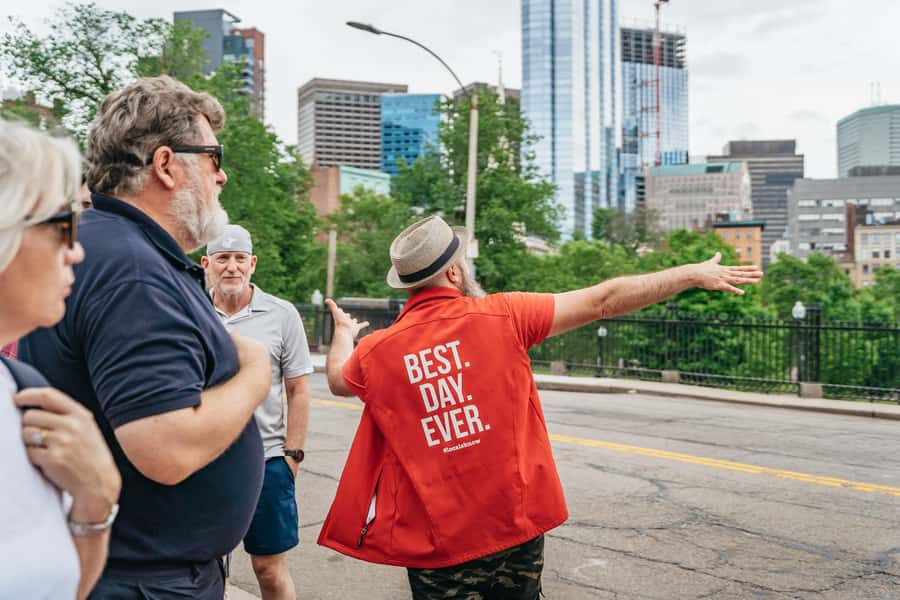
As you move toward Downtown Crossing, the tour adds a short break. This is smart design for a 5-hour walk: you get history, then a breather, then more history. It helps you reset so the rest of the day doesn’t feel like a nonstop sprint.
Downtown Crossing is also a useful change of scenery. You’ll go from narrow North End streets to larger city blocks and transit-oriented areas. That contrast helps you understand Boston’s layout and how neighborhoods connect.
You’ll also get guided context while walking through this zone, so you’re learning even when you’re just passing storefronts and intersections.
Custom House Tower and the bronzed Donkey photo moment
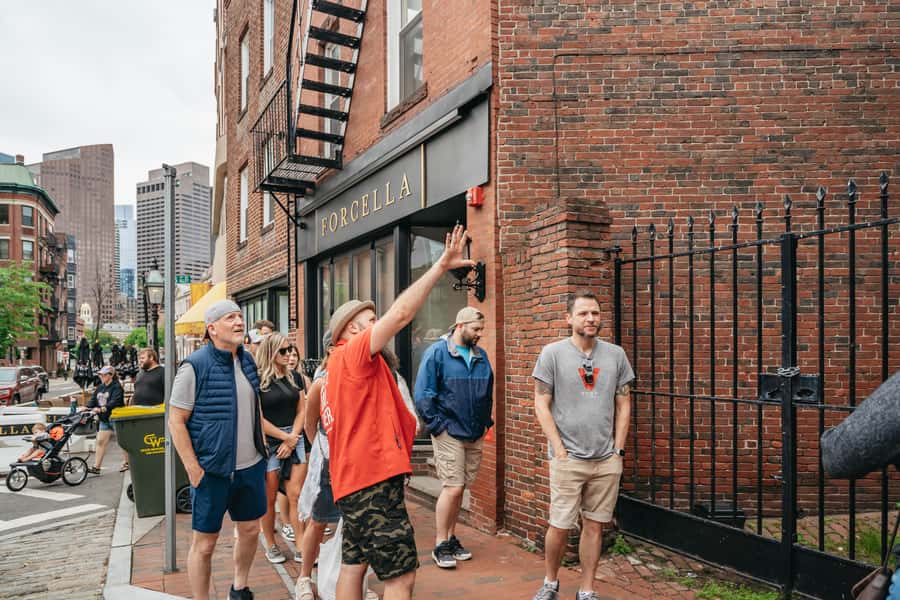
The Custom House Tower stop is a highlight, partly because it’s visually memorable and partly because your guide uses the spot to talk about Boston’s role in the Revolution-era story. You’ll walk and get commentary around this civic heart of the city, including a photo opportunity with the bronzed Donkey.
This is one of those details that feels small while you’re doing it, but later you’ll be glad you took the picture. It’s the kind of landmark that makes the day feel anchored, not abstract.
One practical consideration: expect a bit of walking between viewpoints. This isn’t a sit-down tour, so keep your water handy and don’t wait until you’re thirsty to start sipping.
You can also read our reviews of more tours and experiences in Boston



Old State House, Old South Meeting House, and Old City Hall: the timeline snaps into place
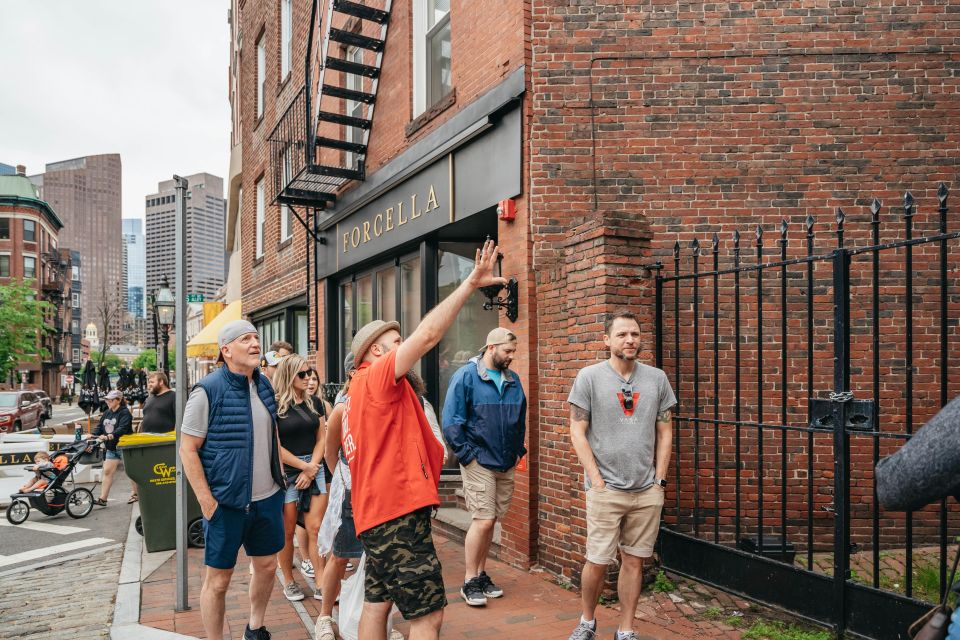
After the Custom House Tower area, the tour heads deeper into the Revolutionary timeline. You’ll visit the Old State House, the Old South Meeting House, and Old City Hall.
This is the part I’d recommend most strongly if you like history with cause-and-effect. These buildings are not just famous; they’re tied to how public life worked. Your guide’s storytelling helps connect events to real places, which is what makes these stops stick after you leave.
Old City Hall is especially interesting because it points to early public education in America. That’s a different angle than the usual war-and-battles-only route, and it gives the tour a fuller sense of what “revolution” meant day to day.
You also stop at King’s Chapel Burying Ground, adding another layer of Boston’s early civic and religious life. The guide uses these quieter stops to slow things down briefly, so the day doesn’t feel like a blur of loud landmarks.
Churches on the Freedom Trail: Old North Church entry included
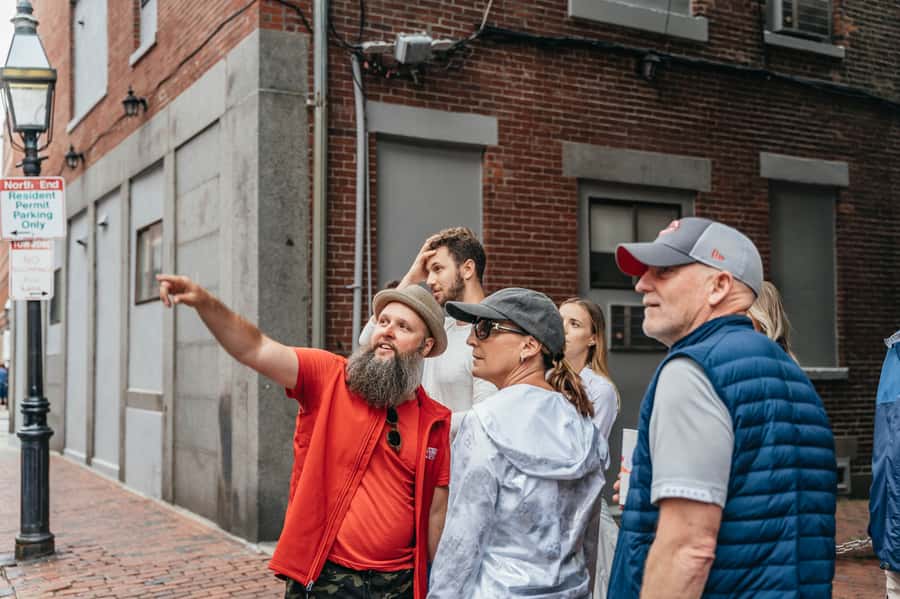
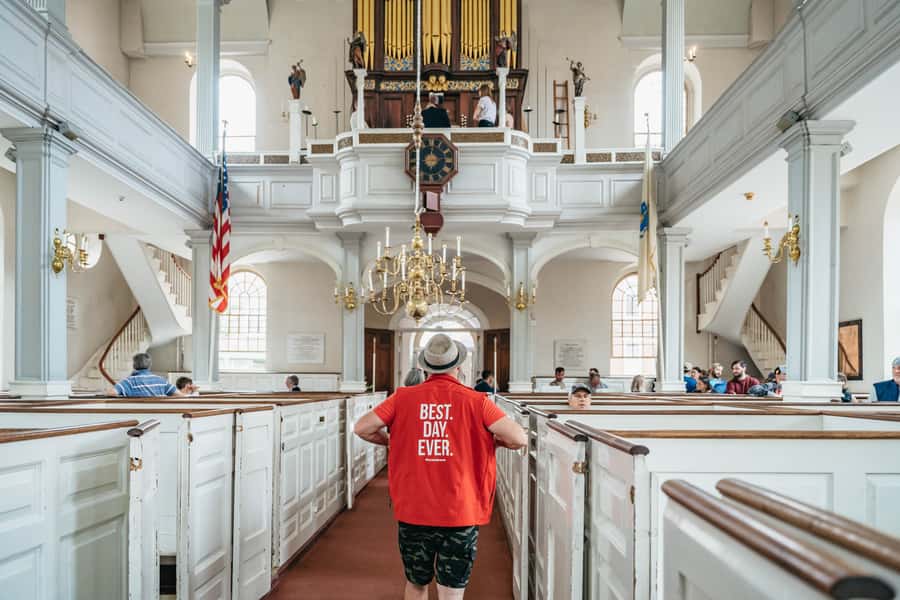
The Freedom Trail section includes entry fee coverage for the historic Old North Church (or an equivalent alternative). Churches along this route are more than architecture stops. They’re tied to messages, gatherings, and the way neighborhoods organized trust and communication.
You’ll also visit another world-famous church as part of the day’s arc. The tour notes that both Old North Church and King’s Chapel are nonprofit organizations, which is useful context if you care about how these places are maintained.
If you love photos, this is one of your best stretches. Even when the weather isn’t cooperating, church interiors and surrounding streets usually photograph well enough to make the effort worthwhile.
Boston Common to the State House to the Public Garden finish
You’ll move on to Boston Common and then continue toward the Massachusetts State House. The State House is open on weekdays only. If you’re touring on a weekend, the group visits alternate sites instead. That’s a good thing to plan for because it can affect what’s inside versus what’s outside.
The payoff is the finish at Boston Public Garden. This ending matters. After hours of landmarks and talking, you get a calmer space to stretch your legs, take a breather, and look back at what you just learned while the city’s energy softens around you.
It’s an ideal way to close the loop. You started with a green space vibe, hit the neighborhood and downtown power points, and then ended in a place that feels like Boston exhaling.
Small-group reality: 12 people makes the whole thing better
Max 12 participants is a big deal on this specific route. You’re walking for about 5 miles, and without a small group, guides can get drowned out when you stop for explanations. With fewer people, it stays interactive.
You’ll also find that the guide’s personality matters more in a small group. Many guides for this experience get praised for being funny and for pacing the history in a way that keeps it from turning into a lecture. If you learn best by hearing stories instead of memorizing dates, this setup will suit you.
Names you may hear mentioned include Bob, Molly, Adam, Alex, Sully, Nabil, Maz, Lucy, Allison, and Tyler. Different personalities, same goal: connect food, streets, and early America into a single walk you can feel.
Price and value: is $99 worth it for food + history?
At $99 per person, you’re paying for three main things: a guided walk, multiple food tastings, and paid access to a historic church stop.
On the food side, the tour includes 3 food stops with samples like bread, meats, cheese, and pizza, plus 1 hot Italian beverage and pastry stop, and a surprise local treat. You’re also getting entry fee coverage for Old North Church (or an equivalent alternative). When you add up that blend—guided history, multiple tastings, and one paid cultural entry—$99 starts to make sense as a bundled deal rather than a la carte spending.
Is it cheaper than doing it yourself? Maybe. But the value here is time and direction. You’d need local knowledge to find the right North End counters and connect the Freedom Trail dots without spending your whole day flipping between guidebooks.
If your goal is first-time orientation plus real tastings, I think it’s good value.
Who should book this walk (and who should skip it)
Book it if:
- You want both North End food and Revolutionary landmarks in one day.
- You like small groups and want questions answered, not just listened to.
- You don’t mind walking about 5 miles.
- You want help finding local places you might overlook on your own.
Consider skipping if:
- You prefer mostly seated sightseeing.
- You have trouble with longer walks.
- You’re looking for a quick stop in the city rather than a full, structured morning-to-afternoon experience.
If you do have dietary restrictions, message the operator ahead of time. The tour can accommodate vegetarians and other needs, but you need to plan it early.
Should you book this tour?
Yes, if you’re the type of traveler who likes a day that mixes tastes with context. This tour is at its best when you’re hungry for more than trivia: you want to understand why Boston grew the way it did, while also eating your way through the North End.
If you’re deciding between doing food OR history, I’d pick this. The strongest part isn’t any single stop. It’s the way the route connects neighborhoods to the American story, and then sends you to the next place before the day can feel repetitive.
And pack your patience for a lot of walking. If you show up with comfy shoes and a lighter breakfast, you’ll leave with sore feet and a head full of stories.
FAQ
How long is the tour, and how far do you walk?
The tour runs for about 5 hours and covers approximately 5 miles of walking.
How much does it cost?
The price is $99 per person.
Where do you meet, and where does it end?
You meet at the Greenway Carousel next to the carousel entrance. The tour ends back at the meeting point.
What food and drinks are included?
There are 3 food stops with a variety of samples such as fresh bread, pizza, meats, and cheese, plus 1 food and drink stop with a hot Italian beverage and pastry. You’ll also get a surprise local treat.
Is there an entry fee included for Old North Church?
Yes. Entry fee to the historic Old North Church is included (or an equivalent alternative).
Is the tour small-group or crowded?
It’s a small-group tour with a maximum of 12 participants.
Can vegetarians or other dietary restrictions be accommodated?
Yes. The tour can accommodate vegetarians and other dietary restrictions if you notify the company in advance.
What happens if I visit on a weekend regarding the State House?
The Massachusetts State House is open on weekdays only. On weekends, the group will find alternate sites to visit.
What is the weather situation?
The tour operates rain, shine, or snow unless those conditions create a dangerous situation.