REVIEW · CAMBRIDGE
Private Self-Guided Dinky Door Hunt in Cambridge
Book on Viator →Operated by Dinky Doors · Bookable on Viator
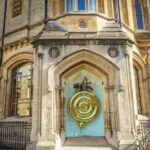
A quest for Dinky Doors turns Cambridge into play. This private, self-guided hunt sends you crisscrossing the city to find top-secret doors, each tied to a short video backstory and a few fun facts, with a map that saves time.
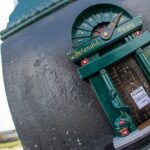
Two things I really like: first, the hunt is designed around a map with coordinates for each door, not guesswork. Second, the tone is playful and smart, with little story clues that fit right into real Cambridge landmarks like Parker’s Piece and Great St Mary’s Church.
One possible drawback: it’s self-guided, so you shouldn’t expect someone to meet you and steer the whole experience, and parts of the route can stretch enough that you may not want to walk every last stop.
In This Review
- Key things to know before you hunt Dinky Doors
- How this self-guided Dinky Door hunt really works in Cambridge
- Start at Trinity Street and plan around the 2.5-hour rhythm
- Your map, coordinates, and the “top-secret” locations clue system
- Stop-by-stop: the 14 stop route behind 11 Dinky Doors
- Stop 1: All Saints Garden Art and Craft Market
- Stop 2: Market Hill
- Stop 3: Downing Street
- Stop 4: Parker’s Piece
- Stop 5: Sussex Street
- Stop 6: Jesus Green
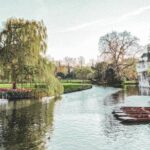
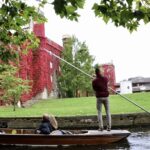
- Stop 7: Riverside (along the Cam)
- Stop 8: Cambridge Museum of Technology
- Stop 9: Mill Road (octopus resort joke)
- Stop 10: Mill Road (terrible crime mystery)
- Stop 11: Wandlebury Country Park (optional, outside central Cambridge)
- Stop 12: Green Street
- Stop 13: Great St Mary’s Church
- Stop 14: Parker’s Piece (again, Dinky-size fantasy)
- Price and value: is $11.81 per person worth it?
- A realistic walking check for Cambridge distances
- Who this Dinky Door hunt suits best
- Should you book the Dinky Doors hunt in Cambridge?
- FAQ
- Is this a guided tour with someone leading me?
- How long does the Dinky Door hunt take?
- Where do I start and where does it end?
- What language is the tour offered in?
- How many Dinky Doors are there to discover?
- Are the door locations exact on the map?
- Do I have to follow a specific order of stops?
- Are the stops free to visit?
- Do I need a car to do the whole route?
- Is cancellation allowed?
- Are service animals allowed?
Key things to know before you hunt Dinky Doors
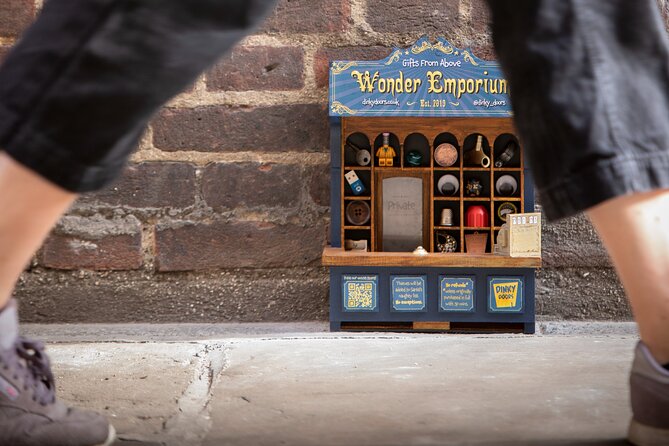
- Self-guided, private for your group: you run your own pace with your own team, not a big group herded along.
- Coordinates instead of guesswork: the map helps you locate each Dinky Door quickly.
- Video backstories for context: each door comes with little story pieces that make the hunt more than a photo stop.
- No fixed order: you can visit in whatever sequence works best for your day.
- Some stops mean real walking: distances between locations can add up, and one optional stop sits outside central Cambridge.
How this self-guided Dinky Door hunt really works in Cambridge
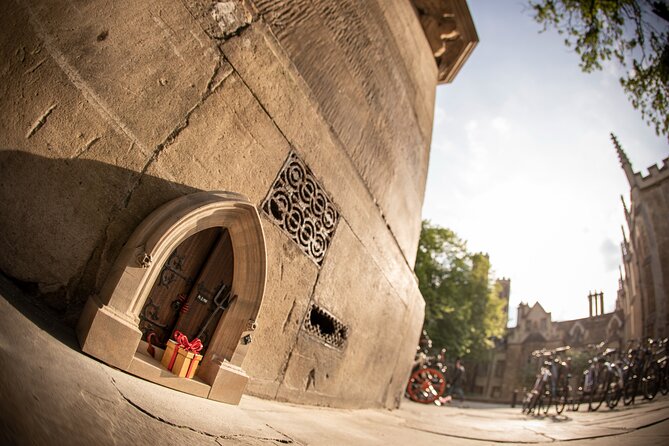
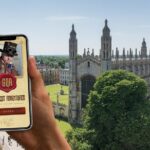
This is not a traditional guided walking tour where a person leads you from stop to stop. It’s an online self-guided experience run through the Dinky Doors website. You create an account and use your unique code to unlock the tour content, then use your mobile ticket to access what you need on the ground.
That setup changes the feel of the trip—in a good way for flexible travelers. You can pause for photos, stop for snacks, and reset your route without worrying that you’re falling behind. But it also means you must take care of the setup yourself. If you want a staff member to hand you a map and keep you moving, you’ll be happier picking something else.
I also like that the experience is designed for real sightseeing time. The Dinky Doors route passes through familiar Cambridge spots, so you’re not just wandering in circles. You’re getting a light, playful layer on top of a city walk you’d probably do anyway.
You can also read our reviews of more guided tours in Cambridge
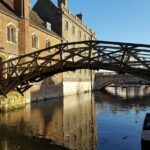


Start at Trinity Street and plan around the 2.5-hour rhythm
The meeting point is 24 Trinity St, Cambridge CB2 1SU. Your route ends back near there, so you can treat it like a loop even though the order is flexible.
The whole hunt is listed at about 2 hours 10 minutes to 2 hours 30 minutes, depending on how long you linger at each door and how efficient your route is. Many stops are designed as quick hits, around 10 minutes each, which is ideal when you want a fun activity without giving up your entire day.
Operating hours run 9:00 AM to 5:30 PM (daily). If you’re combining this with other Cambridge plans, I’d aim to start earlier in the window. You’ll have more daylight for photos, and you won’t feel rushed when you hit a door that draws you in.
And since it’s private for your group, it’s a nice option for families, friend groups, or anyone who prefers a gentler pace than a standard small-group tour.
Your map, coordinates, and the “top-secret” locations clue system
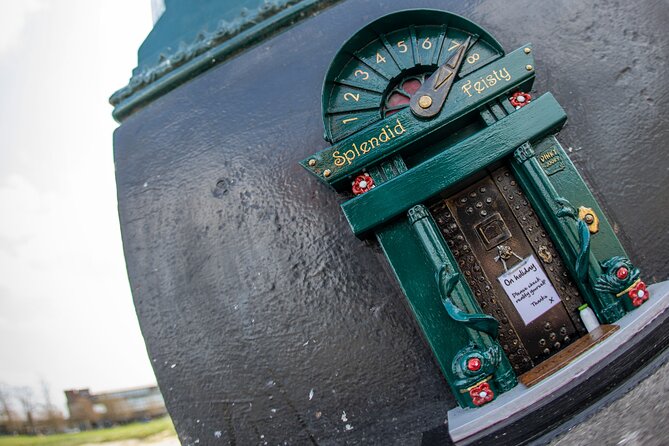
The big practical win here is the map with coordinates. Cambridge streets can be twisty, and “nearby” can be meaningless. Coordinates help you get to the spot fast, which keeps the hunt fun instead of frustrating.
One detail worth knowing: door locations are described as approximate and don’t reflect exact positions. That’s part of the playful mystery—think of it as top-secret style navigation rather than a straight line to a marked display.
Also, the map connection can be spotty at times (especially if your phone struggles with signal). My practical advice: before you set out, make sure you can access the tour page and that you’re logged in. If your phone has trouble mid-hunt, use the time to walk toward your next general area rather than stopping cold.
And yes, you’ll see playful hints in the route text. For example, at Market Hill the story jokes about teleporting and even mentions 3p coins. Whether it’s purely narrative humor or a nod to something you’ll encounter locally, the takeaway is simple: follow the story clues, but don’t treat them like a literal treasure map that requires a perfect shopping run.
Stop-by-stop: the 14 stop route behind 11 Dinky Doors
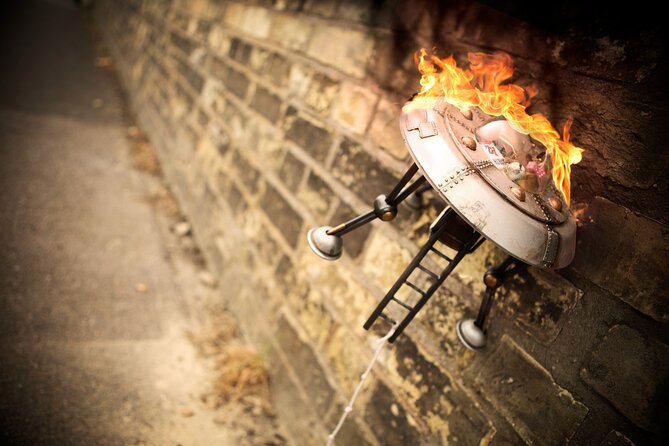
The hunt is built around 11 Dinky Doors, but your route includes named stops that may repeat areas (like Parker’s Piece and Mill Road). That can actually work to your advantage, since it helps you combine multiple door-hunts in a single neighborhood without backtracking too much.
Below is what you can expect at each stop, and what I’d watch for as you move from one to the next.
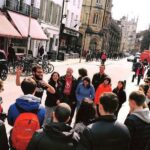
Stop 1: All Saints Garden Art and Craft Market
This is a fun starting point because it feels like you’re stepping into a creative zone right away. The story here frames the quest as intrigue and tiny sculptures, and it points you toward a door linked with Mr D. Mon at the Love from Above door.
What makes it special: you’re kicking off with a place that already has a “handmade” vibe, so the door hunt feels naturally at home rather than random.
What to consider: because it’s a market area, you’ll likely want to slow down just enough to locate the door precisely using your coordinates.
You can also read our reviews of more private tours in Cambridge
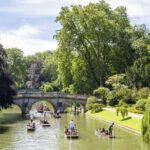

Stop 2: Market Hill
This door’s clue is pure fantasy: the text teases the idea of teleporting to the remaining doors. Again, it’s playful storytelling, not a logistics lesson, but it sets the tone for the whole hunt.
Practical note: Market Hill can be busy depending on when you’re there, so keep your eyes on the coordinate pin and don’t let foot traffic break your focus.
Stop 3: Downing Street
Here the story leans into mischief—something appears to be behind the next door trying to get out. If you enjoy political satire vibes (even in a silly, Dinky-door way), this stop is an easy win.
What to consider: this is an urban area. Look quickly, take your picture, and keep moving unless you’re very sure you’ve found the right spot.
Stop 4: Parker’s Piece
Parker’s Piece is one of those Cambridge places that feels familiar even if you’ve never been. The door clue ties into a reality-check idea: a door that checks on the state of reality.
Why I like this stop: it’s a classic “serious place” that gets a silly twist. You get open space, big walking lanes, and a good chance to reset your route.
Stop 5: Sussex Street
This one flips the story into something almost practical: wonder what happens to all the things you lose. In Dinky Door logic, you’ll find an answer at this door.
What makes it worthwhile: it’s a good stop for people who like the slightly eerie, slightly whimsical side of puzzle storytelling.
Stop 6: Jesus Green
Jesus Green brings you into park territory. The door clue here focuses on portals that give quick access to two other parks, using magic spinning portals as the explanation.
Practical takeaway: even if you don’t follow every “portal” implication literally, you’ll still enjoy the park walk, and you’ll likely save time just by grouping your walking routes in this area.
Stop 7: Riverside (along the Cam)
The Cam is Cambridge’s natural backdrop, and this stop uses the river for a story about transforming letters and parcels into emails.
This is where the hunt starts feeling like a proper city day. You’re outside, you’re moving, and the river path helps you loosen up. If you’re traveling with kids, this is often the kind of stop that makes them want to keep going.
Stop 8: Cambridge Museum of Technology
The clue here is sci-fi: prepare for a scene of a terrible alien crash, and then ask who the survivor was and where they went.
This is a strong choice for curious minds, because it pairs an actual museum setting with a fictional mystery angle. Even if you don’t go inside any museum exhibits, the door hunt gives you a reason to pay attention to the surrounding story space.
Stop 9: Mill Road (octopus resort joke)
This door is the most instantly laughable in the route text: you’re an octopus and want a luxury resort built for octopus friends.
I love stops like this because they cut through the pressure. You’re not trying to act like an expert. You’re just looking, laughing, and enjoying the stroll.
Stop 10: Mill Road (terrible crime mystery)
Another Mill Road stop, but with a different mood: a terrible crime shocked Cambridge, and the story asks what was there before and what now remains.
This is where the hunt turns more “mystery/history-adjacent” even though the Dinky Door framing stays playful. If you like atmosphere, this stop is a nice contrast to the octopus resort joke.
Stop 11: Wandlebury Country Park (optional, outside central Cambridge)
This is labeled optional and sits outside Cambridge proper. It suggests you might need a car, bike, or bus to reach it. The clue points to a book about a legendary undefeated knight and the possibility of meeting them.
How to decide: if you’re traveling light and staying central, you may skip this. If you’ve got wheels or you’re comfortable with extra travel time, it can add a larger “day out” feeling beyond central streets.
Stop 12: Green Street
The story shifts to space-lift energy: need a lift to space, maybe you’re in luck here. It’s short, fun, and exactly the kind of whimsical stop that keeps momentum.
Stop 13: Great St Mary’s Church
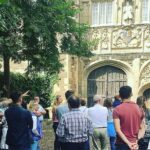
Great St Mary’s Church (Church of England) brings the hunt into a place where art, letters, and ideas have real weight. The clue talks about how books are created and introduces a Bookmage.
Why it works: even if you’re not a church visitor, this stop feels like Cambridge putting its brains on display. The Dinky Door story helps you look at the building’s role in the city as something more than just a backdrop.
Stop 14: Parker’s Piece (again, Dinky-size fantasy)
You circle back to Parker’s Piece with a new Dinky-size premise: the door lets you shrink yourself down to Dinky size.
I like that the route repeats a major landmark. It lets you use your day like a flexible loop—if you finish earlier, you get an extra story moment; if you finish later, you’re still near a familiar big open spot.
Price and value: is $11.81 per person worth it?
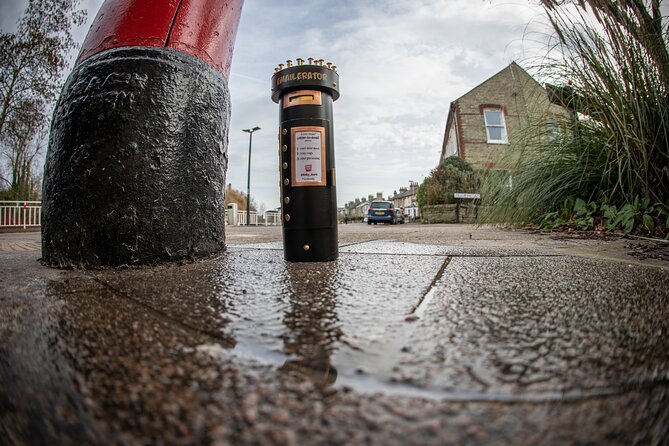
At $11.81 per person, this is priced like an activity, not a big-ticket tour. The value comes from a few elements working together:
- You get a map with coordinates to save time.
- You get video backstories and fun facts that make each door feel like it has a reason to exist.
- You get a route that passes major Cambridge sights rather than isolating you in one zone.
Also, each stop lists admission ticket free. That matters because it keeps the cost predictable. You’re paying for the hunt experience and the storytelling layer, not museum entry fees stacked on top.
When it feels like good value: if you and your group like playful mystery walks, and you enjoy following clues at your own pace, you’ll likely feel like you stretched your money across lots of little moments.
When it might not: if your idea of a tour requires constant human guidance, or if you want a perfectly compact, low-walking route where all doors are always within easy reach, you may feel held back by the city distances.
A realistic walking check for Cambridge distances
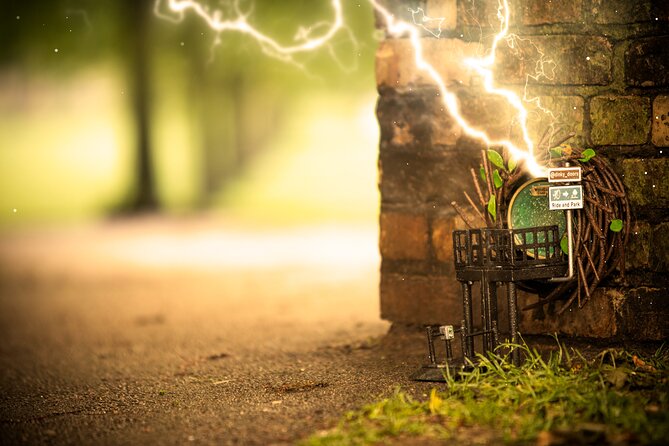
Cambridge is compact, but it’s not microscopic. The route can still mean real walking between neighborhoods, and some doors may feel far apart depending on your start time and the sequence you choose.
That’s why I’d treat this as a walk-with-breaks plan, not a sprint. Wear comfortable shoes and keep your phone charged. If your group includes kids or anyone who tires quickly, you might skip optional or distant stops (like the park outside central Cambridge) and still get a great hunt.
This also explains the best approach: you don’t need to do everything in one perfect line. Pick doors that are close together, then let the rest wait for later.
Who this Dinky Door hunt suits best
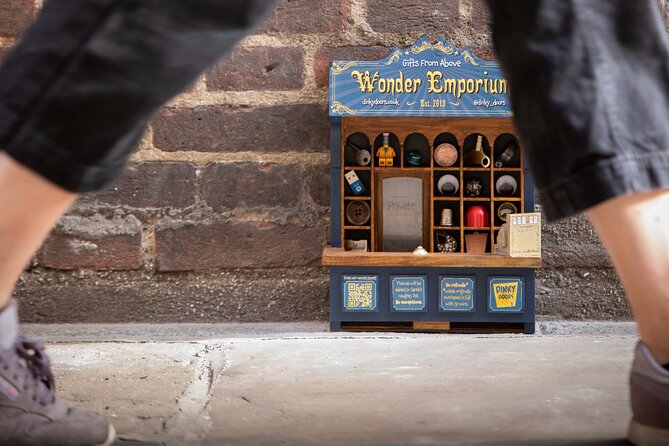
This works well for:
- Families with kids who like scavenger hunts and joking mysteries.
- Couples who want a different way to see Cambridge besides a standard walking tour.
- Solo travelers who prefer self-guided exploration with built-in storytelling.
- Anyone who enjoys landmarks but wants a playful task to keep attention focused.
You’ll probably enjoy it most if you’re okay with figuring it out a bit. The hunt gives you the tools (coordinates and story), then lets you have the fun of connecting the dots.
Should you book the Dinky Doors hunt in Cambridge?
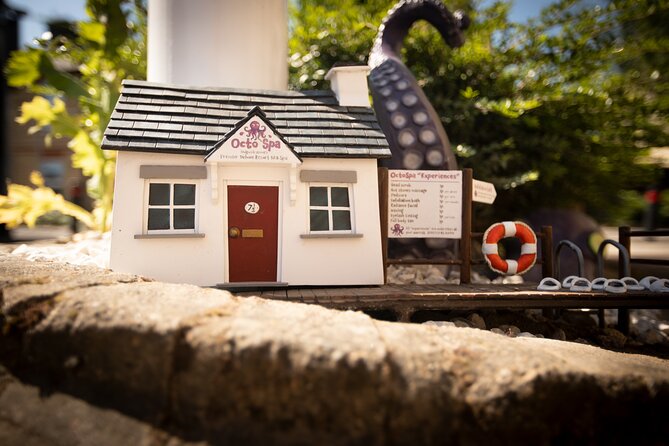
I’d book it if you want a low-cost, high-laugh activity that turns city wandering into a mission. The combination of coordinates, video backstories, and familiar Cambridge landmarks makes it easy to justify in a day schedule, especially if you like quests and photo hunts.
I wouldn’t book it if you’re expecting staff to guide you in real time. Since it’s self-guided, the experience depends on you using the account and tour link before you start, and it depends on your phone being able to access the map content without too much fuss.
If you like clever silliness and you’ve got about two and a half hours for a walk, this is a fun, solid way to spend a Cambridge afternoon.
FAQ
Is this a guided tour with someone leading me?
No. It’s a private self-guided activity. You use your mobile ticket and access the online tour content using your account and unique code.
How long does the Dinky Door hunt take?
It’s listed at about 2 hours 10 minutes to 2 hours 30 minutes.
Where do I start and where does it end?
Start at 24 Trinity St, Cambridge CB2 1SU, UK. The activity ends back at the meeting point.
What language is the tour offered in?
English.
How many Dinky Doors are there to discover?
The tour describes 11 Dinky Doors to discover.
Are the door locations exact on the map?
The locations listed are described as approximate and don’t reflect their exact locations.
Do I have to follow a specific order of stops?
No prescribed order is mentioned. You can visit based on what works best for your route.
Are the stops free to visit?
The itinerary shows admission ticket free for the stops listed.
Do I need a car to do the whole route?
Most stops are in Cambridge, but one optional stop is in Wandlebury Country Park and is described as not immediately in Cambridge, suggesting you may need a car, bike, or bus.
Is cancellation allowed?
Free cancellation is available. You must cancel at least 24 hours in advance for a full refund.
Are service animals allowed?
Yes, service animals are allowed.