REVIEW · DUCK BOAT TOURS
Boston Duck Tour: The Original and World-Famous
Book on GetYourGuide →Operated by Boston Duck Tours · Bookable on GetYourGuide
Boston has a way of moving fast, and this tour matches it. You ride a WWII-style amphibious duck through downtown, then go straight into the Charles River for views you can’t copy from land. I really like how the ConDUCKtor style narration turns famous stops into stories you can recall later, and I also like that the ride is only 80 minutes, so you can fit it even on a busy day. One possible drawback: the seating and ladder access can feel tight, especially if you’re taller or have trouble climbing steps.
If you’re choosing between formats, this one is different from a standard trolley because you get both streets and water in one uninterrupted loop. I’ve seen guides like Beth Metal, Flo, and Robin the Riveter bring the history with big energy, jokes, and quick stops at the places you’ll recognize from photos. Bring your own headphones if you use the multilingual audio app, and know that traffic can shift the route, so not every exact site is promised.
In This Review
- Key things I’d plan for on the Boston Duck Tour
- Entering the WWII duck experience: land to water without a change of plans
- Where you board: Museum of Science or Prudential Center, plus other departure options
- The 80-minute route that actually helps you understand Boston
- Boston Common and Copley Square: the center of the story
- Massachusetts State House and Bunker Hill: “firsts” you’ll hear about
- The Big Dig and Newbury Street: Boston after modern construction
- Quincy Market: a quick hit of classic Boston
- Where Cambridge comes in: views from the Charles River
- The ConDUCKtor factor: why the narration is the main event
- The splash into the Charles River: the moment that changes the whole tone
- Comfort, photos, and what to wear for a smoother ride
- Price and value: is $60 for 80 minutes worth it?
- Who this tour suits best (and who might want a different format)
- Quick reality check before you go
- Should you book the Boston Duck Tour?
- FAQ
- How long is the Boston Duck Tour?
- How much does the tour cost?
- Where do you meet for the tour?
- Is there a live guide?
- Do I need headphones for the audio app?
- What languages are available on the audio app?
- Does the route ever change?
- Is the tour wheelchair accessible?
- What is not allowed on the tour?
Key things I’d plan for on the Boston Duck Tour
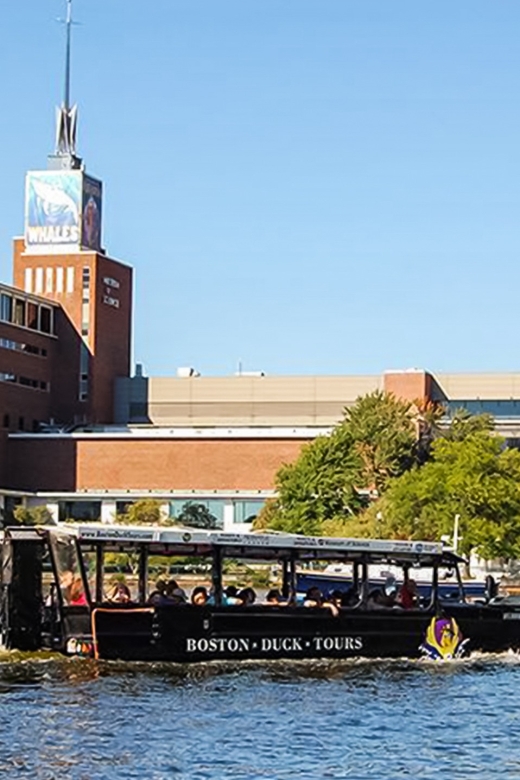
- Land + Charles River in one ride: you get the big skyline angles plus the water-level view
- Live narration from your ConDUCKtor: names like Beth Metal, Flo, and Robin the Riveter show up as recent guides
- Fast route through the main downtown hits: Boston Common, Copley Square, Quincy Market, and more
- Optional multilingual audio via app: imagery and narration, but you must bring headphones and have cellular
- Small group feel: limited to 10 participants, which helps the guide keep control of the timing
- Comfort varies by seat: plan for limited leg room and ladder steps
Entering the WWII duck experience: land to water without a change of plans
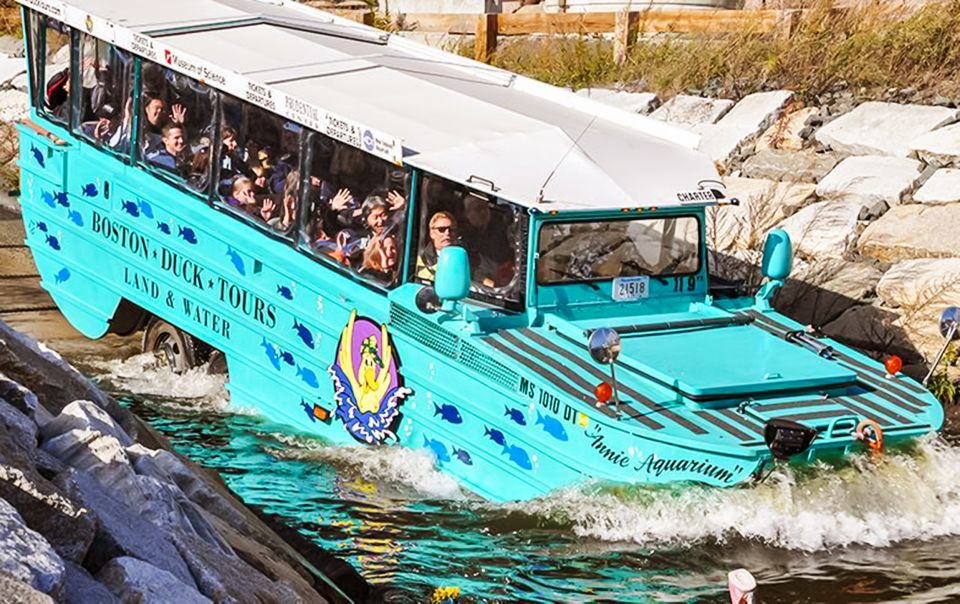
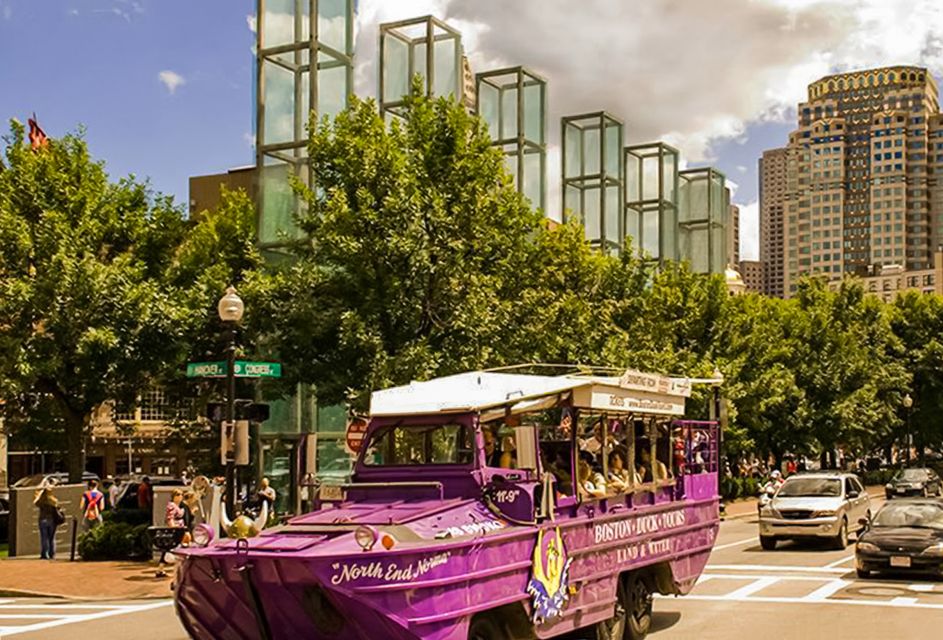
The Boston Duck Tour is built around one simple trick: you don’t just watch landmarks from the street. You ride an amphibious vehicle that travels on land, then drives into the Charles River and becomes a boat. That switch is the whole point, and it’s why the tour feels like a “real moment,” not just a list of sights.
You’ll start the ride in a golden WWII duck-style style (amphibious, painted, and unmistakable), then settle in while your guide points out what matters. The narration has two tracks: big Boston landmarks and the little “how did we get here” stories behind them. If you enjoy history that’s tied to what you can see outside your window, this format is a good match.
The tour lasts 80 minutes, usually offered morning, afternoon, and evening. That timing matters because Boston has busy sidewalks and limited time. This lets you stack a sightseeing hit early, then spend the rest of the day exploring neighborhoods you care about most.
You can also read our reviews of more tours and experiences in Boston.



Where you board: Museum of Science or Prudential Center, plus other departure options
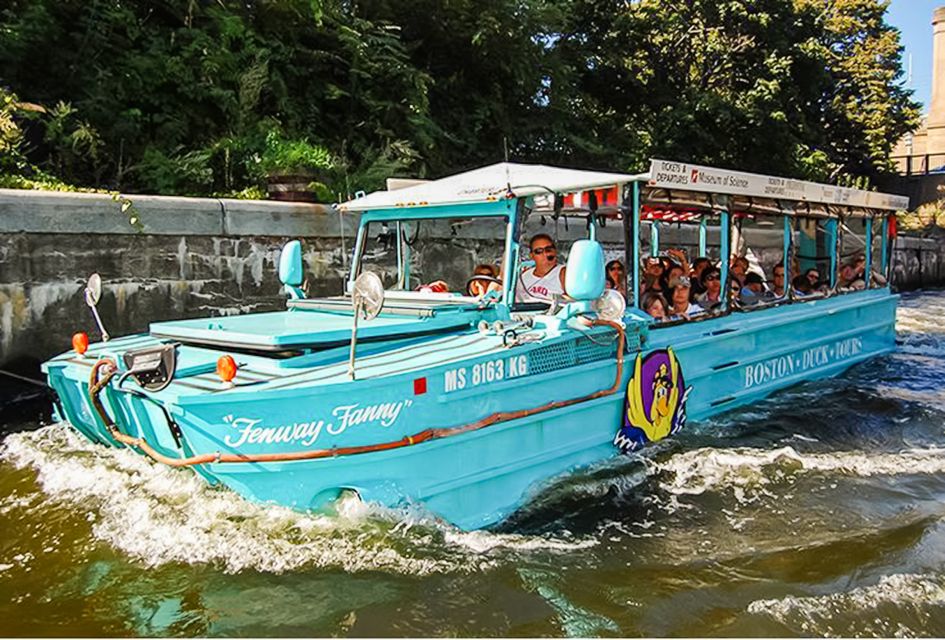
Your boarding spot can vary depending on the option you book, but two common start points are the Museum of Science and the Prudential Center area. From there, you drive through downtown, using the duck’s amphibious design to keep the ride rolling instead of forcing you into a transfer.
Because the exact meeting point can change, I recommend showing up early and double-checking your ticket instructions the day of. Even with a small group, you want a stress-free start, especially if ladder access is part of your concern.
The good news: the tour offers wheelchair-accessible vehicles from the departure locations. If someone in your party uses a wheelchair, you’ll want to flag it after booking so the crew can prepare the right vehicle setup.
The 80-minute route that actually helps you understand Boston
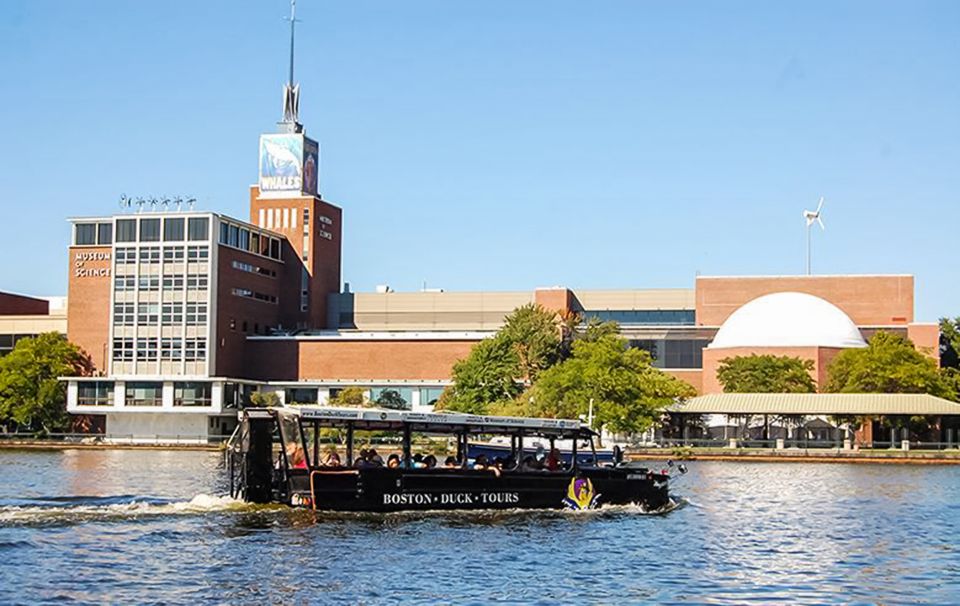
The rhythm of the tour is straightforward: you roll through key downtown corridors, you stop (visually) at iconic landmarks, then you end with that Charles River splash and water views. You won’t see everything in 80 minutes, but you will get a map of Boston’s “greatest hits” plus context.
Here’s how the landmarks fit together, and why each one is worth the time.
Boston Common and Copley Square: the center of the story
Boston Common is the anchor for a lot of the city’s civic identity. Driving past it gives you a quick orientation: you start to feel where government, downtown energy, and walking corridors meet.
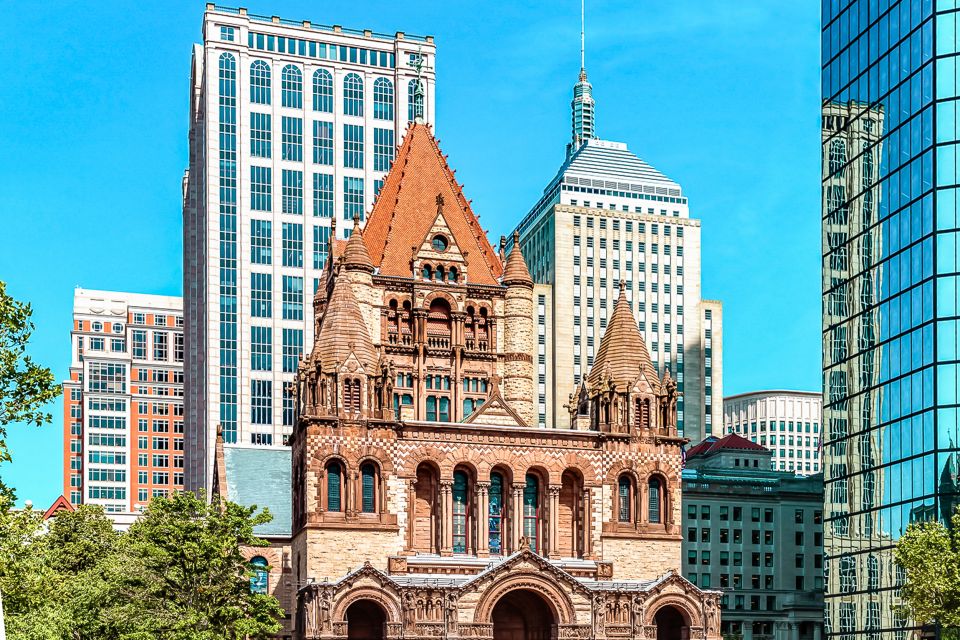
From there, the route continues toward Copley Square, which is a strong visual cue for the city’s mix of grand architecture and practical street life. If you later plan to walk the area, you’ll remember what’s where.
Massachusetts State House and Bunker Hill: “firsts” you’ll hear about
Your tour includes a pass by the Massachusetts State House, known for its golden dome. That’s not just a photo stop. The guide uses it as a jumping-off point to talk about Boston’s role as a birthplace of freedom and about “firsts” that shaped the city and the country.
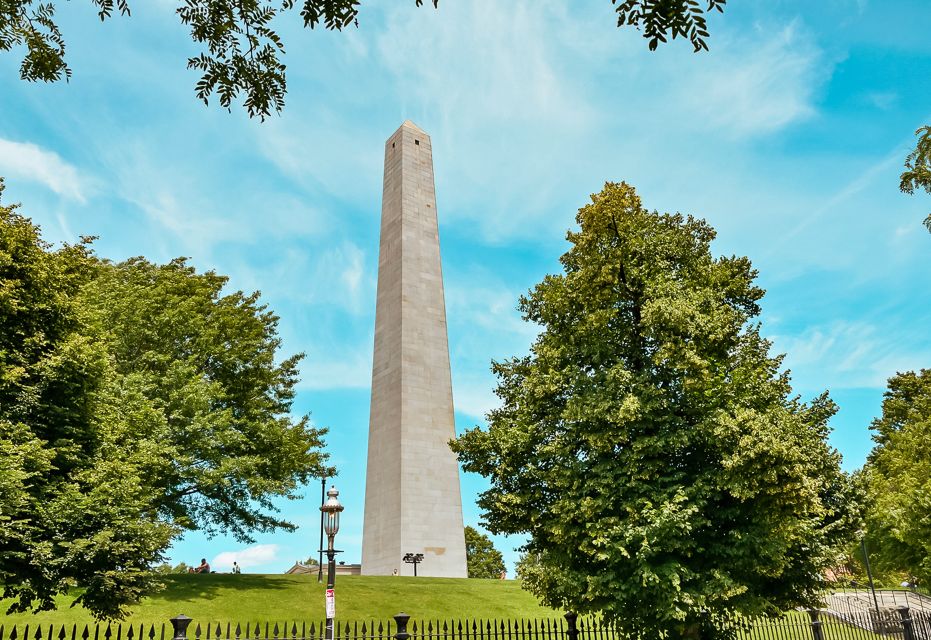
You’ll also drive toward Bunker Hill. The driver and guide use this stretch to connect the historic name to what you can actually see from the road. If you like your history tied to geography, this portion does the work for you.




The Big Dig and Newbury Street: Boston after modern construction
The narration also covers the Big Dig, which is one of those “Boston changed and you feel it now” stories. You may not get technical details, but you’ll understand the cause-and-effect: streets, waterways, and traffic patterns shifted, and the downtown layout feels different because of it.
Then comes Newbury Street, which is where the tour pivots from civic history to everyday Boston vibes. It’s one of the best places to recognize the city’s style immediately. Even if you don’t shop, you’ll get the visual sense of what makes this part of town feel like an experience.
Quincy Market: a quick hit of classic Boston
You’ll reach Quincy Market, a place that’s become shorthand for food, crowds, and the “Old Boston” vibe without having to dig for it. The duck format makes it easy to see it from the window and then decide what you want to do next.
If you want a flexible plan afterward, this is a smart moment to remember for dinner or a snack stop. You’re not forced to commit now, but you’re set up to come back.
Where Cambridge comes in: views from the Charles River
Once the tour transitions into the Charles River segment, the focus becomes the view. This is where you see the skyline from angles land tours can’t replicate, plus you get views of Cambridge and Boston. It’s scenic, but it’s also practical: it shows you how the two sides of the river relate to each other.
That water view helps you later if you plan a walk, a riverfront stroll, or a quick look at campus-adjacent streets. You start picturing the geography in your head instead of just reading names on a map.
The ConDUCKtor factor: why the narration is the main event
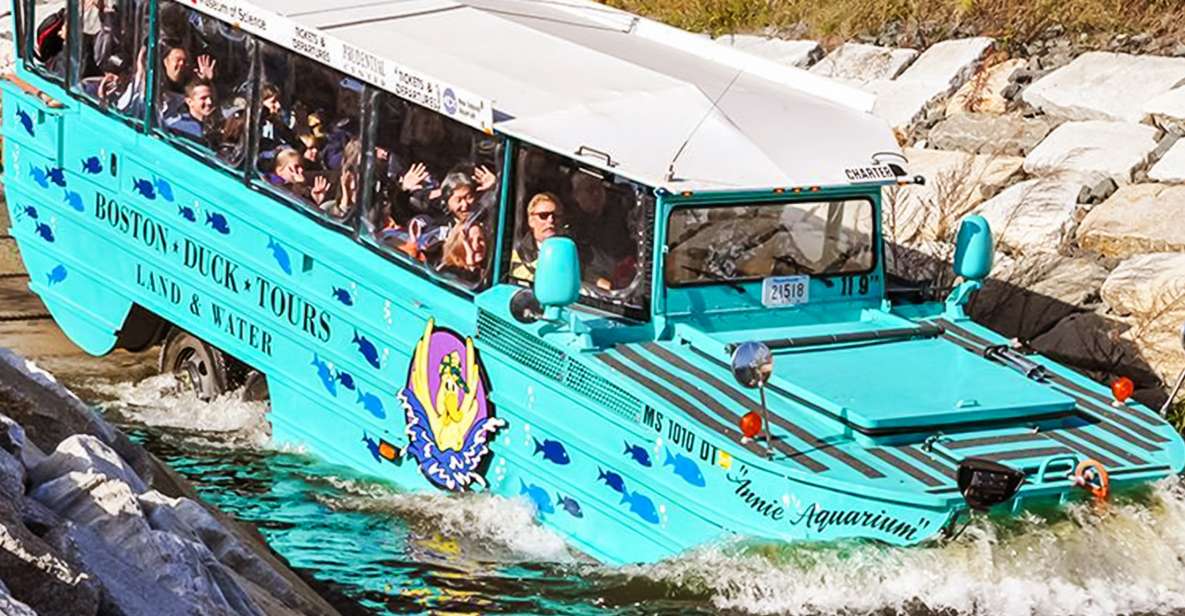
The duck itself is fun, but the guide is what makes the ride worth repeating. The tour is hosted by a live guide in English, and the guide’s role is big: narrate the route, explain landmarks, and weave in facts that don’t feel like homework.
I noticed in recent rides that the top guides bring a mix of timing and character. People have described guides like Beth Metal with high-energy humor, Ben with strong history, and Flo with a fast, upbeat style. Even when jokes are part of the show, the best guides still point out what you’ll actually recognize later.
If you want to learn Boston quickly, pay attention to the “why this matters” parts rather than trying to memorize dates. The tour’s real value is connecting a landmark to the bigger story of the city—freedom, civic life, architecture, and how the city evolved.
The splash into the Charles River: the moment that changes the whole tone
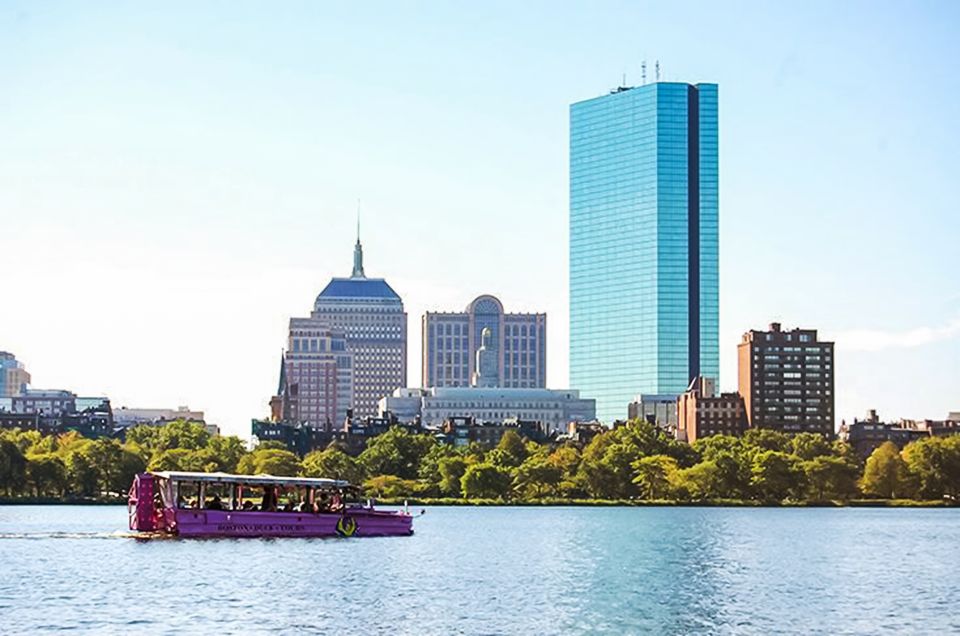
This is the turning point. You’ll drive from streets into the Charles River on the same vehicle, and the energy usually shifts from sightseeing to “this is happening” excitement.
When you’re on the water, you get a different sense of scale. Buildings look taller. The riverbank feels more real. And you can see the city’s layout in a way that makes it easier to understand where you are and what direction you’ll want to go next.
It’s also why this tour works well for limited-mobility days. You’re seated most of the time, and you’re not doing repeated stops and long walks between attractions. The tour still has ladder access for boarding and seating, but compared to a full day of walking, it’s a much lighter lift.
Comfort, photos, and what to wear for a smoother ride
The ride is designed to keep you moving and seated, but comfort depends on your body type and the specific seat you get. Some passengers have noted limited leg room, and taller riders can feel the space constraints more. If you’re sensitive to that, try to get a seat earlier when possible.
Ladder access can also be a factor. Some older passengers or people with mobility limits have found it a challenge to climb up into the seating area. The vehicles are wheelchair accessible, but for non-wheelchair riders who still need easier boarding, I’d plan ahead and arrive with extra time.
For photos: you’ll be traveling on a vehicle, and you’ll likely find angles tricky at times. One practical tip is to treat the best photo targets as the water segment and the major landmarks, not every street corner.
What to wear is simple: comfortable shoes (even if you’ll stay seated), sun protection if it’s bright, and a light layer if the river air feels cooler than the street.
Price and value: is $60 for 80 minutes worth it?
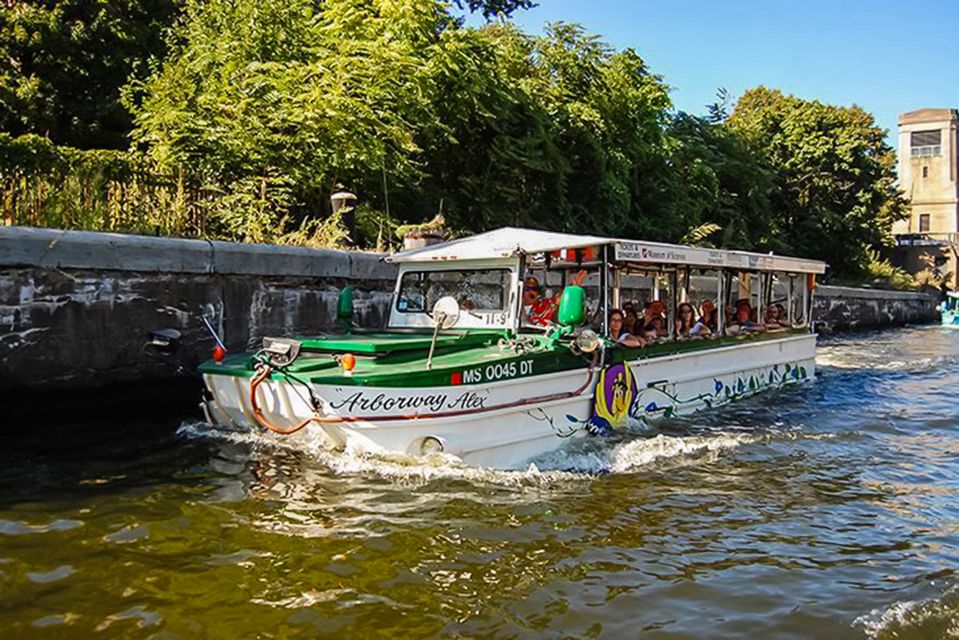
At $60 per person, this is not a “cheap bus ride.” It’s priced like an experience: amphibious vehicle, live narration, and the Charles River segment that most standard tours can’t offer.
The value comes from two places:
First, you’re paying for the combination of land touring plus the water segment in one nonstop ride. If you tried to cobble that together with separate activities, it would take more time and usually more planning.
Second, the live guide changes how the tour lands. A lot of the best-rated rides focus on the guide’s humor and storytelling. That means you’re not just buying transportation; you’re buying a guide who turns streets into a storyline.
If your priority is maximizing the number of sites you can walk, you might find other tours better. But if your priority is a quick, seated orientation to Boston with the signature duck splash, this hits the mark.
Who this tour suits best (and who might want a different format)
This tour makes the most sense if you:
- want a fast way to learn Boston’s layout in a single ride
- care about the Charles River views but don’t want to plan separate transportation
- prefer seated sightseeing with a live narrator instead of hours of walking
- are traveling with kids or a mixed-age group, since the humor and the splash keep energy high
It might be less ideal if you:
- hate ladder boarding or find tight seating uncomfortable
- want a strictly quiet, no-jokes history lecture
- are traveling on a day when you know the schedule is extremely tight (because traffic can alter the route)
Quick reality check before you go
A few small rules and practical notes help your day go smoother. Alcohol and drugs are not allowed. Tickets are required for all passengers, including infants age 2 and younger.
If you choose the multilingual audio option, the app requires a mobile device with its own cellular connection and you must bring your own headphones. The app uses imagery plus narration, and it’s offered in multiple languages such as Spanish, German, Mandarin, French, Japanese, Italian, Brazilian Portuguese, Korean, and Cantonese. (If your phone battery is low, charge it before you arrive.)
Also remember: traffic conditions can alter the route, so don’t count on every exact stop.
Should you book the Boston Duck Tour?
I’d book it if you want a fun, efficient way to get your bearings in Boston and you like the idea of doing both land and water in one sitting. The combination of a live guide, recognizable landmarks like Boston Common and Quincy Market, and that splash into the Charles River is exactly the kind of short-day planning that makes sense in a city where time gets eaten by crowds.
I would skip it or switch plans if comfort and quiet matter most, or if you have strong concerns about ladder access and tight seating. In that case, a walking tour or a different seated sightseeing option might feel better.
If you do book, show up early, bring headphones if using the app, and choose a day with good weather if you can. The water segment is the payoff, and it’s best when the sky cooperates.
FAQ
How long is the Boston Duck Tour?
The tour runs about 80 minutes.
How much does the tour cost?
The price is $60 per person.
Where do you meet for the tour?
The meeting point can vary by option, but boarding is associated with areas like the Museum of Science or Prudential Center.
Is there a live guide?
Yes. The tour includes a live guide in English.
Do I need headphones for the audio app?
If you use the optional multilingual audio app, you need to bring your own headphones.
What languages are available on the audio app?
The app offers multiple languages, including Spanish, German, Mandarin, French, Japanese, Italian, Brazilian Portuguese, Korean, and Cantonese.
Does the route ever change?
Yes. Traffic conditions can alter the route, and not all sites are guaranteed.
Is the tour wheelchair accessible?
Yes, wheelchair-accessible vehicles are available from the departure locations. You should advise the provider after booking if a wheelchair is needed.
What is not allowed on the tour?
Alcohol and drugs are not allowed.