REVIEW · 1-DAY TOURS
From Boston: Quincy, Plymouth, and Mayflower II Day Trip
Book on GetYourGuide →Operated by New England Trips · Bookable on GetYourGuide
History gets way easier when it comes with coastal scenery. This 11-hour Boston day trip strings together Quincy, Scituate, and Plymouth, with guided stops at the Adams birthplaces and the Mayflower II world you came for. It’s built for people who want the big names of Massachusetts history without planning a whole day of logistics.
I like two things most. First, the live narration: guides such as David, and sometimes Kristin, are the kind of people who can make local details feel personal and easy to follow. Second, the admissions and value are straightforward: you get tickets for both the Mayflower II and Plimoth Patuxet, plus snacks and bottled water to keep you comfortable through a long day.
One thing to consider: it’s a long ride in a minibus. If you’re sensitive to cramped seating or have back issues, plan for comfort (there’s limited room on board, and the day is rain or shine).
In This Review
- Key things I’d circle on your map
- Riding out of Boston: the Quincy stop that sets the tone
- Cohasset to Scituate: lighthouse views and the American Army of Two story
- The coast drive as a hidden benefit (it’s not wasted time)
- Plymouth Rock: the quick, iconic stop that works better with guidance
- Mayflower II: why including admission is a big deal
- Plimoth Patuxet: the 1620 context you can feel
- Pacing and comfort: relaxing, but not short
- Price and value: what $165 really buys you
- Who this tour suits best
- Should you book the Quincy, Scituate, and Plymouth day trip?
- FAQ
- How long is the day trip from Boston?
- What admissions are included on this tour?
- Do we need to buy tickets or wait in line?
- Is the tour canceled if it rains?
- How does pickup from downtown Boston work?
- Is this tour suitable for small children or mobility needs?
Key things I’d circle on your map
- Quincy’s Presidential connections: John Adams and John Quincy Adams birthplaces
- Scituate Lighthouse plus the story behind the phrase American Army of Two
- Coastal driving through Cohasset and along the waterfront for photo-friendly stretches
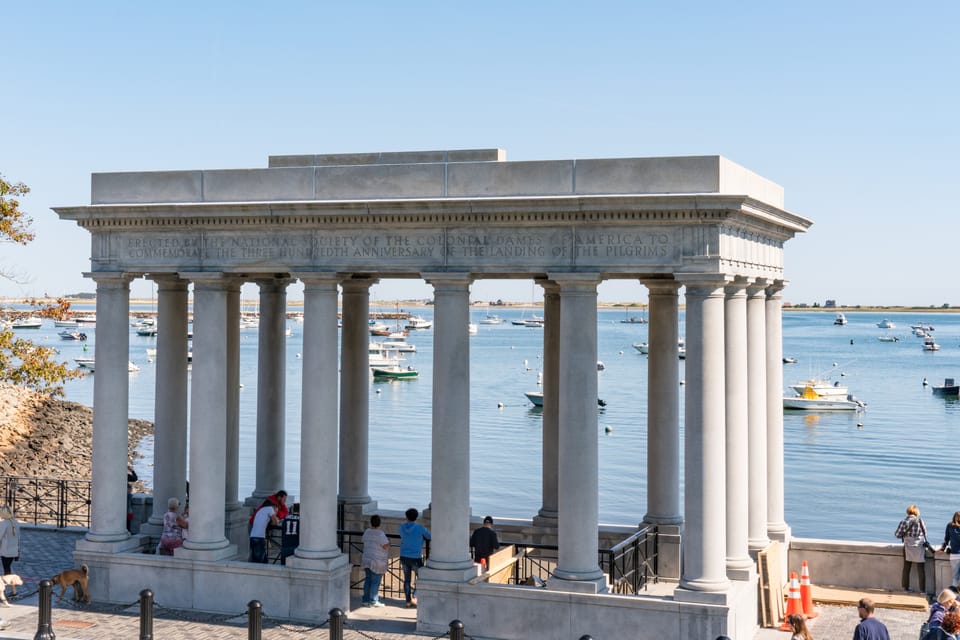
- Plymouth Rock time in America’s Hometown
- Mayflower II + Plimoth Patuxet admission included so you’re not juggling ticket plans
- Skip-the-line entry and live English narration to keep the day flowing
Riding out of Boston: the Quincy stop that sets the tone
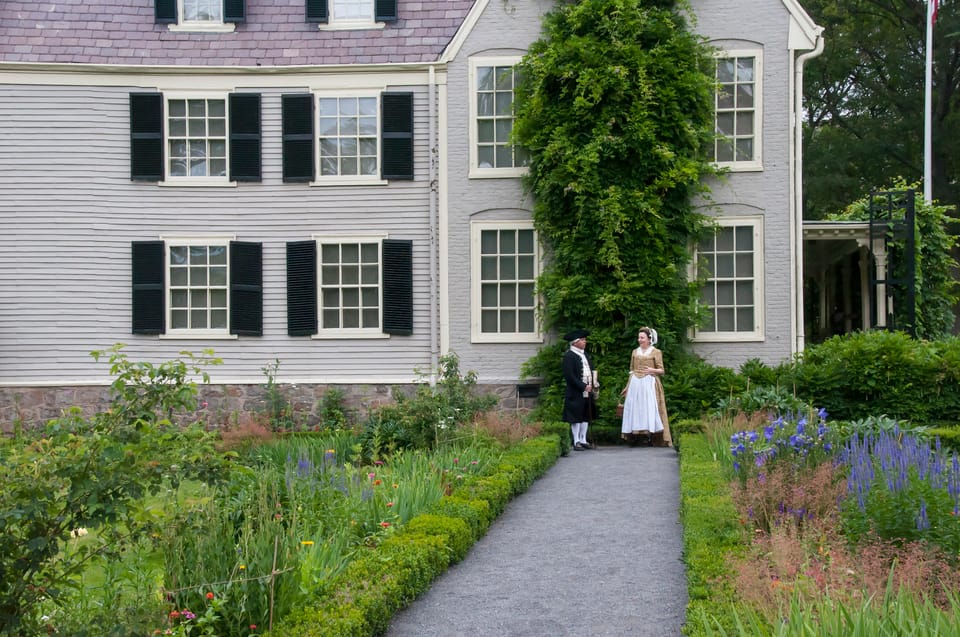
Most long history days start with museum overload. This one starts with something more human: the Quincy birthplaces tied to John Adams and his son, John Quincy Adams. You get the feeling of a family story across generations, not just a list of founders.
Quincy is also a good warm-up because it’s compact and well suited to a guided explanation. You’re not trying to decipher signage on your own. The guide frames what you’re seeing so it connects to the later Plymouth story, where the Massachusetts thread really starts to tighten.
You’ll be coming from downtown Boston in an air-conditioned, comfortable minibus with pickup from multiple locations. For a day this packed, that shared ride matters. You can sit back, listen, and let the route connect the dots for you instead of bouncing between stops on your own schedule.
You can also read our reviews of more tours and experiences in Boston



Cohasset to Scituate: lighthouse views and the American Army of Two story

After Quincy, the trip shifts from “Presidents” to “coast.” You’ll travel through areas like Cohasset and then arrive in Scituate, where the scenery does some of the work for you. This is the part of the day where you can look out at the shoreline between explanations and just enjoy being in the right place.
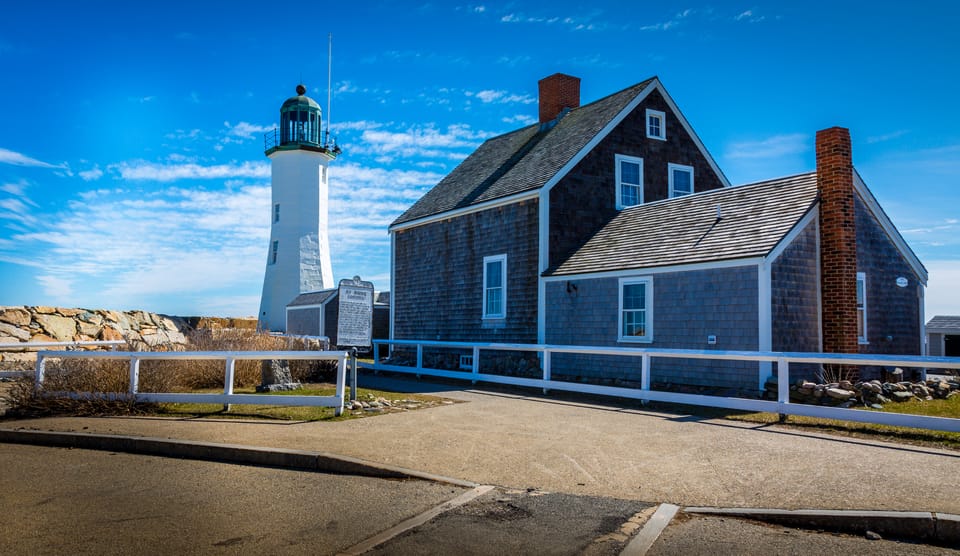
In Scituate, you’ll have a chance to see the Scituate Lighthouse. Even if you don’t usually care about lighthouses, it helps anchor the experience. The coast isn’t just pretty here—it’s part of how Massachusetts communities lived, traveled, and thought about safety along the water.
Then comes the story behind American Army of Two. You won’t just hear the phrase and move on. The point is that the guide connects it to the local context you’re standing near, turning a catchy label into something that feels tied to the region’s past rather than floating around like trivia.
The coast drive as a hidden benefit (it’s not wasted time)
A lot of one-day tours waste the in-between hours. This route is different because you’re traveling along the coastline, not cutting straight through the suburbs the whole way. You get repeated chances to glance at waterfront homes, coastal town vibes, and lighthouse silhouettes as the day builds toward Plymouth.
That matters because you’re learning while you’re moving. When the guide narrates during the drive, you’re not stuck watching the clock. You’re setting expectations for what you’ll see next—especially helpful on a day that includes both indoor and outdoor stops.
Also, you’re not on your own for transportation or navigation. Even if you love road trips, there’s something calming about doing it with a plan. You’ll spend your energy exploring, not troubleshooting parking, traffic, or timing.
Plymouth Rock: the quick, iconic stop that works better with guidance
When you arrive in Plymouth, the day switches into full-on symbolic mode. You’ll visit Plymouth Rock, which is one of those stops everyone recognizes from history class. The value here isn’t the rock itself—it’s what the guide helps you understand while you’re there.
This stop is also a reset button for the day. You get your big landmark moment, and then you move into the more immersive parts: the ship-related experience with Mayflower II and the 1620-era museum world at Plimoth Patuxet. With guidance, the rock becomes a lead-in rather than a photo-and-sprint.
You’ll likely also have time to slow down and explore on your own. One of the consistent themes from recent tour experience is that the pacing leaves room for lunch and easy strolling near the water, not just a relentless checklist.
Mayflower II: why including admission is a big deal

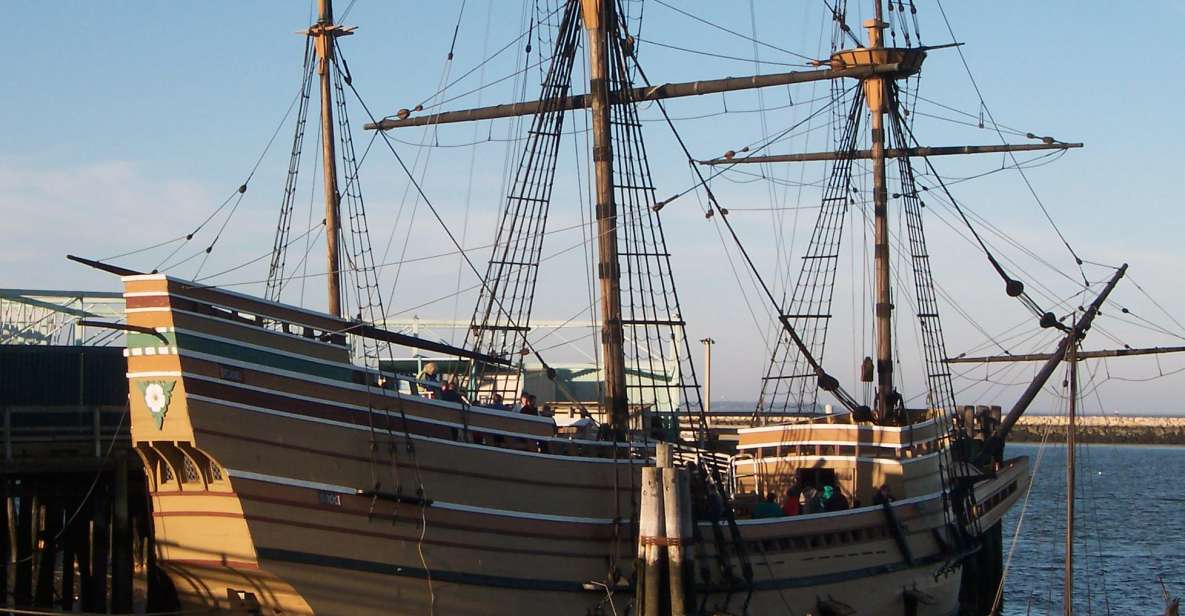
A common problem with history tours is you’re paying for narration, then doing the “real” ticket purchases later. Here, admission to Mayflower II is included, so you don’t have to budget extra once you’re already traveling all day.
Even better, the tour offers skip-the-ticket-line access. That’s not glamorous, but it can be the difference between feeling relaxed at a site and feeling rushed. For a day that’s already 11 hours long, saving time at the entry points keeps your energy for actually looking.
Mayflower-related experiences tend to feel most powerful when you connect them to what you saw earlier. Quincy gives you the political/leadership thread. The coast stops reinforce the Massachusetts setting. Plymouth is where you feel the stakes of the beginnings—especially once you head to Plimoth Patuxet next.





Plimoth Patuxet: the 1620 context you can feel
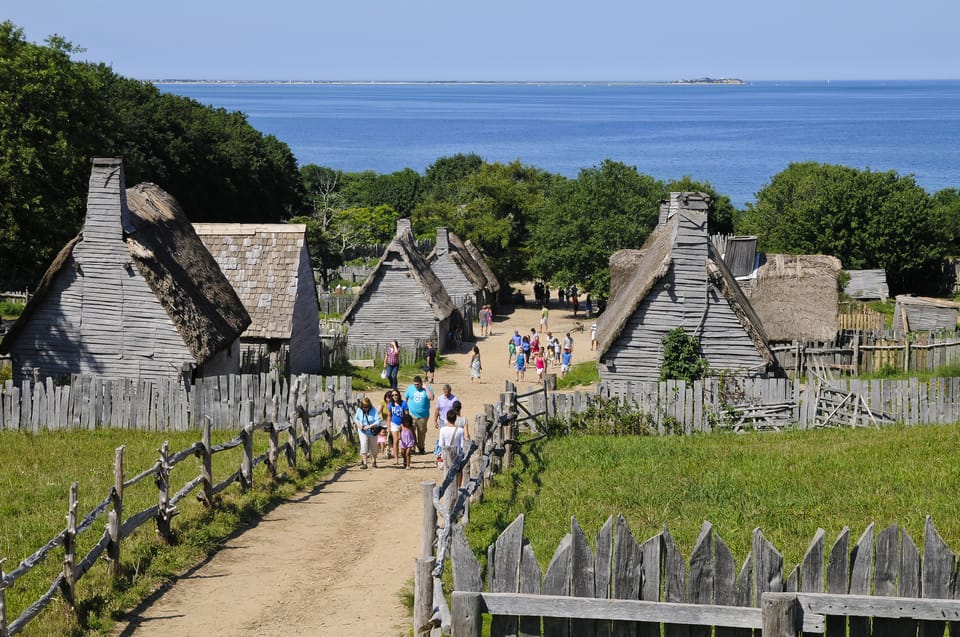
If you’re trying to understand the founding era beyond names, Plimoth Patuxet is the big educational anchor. Admission is included, and the focus is on the site where New England was first established in 1620.
What makes this museum stop work well on a guided day is that you’re not left alone to interpret it all. The narration helps you notice what to pay attention to as you move through. It also keeps the museum from turning into a blur of rooms and exhibits.
From the experience perspective, this is often the stop people mention as the highlight, because it turns the Plymouth story from a classroom reference into something you can picture. You get that sense of place and time you can carry with you even after you leave the museum.
Pacing and comfort: relaxing, but not short
The total duration is 11 hours, rain or shine. That means you’re committing to a full day, not a quick hit. The good news is the tour is described as eventful yet relaxing, with time to explore independently at key points.
Comfort is mostly about expecting the reality of group travel. You’ll ride in an air-conditioned minibus, and snacks plus bottled water are included—small things, but they matter after hours on the road. Some people have found the minibus seating less friendly if you have a bad back, and there isn’t much storage on board, so keep essentials where you can reach them easily.
Rain is handled, too. One of the practical surprises from prior days: when weather turned, there was a basket of umbrellas available to borrow. It’s not something you should rely on as your only rain plan, but it’s reassuring that the operator thinks about weather.
Price and value: what $165 really buys you
At $165 per person, you’re paying for a full guided day plus admissions at the two major Plymouth sites. The math only feels fair if you treat it as a bundled experience, not just a bus ride.
Here’s why it can still be good value. Tickets for museum components can add up fast on your own, and the tour includes both Mayflower II and Plimoth Patuxet. One review specifically pointed out that the museum tickets alone would cost close to $50, which makes the rest of the day feel more like part of the package than extra spending.
Then add the parts that are hard to price: the narration, the built-in routing across Quincy–Scituate–Plymouth, and skip-the-line entry. In a single day, you cover multiple towns and major historical stops without needing to arrange transportation or manage ticket timing yourself.
So if your goal is “maximum Massachusetts history with minimal friction,” this is the kind of ticket that earns its keep.
Who this tour suits best
This works best for people who want structure. If you like wandering, you still get time to explore on your own at sites like Plymouth. But you also want the guide’s explanation to keep the story coherent.
It also suits anyone who’s interested in the Adam family arc and the broader Plymouth beginnings. Quincy gives you two presidential birthplaces in one sweep, while Plymouth gives you the 1620-era interpretation with real admissions.
If you’re traveling with kids under 5, this isn’t a fit. And if you use mobility supports, note that the tour isn’t suitable for people with mobility impairments based on the tour’s requirements.
Should you book the Quincy, Scituate, and Plymouth day trip?
Yes, if you want a guided, low-stress way to hit the big Massachusetts history stops in one day. I’d especially recommend it if you care about learning with context—because you’ll get real storytelling from professional guides like David, and sometimes Kristin, and the admissions are handled for you.
I’d think twice if comfort and space on a minibus are deal-breakers. It’s a long day in shared seating, with limited onboard storage. Also, if you need very flexible mobility options, this one isn’t built for that.
Overall, for the price, you’re buying a day that turns three towns into a connected story: Presidential beginnings in Quincy, coastal framing in Scituate, and Plymouth’s 1620-era interpretation with Mayflower II and Plimoth Patuxet included.
FAQ
How long is the day trip from Boston?
The tour lasts 11 hours total.
What admissions are included on this tour?
Admission is included for Mayflower II and Plimoth Patuxet.
Do we need to buy tickets or wait in line?
You’ll skip the ticket line for the included sites.
Is the tour canceled if it rains?
No. The tour runs rain or shine.
How does pickup from downtown Boston work?
Pickup is included from 5 locations in downtown Boston. You need to call the number on your voucher at least 48 hours before your trip to confirm your pickup time and location, and you should wait in the hotel lobby 10 minutes before the scheduled pickup.
Is this tour suitable for small children or mobility needs?
It is not suitable for children under 5 and not suitable for people with mobility impairments.