REVIEW · FOOD & TASTING TOURS
Boston Seafood Tour: Behind the Scenes at the Historic Fish Pier
Book on Viator →Operated by Intrepid Urban Adventures - USA · Bookable on Viator
The Boston Fish Pier makes seafood feel real fast. I love the behind-the-scenes pier access and the fact that the seafood tastings add up to a full meal, with guides like Tim and Nabil bringing both humor and sharp local context. One thing to keep in mind: this is a tasting tour, not an all-you-can-eat dinner, and drinks aren’t included.
You’ll walk about 2 miles at a relaxed pace, taking in harbor views from Harborwalk to Fort Point Channel, then ending at Rose Kennedy Greenway for dining ideas. The group stays small (max 12), so it feels friendly instead of like you’re herded from one stop to the next.
One more note: shellfish allergy is a dealbreaker for this tour since no substitutions are offered. If that’s you, skip it and look for a non-shellfish-focused food experience.
In This Review
- Key things I’d plan around
- South Boston Maritime Park and Harborwalk: warming up by the working harbor
- Boston Fish Pier: getting the rare peek at an always-on operation
- Seaport Square and South Boston Waterfront: the tastings that add up to a full meal
- Fort Point Channel: turning waterfront views into seafaring stories
- Rose Fitzgerald Kennedy Greenway: where the guide sends you for round two
- Price and value: what $80.60 buys you in Boston seafood education
- Sustainability and the “400-year industry” angle you’ll actually use
- Best fit: seafood lovers, families, and people who enjoy a relaxed walk
- Heads-up: allergies, weather, and timing expectations
- Should you book the Boston Seafood Tour?
- FAQ
- How long is the Boston Seafood Tour?
- Where does the tour start and end?
- How much does it cost?
- Is the tour offered in English?
- What seafood will I taste?
- Will there be enough food on this tour?
- Are there dietary restrictions or allergies I should know about?
- Is this tour child-friendly?
- Does the tour run in bad weather?
- How big is the group?
Key things I’d plan around
- Behind-the-scenes access at the Boston Fish Pier gives you a view of how the working industry actually runs
- Seafood tastings meant to total a full meal (examples include lobster roll and clam chowder, with seasonal swaps)
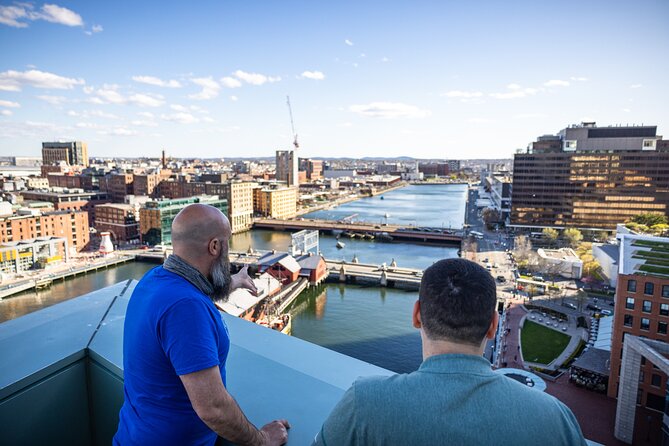
- Harborwalk + Fort Point Channel walking stops connect old maritime life to the modern Seaport
- Small group size (up to 12) makes it easier to ask questions and stay together
- Year-round in rain or shine helps you avoid the weather roulette
- No substitutions for shellfish allergy keeps the food plan simple (and strict)
South Boston Maritime Park and Harborwalk: warming up by the working harbor
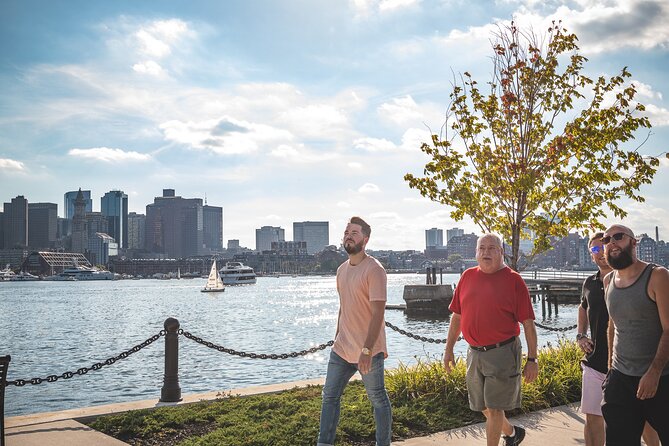
Your tour starts near South Boston Maritime Park, right in the orbit of Boston’s seafood world. Even before you hit the pier, you get the right vibe: this isn’t just scenery. It’s the edge of an industry that still matters here.
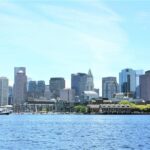
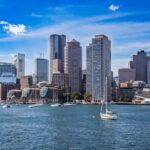
From there, you head onto the Harborwalk, the scenic path that links neighborhoods along Boston Harbor. This stop is short, but it’s a smart way to get your bearings quickly. You’ll get views over the water and a better mental map of how Seaport fits into the bigger harbor story.
Why this works for you: Harborwalk is the transition zone between postcard Boston and working Boston. You’ll understand what you’re seeing later at the Fish Pier instead of just taking photos and hoping it all clicks.
Possible drawback: Since you’re starting right away, wear comfortable shoes. There’s no long settling-in period.
You can also read our reviews of more historical tours in Boston
Boston Fish Pier: getting the rare peek at an always-on operation
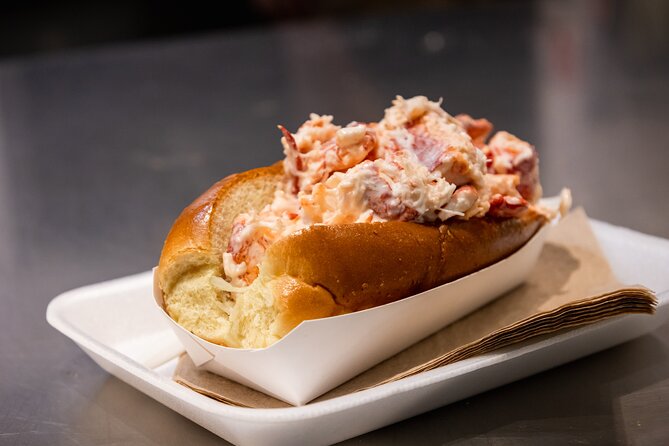
This is the main event. You get an exclusive look at the Boston Fish Pier, described as the oldest continuously operating fish pier in America. It’s the kind of stop where you can almost hear the place humming even if you don’t know a thing about seafood logistics yet.
You’ll also get stories and perspective on how Boston turned its harbor into a cleaner, thriving ecosystem, and how locals are reshaping an industry that’s been around for centuries. The best guides make this part feel like a live lesson, not a lecture—pointing out details and translating what the working pier actually does.
What you’ll likely notice: activity levels, the flow of work, and how the food you’re about to taste connects to real catch-and-processing realities. And yes, you’ll still be thinking about that lobster roll during the walk out.
Time check: you’ll spend about 30 minutes here, including the behind-the-scenes viewing and guide storytelling.
A practical tip: If you’re sensitive to standing/walking, plan to take brief moments to regroup. The pier area can have uneven footing and typical waterfront movement.
Seaport Square and South Boston Waterfront: the tastings that add up to a full meal
After the pier, you’ll move through the Seaport area. Seaport Square is mostly a pass-by stop, but it helps frame the contrast: modern waterfront development alongside the older working patterns that still feed Boston.
Then comes the part most people buy the ticket for: the South Boston Waterfront food section. You’ll visit iconic family businesses and eat multiple seafood samples, guided by your host who also shares maritime tales tied to Boston’s 400-year relationship with the sea.
Seafood samples you may taste can include:
- lobster roll
- New England clam chowder
- Atlantic bluefin tuna hand rolls
- stuffed clams
- quahogs
- fresh raw oysters
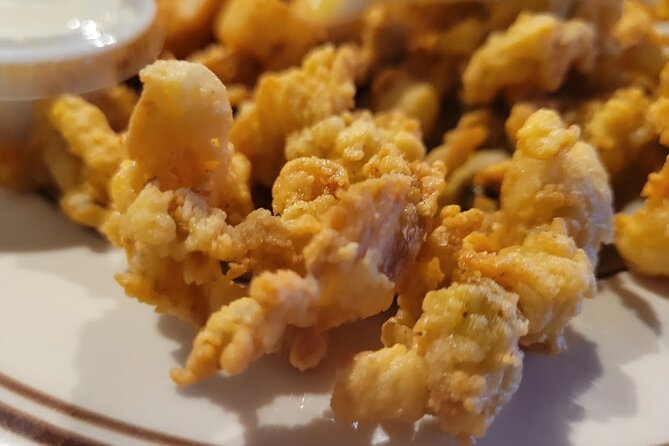
- stuffed scallops or fried clams (season-dependent)
The tour is designed so those tastings “together equal a full meal.” In practice, that means several small portions across multiple stops, not one giant plate of lobster.
What I like about this structure: you get variety without committing to one expensive item. And because it’s multiple stops, you’re sampling different styles—hot and creamy (chowder), butter-and-toast comfort (lobster roll), and briny bites (oysters or quahogs) depending on the day.
The one mismatch to watch: some people expect “food tour” to mean big portions. A couple of experiences described smaller sample sizes, which can feel stingy if you’re comparing to a restaurant-sized meal. If you want to be comfortably full, I suggest going in hungry and being ready to buy extra food later if you’re still craving more.
Drinks note: drinks and additional food aren’t included, so plan on water on your own if you want it.
Fort Point Channel: turning waterfront views into seafaring stories
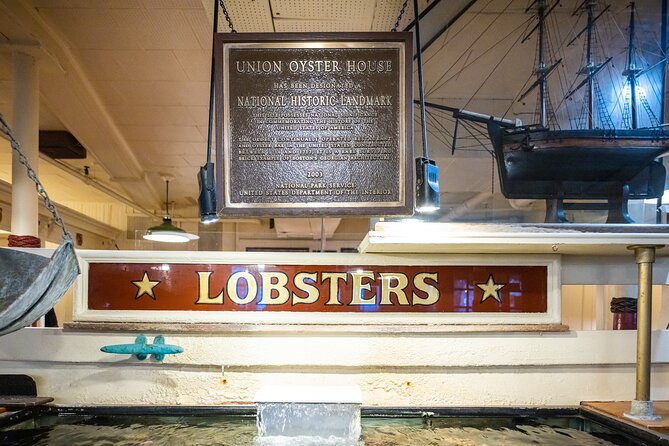
Next you’ll pass Fort Point Channel, the waterway that connects Seaport to downtown. This is one of those stretches that feels almost too scenic for history lessons—until your guide puts the story back into motion.
You’ll learn more about Boston’s seafaring history as you cross from one perspective to another. It’s also a nice photo moment because you’re not just staring at buildings—you’re looking at the water route that shaped the city’s trade.
Why I think this is valuable: it helps the tour feel like a single narrative. You’re not only eating seafood; you’re learning why Boston became a seafood city in the first place and how the harbor continues to evolve.
Time: about 15 minutes. Short enough to stay lively, long enough to count as a real stop.
Rose Fitzgerald Kennedy Greenway: where the guide sends you for round two
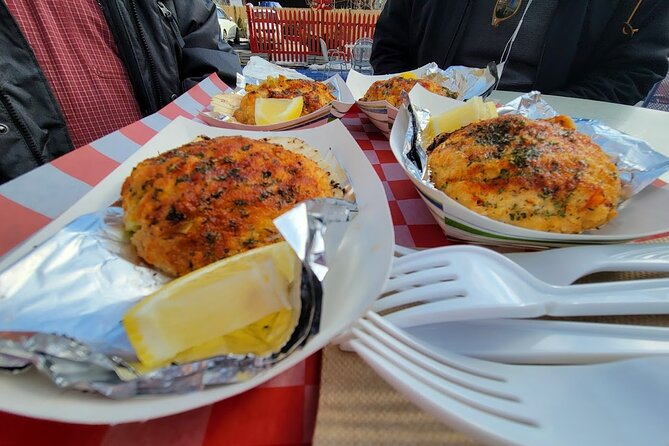
You finish at Rose Kennedy Greenway near restaurants and parks. This ending spot makes sense. You’ve just spent time around the harbor and historic fishing, and now you’re placed right where you can keep eating or take an easy stroll.
Your guide will offer recommendations for what else to see and do in Boston. In a city with too many options, that kind of “what should I do next” guidance is often the difference between a good day and a great one.
Practical angle: the finish point is closer to public transportation, so you can roll straight into dinner plans without stress.


Price and value: what $80.60 buys you in Boston seafood education
At $80.60 per person for about 2 hours 30 minutes, this isn’t the cheapest walking food tour you’ll find in Boston. It can still feel like a strong value because you’re paying for three things at once:
1) Food that’s meant to total a full meal through multiple seafood samples
2) Exclusive access to the working Boston Fish Pier area
3) Local guide storytelling, including how sustainability and modern practices are changing the industry
What you’re not getting: drinks, and any extra food beyond the tasting portion. And tips/gratuities aren’t included either.
My take on value: if you want a memorable mix of seafood and maritime context, plus pier access you wouldn’t get on your own, the ticket price starts to make sense fast. If your idea of “food tour” is big portions plus drinks, you may feel underwhelmed unless you plan to top up at the end.
Sustainability and the “400-year industry” angle you’ll actually use
This tour doesn’t stop at tasting and photos. You’ll learn about responsible or sustainable seafood practices and what Boston is doing to keep its harbor and seafood ecosystem healthier over time.
The “400-year-old industry” framing matters because it forces you to think beyond nostalgia. Boston’s seafood culture isn’t frozen in time. People here are adapting how they do business, and your guide connects those changes to the harbor’s health and to what gets served today.
What you can do with this later: take the real-world concept of responsible sourcing and apply it when you’re ordering at restaurants. Even if you never become a seafood expert, you’ll know better what questions to ask.
Best fit: seafood lovers, families, and people who enjoy a relaxed walk
This tour is suitable for many ages and fitness levels. You’ll cover about 3.2 km (2 miles) on foot with plenty of stops, and the pace is relaxed.
It’s also child-friendly. Kids under 4 can join free, and there’s a reduced child price for ages 4 to 11. If your family can handle a couple of hours of walking plus food sampling, it’s a fun, hands-on way to see Boston.
Small group size matters here: max 12 travelers means more personal attention and fewer awkward moments.
Service animals are allowed, and the tour runs near public transportation, which helps if you’re planning the day around transit.
Heads-up: allergies, weather, and timing expectations
This tour runs year-round in rain or shine, so you don’t have to wait for perfect weather. In extreme conditions, the tour may be postponed or canceled for safety.
Now, the big practical warning: it’s not suitable for shellfish allergies, and substitutions aren’t offered. If you have any shellfish allergy, I’d treat this as a hard no.
For other food allergies or dietary requirements, you’re asked to inform the operator at least 24 hours prior. They’ll do their best, but you shouldn’t assume they can guarantee safe swaps without notice.
Timing can also be a factor. Some people may experience the tour finishing earlier depending on pace and how the stops run. So I recommend you keep the rest of your day flexible rather than scheduling a tight next reservation.
Should you book the Boston Seafood Tour?
I think you should book if you want:
- a hands-on way to see the working Boston Fish Pier, not just look at it from outside
- seafood tastings that aim for a full meal (lobster roll and clam chowder are common anchors)
- a guide who connects food, history, and the harbor’s present-day reality
- a small-group walking format that stays fun and not too formal
Skip it if:
- you have a shellfish allergy (no substitutions)
- you expect a restaurant-sized meal plus included drinks
- you hate walking around the Seaport area (it’s about 2 miles total)
If you do go, show up hungry, wear comfy shoes, and come ready to ask questions. The best tours are the ones where you lean in, and this one gives you plenty to work with.
FAQ
How long is the Boston Seafood Tour?
The tour lasts about 2 hours 30 minutes.
Where does the tour start and end?
It starts at South Boston Maritime Park (600 D St, Boston, MA 02210) and ends at Rose Kennedy Greenway (Atlantic Ave, Boston, MA 02109).
How much does it cost?
The price is $80.60 per person.
Is the tour offered in English?
Yes, the tour is offered in English.
What seafood will I taste?
The tour includes a variety of seafood samples that together equal a full meal. Samples may include lobster roll, New England clam chowder, Atlantic bluefin tuna hand rolls, stuffed clams, quahogs, or fresh raw oysters, depending on season and availability.
Will there be enough food on this tour?
Yes. The tastings are designed so the total amount of food adds up to a full meal.
Are there dietary restrictions or allergies I should know about?
This tour is centered on shellfish and is not suitable for guests with a shellfish allergy because substitutions can’t be provided. For other allergies or dietary requirements, you should inform the operator at least 24 hours prior to departure.
Is this tour child-friendly?
Yes. Children under 4 can join free of charge, and there’s a reduced child price for children aged 4 to 11.
Does the tour run in bad weather?
It operates year-round and runs rain or shine. If extreme weather creates a safety risk, the tour may be postponed or canceled.
How big is the group?
The maximum group size is 12 travelers.