REVIEW · FREEDOM TRAIL TOURS
Boston History and Freedom Trail Private Walking Tour
Book on Viator →Operated by WeVenture · Bookable on Viator
Boston’s Freedom Trail is basically a history syllabus you can walk. This private-style guided walk ties together colonial-era chaos, famous names, and real street-level details, with a small group size so you can ask questions without shouting. I like that it starts downtown and finishes near the Boston Public Garden, so you can keep your afternoon rolling.
Two things I’d highlight: first, the guide-led flow through the big hitters like the Granary Burying Ground and Old North Church; second, the chance to steer the pace and focus. In the best guide moments, I’ve seen Alan, Allison, Lexie, and Molly Mitchell praised for being engaging and for tailoring the walk to what matters most to the group.
One thing to consider: the itinerary covers a lot of ground in about 2 to 4 hours, so comfy shoes are non-negotiable, and you may not hit every single potential stop depending on timing and conditions.
In This Review
- Key highlights worth your attention
- Start at 191 Atlantic Ave, end near Boston Public Garden
- How the Freedom Trail story actually clicks in this format
- Beacon Hill brick streets: setting the scene in one glance
- Granary Burying Ground: where famous founders rest
- North End highlights: Paul Revere’s home and Old North Church
- Faneuil Hall Marketplace: speeches, markets, and the Tea Party lead-in
- Massachusetts State House dome: the view connects past to present
- Downtown anchor: Old State House and the Boston Massacre
- Where Bunker Hill fits (and why it’s included)
- Pacing, timing, and why the guide name matters
- Price and value for $245 per group up to 12
- What to expect on the ground (and what to bring)
- Who this Freedom Trail tour is best for
- Should you book this Boston Freedom Trail walk?
- FAQ
- How long is the Boston History and Freedom Trail private walking tour?
- Where does the tour start?
- Where does the tour end?
- What major sites are included on the tour?
- Is it a private tour?
- Do I need to bring tickets?
- Are service animals allowed?
Key highlights worth your attention

- Small-group feel: private tour for your group up to 12, so it’s not a mob march.
- Named stops with big impact: Granary Burying Ground, Old North Church, and the Old State House are central anchors.
- Freedom Trail markers with context: you get the story behind why each site mattered, not just the postcard view.
- Blend of old and new Boston: State House dome views connect past politics to modern skyline landmarks.
- Guides that adjust: several guides (like Alan, Lexie, and Molly Mitchell) are noted for adapting to interest and keeping it fun.
- Finishes in a convenient place: ending near Boston Public Garden helps you avoid “what now?” stress.
Start at 191 Atlantic Ave, end near Boston Public Garden
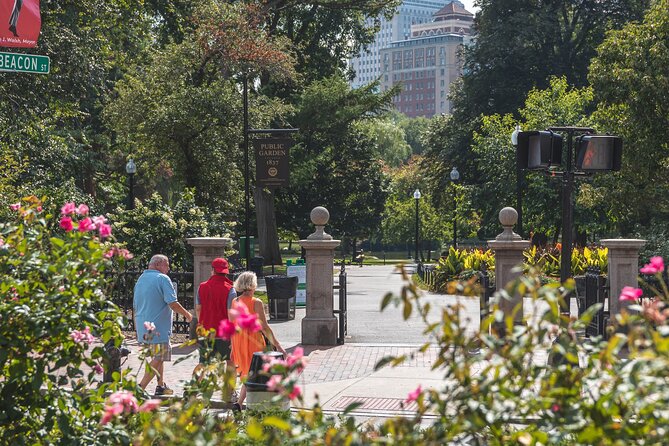
The tour meets at 191 Atlantic Ave, Boston (start time listed as 1:00 pm) and ends somewhere in the city near the Boston Public Garden area. That matters more than it sounds. Downtown Boston is dense, and finishing in a green, pedestrian-friendly pocket gives you a clean landing spot for an early dinner, a stroll, or just catching your breath.
Because it’s a walking tour, you should plan for pavement time and frequent looking up. The Freedom Trail route runs through several distinct neighborhoods, so you’ll be switching mental gears as you go from graves and churches to meeting halls and civic buildings.
You can also read our reviews of more walking tours in Boston

How the Freedom Trail story actually clicks in this format
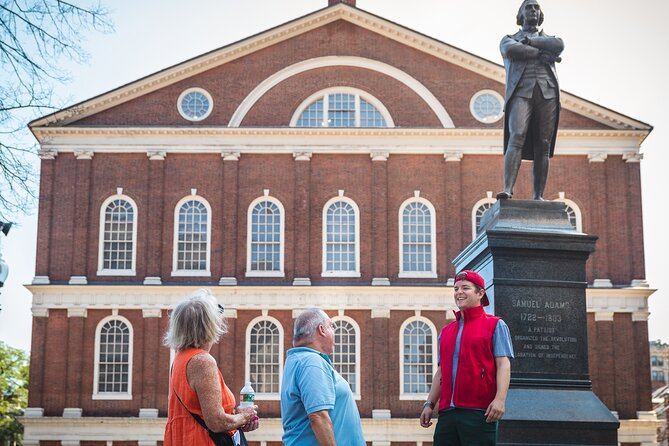
The best way to understand the Freedom Trail is to see it as a chain reaction: political decisions, protest, public fear, then the next round of action. This tour keeps that cause-and-effect energy moving by guiding you from one meaningful marker to the next.
You’ll also notice a pattern in the way the stops are framed:
- A site gives you a person, an idea, or a turning point.
- The guide connects it to what was happening in the city at that moment.
- You walk onward with that new context, so the next stop lands faster.
That’s one reason this works well for first-timers. You don’t need to be a Revolutionary War expert. You just need to be ready to hear how Boston’s streets became part of the fight for independence.
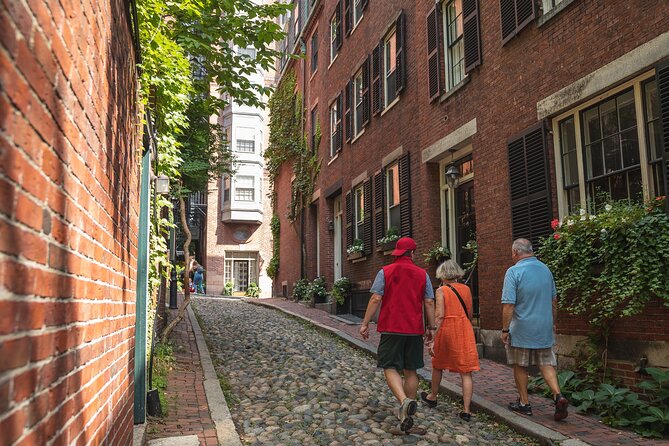
Beacon Hill brick streets: setting the scene in one glance
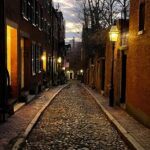
One of the early stops takes you through one of Boston’s most recognizable neighborhoods, known here for its red-brick roads and classic streetscape. Even if you only catch it for a short stretch, it helps you understand what makes Boston feel so “old-city” without being frozen in time.
A practical bonus: neighborhood streets like this make the walking part easier. When the setting is pretty and historic at the same time, you’re less likely to feel like you’re just trudging between monuments.
Granary Burying Ground: where famous founders rest
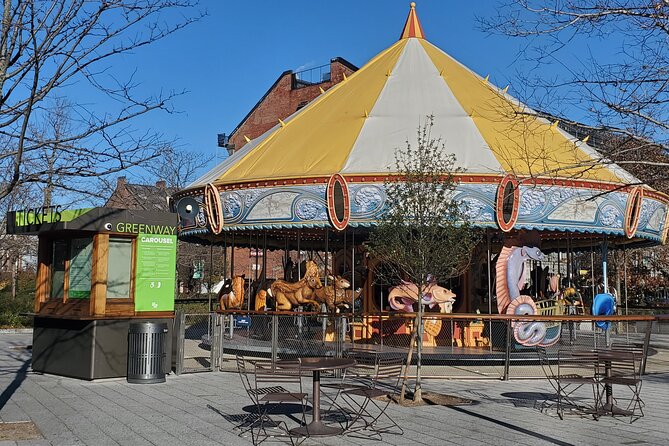
Next comes Granary Burying Ground, with roots going back to 1660. This is one of the most powerful stops on the walk because it’s not a reenactment setup or a single statue. It’s a real cemetery that anchors the stories to people’s lives and legacies.
The tour highlights final resting places of major Revolutionary figures, including John Hancock, Paul Revere, and Sam Adams. For me, the value here is how it reframes the war from an abstract headline into individual names you can mentally connect to specific moments later on the trail.
This is also a great time to ask questions, because the guide can tie the cemetery’s location and era into why certain leaders became symbols.
North End highlights: Paul Revere’s home and Old North Church
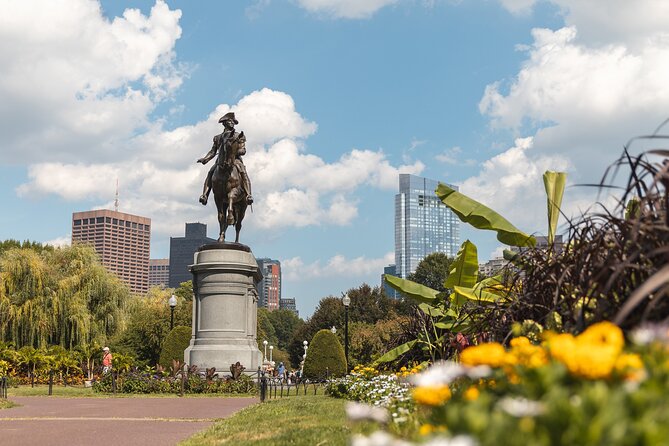
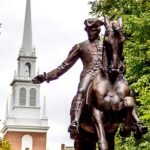
The North End stretch is where Boston turns into a mix of history and daily life. You’ll pass by sites tied to Revolutionary stories, including Paul Revere’s home and Old North Church.
Old North Church is described as the oldest standing church building in Boston (built in 1723) and it’s part of the Freedom Trail story leading up to the American Revolution. This stop tends to land well because it’s both specific and dramatic—church history connects to communication, planning, and the risk people took.
From a practical standpoint, the North End is also where you’ll feel the city’s modern rhythm. Even if you don’t stop for food, the neighborhood vibe makes the past feel closer to the present instead of stuck behind museum glass.
You can also read our reviews of more private tours in Boston


Faneuil Hall Marketplace: speeches, markets, and the Tea Party lead-in
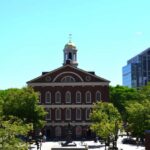
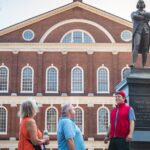
The tour moves to a landmark originally built as a public market house and assembly room, later famous for major speeches and now filled with shops and food stands (and some chain stores mixed in). This kind of place is vital on the Freedom Trail because it shows that politics didn’t happen in a vacuum. It happened where people lived, traded, and listened.
Then the walk points you toward the Boston Tea Party origin story, described here as happening in 1773 and tied to a church building being the largest structure in the city that night. That detail matters: scale changes how you imagine the event—who was watching, where tensions gathered, and how fast news would spread.
If you like history that feels social rather than purely military, you’ll probably enjoy this segment the most.
Massachusetts State House dome: the view connects past to present
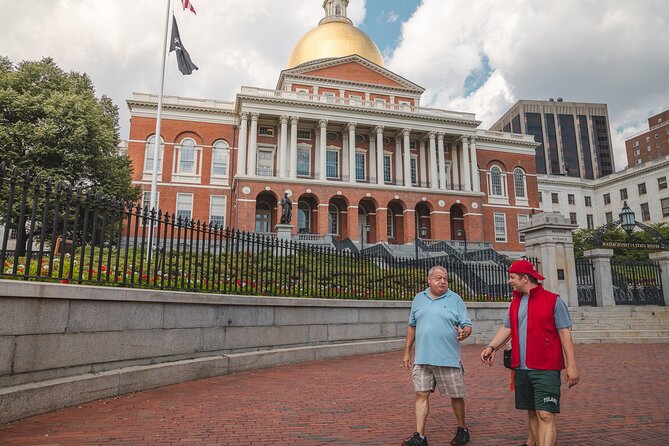
One of the most visually rewarding stops is the Massachusetts State House, including its glittering dome and design by federalist architect Charles Bulfinch (built in 1798).
What you’re really getting here is a bridge between eras. You look at a historic building, then the guide points out modern Boston around it, including the downtown and Financial District skyline. The tour also mentions views including the John Hancock Tower, described as the tallest building in New England.
This is a good place to slow down and absorb. The architecture gives you the “power center” feeling, while the skyline shows how Boston grew outward from those civic ideas.
Downtown anchor: Old State House and the Boston Massacre
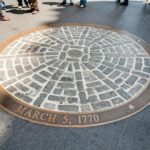
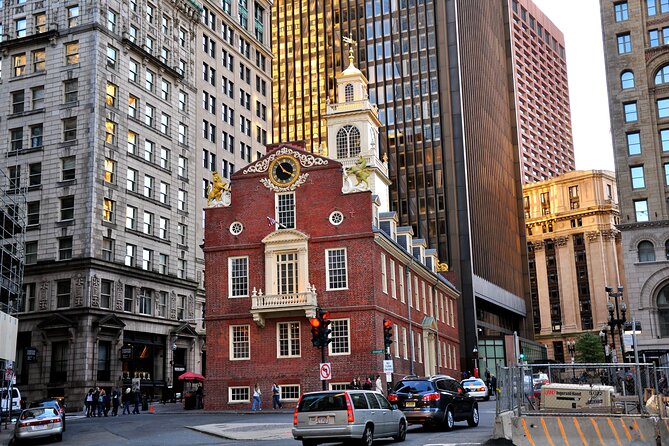
In the downtown core, you’ll stop at the Old State House, framed as one of the most iconic and oldest public buildings in the country. It’s also connected to the Boston Massacre, and the guide explains why that location still matters today.
This stop works because it ties a single event to a specific public space. You’re not just hearing what happened—you’re walking near where the drama played out and seeing how the city organized itself around power.
It’s also a solid mid-to-late tour moment. By this point, you’ve already built context from earlier sites, so the Massacre story can hit with more meaning.
Where Bunker Hill fits (and why it’s included)
The tour includes the Battle of Bunker Hill as part of the broader Freedom Trail coverage. Even though the detailed stop list you were given focuses on other landmarks, the key point for you is that the guide’s job is to keep the storyline connected across multiple events.
Bunker Hill is where the “independence struggle” starts to feel less like a debate and more like a real contest. Having it included helps prevent the trail from feeling like it’s only about famous speeches and famous names.
Pacing, timing, and why the guide name matters
Duration is listed at 2 to 4 hours, which is a wide range. In practice, that means the guide’s pacing matters a lot. The best experiences described in the reviews praise guides who:
- kept a comfortable pace
- answered questions without turning the walk into an info dump
- adjusted to what the group found most interesting
You’ll see guide names popping up for positive reasons. Alan is repeatedly described as personable and engaging, and as someone who adjusted based on what the group wanted to focus on. Allison is praised for turning history into something fun. Lexie and Molly Mitchell are noted for being especially strong with explanations and making the walk feel organized. Trey Petrella is mentioned for passionate, organized commentary. Michael and Dillion also get strong credit for energy and humor.
Even if you don’t care about individual personalities, this matters because Freedom Trail tours can range from brisk to too lecture-heavy. Here, the guide quality is a major part of the value.
Price and value for $245 per group up to 12
The price is $245 per group (up to 12). That’s not a “per person” number you can compare directly to every Boston tour, because group-size changes the math fast.
Here’s how I’d judge value with the details you do have:
- You’re paying for a guide-led walk across multiple major markers (not just a single attraction).
- Key events and sites are included: Boston Massacre, Boston Tea Party, and Battle of Bunker Hill.
- It’s a private tour for your group only, so you don’t lose your ability to ask questions to crowd noise.
- You get city views, neighborhood texture, and a finish near Boston Public Garden, which can save you time and hassle afterward.
If you’re traveling as a family or a small group, the private format is what makes this feel reasonable. If you’re solo, it can still be a good deal if you want a smaller, more question-friendly experience rather than merging into a large bus-to-walking crowd.
What to expect on the ground (and what to bring)
You’ll be doing a steady walking circuit through downtown and surrounding neighborhoods, mixing historic buildings with street-level context. The tour includes a mobile ticket, and service animals are allowed. The listing also says it’s near public transportation, which is helpful if you’re arriving by subway or bus.
Bring comfortable walking shoes. The “2 to 4 hours” label is short enough that it’s usually manageable, but only if your feet agree with you.
Also, since not all listed locations are guaranteed stops, keep expectations flexible. A strong guide can still make the route feel complete even when timing changes.
Who this Freedom Trail tour is best for
This tour fits well if you:
- want the Freedom Trail with less crowd pressure
- like the Revolutionary War story connected to real places
- enjoy asking questions and getting answers in real time
- would rather end near Boston Public Garden and keep exploring
It may feel less ideal if you only want one or two “must-see” photos and hate walking. This is built for people who enjoy a guided walk and small-group chat.
Should you book this Boston Freedom Trail walk?
If you want a practical introduction to Boston’s Revolutionary-era landmarks, I’d say it’s a strong booking choice—especially because you’re paying for a guided small-group flow that hits major markers like Granary Burying Ground, Old North Church, and the Old State House.
Book it if:
- you’ll be traveling with a group (so the $245 per group makes sense)
- you care about context, not just checkmarks
- you want a finish near Boston Public Garden
Skip or rethink it if:
- you’re extremely tight on mobility or hate extended walking
- you’re only interested in a tiny subset of sites and don’t want a guided route
FAQ
How long is the Boston History and Freedom Trail private walking tour?
The tour duration is listed as about 2 to 4 hours.
Where does the tour start?
The start meeting point is 191 Atlantic Ave, Boston, MA 02111.
Where does the tour end?
The tour ends in Boston, near the Boston Public Garden area.
What major sites are included on the tour?
The tour includes visits connected to the Boston Massacre, the Boston Tea Party, and the Battle of Bunker Hill, along with stops like Granary Burying Ground, Paul Revere’s home, and Old North Church.
Is it a private tour?
Yes. It’s a private tour/activity, and only your group participates. Up to 12 people are included in the group size.
Do I need to bring tickets?
You’ll have a mobile ticket.
Are service animals allowed?
Yes, service animals are allowed.