REVIEW · BEACON HILL TOURS
Boston: Underground Railroad History Tour of Beacon Hill
Book on GetYourGuide →Operated by Hub Town Tours · Bookable on GetYourGuide
Boston Common feels like the start of everything in Boston. This tour uses that same focus to guide you through Beacon Hill and the Black Heritage Trail, with an anti-slavery story you rarely hear told so clearly. It’s built around the three decades leading to the U.S. Civil War, moving block by block through places where both Black and white Bostonians argued, organized, studied, and resisted.
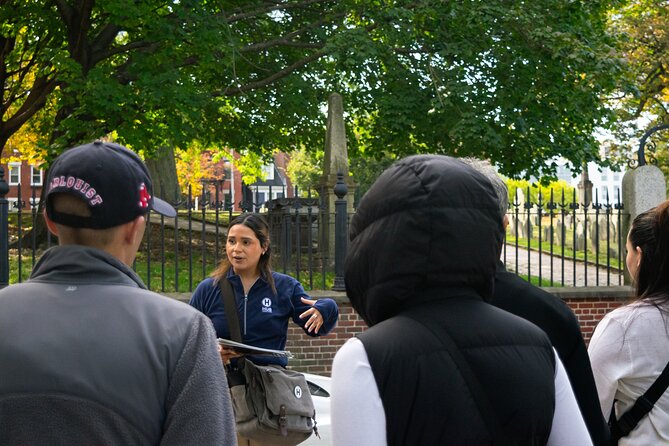
I especially love the way the tour keeps a small-group pace—so you can actually see what’s in front of you, without getting swallowed by crowds. I also like that you’ll hit major landmarks like the African Meeting House while still spending real time on the quieter residential sites tied to the Underground Railroad.
One consideration: this is a fully outdoor walking route with steep hills and non-ADA-compliant sidewalks, and it’s not a good fit if your mobility or fitness level is limited.
In This Review
- Key highlights at a glance
- From Boston Common to Beacon Hill’s Underground Railroad trail
- The small-group walking pace that actually lets you look
- How the guide maps the lead-up to the Civil War
- Walking the itinerary: what each stop adds to the story
- Boston Common’s Civil War shadow
- Mount Vernon Street and Acorn Street: charm with context
- Louisburg Square and Phillips School
- John J Smith House and meeting houses that mattered
- Lewis and Harriet Hayden House and the Underground Railroad lens
- Pass-bys: Vilna Shul, Otis House Museum, and Old West Church
- Charles Sumner House, Smith Court Residences, and Abiel Smith School
- The African Meeting House break that feels like the point
- George Middleton House and the closing Civil War memorial
- Why the story feels different from a typical history tour
- Value and price: is $35 worth it?
- Practical tips so your walk goes smoothly
- Should you book the Underground Railroad History Tour of Beacon Hill?
- FAQ
- Where does the tour start?
- How long is the walking tour?
- How far do you walk?
- What’s included in the price?
- Is the tour indoors or outdoors?
- Is admission to museums included?
- What should I bring?
- Are video recordings allowed?
- Is it suitable for young children or wheelchair users?
Key highlights at a glance

- Starts at Soldiers and Sailors Monument on Boston Common, then immediately follows the Black Heritage Trail theme.
- Beacon Hill narrow streets, smart timing, and a small-group format that avoids clogged sidewalks.
- African Meeting House gets a full guided visit plus a break.
- You’ll see Underground Railroad–era homes and learn the context behind the arguments over slavery and equality.
- The tour ends at the Shaw and the 54th Regiment Memorial, bringing the Civil War thread to a powerful close.
From Boston Common to Beacon Hill’s Underground Railroad trail
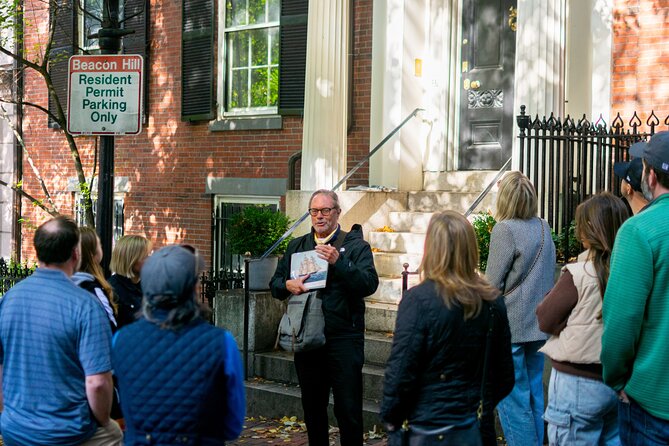
If you only know Beacon Hill from postcard streets and pricey brick rowhouses, this tour adds another layer fast. You start at the Soldiers and Sailors Monument in the middle of Boston Common—steps from the Boston Common Visitors Center at 139 Tremont Street (look for the white granite column topped by a female figure holding a flag, with four bronze statues around the base). From there, the guide threads you into the Black Heritage Trail story, which begins right here.
What makes this route feel satisfying is that it’s not just about naming places. You get the sense of how ideas traveled in 19th-century Boston—through meetings, schools, political pressure, and day-to-day community choices. And you get the contrast: wealthy Boston is nearby, but so is a free Black community working within tight limits and pushing for equality anyway.
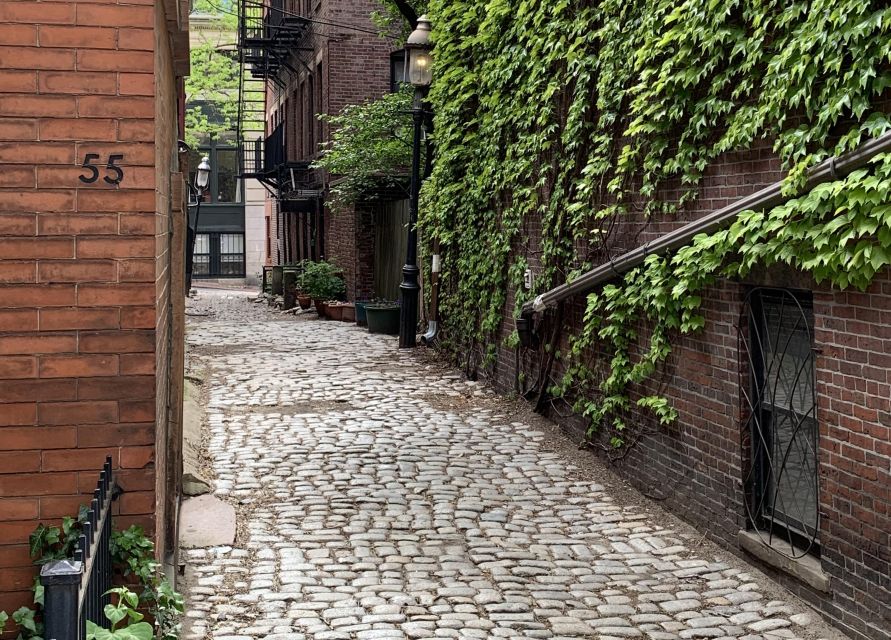
You’ll walk narrow lanes and tighter corners than most visitors expect. That matters, because it changes how you experience the city—slower, more observant, and less like you’re speed-walking through a museum.
You can also read our reviews of more historical tours in Boston


The small-group walking pace that actually lets you look

This tour runs about 2.5 hours and covers roughly 2 miles (3.2 km). The schedule is broken into short guided stops and passes—so you spend time where it counts and don’t get stuck listening while standing in the wrong spot.
I like that it avoids the typical Boston problem: big crowds and congested sidewalks that force everyone to shuffle forward without seeing details. Even though the day is still outdoors rain or shine, the pacing feels built for reality—your feet will know it’s a walking tour, but your brain won’t be overloaded.
Also note the no-fluff policy on tech: video recording isn’t allowed, and luggage or large bags are not permitted. That’s usually a good thing on a tour like this because it keeps the walk from turning into a rolling storage unit.
How the guide maps the lead-up to the Civil War
The story isn’t told like a single event. Instead, you cover the rough middle decades—the back-and-forth that slowly sharpened the national conflict over slavery until the Civil War became inevitable.
On this walk, you’ll hear about the struggle for equality in education and the debates around racial integration. You’ll also hear how anti-slavery politics grew in Boston, not as a distant idea but as something people argued about in their neighborhoods and workplaces. The guide links those themes to the physical places you see—so the streets start to function like a timeline.
One reason this works: Beacon Hill is compact. As you move from one landmark to another, you can feel how close different lives were—free Black communities living within a few blocks of the city’s wealthiest addresses, in a time when that proximity didn’t mean safety or fairness.
Walking the itinerary: what each stop adds to the story
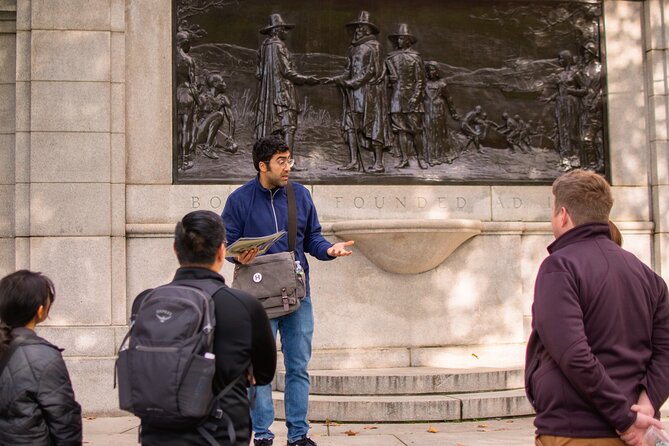
Boston Common’s Civil War shadow
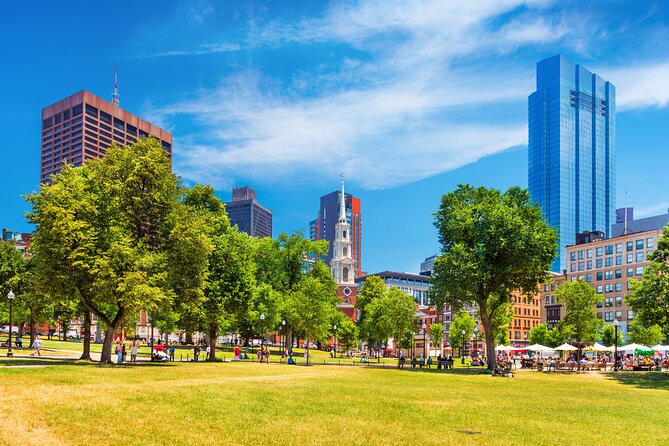
You begin at the Soldiers and Sailors Monument, then step into Boston Common with a short guided orientation (about 10 minutes). Even if you’re not a big “monument person,” it sets the tone—this is where the tour’s themes anchor: the lead-up to the Civil War and the people who fought, organized, and resisted.






Mount Vernon Street and Acorn Street: charm with context
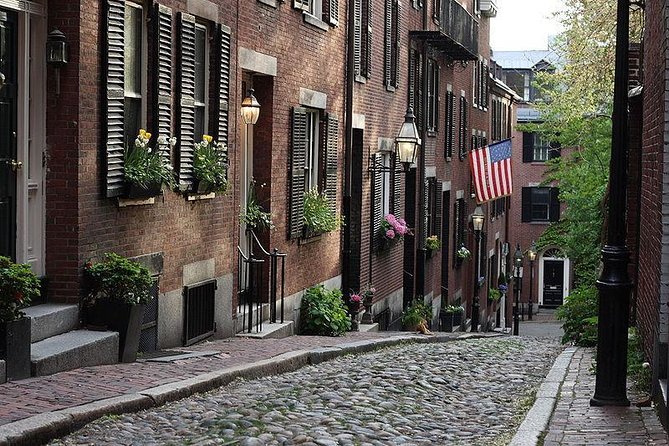
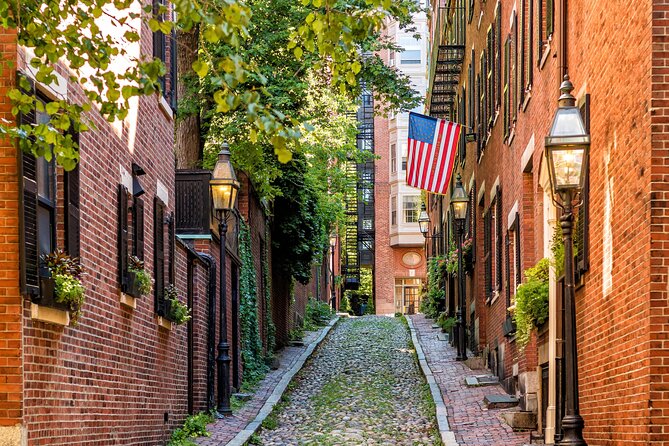
Next come quick passes and short stops on Mount Vernon Street and then Acorn Street. Both are famous for their looks, but the point here isn’t postcard scenery. The guide uses the streetscape as a way to talk about who lived nearby and what shaped daily life in 19th-century Boston—especially when anti-slavery activism and racial inequality were pushing against each other in public and private.
Louisburg Square and Phillips School
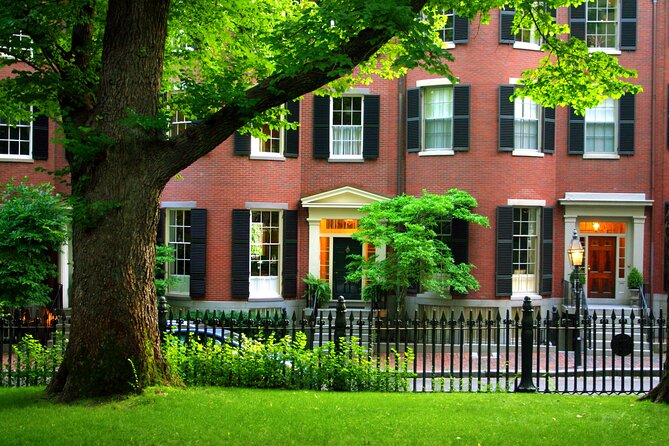
At Louisburg Square (around 10 minutes), you slow down enough to notice the scale and the residential feel. Then you move to Phillips School (about 15 minutes). This is where the education theme turns practical: you’re learning about struggles over schooling and access, but you’re not just hearing concepts. You’re standing in the neighborhood where those issues mattered to real families.
John J Smith House and meeting houses that mattered
You’ll visit the John J Smith House and then head to Charles Street Meeting House (about 15 minutes). Meeting houses like this were central to moral arguments, community decisions, and organized responses to national crises. On this tour, that connection becomes clear: religious space and political action weren’t separate things.
Then you’ll walk Charles Street (time varies by how the guide handles the flow), before moving to the Lewis and Harriet Hayden House (about 15 minutes). Houses on this route are treated like evidence—quiet proof of who lived here and how networks helped people survive a violent, illegal system.
Lewis and Harriet Hayden House and the Underground Railroad lens
The Underground Railroad isn’t presented as a vague legend. You’ll see homes tied to that era’s routes and hear the overlooked story threads that explain how people supported escape and resistance. This is the section where the tour title starts making sense: you’re walking the Black Heritage Trail with the Underground Railroad story as a guiding thread, not as an afterthought.
Pass-bys: Vilna Shul, Otis House Museum, and Old West Church
You’ll pass the Vilna Shul and then go by Otis House Museum and Old West Church. These are quick, but they help widen your view. Even when you’re not stopping, the guide’s direction keeps you from turning the walk into random “look at that building” sightseeing.
Charles Sumner House, Smith Court Residences, and Abiel Smith School
Charles Sumner House (about 15 minutes) brings you into the anti-slavery political story. Sumner’s name is often associated with national action, but this tour frames why political pressure and local organizing mattered in Boston’s streets and institutions.
After that you’ll see Smith Court Residences, then move to the Abiel Smith School (guided, about 15 minutes). Again, education comes back—because this wasn’t just about laws and headlines. It was about classrooms, access, and who got to learn under fair conditions.
The African Meeting House break that feels like the point
This is one of the tour’s core moments: the African Meeting House. You’ll get a break time (about 20 minutes total here, including a guided visit). This matters because you’ll likely want a breather, and it’s also the place where the story feels grounded—less abstract than national politics, more about community presence and survival.
Even if you’ve visited other historic sites, the guide’s focus helps you read the building as part of a larger network: organized community life, faith, and the long fight for equal standing.
George Middleton House and the closing Civil War memorial
After the meeting house, you’ll move to the George Middleton House (about 15 minutes). Then the tour brings you toward the end with scenic views on the way at Park Street Church, plus a pass by the Massachusetts State House (time indicated as about 15 minutes).
Finally, you end with the guided visit to the Shaw and the 54th Regiment Memorial (about 20 minutes). It’s more than a statue stop. The guide’s framing connects the earlier decades of struggle to what happens later when the nation’s conflict fully erupts. Your walk closes right where it began in theme, but in a more concrete way: the Civil War era made visible.
Why the story feels different from a typical history tour
A regular “historic Boston” walk can turn into architecture and dates. This one keeps returning to choices and conflict. You hear about the lead-up to the Civil War, but you’re taught to see how racial slavery and the fight over equality shaped almost everything—from education debates to political organizing.
That makes the Underground Railroad component feel more real. It’s not only about routes. It’s about the people willing to help, the communities that formed support systems, and the constant pressure of a country moving toward rupture.
You also get a useful contrast between a wealthy and famous Boston and the free Black community that lived mere blocks away. That proximity is part of the lesson. It forces you to notice how unfairness can exist right alongside privilege.
Value and price: is $35 worth it?
At $35 per person for about 2.5 hours, this is priced like a serious guided walk—not an entry-ticket “museum tour” where you mostly stand in line. You’re getting a local historian & expert guide plus the Black Heritage Trail coverage of 10 landmarks in one outing.
The best way to think about value here: you’re paying for interpretation. The tour is built to connect places to themes like education, integration debates, anti-slavery activism, and the Underground Railroad network. If you try to stitch that together alone, you’ll likely miss the through-lines—or spend hours researching which stops actually matter. Here, it’s handled for you, on foot, in the right order.
One small drawback on value: admission to museums isn’t included. That’s fine since parts of the tour are visits and guided stops, but if you were hoping the money would cover inside ticketed museum time, plan on bringing your own interest and checking site rules separately.
Practical tips so your walk goes smoothly
Here’s what will make your experience feel easier:
- Wear comfortable shoes. You’ll cover about 2 miles on mixed city sidewalks, plus some steep hills.
- Dress for weather. The tour runs rain or shine and is fully outdoors.
- Plan around bags. Luggage or large bags aren’t allowed, and video recording isn’t allowed either.
- Bring a little patience for tight spacing. Beacon Hill streets are narrow. Even with a small-group format, you’ll be close to your group—so stay aware of your footing.
One fit note: this tour isn’t suitable for children under 6, and it’s not geared for wheelchair users or people with mobility impairments. If you know you struggle with uneven sidewalks or steep hills, skip this one and look for a seated or fully ADA-friendly alternative.
Should you book the Underground Railroad History Tour of Beacon Hill?
Book it if you want Boston history with a sharper edge—storytelling tied to real addresses, not just broad background. You’ll like it if you enjoy walking in compact neighborhoods, reading buildings as evidence, and learning how the Black Heritage Trail connects to the Underground Railroad and the anti-slavery movement.
Skip it if you’re mainly after museum time or you can’t manage steady outdoor walking on steep, non-ADA sidewalks. And if you’re expecting a relaxed, purely scenic stroll, this tour leans firmly into the hard parts of the story.
If you want a thoughtful, practical way to understand how Beacon Hill sits inside the Civil War lead-up, this $35, 2.5-hour small-group format is a solid choice.
FAQ
Where does the tour start?
The tour meets at the Soldiers and Sailors Monument in the center of Boston Common, steps from the Boston Common Visitors Center at 139 Tremont Street (02108).
How long is the walking tour?
It lasts about 2.5 hours. The total time can vary, but it won’t be more than 3.0 hours.
How far do you walk?
The walking route is approximately 2.0 miles (3.2 km).
What’s included in the price?
The tour includes the Black Heritage Trail (10 landmarks) and a local historian/expert guide, plus time walking through the Beacon Hill neighborhood.
Is the tour indoors or outdoors?
It is entirely outdoors and operates rain or shine.
Is admission to museums included?
No. Admission inside museums is not included.
What should I bring?
Bring comfortable shoes and weather-appropriate clothing.
Are video recordings allowed?
No, video recording is not allowed.
Is it suitable for young children or wheelchair users?
It’s not suitable for children under 6 years old, and it’s not suitable for wheelchair users or people with mobility impairments.