REVIEW · MUSEUM & ATTRACTION TICKETS
Boston: Franklin Park Zoo Entry Ticket
Book on GetYourGuide →Operated by Zoo New England · Bookable on GetYourGuide
A visit to Franklin Park Zoo feels like a small adventure, not a long slog. You’re walking through natural-looking habitats spread across historic Franklin Park, with standout stops like the Kalahari lionlands and the Tropical Forest year-round building.
Two things I like a lot: the range of animals in tight clusters (gorillas and birds are easy to find), and the way the park is laid out so most routes are fairly straightforward on foot. One drawback to plan around is that not every exhibit is always operating or fully viewable—some areas can close seasonally, and weather and special events can shift hours.
In This Review
- Key points worth knowing before you go
- Franklin Park Zoo: why this 72-acre day works in real life
- Tickets and value: what you get for $24 with free parking
- The Tropical Forest: your year-round anchor with gorillas and birds
- How this stop fits into your route
- Gorilla Grove outside: close-up viewing when it’s open
- A realistic planning note
- Kalahari Kingdom: the African lion moment
- Giraffe Savannah: Masai giraffes that keep you searching
- Practical tip
- Butterfly Hollow: the easy crowd-pleaser that still feels special
- Outback Trail + Aussie Aviary: kangaroos, kiwis, and budgies
- Why this matters
- What else you might spot: African painted dogs, red pandas, and more
- Timing and pacing: when to go so you don’t miss the action
- Hours by season: what the day looks like at different times of year
- Food and breaks: what to do when you get hungry
- Planning for kids (and adults who act like kids)
- Lights and seasonal add-ons: plan around Boston Lights
- Should you book Franklin Park Zoo entry?
- FAQ
- How much does the Franklin Park Zoo entry ticket cost?
- How long is the ticket valid?
- What’s included with the ticket?
- Is food and drink included?
- Where do I check in?
- What are the zoo’s opening hours?
- What’s allowed inside the zoo?
- Are children under 2 free?
Key points worth knowing before you go
- 72 acres of habitat-style exhibits makes it easier to keep moving without feeling rushed.
- Tropical Forest is a major anchor with animals you can see year-round.
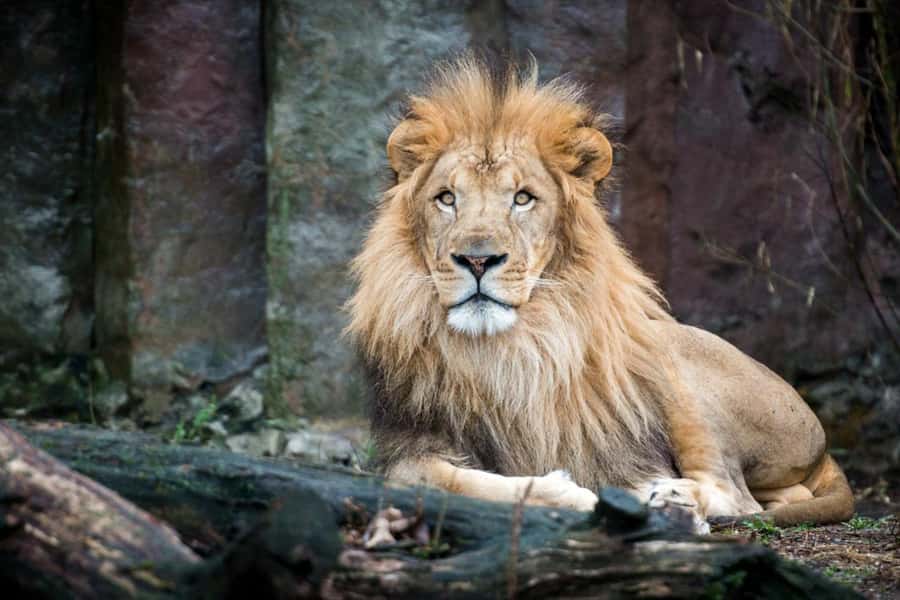
- Kalahari Kingdom is built for a real lion moment, with the African lion exploring his habitat.
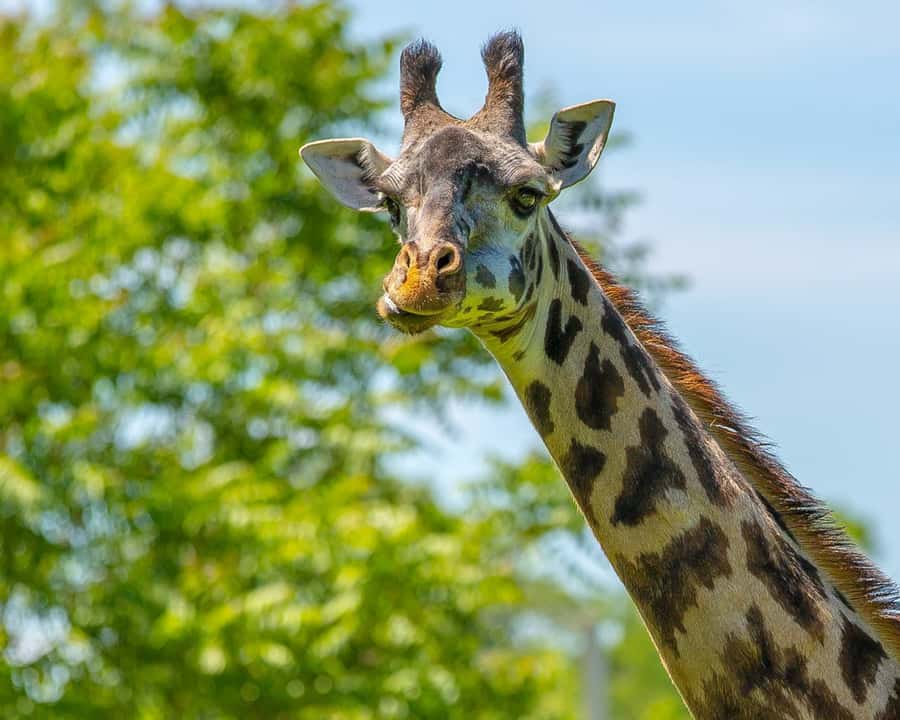
- Giraffe Savannah gives you a good chance to spot Masai giraffes up close while they move around their space.
- Butterfly Hollow is a favorite stop thanks to the garden setting with lots of butterflies overhead.
- Outback Trail + seasonal Aussie Aviary cover kangaroos and birds in a fun, varied section.
Franklin Park Zoo: why this 72-acre day works in real life
Franklin Park Zoo is one of those places where you can build your day around your own interests. Want big, dramatic animals? You’ll find them. Prefer smaller “wait, what is that?” moments? You get plenty of those too.
I especially like how much you can see without crisscrossing the whole park. The core exhibits are arranged in a way that keeps your route logical—so you’re spending time watching animals, not constantly figuring out what’s next.
The other reason this zoo visit is satisfying is the habitat focus. You’re not just looking at animals behind generic barriers. You’re watching them in spaces designed to feel like their world—Tropical Forest for species that need warmth and humidity, and outdoor areas like Kalahari Kingdom and Giraffe Savannah for animals that do best in open air.
You can also read our reviews of more tours and experiences in Boston



Tickets and value: what you get for $24 with free parking
The entry ticket price is $24 per person, and it’s a good deal if you make a full day of it. For that price, you’re getting access to multiple themed areas—Tropical Forest, Gorilla Grove (seasonal), Kalahari Kingdom, Giraffe Savannah, Butterfly Hollow, Outback Trail, and the seasonal Aussie Aviary.
What makes the pricing feel fair is the amount of ground you cover. You’re walking through 72 acres, so even if you don’t stay until close, you’ll likely feel like you earned your ticket.
Good practical bonus: free parking. That matters in Boston-adjacent areas where parking can get annoying fast. Check in at the admissions booth at the entrance of the zoo (near the coordinates 42.3028267, -71.0876911).
One more value note: food and drink are not included. That’s not a deal-breaker, but plan for it so you don’t end up paying for snacks in a rush.
The Tropical Forest: your year-round anchor with gorillas and birds
If you want the safest “best bet” for the day, start with the Tropical Forest. It’s described as a year-round balmy oasis, and it’s the type of exhibit that tends to work no matter what the weather is doing outside.
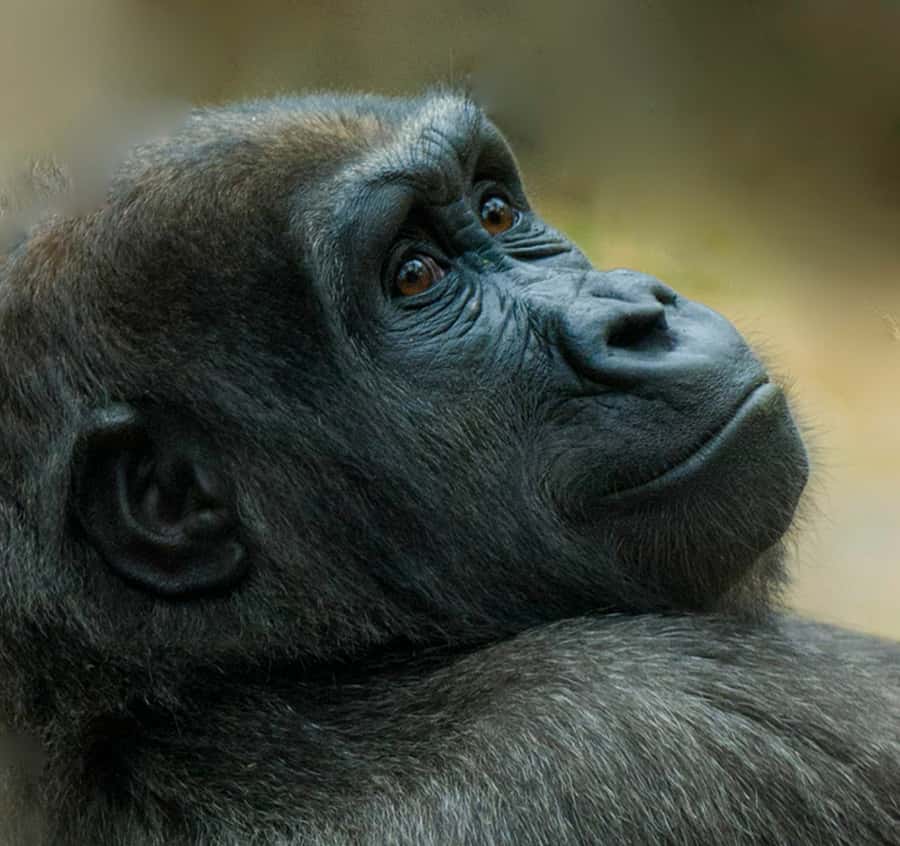
Inside, you can expect western lowland gorillas, free-flight birds, ring-tailed lemurs, and pygmy hippos, plus other species. The gorilla presence is a big reason the Tropical Forest feels like the heart of the zoo experience—many people build their visit around it because it’s both important and easy to return to.
The free-flight birds also change the feel of the area. You’re not only watching; you might also notice birds moving overhead or around you. It’s a different kind of zoo viewing—less “stand and wait,” more “watch what happens next.”
How this stop fits into your route
I’d treat Tropical Forest like your first major hub. If you arrive mid-morning, you can see its main features and then branch outward to outdoor exhibits while the day warms up. If it’s windy or cold, you’ll still have a big indoor win early on.
Gorilla Grove outside: close-up viewing when it’s open
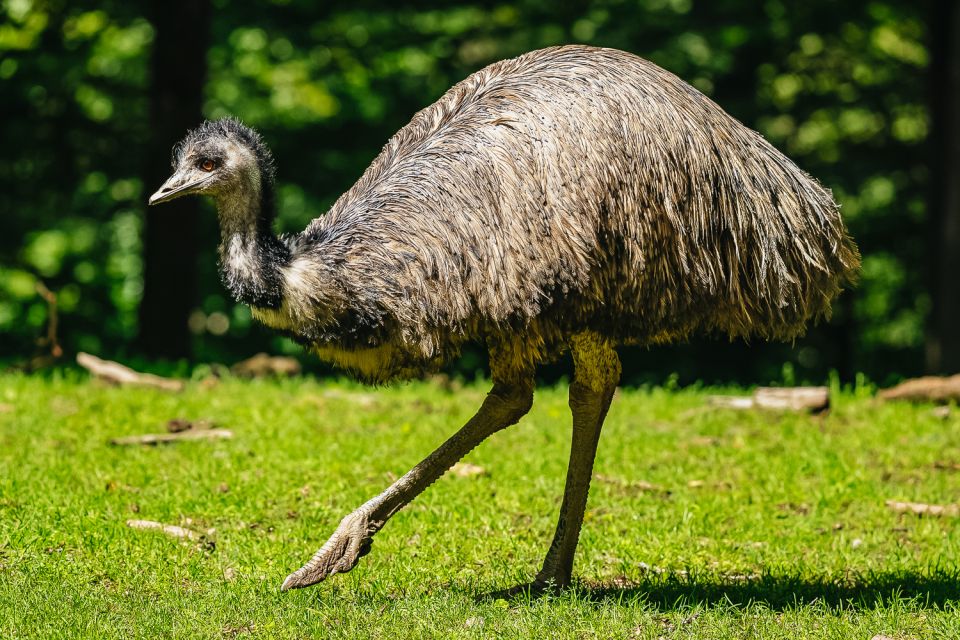
Next up is Gorilla Grove, which is an outdoor immersive gorilla habitat (not always open year-round). The key detail here is seasonal operation: Gorilla Grove is open seasonally outside the Tropical Forest.
When it is open, this is your chance to see the gorilla troop up close in a space built specifically for outdoor viewing. Even people who are mainly there for “the big animals” often rate gorilla viewing as one of the top experiences because the exhibit design encourages closer observation.
You can also read our reviews of more tours and experiences in Boston

A realistic planning note
Not every day will be perfect. Construction can affect what’s available, and seasonality affects Gorilla Grove. If gorillas are your must-see, I’d plan to see both the Tropical Forest area and Gorilla Grove when possible, so you’re not stuck hoping one location is running.
Kalahari Kingdom: the African lion moment
If you only make time for one “big animal drama” stop, Kalahari Kingdom is it. You’ll get a stunning view of the African lion as he explores his habitat.
A lion exhibit works best when you slow down. Don’t just walk past. Stand for a moment, watch where the lion chooses to move, and you’ll get more interesting viewing than if you keep rolling forward every few seconds.
This section also balances the rest of the zoo. After the warm Tropical Forest and the outdoor gorilla viewing, Kalahari Kingdom gives you that classic open-air predator energy.
Giraffe Savannah: Masai giraffes that keep you searching
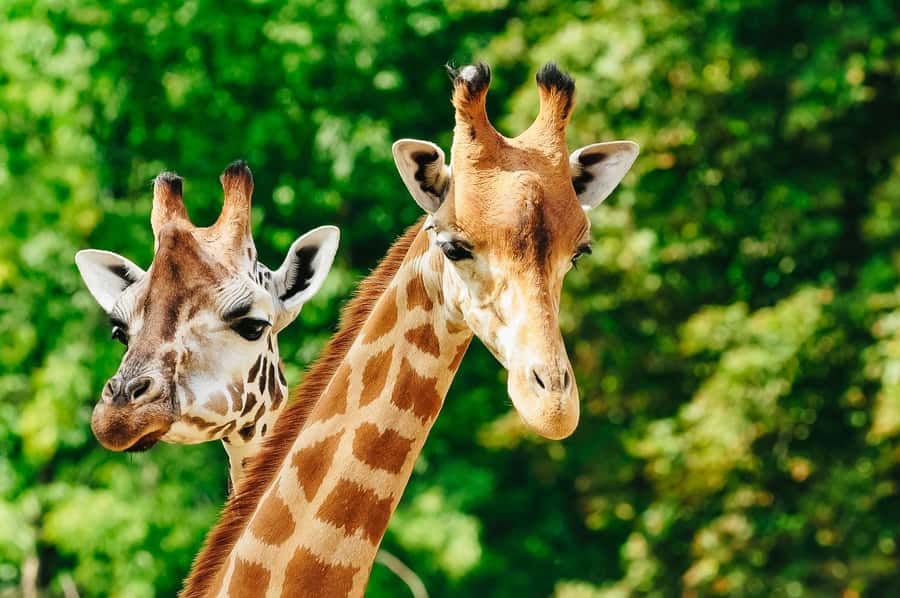
The Giraffe Savannah is a great stop when you want something graceful and active. You’re there for Masai giraffes exploring their habitat.
I like this exhibit because you can get better results by watching the routine. Giraffes tend to move slowly but steadily, and your best sightings often come when you’re not staring fixedly at one spot. Scan a little, then let your eyes track where they drift next.
Practical tip
Giraffe viewing is easiest when you’re patient. If your group includes kids (or anyone easily distracted), this is one of the easiest places to reset your pace—there’s always something to watch, even when the giraffes pause.
Butterfly Hollow: the easy crowd-pleaser that still feels special
Butterfly Hollow is one of those exhibits you remember after you leave. It’s an immersive garden space where hundreds of butterflies flutter around you.
In real terms, this stop is valuable because it gives your day a “break from scanning for faraway animals.” The scale is different. You’re close to the action, and the exhibit creates a sense of calm even when the zoo is busy.
It’s also a great option for families. If you’ve got little kids, butterflies can be the kind of win that keeps energy up without forcing everyone to stand in one spot for too long.
Outback Trail + Aussie Aviary: kangaroos, kiwis, and budgies

The Outback Trail gives you a different set of animals: grey kangaroos, kiwis, and wallabies. This is a smart section to visit after your “big wow” exhibits because it keeps variety high without feeling chaotic.
Then, if you’re visiting during the season when it’s running, don’t miss the seasonal Aussie Aviary. It’s home to hundreds of colorful budgies, and it’s exactly the kind of add-on that makes the zoo feel more complete.
Why this matters
These areas diversify your day. When every stop is a tall, ground-dwelling mammal, the experience can feel one-note. Outback Trail and the aviary shift the visuals to movement and sound, so you stay engaged.
What else you might spot: African painted dogs, red pandas, and more
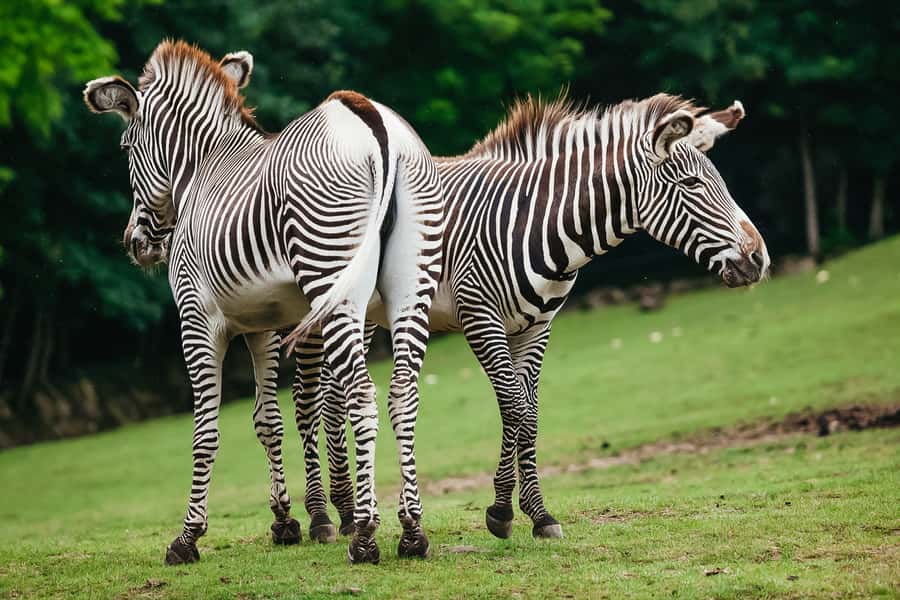
Franklin Park Zoo doesn’t just hang its day on lions and gorillas. The experience description also highlights African painted dogs, red pandas, kangaroos and more.
Some animal viewing can vary day to day depending on weather and exhibit status. Still, the overall mix is strong enough that you won’t feel like you’re “missing” the zoo because one exhibit is down.
A big plus from actual visitor experiences is that animals are often visible and active, especially when you time your visit well. On colder or windy days, you still have a solid shot at seeing animals out and about.
Timing and pacing: when to go so you don’t miss the action
Plan to use time smartly, not just longly. A common rhythm is this: start earlier, spend quality time at the big anchors (Tropical Forest, lions, gorillas), then work your way outward.
If you arrive right at opening, you often get animals active at feeding and moving times. Some people also find midday can be slower for animal activity, so if you’re visiting during that window, be ready for more waiting and less sprinting.
Weather matters too. Franklin Park Zoo may adjust or close exhibits/hours for inclement weather and special events, announced in advance. That’s the sort of thing that can change your plan, but it’s also why you want a flexible route: you’re not dependent on only one outdoor habitat.
Also, last entry is one hour before closing. So if you want a calm finish, don’t schedule your farthest stop last.
Hours by season: what the day looks like at different times of year
Your visit times depend on the season, so it helps to know the rhythm:
- April 1 – July 31: weekdays 9:00 a.m. to 5:00 p.m., weekends 9:00 a.m. to 6:00 p.m.
- August 1 – September 30: daily 9:00 a.m. to 5:00 p.m.
- October 1 – March 31: daily 9:00 a.m. to 4:00 p.m.
Also note: Franklin Park Zoo is closed on Thanksgiving Day and Christmas Day. If you’re visiting those holidays, you’ll need a different plan.
Food and breaks: what to do when you get hungry
Food and drink aren’t included, but there are places to buy snacks and meals. Visitors note that the zoo has an eatery and vending options, which helps you keep moving without leaving the park.
The one caution I’d give: don’t treat the food court like a meal destination. If you’re traveling with kids or just trying to keep your day smooth, grabbing something quick and getting back to the animals is usually the best play.
Some people also mention finding plant-based options, so if you’re avoiding meat, you might have more choices than you’d expect. Still, assume you’ll need to check what’s available on the day you go.
Planning for kids (and adults who act like kids)
Franklin Park Zoo is a strong family pick because the exhibits are varied. You’re not stuck with only long-wait viewing or only fast-moving animals. You’ve got indoor stops, outdoor habitats, butterfly viewing, and the chance to keep your group interested from one area to the next.
People also like that it’s relatively easy to traverse. The zoo is handicap accessible, and lots of the walking feels manageable for most visitors, especially compared to zoos that are more steep and spread out.
If you’ve got stroller users, plan to go earlier in the day to reduce crowding. If you’re coming without kids, you can still enjoy it the same way—by building your own route around your favorite animals and themed areas.
Lights and seasonal add-ons: plan around Boston Lights
Boston Lights is mentioned as a seasonal event, but info is listed as TBD and an additional ticket purchase is required. The takeaway for your planning: if you want lights, don’t assume entry ticket covers it.
That also means your day may expand. If you’re doing lights, you’ll want a longer plan and a route that leaves you time to enjoy the nighttime element without feeling rushed.
Should you book Franklin Park Zoo entry?
If your goal is a straightforward Boston day with high payoff—lions, gorillas, giraffes, butterflies, and plenty of variety—this ticket makes sense. I think the value is strongest when you treat it like a full day in Franklin Park: start with Tropical Forest, then hit the big outdoor habitats, and finish with the sections that give you quick wins like Butterfly Hollow and Outback Trail.
I’d skip or rethink it only if your travel dates line up with major closures or you’re traveling with very limited time and no flexibility. Seasonal operations like Gorilla Grove can shift what you see, and construction can occasionally affect viewing.
Overall, Franklin Park Zoo is a solid bet: a well-paced animal day where you get multiple highlights without needing a complicated plan. For most visitors, that’s exactly what a good zoo day should be.
FAQ
How much does the Franklin Park Zoo entry ticket cost?
The price is $24 per person.
How long is the ticket valid?
The ticket is valid for 1 day.
What’s included with the ticket?
Your ticket includes zoo entry, and free parking is included.
Is food and drink included?
No. Food and drink are not included.
Where do I check in?
Check in at the admissions booth at the entrance of the zoo.
What are the zoo’s opening hours?
Hours vary by season: April 1–July 31 (weekdays 9:00 a.m.–5:00 p.m., weekends 9:00 a.m.–6:00 p.m.), August 1–Sept 30 (daily 9:00 a.m.–5:00 p.m.), and Oct 1–Mar 31 (daily 9:00 a.m.–4:00 p.m.).
What’s allowed inside the zoo?
Pets and bikes are not allowed. Alcohol and drugs are not allowed. Scooters are not allowed.
Are children under 2 free?
Yes. Tickets are free for children under 2, but you need to pick up a complimentary ticket onsite at the admission booth.