REVIEW · HOP-ON HOP-OFF & TROLLEY TOURS
Boston: Hop-On, Hop-Off Trolley Ticket
Book on GetYourGuide →Operated by CityView Trolley Tours - Boston · Bookable on GetYourGuide
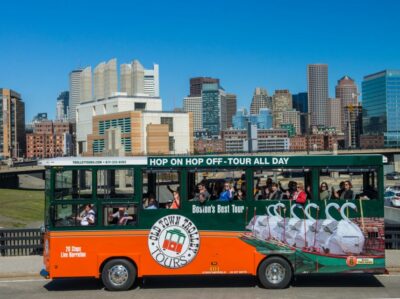
A trolley day in Boston feels like a cheat code. You get a guided overview with live commentary, then you control the pace with hop-on, hop-off freedom across major Freedom Trail sites. I love how the route is designed for quick orientation, and I love that the onboard guides bring energy on top of the facts.
The one trade-off to plan for: this is a fixed loop with only 9 stops, so you’ll still want to walk a bit once you hop off, and you may miss places that don’t fall on this corridor.
If you’re smart with timing, it’s an efficient way to see Boston without burning a whole day on transit. It’s also a good fit when your feet need a break but your brain wants the history.
In This Review
- Key Things to Know Before You Ride
- Starting by the Aquarium: your easiest way into downtown
- The “1-hour loop” strategy that saves you time
- Your itinerary in real-life order: what each stop is really for
- Quincy Market and the Paul Revere House area: markets and Revolution legends
- North End and Old North Church: compact streets, big character
- USS Constitution and Old Ironsides: history you can point to
- The Sports Museum by TD Bank Garden: a quick change of pace
- Old State House, Government Center, and the Boston Massacre site: sharp, close storytelling
- Boston Common and Public Garden: the “sit down and breathe” part
- Beacon Hill and the Massachusetts State House: classic views with a small-town feel
- South Station and the Convention Center area: where the loop naturally ends
- Guides are the secret sauce: why the narration matters
- Price and value: is $50 for a hop-on hop-off trolley a good deal?
- My practical tips to make the most of the trolley day
- Should you book this Boston hop-on, hop-off trolley?
- FAQ
- How long is the Boston hop-on, hop-off trolley ticket valid?
- Where does the tour start?
- How many stops are on the trolley route?
- How long is the full circuit of the trolley?
- Are there live tour guides and is commentary included?
- Does the ticket include Freedom Trail sites?
- Is the Boston Harbor Cruise included?
- How often do the trolleys depart?
- Is the trolley wheelchair accessible?
- What should I bring for the day?
Key Things to Know Before You Ride
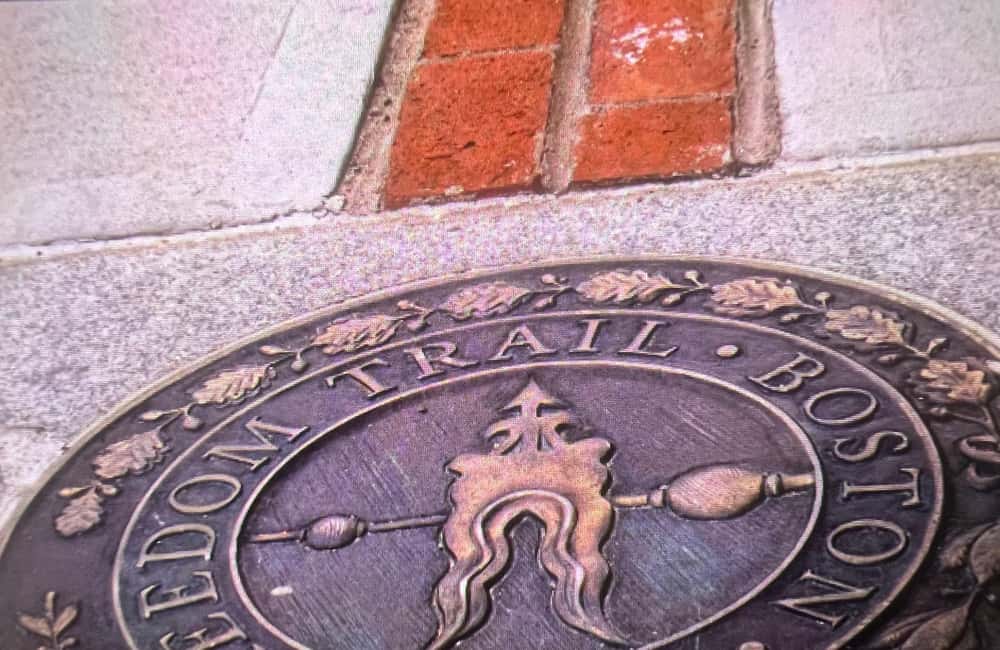
- 9 stops clustered near top sights: everything is close enough to hop off and explore on foot.
- About a 1-hour full circuit: do the loop for orientation, then return to the stops you care about most.
- Live English commentary on board: the narration helps you connect buildings to the stories.
- Frequent departures (every 10–30 minutes): you’re not stuck waiting forever at a stop.
- Faneuil Hall and the Cradle of Liberty connection: the trolley ties sightseeing to early U.S. history beats.
Starting by the Aquarium: your easiest way into downtown
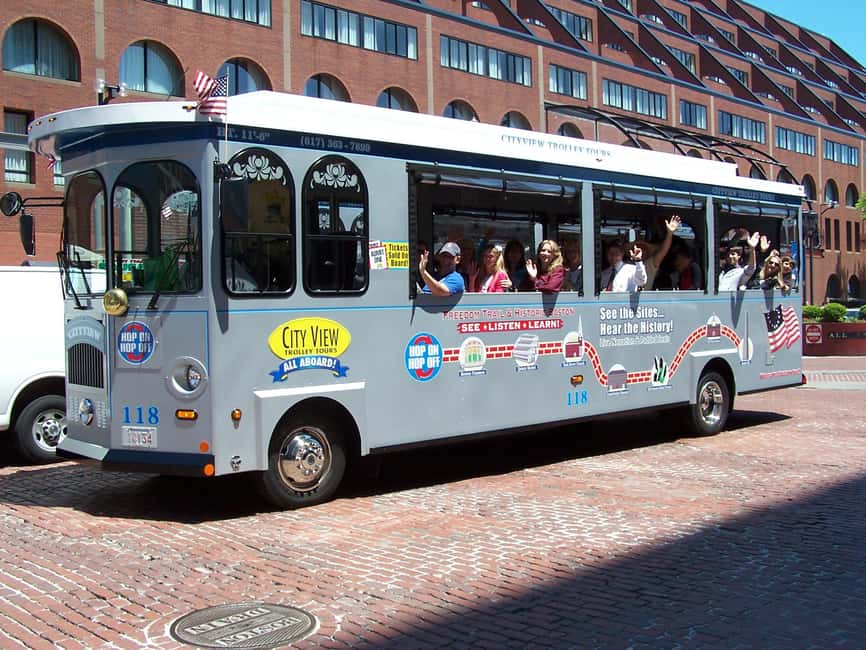
Most days start at 255 State St, in front of the Boston Marriott Long Wharf, near the Aquarium area. The Blue Line’s Aquarium station is your public transit anchor, which matters because Boston has a lot of walking and a few tricky turns if you’re new to the city.
The trolley route is easy to follow because you can join and end at the stops along the line. That means you can build your day around your energy level—stay on for the full loop, or jump off for a deep look and return later.
You can also read our reviews of more tours and experiences in Boston


The “1-hour loop” strategy that saves you time
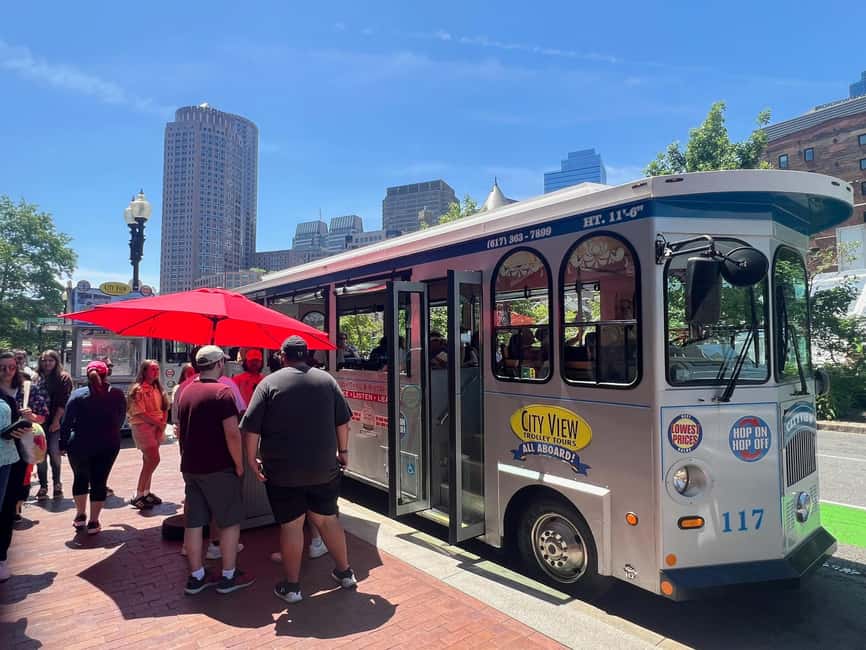
Here’s how to get maximum value out of a hop-on hop-off setup: ride the whole circuit once first. The trolley offers a non-stop 1-hour circuit for a quick, guided look at downtown Boston and the Freedom Trail area.
Then switch modes. Use the rest of your time to hop off where you want to slow down—Paul Revere’s neighborhood details, ship history near USS Constitution, or the parks and views around Boston Common and Beacon Hill.
This is also why a 1-day vs 2-day ticket can feel different. If you’re on a tight schedule, the 1-day option can work well for highlights. If you like pacing—walk, pause, take photos, then walk some more—the 2-day option helps you repeat the loop without rushing.
Your itinerary in real-life order: what each stop is really for
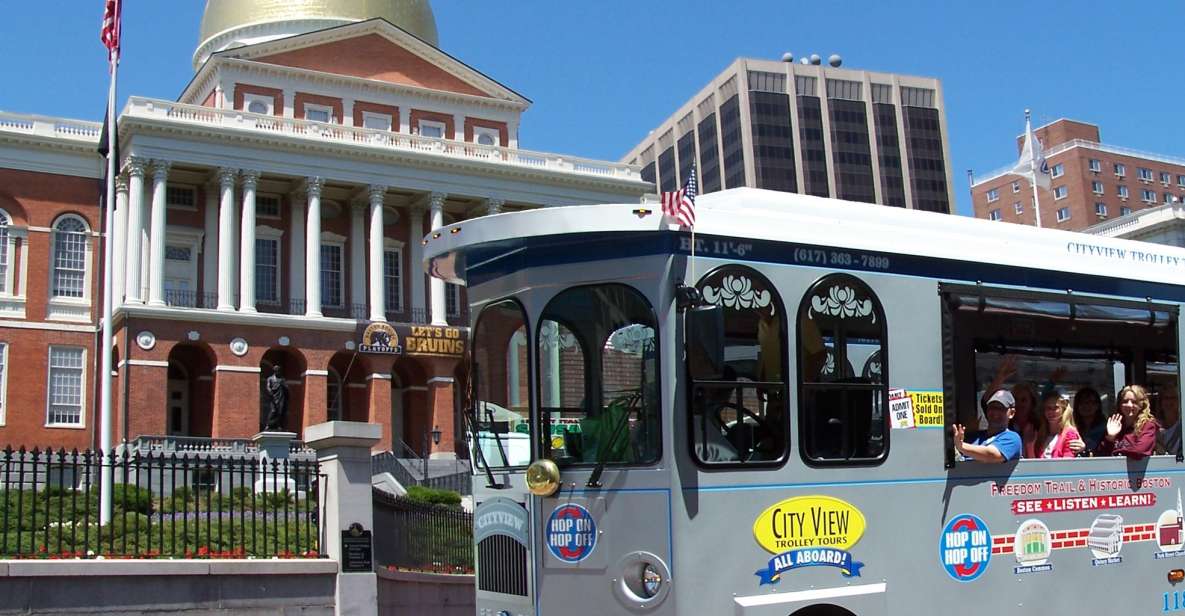
Quincy Market and the Paul Revere House area: markets and Revolution legends
From the start near the Aquarium, the trolley heads toward the Quincy Market / Faneuil Hall zone. This stretch is helpful because it puts you near food, street energy, and the historic center of the Freedom Trail storyline.
As you move along, you’ll pass the Paul Revere House area. Even if you don’t go inside right away, the trolley timing gives you the chance to connect Revere to the broader “how the country got started” theme you’ll see all day.
Tip: if you plan to visit a museum or house, don’t wait until the last minute. The trolley will take you back through the area later, but your best interior time usually comes earlier.
North End and Old North Church: compact streets, big character
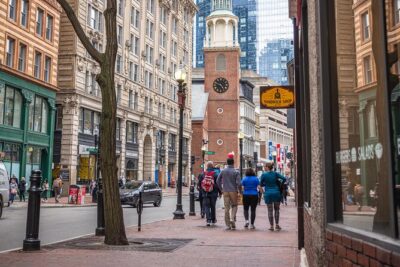
Next up is the North End, paired with the Old North Church stop. This is one of the most memorable parts of the route because you’re not just looking at history—you’re stepping into a neighborhood vibe.
North End is Boston’s oldest residential area, and that shows in the feel of the streets. The trolley drops you close enough that you can wander without feeling like you’re chasing destinations across the city.
Drawback to consider: this part of Boston is walkable, but it’s still dense. If you’re traveling with limited mobility or you’re tired from other walking, hop off, see the highlight, then return to the trolley quickly.






USS Constitution and Old Ironsides: history you can point to
The trolley then reaches USS Constitution, also noted as Old Ironsides. This stop is a standout because it’s not just a “look at a building” moment. You’re seeing a famous ship tied to the early days of the U.S. Navy.
Even if you keep the visit short, the trolley narration usually helps you place what you’re looking at into the larger Freedom Trail-style story. It’s a great stop for photos because the ship is visually strong and easy to recognize.
Practical idea: if you have time, pair your USS Constitution stop with a calm walk nearby. The trolley gets you there; you decide how long you linger.
The Sports Museum by TD Bank Garden: a quick change of pace
One of the route stops includes the Sports Museum area near TD Bank Garden. This is a useful breather if you want something less strictly Revolutionary-history based for a moment.
It also helps break up the day. You’re bouncing between early America and modern Boston landmarks, and that mix can keep the tour from feeling like one long lecture.
If you’re not into sports at all, treat this as a “stand near the stop, check the map, keep going” section. The value here is convenience, not mandatory sightseeing.
Old State House, Government Center, and the Boston Massacre site: sharp, close storytelling
The trolley routes through Old State House, with connections to the Boston Massacre area and nearby Government Center. This is where the day’s historical theme gets more intense, because Old State House is tightly linked to key early events.
This stop is a good example of why hop-on hop-off works: the narration puts context in your head, and then you can decide how long to stand in that setting. If you like history, you can linger. If you don’t, you can take the quick look and move on.
Consideration: this is one of the busiest, most central walking zones. Give yourself a little extra time to regroup before crossing to the next area.
Boston Common and Public Garden: the “sit down and breathe” part
After the civic and Revolutionary sites, you roll into Boston Common and the Public Garden area. This is not just scenic—this is where Boston becomes livable.
The trolley makes it easy to do something practical like a picnic. Comfortable shoes plus a packed lunch turns this stop into your reset button, especially if you’ve been standing and walking through historic sites all morning.
Why it’s valuable: Boston’s history is real, but it can be intense. Parks give you space to think, cool off, and plan the next hop.
Beacon Hill and the Massachusetts State House: classic views with a small-town feel
The route continues toward Beacon Hill and the Massachusetts State House. Beacon Hill is where Boston can feel almost old-world—brick, slopes, and a sense of “this place has been shaped over a long time.”
This is a great stop for wandering at a comfortable pace. You can get views without committing to a long museum day, and you can also use it as a photo stop before heading back toward the southern part of downtown.
Tip: if you love architecture, spend more time here and less time at the places you only need a quick look.
South Station and the Convention Center area: where the loop naturally ends
Your route wraps toward Boston South Station and the Convention Center / Children’s Museum area. This is a smart way to structure your day because it’s easy to return toward the waterfront or keep exploring downtown without getting stuck far from transit.
Since the loop ends back at the start point, it’s also a low-stress finish. You’re not hunting down a distant pickup spot after a long day.
Guides are the secret sauce: why the narration matters
The big reason this trolley works well for first-timers is the live tour guide commentary. The best part isn’t just facts—it’s how the story connects stop to stop so the city makes sense as a whole.
I’ve noticed a pattern in guide styles: names like Paul, Joey, Hugo, Coach, Johnny Boston, and Hercules show up with mentions for being fun and engaging. Even when humor isn’t your main goal, it keeps you awake and helps you remember what you saw.
One more practical note: because you might ride different trolleys on different parts of the day, the tone can vary. If you connect with a guide, keep that loop momentum and go back to a stop while that narrative is still fresh.
Price and value: is $50 for a hop-on hop-off trolley a good deal?
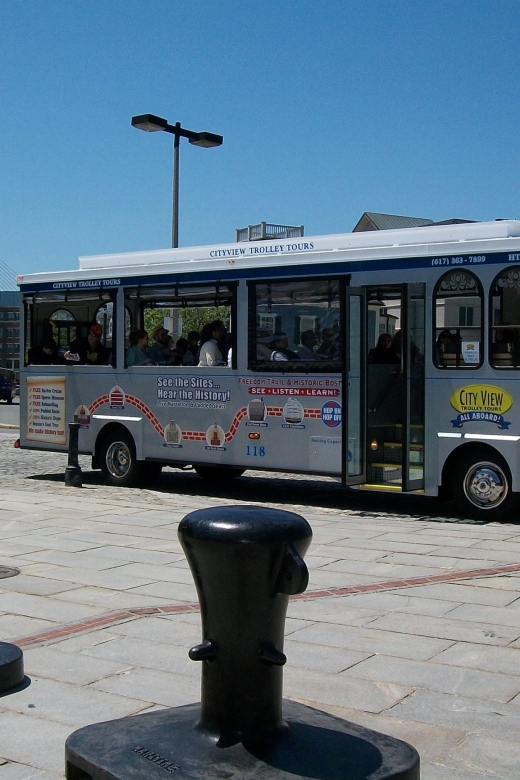
At $50 per person, you’re paying for three things: transportation between key areas, guided context, and the flexibility to choose how long you stay at each stop.
Here’s why that can be good value:
- You’re getting access to a route with 9 stops that covers major sights in a tight geographic strip.
- The trolley gives you an instant orientation via the 1-hour full circuit.
- You can do the ride once, then return to the places that actually grab you.
When it’s not the best value:
- If you already know Boston well and you’re comfortable walking between historic sites, you may not need a trolley loop.
- If you want to cover far-flung neighborhoods that aren’t on this corridor, you’ll likely need additional transit or separate activities.
Also, this ticket does not include a Boston Harbor Cruise. If harbor views are a priority, you’ll need to plan that separately.
My practical tips to make the most of the trolley day
Start early if you can. Even with frequent departures, your best outcome comes when you’re not racing the clock, and some days the last ride can feel early.
Bring comfortable shoes and plan on at least some walking once you hop off. The trolley gets you close; you still have to do the final steps to see the streets, buildings, and overlooks.
Pack a lunch. Boston Common and Public Garden turn into a real break when you’re not spending time hunting for food every time you hop off.
If you’re picky about timing, ride the full loop first, then switch to “hop for real.” This avoids the common mistake of jumping off immediately and then realizing you wanted the bigger orientation first.
Finally, keep an eye on the fact that the route is seasonal. Hours can shift because of weather, traffic, and public events, so don’t plan a single perfect minute. Build in wiggle room.
Should you book this Boston hop-on, hop-off trolley?
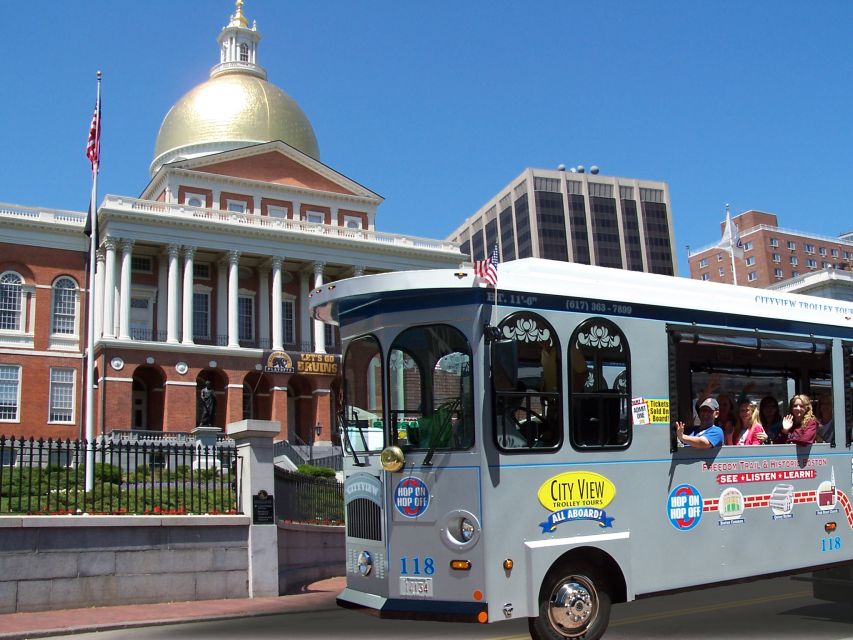
Book it if you want an efficient first pass at Boston’s big Revolutionary-era highlights with flexibility. It’s especially smart for:
- first-time visitors who want a guided overview without committing to a walking tour all day
- travelers who want to hit Freedom Trail-related stops like Faneuil Hall / Cradle of Liberty, Paul Revere’s area, and USS Constitution
- anyone who prefers pacing—ride, hop off, return, repeat
Skip it if your trip is short and you already have a tight plan for every stop on foot, or if your priority is areas far outside this corridor.
In most cases, this trolley ticket is a solid “get your bearings fast” move for Boston. You’ll see the icons, learn the connections from the live guide, and still keep control over how long you linger.
FAQ
How long is the Boston hop-on, hop-off trolley ticket valid?
The ticket is valid for 1 to 2 days, depending on the option you choose.
Where does the tour start?
The tour starts at Stop 1 at 255 State St, in front of the Boston Marriott Long Wharf near the Boston Aquarium area. The train stop is the Aquarium stop on the Blue Line.
How many stops are on the trolley route?
The route is described as having 9 stops, all close to key downtown attractions.
How long is the full circuit of the trolley?
The full circuit takes about 1 hour when you ride it non-stop.
Are there live tour guides and is commentary included?
Yes. The experience includes commentary and a live tour guide in English.
Does the ticket include Freedom Trail sites?
Yes. The included tour covers Boston and Freedom Trail sites, and you’ll be directed to hop off near those historic stops.
Is the Boston Harbor Cruise included?
No. The Boston Harbor Cruise is not included with this trolley ticket.
How often do the trolleys depart?
Trolleys depart every 10 to 30 minutes.
Is the trolley wheelchair accessible?
Yes, the tour is described as wheelchair accessible.
What should I bring for the day?
You’ll want comfortable shoes and comfortable clothes, and it’s recommended to bring a packed lunch.