REVIEW · BOSTON
Boston: History & Highlights Guided Tour
Book on GetYourGuide →Operated by Intrepid Urban Adventures · Bookable on GetYourGuide
Boston can feel like a lot. This tour makes it simple. You get a tight, story-led walk that connects Boston Harbor, the Freedom Trail landmarks, and Beacon Hill-style streets into one easy route. I love the way the guide focuses on the modern impact of the city’s big historic moments, and I also like the small-group feel (max 16) that keeps the questions coming. One thing to consider: it’s about 4 km (2.5 miles) of walking, with some hills and uneven ground, so comfy shoes matter.
What really hooked me is how many stops you hit in two hours without turning it into a speed-run. You’ll start at the Greenway Carousel, then move through major downtown anchors and several sites people often glance past. And yes, I’d call the guide quality the main selling point here—names like Allen Pierce, Molly, Nabil, and Bob show up in the kind of reviews that make you expect clear explanations and fun personalities.
In This Review
- Freedom Trail Without the Random Stops
- Starting at the Greenway Carousel and Lining Up the Stories
- Boston Harbor Waterfront Views and Custom House Tower Facts
- Faneuil Hall and Quincy Market: The Crowd Place That Still Matters
- Old State House and the Boston Massacre Context
- Downtown Crossing to Old South Meeting House: Protest Goes Indoor
- Old City Hall and the King’s Chapel Burying Ground Pace Check
- Granary Burying Ground to Boston Common: From Public Drama to Quiet Scale
- Massachusetts State House Views (Weekdays) and the John Hancock Tower Moment
- Beacon Hill-Style Streets and Boston Public Garden: Where the Walk Ends
- Small Group Reality: What “Max 16” Changes
- Who This Tour Is Best For (and Who Might Skip It)
- Value Check: Is $49 Worth It for a 2-Hour History Hit?
- Practical Tips Before You Go
- Should You Book This Boston History & Highlights Tour?
- FAQ
- How long is the Boston History & Highlights Guided Tour?
- Where does the tour start and end?
- How much walking is involved?
- Is the tour family-friendly?
- What’s included in the price?
- What language is the tour guide?
- Does the tour run in bad weather?
Freedom Trail Without the Random Stops
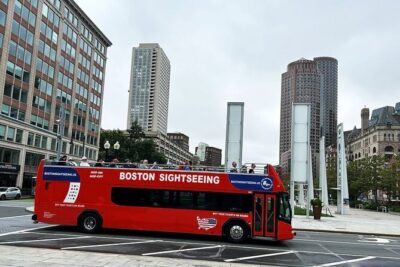
Group size stays small (up to 16), so you get more personal attention than the big-bus style tours.
You learn the modern connection, not just dates and names—why these events still shape Boston today.
Several stops include guided access, including interiors at some sites and details many visitors miss.
The route covers the core footprint fast, from Boston Harbor to Faneuil Hall and onward toward Boston Common.
You finish in a classic reset zone, with recommendations at Boston Public Garden to keep your day going.
Starting at the Greenway Carousel and Lining Up the Stories
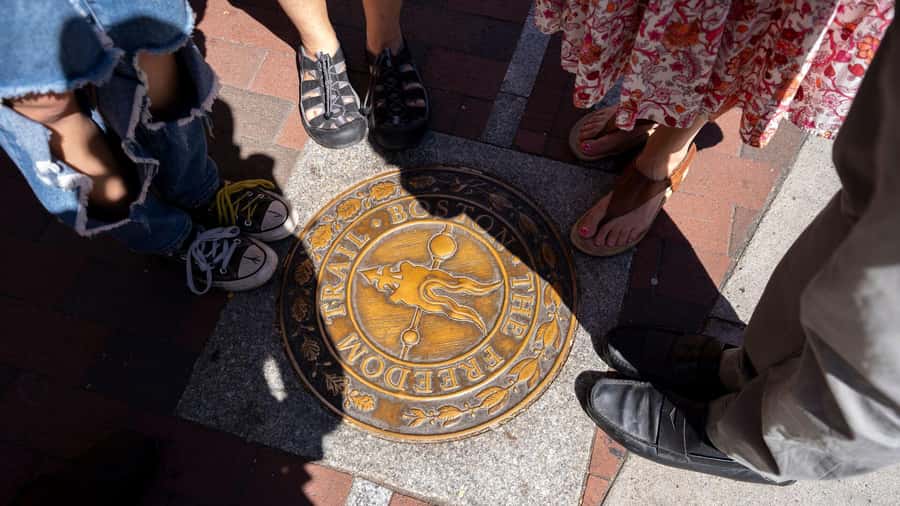
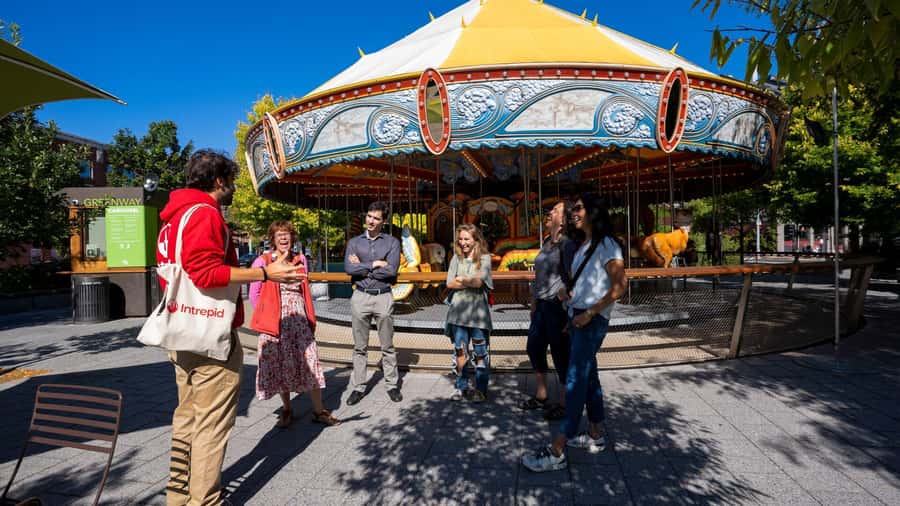
You begin at the Greenway Carousel, right by the Carousel entrance. It’s a good mental starting point because the route immediately frames Boston as a city of layers: waterfront today, politics and protest behind it, and residential charm just a bit further in.
From there, your walk heads past the Rose Kennedy Greenway and on toward State Street. The custom “feel” here is that you’re not stuck in one theme. You’ll get city views as you go, then the guide turns those views into context—who built what, why this stretch matters, and how major events played out in real public spaces.
You can also read our reviews of more guided tours in Boston



Boston Harbor Waterfront Views and Custom House Tower Facts

The tour kicks into the water-adjacent part of Boston with a scenic stroll through the waterfront park near Boston Harbor. The payoff is simple: you get breathing room early, plus those wide city-and-water views that make Boston feel bigger than the usual photo.
Then you move toward the Custom House Tower—called out here as Boston’s first skyscraper. That detail matters because it’s an easy bridge between “old Boston” and “modern Boston.” Your guide uses the historic sights not as museum pieces, but as origin points for the city’s later identity: commerce, politics, and public life.
A nice bonus: the pacing early on is usually easier than the middle of the route, so you’re less likely to arrive at the first big historic stop already tired.
Faneuil Hall and Quincy Market: The Crowd Place That Still Matters
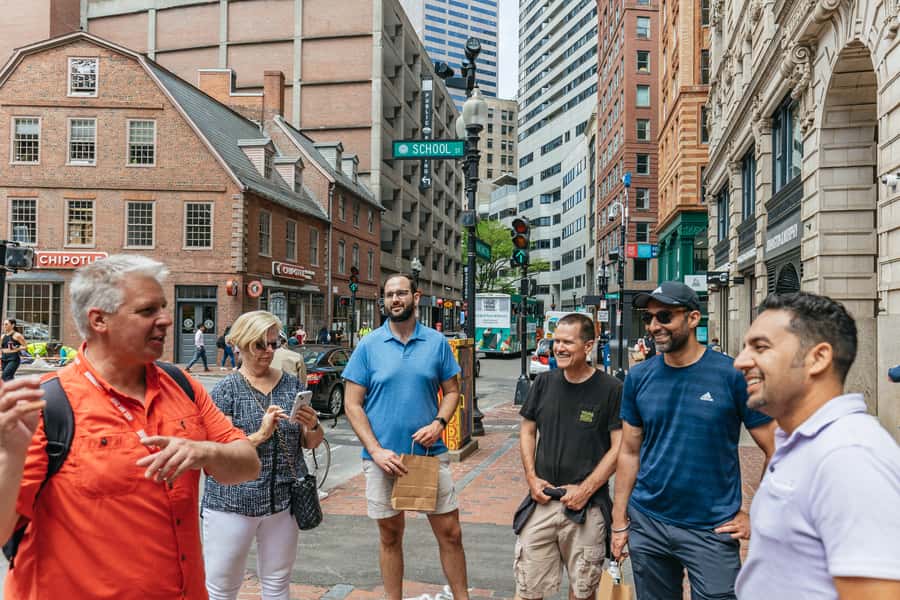
Next up is Faneuil Hall. This is one of those places where you can walk through on your own and miss the point. With a guide, it becomes more than a landmark.
Faneuil Hall is tied to public debate and civic gathering, and your guide’s focus on the modern impact is exactly what makes it valuable. You’re not just hearing what happened—you’re learning how the ideas and public pressure built over time. That’s also why Faneuil Hall works well as a mid-tour anchor: after your harbor-and-skyscraper start, you’re back in the heart of civic Boston.
Quincy Market sits right in the same orbit. Even if you don’t spend time shopping, it helps you understand how historic public space and today’s foot traffic coexist. You’ll also get a sense of how the city’s “gathering places” evolved without losing their role.
Old State House and the Boston Massacre Context
At the Old State House, you’ll slow down. This is the site connected to the infamous Boston Massacre, and it’s one of the places where your guide can do the most work for you.
Here’s the practical value: a guided explanation gives you the chain of cause and effect. You’ll connect the story to who had authority, how the public responded, and why the event became a symbol. If you’ve only skimmed the basics before, this stop is the one that tends to turn the outline into something you can actually picture.
Also, because the Old State House is a key Freedom Trail stop, it gives the route credibility. You get the headline landmark, but you don’t have to slog through it alone.
Downtown Crossing to Old South Meeting House: Protest Goes Indoor
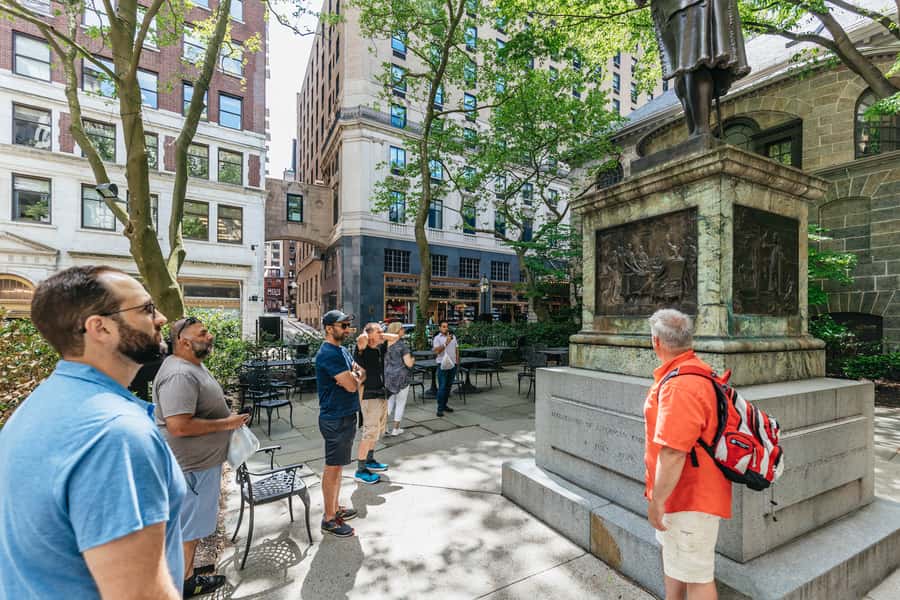
A quick walk through Downtown Crossing brings you deeper into the route’s momentum. It’s an efficient transition from the earlier civic core into other historic meeting spaces.
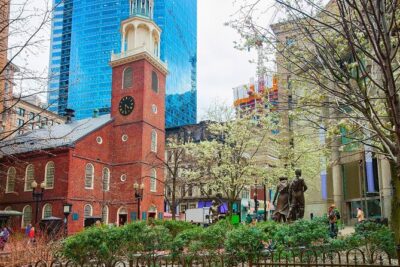
Then comes the Old South Meeting House. This is another place where dates alone don’t do justice. With a guide, it becomes about speech, organization, and how ordinary people found ways to influence power. If you like history that feels lived-in rather than distant, this stop is a good match.
One small drawback to keep in mind: because these sites are in active downtown areas, the street environment can be louder and more distracting at times. That’s not a deal-breaker, but if you get overwhelmed by noise easily, you’ll appreciate that your guide keeps moving while still giving you enough context to lock in the key ideas.
You can also read our reviews of more historical tours in Boston






Old City Hall and the King’s Chapel Burying Ground Pace Check
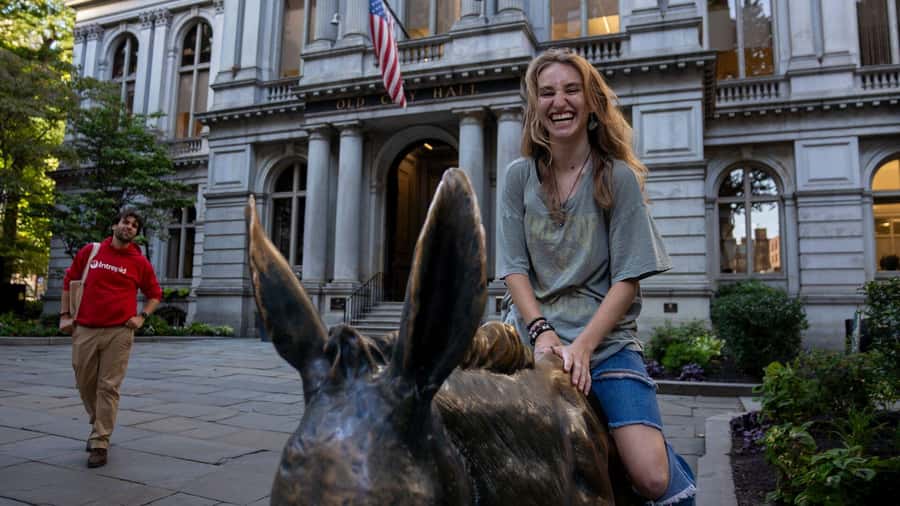
Old City Hall follows next. Think of it as a “civic systems” stop. It helps you understand that Boston wasn’t just making history—it was building institutions that ran the city.
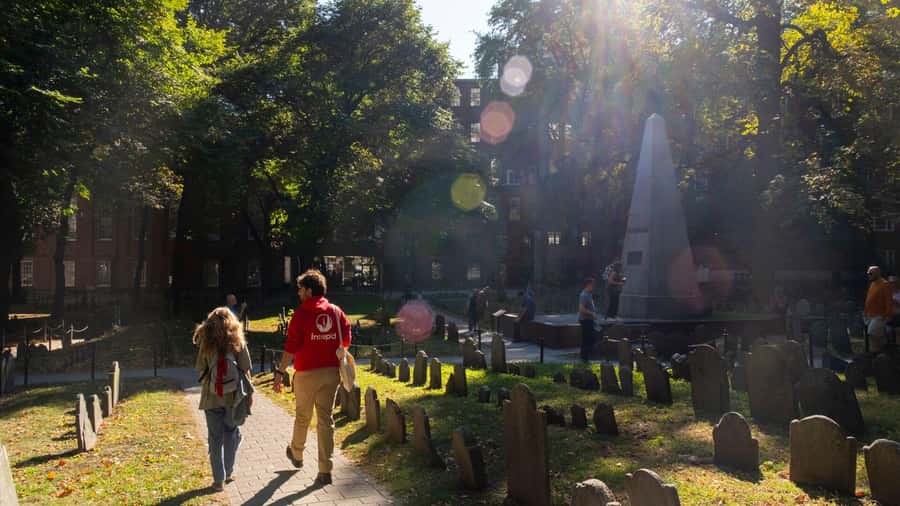
Then you hit King’s Chapel Burying Ground. This is one of those stops where the setting does half the job. You’ll walk through an older resting place and your guide ties it back into the story of Boston’s people and power.
What I like about including sites like this is that the tour doesn’t stay trapped in dramatic moments. It adds texture: the city’s history isn’t only protests and speeches; it’s also communities and the people connected to them.
If you’re prone to being cold or wind-sensitive, keep an eye on the weather here. These churchyard-type stops can feel chillier than the open streets.
Granary Burying Ground to Boston Common: From Public Drama to Quiet Scale
Granary Burying Ground is another high-impact stop. It’s easy to see these places and think they’re just “cemetery scenery,” but the guided portion helps you connect the names and the location to the bigger civic narrative.
After that, you reach Boston Common. This is one of the best resets on the Freedom Trail route—open space, calmer energy, and a chance for your guide to connect history to a place you can feel in the present.
Here’s what makes Boston Common so helpful for you as a tour-taker: it gives your legs a breather while still keeping the story moving. If you’re doing the tour early in your trip, this also sets you up to understand later neighborhoods, because Common-to-city edges are a big part of how Boston grew.
Massachusetts State House Views (Weekdays) and the John Hancock Tower Moment
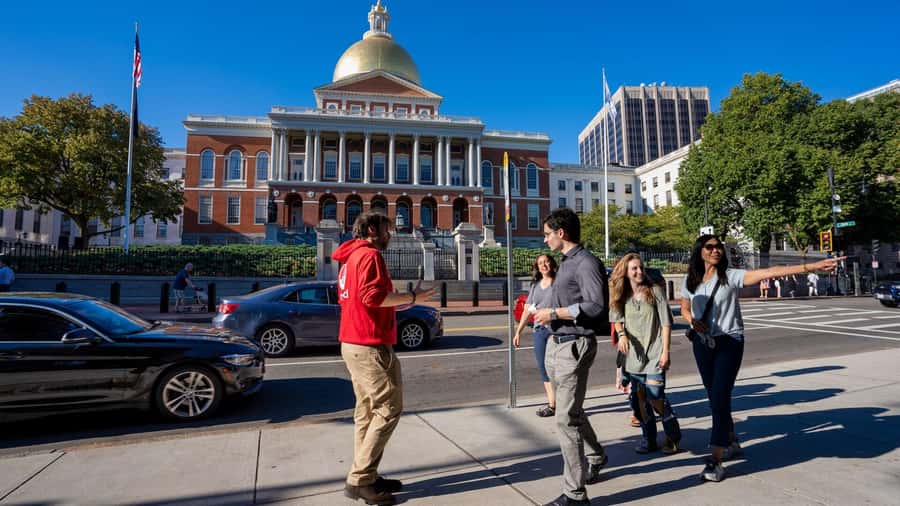
On weekdays, the tour steps inside the Massachusetts State House. That’s a big deal because you’re not just hearing political history—you’re seeing the building where modern governance plays out.
Inside, you’ll take in panoramic views of modern Boston, including the John Hancock Tower. This is where the tour’s theme really clicks: history isn’t locked in the past. The city still runs on the same kind of public pressure, debates, and civic identity—just with different technology and new players.
Potential drawback: since the inside access depends on weekday programming, you might not get the same level of interior time on other days. Your guide should handle this as smoothly as possible, but it’s worth knowing up front so you don’t feel let down if a stop is altered.
Beacon Hill-Style Streets and Boston Public Garden: Where the Walk Ends

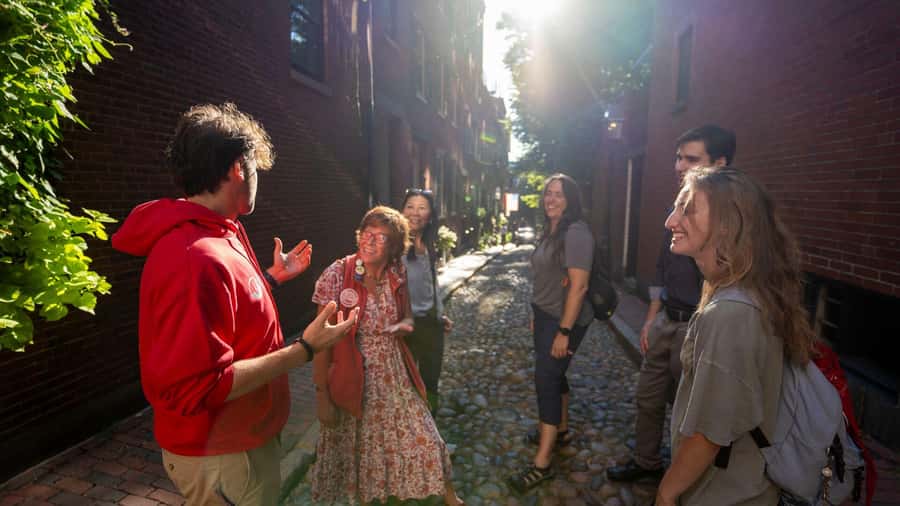
Toward the end, you’ll move into the charming street vibe associated with Beacon Hill—specifically the red-brick architecture atmosphere that makes that neighborhood so recognizable. Even when you’re not spending a long stretch wandering, your guide’s storytelling plus the streetscape helps you understand why Beacon Hill became such a visual symbol for Boston’s old-world side.
Finally, the tour wraps at Boston Public Garden. This ending is smart because it puts you in a relaxing, scenic place where you can actually think about what you just learned. Your guide also shares recommendations for what to do next, which is a practical way to turn a tour into a day plan rather than a single event.
Small Group Reality: What “Max 16” Changes
A small group tour sounds nice in theory, but here’s what it changes on the ground:
- It’s easier for the guide to hear everyone’s questions.
- The pacing stays controllable, so you’re not stuck waiting for a crowd.
- You’re more likely to get extra detail at the stops that matter most to you.
The guides listed in feedback—Allen Pierce, Molly, Nabil, Bob, Trey, Adam, Tim, Lucy, Conor, Luci, Sully, Janet, and Mary among them—share a common thread: they put story energy into explanations. Whether it’s bringing figures like Ben Franklin and Sam Adams to life or tailoring the tour for different knowledge levels (for example, support for US-history basics from places like Australia), the format gives you room to actually process.
Who This Tour Is Best For (and Who Might Skip It)
This is a strong fit if you want:
- A guided route that hits major Freedom Trail landmarks without overplanning.
- A balance of waterfront views, civic buildings, and human-scale storytelling.
- Small-group attention in about two hours.
It’s also a good choice for families since it’s child-friendly, and children under 6 can join free of charge. For solo travelers, the small group size tends to feel comfortable, not awkward.
Skip or reconsider if you:
- Hate walking or struggle with uneven ground and hills.
- Prefer long, slow neighborhood wandering with minimal standing.
If you’re flexible on your schedule, you’ll also enjoy having the Public Garden landing spot at the end. It’s a nice place to regroup before dinner.
Value Check: Is $49 Worth It for a 2-Hour History Hit?
At $49 per person for about two hours, the value comes down to what’s included and how efficiently the guide uses your time.
You’re getting:
- A local English-speaking guide.
- A surprise local treat.
- Guided coverage across major sites that many people visit out of order or without context.
Where the money makes sense is that the tour doesn’t treat history like trivia. The guide connects sightings—harbor views, civic buildings, meeting houses, burial grounds—to the way Boston grew into what it is now. That kind of interpretation is hard to recreate on your own unless you’re already deep into Boston’s story.
And the small-group limit helps justify the price. You’re not buying “a spot.” You’re buying the ability to ask questions and keep the pacing comfortable.
Practical Tips Before You Go
This tour runs rain, shine, or snow. Dress for the weather you’ll actually face, not the forecast you hope for.
Plan for walking: 4 km (2.5 miles). Wear shoes you trust on uneven sidewalks and any slightly rough terrain near older building entrances.
If a site happens to be closed, the supplier aims to replace it with a similar alternative. So keep your expectations flexible and focus on the overall route and the guide’s storytelling.
Should You Book This Boston History & Highlights Tour?
I’d book it if you want a high-clarity Boston overview that doesn’t feel like a checklist. It’s especially worth it early in your trip when you’ll benefit from the guide’s recommendations at the Public Garden finish line.
I’d think twice only if your main goal is slow neighborhood strolling or if walking 2.5 miles is hard for you. Otherwise, this is a solid deal: a well-paced guided walk through the Freedom Trail core, with enough extra stops to feel like you got more than the usual highlights.
FAQ
How long is the Boston History & Highlights Guided Tour?
The tour runs for about 2 hours.
Where does the tour start and end?
It starts at the Greenway Carousel (next to the Carousel entrance) and ends at Boston Public Garden.
How much walking is involved?
The tour covers about 4 km (2.5 miles) of walking.
Is the tour family-friendly?
Yes. It’s child-friendly, and children under 6 can join free of charge.
What’s included in the price?
A local English-speaking guide and a surprise local treat are included.
What language is the tour guide?
The live tour guide speaks English.
Does the tour run in bad weather?
Yes. The experience happens rain, shine, or snow, so dress accordingly.