REVIEW · BOSTON
Mysteries on the Move: Scavenger Hunt in Boston
Book on Viator →Operated by Without A Cue Productions · Bookable on Viator
Boston turns into a crime scene in 3 hours.
Mysteries on the Move is a self-paced mobile murder mystery scavenger hunt that takes you past major Boston landmarks while you hunt for clue passcodes with your phone. It’s also private, so it’s just your group, not a big crowd herded along.
I love the mix of walking and solving. The game covers about 1.3 miles (2 km) and you can move at a speed that fits your group, whether you’re fast readers or you’re stopping for photos. I also like that each stop uses readily accessible free historical markers, so the hunt feels like it’s grounded in what you can actually see outside.
One drawback to consider is the tech setup. If you’re not ready with the right phone steps before you start, the experience can feel harder than it should, and the in-game story tends to prioritize clues over in depth historical commentary.
In This Review
- Key highlights you’ll actually feel
- A murder mystery scavenger hunt that moves through real Boston streets
- What the game experience is like on your phone and on foot
- Granary Burying Ground: a stop that rewards careful reading
- Old City Hall: clues that feel like a scavenger hunt, not trivia
- Boston Commons and the Old State House: the “classic Boston” backdrop
- The 1.3-mile, 10-stop structure: why passcodes keep you engaged
- Private group pacing: making it work for friends and family
- Value and expectations: fun mystery first, history second
- Price-fit: who this is worth your time for (and who it might not be)
- Tech readiness and common stumbling blocks
- Practical details that help your day go smoothly
- Should you book Mysteries on the Move: Scavenger Hunt in Boston?
- FAQ
- How long does Mysteries on the Move last?
- Where does the scavenger hunt start and end?
- Is this experience private?
- What do I need to play the game?
- Which Boston landmarks are included in the route?
- Is there a cancellation refund?
Key highlights you’ll actually feel

- Rex King’s 1926 silent-film murder plot drives the whole scavenger hunt
- 10 historic stops across a short 1.3-mile walking route
- Passcodes from free markers keep you moving and make the game interactive
- Just your group for a calmer, more flexible experience
- Works at your pace, with about 3 hours available for the route
- No lecture mode—you’ll get clues, not museum-style commentary
A murder mystery scavenger hunt that moves through real Boston streets
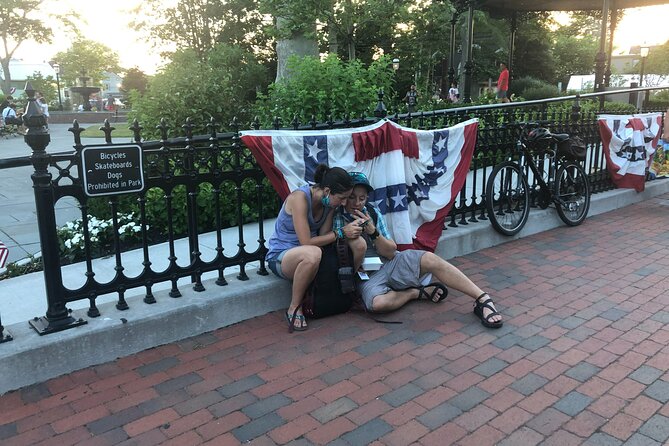
This is not a sit-and-listen tour. The whole point is that you solve a murder while you’re out walking, using your phone to work through the story and unlock the next stage. You’ll be looking for passcodes at each stop, and those codes then trigger the next set of clues.
The murder case centers on Rex King, a silent movie director in Boston in 1926. You’re assembling what you find across multiple historic points, then submitting your response when you’ve gathered enough information to reach the solution. It’s a fun format for people who like puzzles and don’t want their sightseeing scheduled to the minute.
I also like the “no big performance required” vibe. You don’t need to dress up or memorize anything ahead of time. The game gives you the structure, and your job is to read what’s in front of you, then connect it to what the mystery is asking.
You can also read our reviews of more tours and experiences in Boston.



What the game experience is like on your phone and on foot

You’ll need a smartphone and a working web browser to play. That sounds basic, but it matters because the whole hunt depends on getting through each stage in the game. If your connection is spotty or your browser behaves oddly, it can slow you down at the exact moment you want to keep momentum.
The route is short enough to feel doable even if you’re not trying to “train for the tour.” With roughly 1.3 miles (2 km) total walking, you’re moving between stops rather than doing a long day of city miles. At the same time, you should have moderate physical fitness, since you’ll be walking outdoors for the full experience window.
The private group element changes the feel. Instead of competing with strangers for space around a marker, you can talk through clues together and decide where to pause. It’s also easier for groups to split the work—one person spotting the passcode while others read the clue text.
Granary Burying Ground: a stop that rewards careful reading
One of the first stops in the hunt is Granary Burying Ground. This kind of location is perfect for a passcode scavenger format because you can slow down and examine the marker without feeling rushed.
At each stop, you’re searching for a passcode by reading readily accessible historical markers. That means your success isn’t based on guessing trivia from memory. It’s more about attention—take a careful look, and then type or enter what the game asks for.
A practical note: if you tend to skim, this stop will train you to read slower. That’s not a complaint; it’s the mechanism that makes the hunt more interactive than a typical walking route. You’re not just admiring sights, you’re extracting information from them.
If you’re coming as a group, this is also where teamwork can shine. Assign roles: one person scans for the passcode while someone else keeps track of the clue questions as they come in.
Old City Hall: clues that feel like a scavenger hunt, not trivia
Another early stop is Old City Hall. Like the other locations, you’ll be dealing with the rhythm of the game: find the passcode, unlock the next clue set, then continue on to the next historic point.
This is where I think the format is at its best. Trivia tours can feel like they’re testing your knowledge. Here, the hunt is testing your ability to follow a trail—read what’s presented, enter what you find, and use it to reason your way toward the solution.
Because the route is meant to be self-paced, you can spend a little longer here if you’re stuck. You’re not going to get left behind by a guide walking ahead. Just keep an eye on your phone battery and your browser load time.
Boston Commons and the Old State House: the “classic Boston” backdrop
The hunt includes Boston Commons as a key stop, along with the Old State House later on. These are big-name Boston landmarks, and they work well as game settings because people naturally want to look around—so the hunt gives that wandering purpose.
One helpful tip from the experience style is to read the start instructions before you begin in the area around Boston Commons. The game is designed to run smoothly once you’re through the initial setup, but if you start without that clarity, you can end up frustrated with the app instead of enjoying the hunt.
At these landmark-heavy points, you’re likely to get a steady flow of participants’ attention: your group, the phone, and the markers. The outdoor setting keeps it lively. You’re solving while moving, not solving while stuck in one spot.
Also keep expectations realistic about the “history depth.” This experience is built for the murder mystery gameplay first. You might get enough context to answer clue questions, but it’s not a substitute for an in-depth lecture or documentary-style history tour.




The 1.3-mile, 10-stop structure: why passcodes keep you engaged
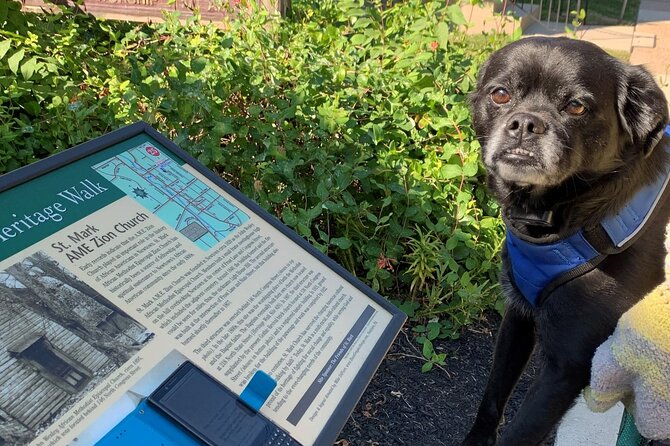
The full route visits 10 stops of historical significance and totals about 1.3 miles (2 km). You’ll gather clues along the way, then assemble and submit your response once you’ve reached the end of the stop list.
Here’s why this structure works well for vacation days. Short distances mean you’re less likely to feel like you’re “only” doing logistics and walking time. Ten stops also means you don’t just see one or two highlights and then coast. You’re continuously switching from observation mode to puzzle mode.
And the passcode mechanic does something subtle: it forces you to interact with the environment. You can’t just stroll through and take pictures. You have to stop, look, and extract text from what’s in front of you. That’s also why free historical markers matter here—they make the hunt feel concrete rather than abstract.
One consideration: if your group dislikes puzzles or group problem-solving, this format may feel like work. It’s designed to be playful, but the gameplay is the center of gravity.
Private group pacing: making it work for friends and family
Because the tour is private and only includes your group, you can pace the hunt around how your people travel. If you like a slower walk with more discussion, you can linger at markers. If you’re the type who wants to finish, you can speed through and keep the momentum.
Group dynamics matter on puzzle tours. This kind of scavenger hunt tends to go best when someone acts as the clue reader and someone else works on the passcode input. That split reduces delays and prevents the classic “everyone reads the same thing and nobody types” problem.
I also like that the experience ends back at the meeting point. That keeps the day feeling contained. You don’t have to worry about coordinating a pickup from a distant neighborhood. You start at 139 Tremont St and finish where you began.
If you’re traveling with mixed ages or mixed puzzle comfort, set expectations early: this is a team-style “solve it together” activity, not a solo audio guide.
Value and expectations: fun mystery first, history second
The experience is included as a fun filled murder mystery, and the game format is built to be entertaining. What’s not included is in-depth historical commentary. That’s not a dealbreaker, but it is the key expectation-setting point.
Some people want the story to explain Rex King’s life and the murder in detail as you go. The structure here is designed to feed you clues and let you figure out the outcome through the puzzle chain. If you prefer narrative depth up front, you might feel like the murder story reveals itself late.
On the upside, the gameplay gives you a reason to stop at places you’d otherwise skim. And the best reviews emphasize exactly that: walking, learning a bit as you go, and laughing while you work through clues as a group.
So the value isn’t in a lecture. It’s in the time you spend outside with a mission, plus the satisfaction of arriving at the solution after 10 clue stops.
Price-fit: who this is worth your time for (and who it might not be)
You may not know the cost before booking, but you can still judge value by match quality. This works best if you want an active activity that mixes sightseeing with a puzzle, and if your group enjoys reading clues and discussing possibilities.
It may not be the best fit if you’re expecting an expert-led deep dive on Boston’s past. The format is interactive, not academic. It also hinges on your device functioning correctly and your team being willing to slow down enough to read markers carefully.
It’s also worth thinking about timing. The experience is listed as about 3 hours. If you’ve got tight plans after, start earlier in your day rather than hoping you’ll “make it up” on a rushed schedule.
If you want a classic guided walking tour with lots of spoken context, this one may feel too game-like.
Tech readiness and common stumbling blocks
The most consistent risk factor is clarity and ease of use. One key negative point was that instructions weren’t clear for using the app on the needed date, and another issue was that people didn’t feel they were getting what they expected from the murder mystery angle until the very end.
I’d treat this as a tech rehearsal situation. Do a quick check before you head out:
- Make sure you’re ready to load the game in a web browser on your phone
- Have enough battery for several stops
- Read the start steps carefully before you’re in the Boston Commons area
If your group is likely to get stressed by setup screens, plan for a calmer approach. Start together, take a minute, and only then begin moving between stops.
Also keep expectations aligned with the format: you’re solving the mystery through clues found on-site, not through a guided narrative tour.
Practical details that help your day go smoothly
You’ll use a mobile ticket and play with a phone. Service animals are allowed, and the meeting area is near public transportation and top attractions, which helps if you’re combining this with other Boston sightseeing.
The game runs daily within the listed open period, and the active hours are shown as 12:00 AM to 11:30 PM for the specified date range. In plain terms, you’re not stuck with only one time slot.
Because the walk is outdoors, wear shoes you’re comfortable in for city sidewalks and marker-hunting stops. Bring water if it’s warm. And if you’re traveling in a group, agree on one person to handle passcode entry so you don’t lose time.
Should you book Mysteries on the Move: Scavenger Hunt in Boston?
Book it if you want a lightly educational, puzzle-first way to see Boston landmarks, and if your group enjoys solving clues together. The private format and the short 1.3-mile route make it feel manageable, even for people who don’t want a long guided day.
Skip it or think twice if you’re expecting in-depth history commentary or a heavy, step-by-step narrative about Rex King during the walk. The biggest deal-breaker is tech clarity. If you’re the type who gets stuck easily on app instructions, do a setup check first.
If you match the vibe—curious, game-ready, and comfortable reading small text at outdoor markers—this is a fun way to turn Boston sightseeing into an actual mystery you can solve.
FAQ
How long does Mysteries on the Move last?
It’s listed as about 3 hours (approx.).
Where does the scavenger hunt start and end?
It starts at 139 Tremont St, Boston, MA 02111, USA, and ends back at the meeting point.
Is this experience private?
Yes. It’s private, and only your group will participate.
What do I need to play the game?
You need a smartphone and a knowledge of your web browser to play.
Which Boston landmarks are included in the route?
The hunt includes stops such as Boston Commons, Granary Burying Ground, Old City Hall, and the Old State House. There are 10 stops total.
Is there a cancellation refund?
No. The experience is non-refundable and cannot be changed for any reason.