REVIEW · MUSEUM & ATTRACTION TICKETS
Boston: WNDR Museum Entry Ticket
Book on GetYourGuide →Operated by WNDR Museum Boston · Bookable on GetYourGuide
Your movements change the art here. At the WNDR Museum Boston, art and technology mix into installations that react to your presence, plus colorful light-and-sound rooms that make the whole visit feel like a live experience. I like that it’s hands-on from the first moment, and I also like the way it ends with a space meant for reflection and leaving your mark. One caution: at $33 for about 1 hour, it can feel a little short if you’re expecting a traditional gallery museum crawl.
You walk in, explore, and set your own pace. There’s no guide included, so you’ll get the most if you lean curious and play along with the interactive bits. The good news is it’s listed as wheelchair accessible, and the host/greeter provides English support.
In This Review
- Quick reasons WNDR Museum Boston is worth your time
- WNDR Museum Boston: art that reacts to your body
- How the one-hour visit actually plays out
- The motion-responsive installations: the whole point is interaction
- Light displays and soundscapes: why this museum feels different
- Augmented reality and collaborative art: when other people change the work
- The reflection space: the quiet ending you might not expect
- Price and value: is $33 for one hour fair?
- Timing, energy, and how to pace yourself
- Practical tips to get the most from your hour
- Who should book WNDR Museum Boston?
- Should you book WNDR Museum Boston?
- FAQ
- How long is the WNDR Museum Boston entry ticket experience?
- How much is the entry ticket?
- Is a guide included with the ticket?
- Does the ticket include skipping the line?
- Is the museum wheelchair accessible?
- What’s the cancellation and payment flexibility like?
Quick reasons WNDR Museum Boston is worth your time
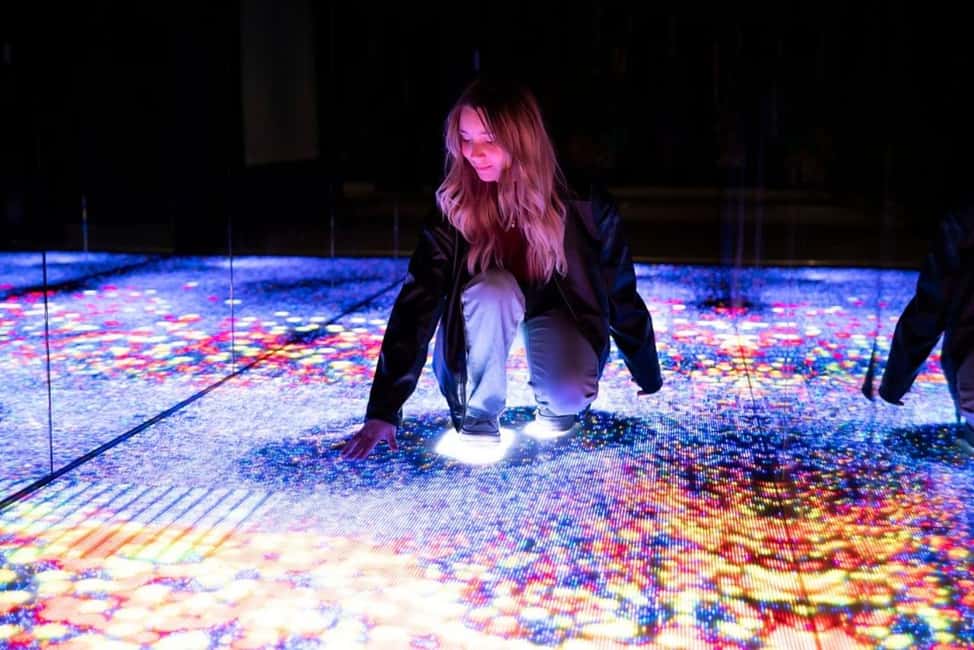
- Interactive installations that respond to your movement, touch, and presence
- Light displays and soundscapes designed to shape the room, not just decorate it
- Augmented reality moments that add a tech layer to the art
- Collaborative pieces that evolve with visitor participation
- A reflection and creativity area where you leave your mark
- New installations throughout the year, so repeat visits can still feel different
WNDR Museum Boston: art that reacts to your body
WNDR Museum Boston is built on a simple idea: don’t just look at the art. Step into it. The museum’s whole pitch is the meeting point of art + technology, using installations that respond to what you do—your motion, your presence, and even touch in some areas.
If you’ve ever felt stuck in museums where everything is behind glass and nothing changes, this flips the script. You’re part of the input. That matters because you’ll remember moments, not just objects—like the time a light form seemed to shift because you moved closer or changed your angle.
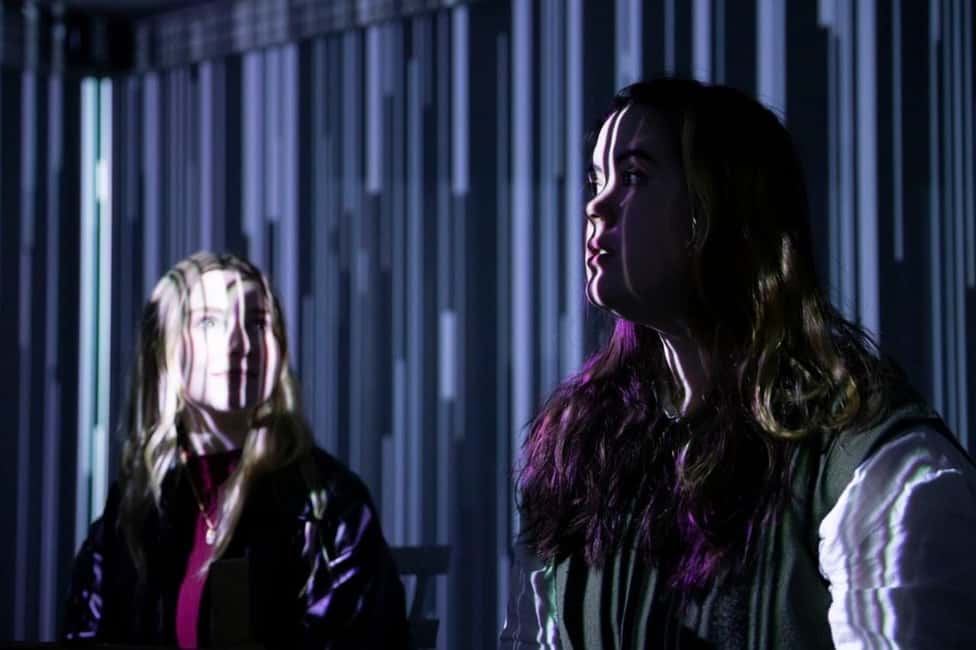
The other big draw is the sensory combo: light displays plus soundscapes. This is not quiet, slow-looking art. It’s closer to a guided-feeling experience where the room itself shapes your mood.
You can also read our reviews of more tours and experiences in Boston



How the one-hour visit actually plays out
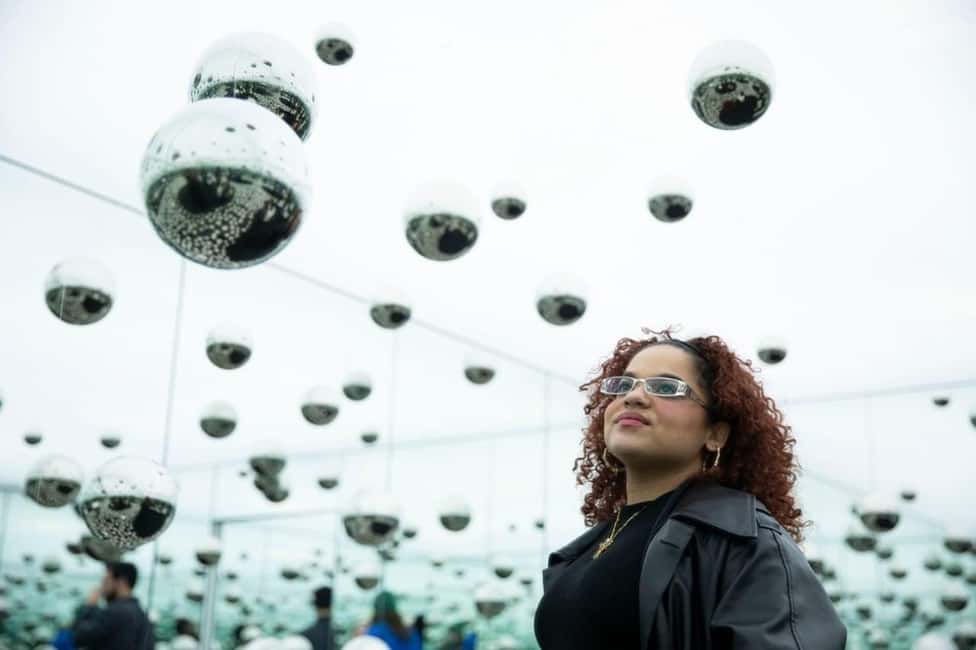
Your ticket is for 1 hour, and that time window is the key to setting expectations. In that hour, you’re not meant to do deep research. You’re meant to wander, test the interactions, and catch the main zones.
A practical way to think about it: you’ll move through multiple multi-sensory areas, each designed around a different kind of interaction. Some spots lean heavy on motion-responsive visuals. Others emphasize audio + light together. You’ll also find sections tied to augmented reality and collaborative art, where your participation can change what you’re seeing or how the piece behaves.
Because there’s no guide included, you won’t have someone narrating what you should notice. That’s liberating if you like to figure things out yourself. It can feel a little aimless if you prefer a structured explanation. So go in with one goal: slow down enough to trigger interactions, not just walk past them.
The motion-responsive installations: the whole point is interaction
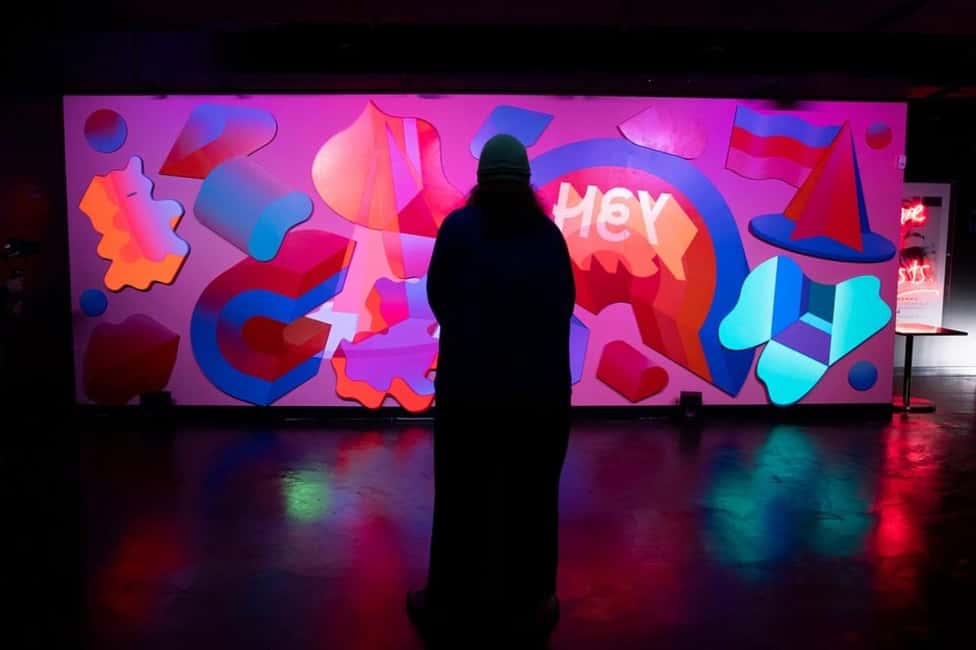
The museum’s signature is interactive installations that respond to your movements and presence. That means you’ll get better results if you move intentionally, try different spots, and pay attention to how your position affects the visuals.
I like this kind of design because it turns you into the curator of your own experience. Instead of waiting for a docent to tell you what matters, you get immediate feedback from the room. If something reacts, you can repeat the action and learn the pattern quickly.
One consideration: the experience is physical. Some installations are likely to work best when you can stand, move, and come close to sensors or surfaces. The museum is wheelchair accessible, but your enjoyment may depend on which interactive elements you can comfortably access. If you use a mobility aid, it’s smart to plan on spending extra time in the areas where the interaction clearly accommodates your position.
Light displays and soundscapes: why this museum feels different
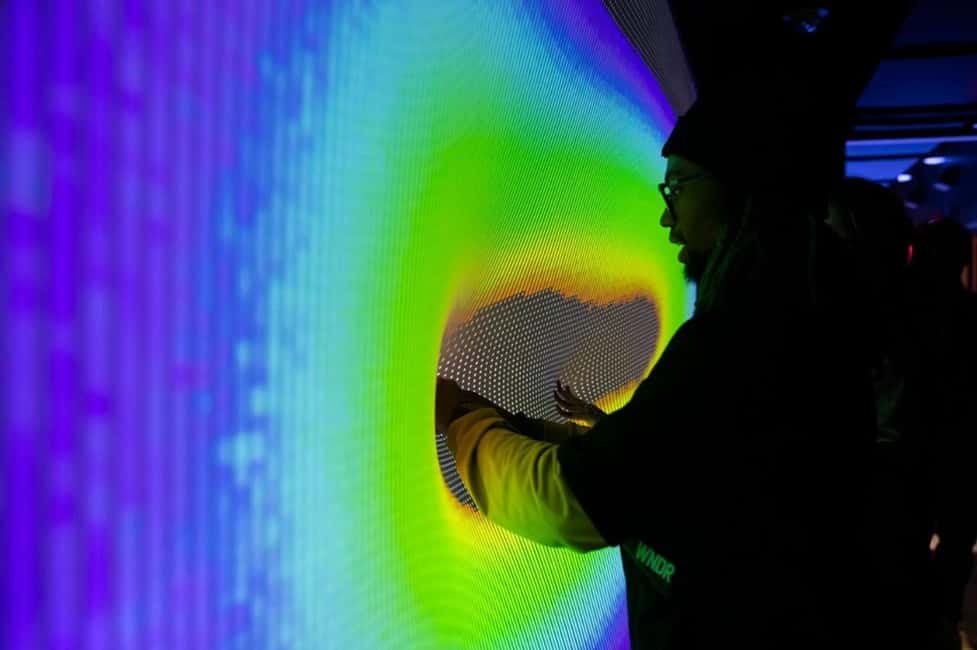
WNDR Museum Boston isn’t relying only on screens or only on lighting. It pairs light displays with soundscapes, which changes how you experience space. When audio and visual cues are synced, the installation can feel like it has its own weather—something happening around you, not just something in front of you.
This also explains why the museum’s duration matters. In a shorter window, you’re more likely to leave with strong impressions. It’s designed to hit quickly: you enter, your senses start working, and the room nudges you into interacting.
A small practical tip: keep an eye on pacing. If you get too fixated on one light moment, you may run out of time before trying the other types of interactions (especially the AR and collaborative pieces). I’d treat the hour like a playlist: a few standout tracks, not one song on repeat.
Augmented reality and collaborative art: when other people change the work
Two of the most interesting themes here are augmented reality and collaborative art pieces.
Augmented reality adds a layer on top of the real space. Even without a guide, you can usually tell when you’ve entered an AR zone because the installation is built to blend what’s around you with a digital overlay. This is the kind of tech that works best when you actively participate—look, move, and follow the prompts the installation is giving you.
Then there’s the collaborative angle. These are pieces meant to evolve with visitor participation. That’s a big shift from the typical museum model. Your actions aren’t just personal; they can contribute to what others see, too.
Here’s the balanced take: collaborative pieces can be more fun when you don’t mind other people nearby. If you prefer solitude, choose your timing. If you’re okay with crowds and shared energy, these sections can be the highlight of your visit.
You can also read our reviews of more museum experiences in Boston






The reflection space: the quiet ending you might not expect
Most people think this kind of museum ends with one more flashy room. WNDR Museum Boston does something smarter: it closes with a space designed for reflection and creativity, including an area where you can leave your mark.
That matters because it turns the experience from pure stimulation into something more personal. After you’ve spent the hour reacting to the art, this ending lets you reset. It also gives you an artifact of sorts—something that signals you were part of it, not just an observer.
If you like a final moment that feels calmer, plan to save time for it. Don’t sprint to the last room. Let the final space land while you still have energy.
Price and value: is $33 for one hour fair?
At $33 per person for about 1 hour, the value question is real. This isn’t a museum ticket that stretches into an all-day self-paced visit. It’s more like an experience ticket: you buy time in a designed environment.
So here’s how I judge the value.
You’ll likely feel it’s worth it if:
- You like hands-on tech art and motion-based interactions
- You enjoy light + audio environments more than quiet looking
- You want a short, memorable activity that doesn’t require planning
- You’re interested in AR and collaborative participation
It might feel expensive if:
- You mainly want classic exhibits—labels, historical context, slow wandering
- You want a long visit with lots of different galleries
- You need a guided explanation to connect the dots
The good news: because it’s only an hour, you’re not risking a huge chunk of your day. If you treat it as an interactive show—because that’s the best comparison—it can be a solid use of time in Boston.
Timing, energy, and how to pace yourself
The ticket is for 1 hour, and availability is listed as morning, afternoon, and evening. That flexibility is useful. If you go during a time slot when the museum feels calmer, you’ll likely have an easier time testing interactions at your own pace.
I also recommend you arrive ready to participate. Wear comfortable shoes. Bring your patience for technology that sometimes needs a moment to register you. And don’t treat each installation like a photo spot only. Treat it like a puzzle: move, try, see what changes.
If you’re visiting with kids or teens (or anyone who likes playful activities), you’ll probably have an easier time getting the most out of the interactive parts. For adults who prefer silence and traditional museum structure, you may still enjoy it—but you should go with the right mindset: this is active art.
Practical tips to get the most from your hour
I’d plan your visit like this:
- Start slow and test the sensors early. If an installation reacts to your presence, find the pattern quickly by moving a few steps and changing angles.
- Budget time for every type of zone. Aim to hit motion-responsive areas, then make sure you reach the augmented reality and collaborative sections.
- Save energy for the final reflection area. Ending well changes how the whole visit feels.
- Don’t wait for the perfect moment. If a piece responds to you, it won’t respond to perfection. It responds to action.
And one more thing: since there’s no guide, you’re the interpreter. If you see an interactive prompt, try it. If something looks like it’s meant to be touched or moved through, assume it is.
Who should book WNDR Museum Boston?
This experience fits best if you’re excited by the idea of art that changes as you interact with it. You’ll probably love it if your taste runs toward playful creativity—light, sound, tech, and participation.
It’s also a strong pick for people who want a concentrated activity in Boston that doesn’t require a huge time commitment. One hour is easy to plug into a day with other plans.
If you want a quiet, scholarly museum experience, you might feel underwhelmed. But if you want something fun that makes you move, look twice, and laugh at how the room responds—this is built for you.
Should you book WNDR Museum Boston?
I’d book it if you want a short, high-impact creative experience built around interactive installations, light-and-sound, AR, and collaboration. The $33 price makes sense when you treat it like a designed show rather than a classic museum visit, especially because it’s only one hour.
I’d think twice if you’re aiming for a long, traditional museum day or you prefer guided storytelling. With no guide included, the experience rewards curiosity and willingness to play.
If you’re on the fence, use a simple filter: do you want art that responds to you? If yes, this is a very good use of time in Boston.
FAQ
How long is the WNDR Museum Boston entry ticket experience?
The experience duration is listed as 1 hour.
How much is the entry ticket?
The price is listed as $33 per person.
Is a guide included with the ticket?
No. A guide is not included.
Does the ticket include skipping the line?
Yes. The experience lists skip the ticket line.
Is the museum wheelchair accessible?
Yes, it is listed as wheelchair accessible.
What’s the cancellation and payment flexibility like?
It offers free cancellation up to 24 hours in advance for a full refund. It also lists a reserve now & pay later option where you keep your travel plans flexible and pay nothing today.