REVIEW · WORKSHOPS
Sushi Making Class at a Local Distillery in Boston
Book on Viator →Operated by Classpop! · Bookable on Viator
Sushi and cocktails, in one class. I like how the session stays hands-on from the first spoonful of miso soup, and I like that you finish by eating what you made with your table. Chef Harold’s teaching style is upbeat and practical. One thing to consider: drinks at the bar are extra, and prices run about $3 to $20.
You meet at Short Path Distillery in Everett (71 Kelvin St), start at 7:00 pm, and keep things moving for about 2 hours. The group stays small (max 25), and it’s set up for both beginners and experienced cooks—plus there’s an English option and a mobile ticket.
In This Review
- Key Highlights You’ll Feel Fast
- A Boston Distillery Where Sushi Actually Makes Sense
- Meeting at Short Path Distillery: Timing and Getting Oriented
- The 7:00 pm Flow: What Happens From Start to Finish
- What You’ll Cook: The Included Menu and Why It’s Smart
- Starter
- Main options (hand rolls and a roll)
- How Sushi Rice and Rice Handling Become Teachable
- Uramaki and Temaki: Two Techniques, One Skill Set
- Uramaki (inside-out rolls)
- Temaki (hand rolls)
- The Best Part: Eating Your Rolls Right Away
- Price and Value: Is $75 Reasonable Here?
- Who This Class Suits Best (and Who Might Pass)
- Small Practical Tips Before You Go
- Should You Book Sushi Making at Short Path Distillery?
- FAQ
- How much does the sushi making class cost?
- How long is the class?
- Where do I meet for the class?
- Is the class good for beginners?
- What sushi styles will I learn?
- What food is included in the price?
- Are drinks included?
Key Highlights You’ll Feel Fast
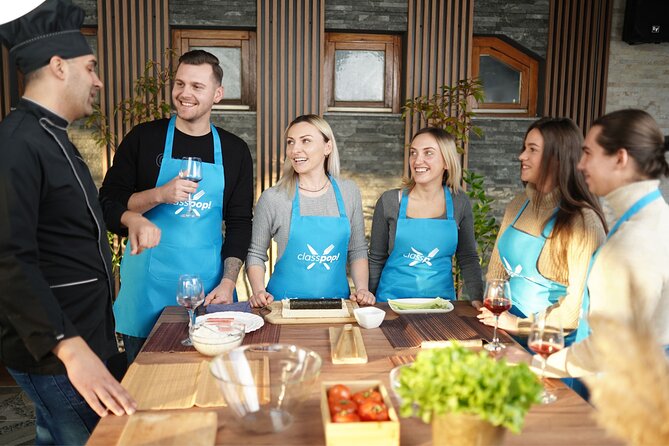
- Chef Harold guides both beginners and repeat sushi makers without making you feel lost.
- You learn two roll formats: uramaki (inside-out) and temaki (hand rolls).
- Your meal is included after class, so you’re not just learning—you’re eating.
- Miso soup comes first, setting a warm, savory base for everything else.
- You can sip craft spirits from the distillery, with drinks sold separately.
A Boston Distillery Where Sushi Actually Makes Sense
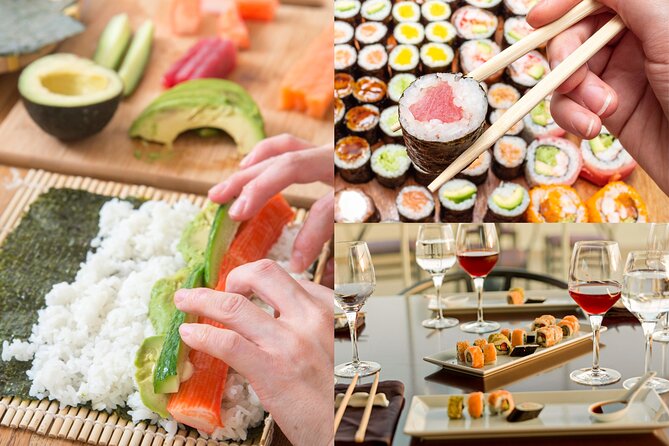
This class works because it fits two worlds that often stay separate. You get hands-on sushi instruction, but the setting is a lively distillery in Everett instead of a quiet studio kitchen. That matters for the vibe. If you want food skills and a social night out, this is built for that.
Short Path Distillery also keeps the evening easygoing. You’re around people who care about food—some are there for date night, some for a group activity, and some just want to learn a skill they can repeat at home. The format is relaxed enough that beginners don’t feel put on the spot, but it still covers the real fundamentals you need to roll confidently.
Chef Harold brings the energy. In the best classes, the instructor makes timing and technique feel simple. That’s the goal here, and it shows in how the lesson is structured: start with flavor (miso), then move to rice, then to rolls.
You can also read our reviews of more tours and experiences in Boston

Meeting at Short Path Distillery: Timing and Getting Oriented
You’ll meet at Short Path Distillery, 71 Kelvin St, Everett, MA 02149. The class starts at 7:00 pm and runs about 2 hours. It ends back at the meeting point.
This is also a practical location choice. The venue is near public transportation, so you’re not forced into a car-only night. And since it’s a distillery, it tends to feel like a real outing rather than a drop-in class.
A few details you’ll want to plan around:
- Arrive a bit early so you can settle in before rolling starts.
- Bring your appetite. The meal you make is part of the experience.
- If you’re sensitive to timing, remember it’s an evening start. You’ll want dinner plans that don’t swallow your appetite.
The session supports a range of dietary needs. If you have restrictions, tell the team in advance so they can tailor the experience to what they can accommodate.
The 7:00 pm Flow: What Happens From Start to Finish
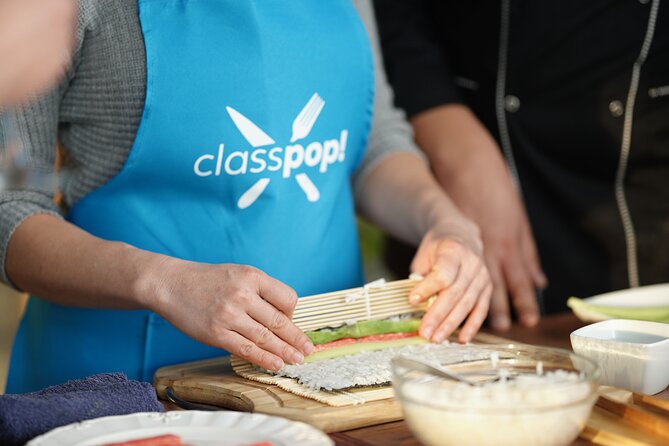
The class follows a clear food path. That’s a good sign when you’re paying $75 and want real takeaways.
First, you make miso soup. You’ll use miso paste, dashi, and wakame seaweed. It’s not just a starter. It’s also a reminder that good sushi isn’t only about the roll. Flavor balance matters, and you taste it immediately.
Then you get into the two sushi styles:
- Uramaki (inside-out rolls)
- Temaki (hand rolls)
You also practice the backbone ingredient: sushi rice. That’s usually where home cooks struggle. Get the rice right, and everything gets easier.
By the end, you dine on your own creations with your classmates. That’s a big part of the value here. Learning feels better when you get a plate in front of you right away.
What You’ll Cook: The Included Menu and Why It’s Smart
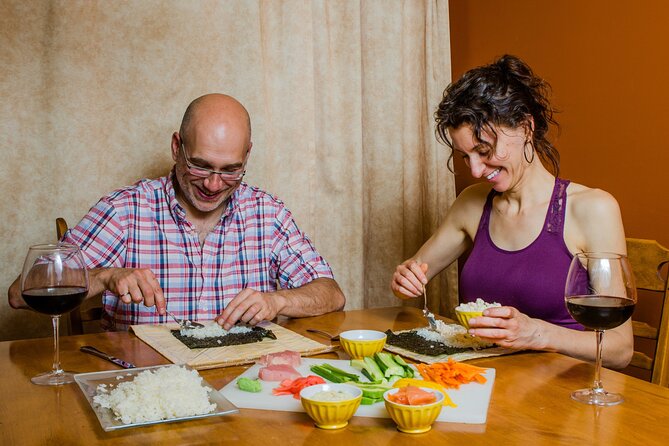
This is one of those classes that keeps the food choices focused instead of random.
Starter
Miso Soup
Made with miso paste, dashi, and wakame seaweed.






Main options (hand rolls and a roll)
You’ll build rolls like:
- Shrimp Tempura Hand Roll: shrimp, nori, and sushi rice
- Sweet Potato Hand Roll: sweet potato, nori, and sushi rice
- Spicy Tuna Roll: tuna, sushi rice, and nori
Hand rolls are the sweet spot for learning because they teach shape fast. You can see your progress right away. Uramaki rolls teach you how to manage the layers without making it messy, which is where many people get stuck at home.
One note: drinks aren’t included. You can buy them at the bar. That’s normal for this kind of venue, but it does affect your budget if you plan on pairing spirits with every round.
How Sushi Rice and Rice Handling Become Teachable
Sushi rice is the make-or-break skill. Most home attempts fail because of texture, temperature, or seasoning balance. This class tackles it directly, which is why beginners tend to walk away feeling like they can try again.
You’ll get instruction on the fundamentals so you understand what you’re doing, not just copying a diagram. Even if you’ve watched sushi videos before, an in-person teacher helps you correct things fast—how you spread, how you handle grains, and how you keep the roll from turning into a sticky science project.
This is also where Chef Harold’s approach helps. The class isn’t just steps. It’s tips and small adjustments you’ll use again and again.
A couple of practical mindset shifts you’ll pick up:
- Sushi is about consistency, not perfection.
- Practice beats panic. If your first roll looks rough, that’s part of the learning loop.
- Rice management is easier when you treat the rice like a working ingredient, not something you set aside and forget.
Uramaki and Temaki: Two Techniques, One Skill Set
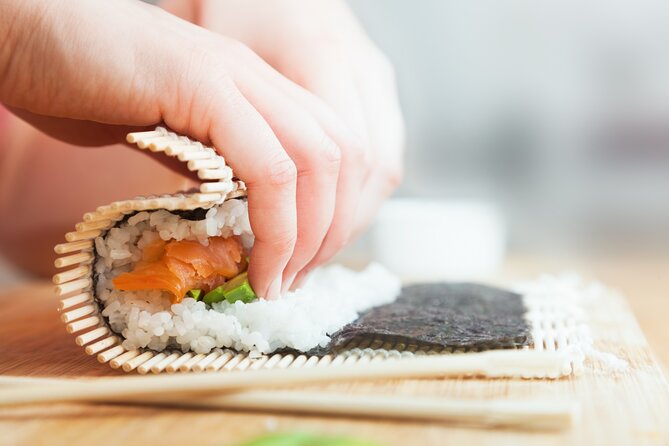
Learning both uramaki and temaki is a smart deal for $75, because you’re not only learning one format. You’re learning two different ways to think about sushi.
Uramaki (inside-out rolls)
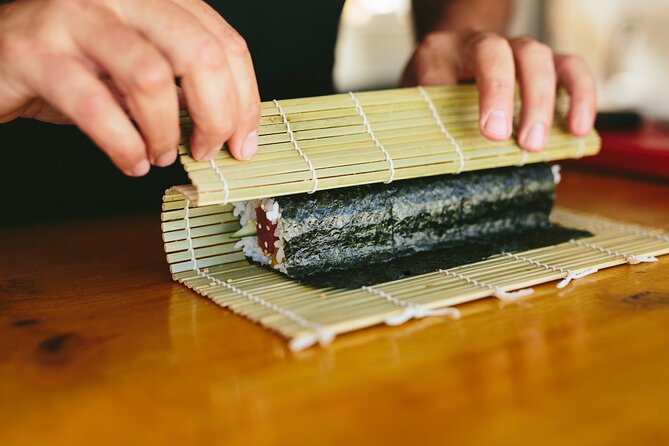
Inside-out rolls teach you how to layer without flipping your expectations. You’re working with the rice on the outside, and that changes how the roll feels and holds together. It’s also the style people most want to master at home because it looks polished.
Temaki (hand rolls)
Temaki is the fast, hands-on cousin. You learn how to form a cone shape, build your filling, and keep the nori functional. That makes it great for beginners and also useful for experienced cooks who want a repeatable template.
From the reviews, one theme comes up clearly: Chef Harold explains in a way that helps people get it quickly. That’s huge if you’re booking as a first-time class.
The Best Part: Eating Your Rolls Right Away
You don’t leave with empty hands—literally. The meal is included, and you eat what you make with your classmates.
That does two things:
- It keeps the class from feeling like a long lesson with no payoff.
- It gives you feedback in real time. If your roll is too tight or too loose, you feel it when you bite.
Some classes end after the last station and you’re on your own. This one ties the bow. It’s also a fun social moment. You’re sharing plates, trading tips, and seeing how different your neighbors’ rolls turned out even with the same instruction.
If you make extra, there may be a way to take some with you, depending on how the class finishes up. If that matters to you, ask on arrival so you know what to expect.
Price and Value: Is $75 Reasonable Here?
At $75 per person, this class lands in the “worth it if you want real instruction” category, not the “pay for a gimmick” category.
Here’s why the value holds up:
- The experience is hands-on for the full session.
- Ingredients and tools are included.
- You get a full meal that you cook.
- The group stays limited (max 25), which usually means more attention than a big event.
- You’re taught by Chef Harold, with plenty of guidance.
Now, the honest budget note: drinks are extra. If you plan to add craft cocktails or spirits, set aside additional money. Drinks at the bar run about $3 to $20, so you can keep it modest or go all-in. Either way, it’s simple—you control it.
For me, the biggest value driver is that you’re leaving with skills you can repeat. You’re not just tasting sushi; you’re learning the process.
Who This Class Suits Best (and Who Might Pass)
This is a strong fit if you want a social night that still teaches you something concrete.
You’ll likely enjoy it if you:
- Want to learn sushi basics without needing prior experience.
- Like food classes with a real chef teacher and structured guidance.
- Prefer an event that includes eating your own work, not just watching.
It’s also a great choice for a date night. The vibe is upbeat, and the experience is active enough that it doesn’t turn into awkward small talk for two hours.
You might consider skipping this class if:
- You only want a quick tasting and have no interest in cooking.
- You don’t want any extra spending on drinks at the bar.
- You’re strict about timing and prefer daytime activities.
Also, the activity needs good weather. That doesn’t mean you’ll be outdoors constantly, but it does mean schedule changes can happen if conditions are poor.
Small Practical Tips Before You Go
These are the habits that make classes smoother:
- Wear something comfortable. Your hands will do work, especially with temaki shaping.
- Expect a learning curve on rice handling. Even experienced cooks need a few minutes to match the teacher’s method.
- If you have dietary needs, communicate them ahead of time so the class can tailor what’s possible.
If you want to turn this into a repeatable skill, treat the evening like a mini workbook: ask questions while you’re building, and pay attention to how Chef Harold corrects technique. That’s where the real home-cook payoff comes from.
Should You Book Sushi Making at Short Path Distillery?
Book it if you want a hands-on sushi class in Boston that feels like a real night out. The format is built for beginners and still offers enough structure to satisfy experienced home cooks. Chef Harold’s teaching style gets praise for being fun, organized, and easy to follow—and the included meal means you’re not walking away just with theory.
Skip it if you’re looking for a low-key tasting only, or if extra bar spending would annoy you. Also, if weather could be a problem for you that evening, you may want a flexible plan.
If you do book, you’ll likely come away with two roll styles you can attempt again, plus practical rice and technique tips you’ll actually use.
FAQ
How much does the sushi making class cost?
It costs $75.00 per person.
How long is the class?
The class lasts about 2 hours.
Where do I meet for the class?
You meet at Short Path Distillery, 71 Kelvin St, Everett, MA 02149.
Is the class good for beginners?
Yes. It’s designed to be enjoyed by both beginners and expert cooks, and it’s set up with no prior cooking experience needed.
What sushi styles will I learn?
You’ll learn uramaki (inside-out rolls) and temaki (hand rolls).
What food is included in the price?
You’ll make and eat a full meal you cook yourself, including miso soup and rolls such as shrimp tempura hand roll, sweet potato hand roll, and spicy tuna roll.
Are drinks included?
Drinks are not included. Drinks are available for purchase at the bar, with prices ranging from about $3 to $20.