REVIEW · FOOD
️ Boston Most Famous Foodie Tour (Private & All-Inclusive)
Book on Viator →Operated by ForeverVacation · Bookable on Viator
Boston tastes fast, with famous stops.
This private tour is built to help you see the city while you eat along the way, and it layers that with a walk through the Freedom Trail area and several major Boston landmarks in one tight route.
I like the practical flow: you hit big-picture history sites like the Paul Revere House and Bunker Hill Monument, plus modern anchors like the New England Aquarium, so your time doesn’t get stuck in only one neighborhood. I also like the guide’s energy—one guide named Manny stood out for many guests—and the whole thing can be customized to your interests.
One thing to watch: the tour’s name says foodie, but at least one review called it more historical than food-focused. If tasting is your top priority, make sure you’re aligned on what you’ll actually eat before you go.
In This Review
- Key things to know before you go
- Why this Boston private food tour works (when you want both eating and seeing)
- The start point: Aquarium T Station and the Haymarket finish
- Freedom Trail leg: the 2.5-mile backbone of the day
- New England Aquarium: big attraction, quick payoff
- Paul Revere House and Bunker Hill Monument: American Revolution in two strong punches
- Harvard Museum of Natural History and Franklin Park Zoo: science stops that change the mood
- Cemeteries and old government buildings: Granary Burying Ground and Old State House
- Old North Church and the famous signal story
- Markets and shopping stops: where the foodie label makes sense
- Faneuil Hall Marketplace and Quincy Market
- Copley Place
- Fenway Park and Isabella Stewart Gardner Museum: Boston culture beyond the obvious
- Isabella Stewart Gardner Museum
- Fenway Park
- The floating history museum stop: a wild card that can be a highlight
- About the guide: Manny’s name came up for a reason
- Price and value: is $288 per person fair for this 3-hour private tour?
- Weather and walking reality check
- Who should book this tour?
- Should you book it?
- FAQ
- How long is the Boston Most Famous Foodie Tour?
- Where does the tour start and end?
- Is this tour private?
- What language is the tour offered in?
- Do I get a mobile ticket?
- What happens if the weather is bad?
- Is there a cancellation deadline for a full refund?
Key things to know before you go
- A “private” setup that saves time: you’re not stuck waiting on a large group and you can steer the pace toward what you care about.
- Freedom Trail walking is part of the plan: the route includes the 2.5-mile trail that links 16 key sites.
- Expect major sights, not just food stalls: the itinerary includes the Aquarium, Paul Revere House, Bunker Hill Monument, Old North Church, and more.
- Quick stops mean smarter sampling: the tour is short (about 3 hours), so you’ll likely get tastes and quick bites rather than a slow sit-down meal tour.
- Guide quality matters here: Manny was specifically mentioned positively, and a good guide can shift the day from “sightseeing” to “you get it.”
- Food focus may vary: because the concept is foodie + history, confirm how much eating you’ll do versus touring.
Why this Boston private food tour works (when you want both eating and seeing)
Boston can feel split into chunks: Back Bay shopping, the North End, waterfront attractions, and the Beacon Hill/State House history zone. This tour’s main strength is that it stitches those chunks together into one morning/afternoon-type loop, so you don’t lose half a day bouncing between far-apart areas.
The “all-inclusive” idea also matters for how you plan your day. Instead of you choosing which stops to research and which lines to fight, you show up at the start point near the aquarium area and let the itinerary do the heavy lifting. You still get choices, but the route is built for speed.
This is the kind of tour that feels especially good if you:
- want a first pass at Boston’s signature neighborhoods
- love history but also don’t want to skip the fun part (eating)
- prefer a tighter plan over wandering
You can also read our reviews of more tours and experiences in Boston

The start point: Aquarium T Station and the Haymarket finish

The tour begins at Aquarium T Station (183 State St). That location is central to getting into downtown quickly, and it’s an easy anchor if you’re already planning to visit the waterfront anyway.
It ends at Haymarket (136 Blackstone St). The guide helps you finish up by steering you onto the subway at Haymarket Station. For me, this is a big practical win: you get a clear exit strategy for your next plan, instead of feeling stuck where the tour ends.
Because the tour is about 3 hours, your day can stay flexible after. You’re not committing to the rest of the afternoon just to get back to where you started.
Freedom Trail leg: the 2.5-mile backbone of the day
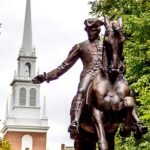
The Freedom Trail is one of those Boston things you either do properly once or you end up hearing about forever. Here, it’s built into the tour as a core segment: the trail is 2.5 miles long and passes by 16 locations significant to U.S. history.
What’s valuable about doing this on a guided tour is the context. The trail isn’t just a long red-line walk. It’s a chain of places that help you connect the American Revolution story from point to point, so the city stops feel linked instead of random.
Potential drawback: a “3-hour” tour plus a 2.5-mile component means you’ll be on your feet. If you’re not comfortable walking for at least part of that distance, you may want to adjust expectations (or wear shoes you trust). Also, if you’re a strict foodie and want lots of structured tastings, this segment can dominate the time—especially if your guide leans history-heavy.
New England Aquarium: big attraction, quick payoff
The itinerary includes the New England Aquarium, a public aquarium in Boston. It also mentions extra offerings like the Simons IMAX Theatre and Whale Watch (operates April through November).
Even if you only get a shorter stop here, the Aquarium is a smart anchor because it’s a world-recognizable attraction. It gives the day a modern, crowd-pleasing component right alongside the colonial-era stops.
If you’re traveling with kids or you want a “break” from constant historical landmarks, this stop helps reset the pace. Just note: the Aquarium is a full attraction on its own, so if you want an in-depth look, you’d pair this tour with a separate visit time.
Paul Revere House and Bunker Hill Monument: American Revolution in two strong punches
Two of the tour’s history hits are:
- Paul Revere House (built c. 1680), described as the colonial home of Paul Revere during the Revolution
- Bunker Hill Monument, built to commemorate the Battle of Bunker Hill (June 17, 1775), one of the early major battles between British and Patriot forces
Why these work on a tour like this: they make the Revolution feel tangible. Paul Revere’s house gives you a human-scale setting, while Bunker Hill Monument points you to the bigger battlefield memory.
Trade-off: if you’re expecting a pure food tour, these stops can shift the mood. A history-first day can still be enjoyable, but it may not match the vibe you want if tasting is your main goal.
You can also read our reviews of more private tours in Boston

Harvard Museum of Natural History and Franklin Park Zoo: science stops that change the mood
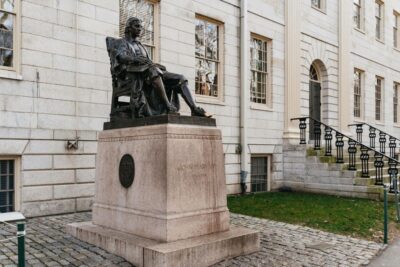
This tour also includes the Harvard Museum of Natural History, housed in the University Museum Building on Harvard’s campus in Cambridge. It’s a nice contrast to the downtown history theme.
Then there’s Franklin Park Zoo, listed as a 72-acre zoo operated by Zoo New England (also operating Stone Zoo in Stoneham).
These are not the classic “food tour” additions, and that’s kind of the point. The day becomes a sampler platter of Boston-area culture: Revolutionary era + big institutions + wildlife/science vibes.
If your idea of a food tour is mostly eating in tight downtown markets, these zoo/museum pieces could feel like detours. But if you like mixing landmarks and you don’t mind a broader sweep, they add variety without turning the day into a single-theme slog.
Cemeteries and old government buildings: Granary Burying Ground and Old State House
You get two stops that add depth fast:
- Granary Burying Ground: Boston’s third-oldest cemetery, founded in 1660 and located on Tremont Street
- Old State House: built in 1713, and it was the seat of the Massachusetts General Court until 1798; it’s one of the oldest public buildings in the U.S.
These stops are especially good if you like history that feels embedded in everyday streets. Cemeteries are often where you see the layers of a city—names, time periods, and how the city remembers its people. Old State House helps anchor the political backbone of the story.
For a shorter tour, the key is how the guide frames it. A good guide helps you connect these sites to the larger narrative instead of listing dates.
Old North Church and the famous signal story
The itinerary includes Old North Church (193 Salem Street in the North End). It’s identified as the place associated with the famous signal: one if by land, two if by sea.
This is one of Boston’s “you’ve heard the phrase, now see the place” stops. It gives you a vivid hook for the Revolution story, especially if you’ve seen references in books or movies.
Bonus: it’s in the North End area, a neighborhood people often associate with food. So even if the day isn’t strictly tastings all the time, you’re nearby a food-friendly part of town.
Markets and shopping stops: where the foodie label makes sense
Now for the parts that connect most directly to the foodie idea.
Faneuil Hall Marketplace and Quincy Market
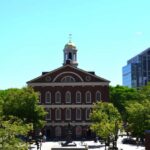
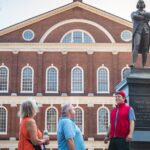
The day includes Faneuil Hall Marketplace with an admission note that says the ticket is free, and it lists it as a shopping/restaurant area made up of three historic market buildings plus a promenade (around 15 minutes).
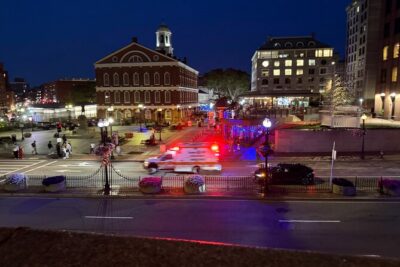
Then you have Quincy Market, a historic market complex near Faneuil Hall, constructed in 1824–26 and named in honor of Mayor Josiah Quincy (noted as organizing construction without any tax or debt).
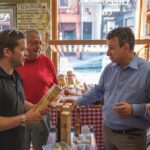
These are the kind of locations where you can actually get a feel for Boston’s “walk, snack, repeat” energy. Even if your guide’s approach leans more historical, the markets give you natural opportunities for bites and quick stops.
Copley Place
The itinerary also lists Copley Place, an upscale enclosed shopping mall in Back Bay. The info includes that as of May 2020, it’s anchored by Neiman Marcus.
This isn’t a street-food place. It’s more of a convenient, climate-safe stop if weather is an issue. It can be useful if you want a break from walking and want shops/restaurants nearby.
Fenway Park and Isabella Stewart Gardner Museum: Boston culture beyond the obvious
Two of the listed stops add a different kind of personality to the day.
Isabella Stewart Gardner Museum
The tour includes a museum tied to Isabella Stewart Gardner. The info says that after her husband died in 1898, she bought land in Boston’s Fenway area to open a museum for her Italian art collection.
This is a great stop if you like art that feels personal and curated by someone with strong taste. Even a brief exterior or general stop can help you understand why Fenway isn’t just sports—it’s cultural real estate too.
Fenway Park
The itinerary also includes Fenway Park, with details that it’s the oldest Major League Baseball stadium still in use and was built in 1912. It notes that you can take a one-hour walking tour to learn more.
On a three-hour total tour, you probably won’t do a full walking tour unless your schedule fits. Still, including Fenway Park gives the day a modern, distinctly Boston identity.
The floating history museum stop: a wild card that can be a highlight
One part of the itinerary calls out a floating history museum with live reenactments, multimedia exhibits, and a tearoom.
Since the info you have here doesn’t name the ship or operator, I can’t pin down which exact attraction it is. But the format itself is useful to know: floating museum + live reenactments often turns history into something you can actually feel, not just read about.
If you want your history stops to be interactive rather than purely “look at a sign,” this could be a great moment in the day.
About the guide: Manny’s name came up for a reason
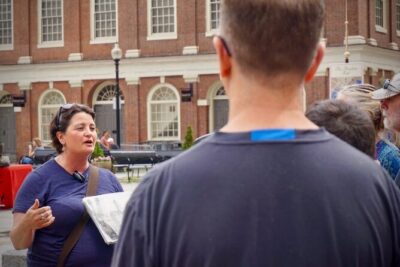
A review singled out a guide named Manny, and that’s a meaningful clue. In a tour that blends food, markets, and a wide spread of historical landmarks, the guide has to do more than recite facts—they need to connect the dots and keep the group moving.
Where guides can make or break the experience:
- setting the right expectation on how food-forward the day is
- keeping the day efficient so you don’t lose time waiting
- making the historical stops feel like stories, not just sites
That’s why the one drawback matters: if you book expecting a foodie-first tasting tour, you could leave feeling like the history took over. If your goal is Boston landmarks with some eating built in, you’re more likely to feel satisfied.
Price and value: is $288 per person fair for this 3-hour private tour?
At $288 per person for about 3 hours, this isn’t the cheapest way to do Boston. But it can be good value depending on what you’re trying to buy with your time.
This price makes sense if you:
- want a private pacing you control
- want someone to connect history landmarks to the bigger story
- like the mix of markets and major attractions in one sweep
It may not feel as fair if you:
- mainly want food tastings and structured eating stops
- expect the day to function like a strict “food tour” with lots of dedicated tasting time
A practical move: before you go, think of the foodie label as a blend. If tasting is essential, get clarity on what that means in the itinerary you’ll follow.
Weather and walking reality check
The experience notes that it requires good weather. That’s a clue the route depends on outdoors time—especially with the Freedom Trail segment and the spread of landmarks.
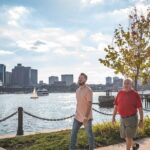
So if Boston weather is unpredictable during your visit window, you should plan for flexibility. Also, since the Freedom Trail is 2.5 miles, expect you’ll be walking enough to need comfortable shoes and a snack mindset.
Who should book this tour?
I think this tour fits best if you want:
- a Boston overview that connects neighborhoods and key landmarks
- history that’s explained with an eye toward how the city formed
- a private guide approach for a tighter, easier day
It’s also a good pick if you love mixing categories: museum/science stops plus the Revolution story plus market vibes.
I’d think twice if you:
- want a food tour with heavy, repeated tastings as the main event
- strongly prefer one neighborhood or one theme
- dislike walking and long outdoor stretches
Should you book it?
If you’re the type who wants Boston to make sense fast—history, markets, and famous attractions in one guided path—this is a strong candidate. The private format and the range of stops can turn a short visit into a well-connected day.
Just be honest with yourself about the expectation. With the tour spanning major landmarks and multiple museums/zoos/sports/cemeteries, it can drift history-heavy. If you’re booking for the eating side, confirm how foodie-focused it will be in your schedule. If you do that, you’re set up for a fun, efficient, and very Boston experience.
FAQ
How long is the Boston Most Famous Foodie Tour?
The tour lasts about 3 hours.
Where does the tour start and end?
It starts at Aquarium T Station, 183 State St, Boston, MA 02109, and ends at Haymarket, 136 Blackstone St, Boston, MA 02109. The guide helps you board the subway at Haymarket Station.
Is this tour private?
Yes. It’s a private tour/activity, so only your group participates.
What language is the tour offered in?
The tour is offered in English.
Do I get a mobile ticket?
Yes. A mobile ticket is included.
What happens if the weather is bad?
The experience requires good weather. If canceled due to poor weather, you’ll be offered a different date or a full refund.
Is there a cancellation deadline for a full refund?
Yes. You can cancel up to 24 hours in advance for a full refund (cut-off is based on local time).