REVIEW · FOOD
Boston: Chinatown Food Tasting & Cultural History Tour
Book on GetYourGuide →Operated by Bites of Boston Food Tours · Bookable on GetYourGuide
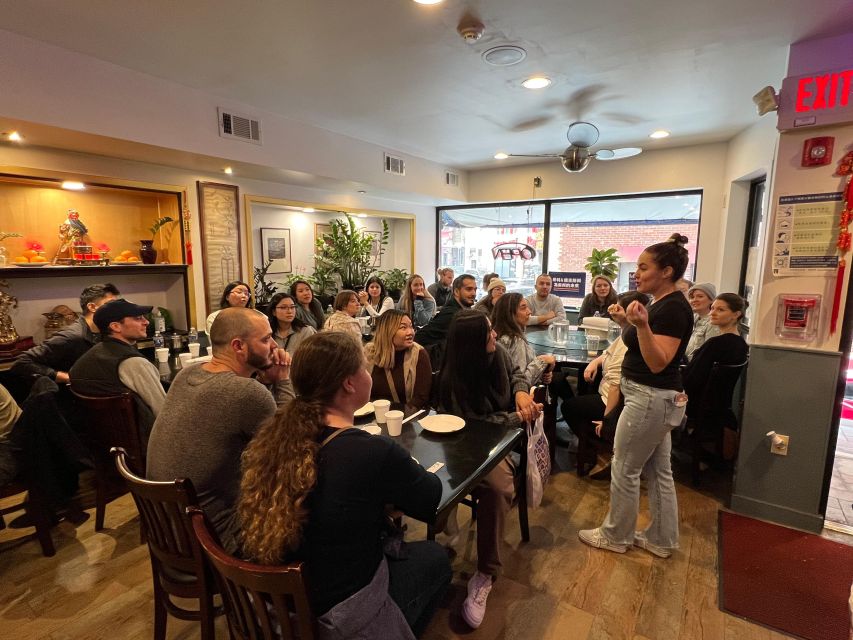
Chinatown can be tasted in real time. This 3-hour walking food tour starts at the Chinatown Gate and pairs street-level history with six stops for sweet and savory bites across traditional Chinese, modern-day Chinese, and Chinese-American flavors. I love that the tour explains how Boston’s Chinese community shaped the food you eat today, not just what you’re eating.
I also like the pacing: you get enough food to feel like a satisfying lunch, plus mini lessons at the sites that matter, including the oldest spots. The one drawback to plan around is that there’s at least one restaurant stop reached by a flight of stairs with no elevator.
In This Review
- Key highlights
- Starting at the Chinatown Gate: walking, weather, and timing
- Six tastings across old and new Chinatown restaurants
- Chinatown’s food story in Boston: how Chinese-American dishes formed
- The historic and architectural stops you’ll walk past
- Oldest bakery sweetness, then newer 2nd-generation twists
- Cocktail or mocktail finish: a good way to land the plane
- Price and value: is $125 for 3 hours fair?
- Practical tips: what to bring, what to skip, and the stairs issue
- Who should book this tour, and who should skip it
- Should you book this Chinatown food and history tour?
- FAQ
- Where does the tour start?
- How long is the tour?
- What food is included?
- Do you include a drink at the end?
- Is the guide able to accommodate dietary restrictions or food allergies?
- Is the tour suitable for vegetarians?
- Is it okay for kids?
- Are there stairs during the tour?
- What should I bring and wear?
- Can I cancel?
Key highlights
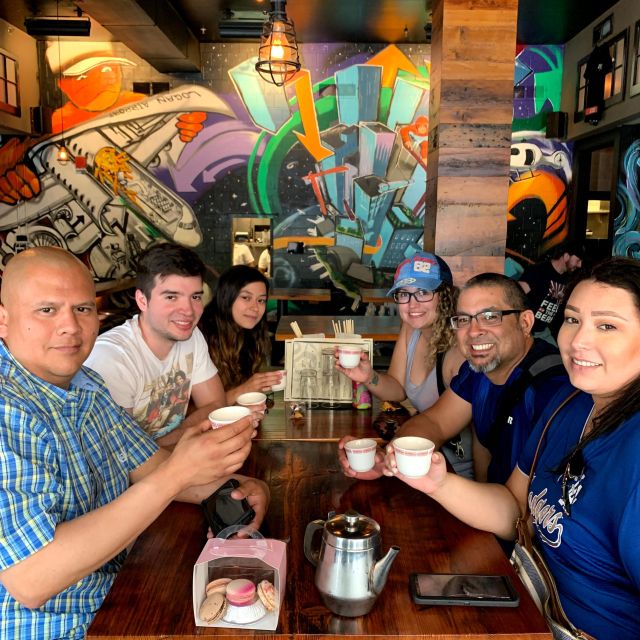
- Six tastings from local eateries and bakeries, covering sweet and savory
- Past and present Chinatown with stops tied to where the neighborhood began
- Old and new side by side, including the oldest restaurant and bakery plus newer 2nd-generation spots
- Chinese cuisine evolution in Boston, showing how Chinese-American dishes took shape
- One cocktail or mocktail to close things out on a fun note
Starting at the Chinatown Gate: walking, weather, and timing
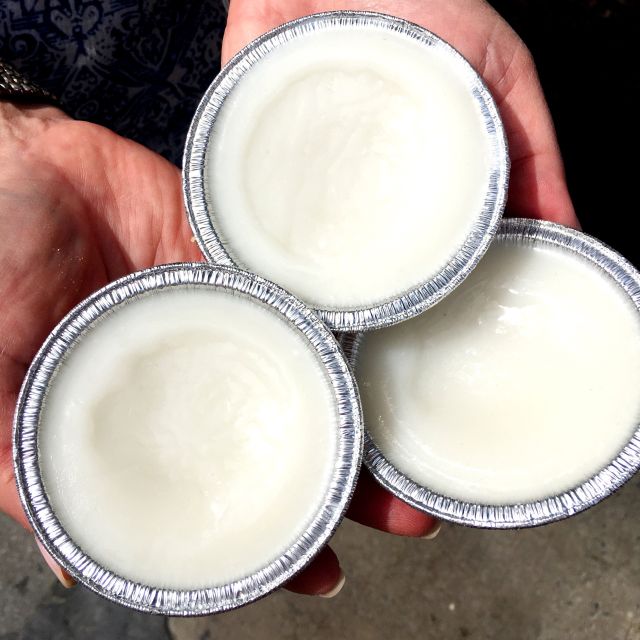
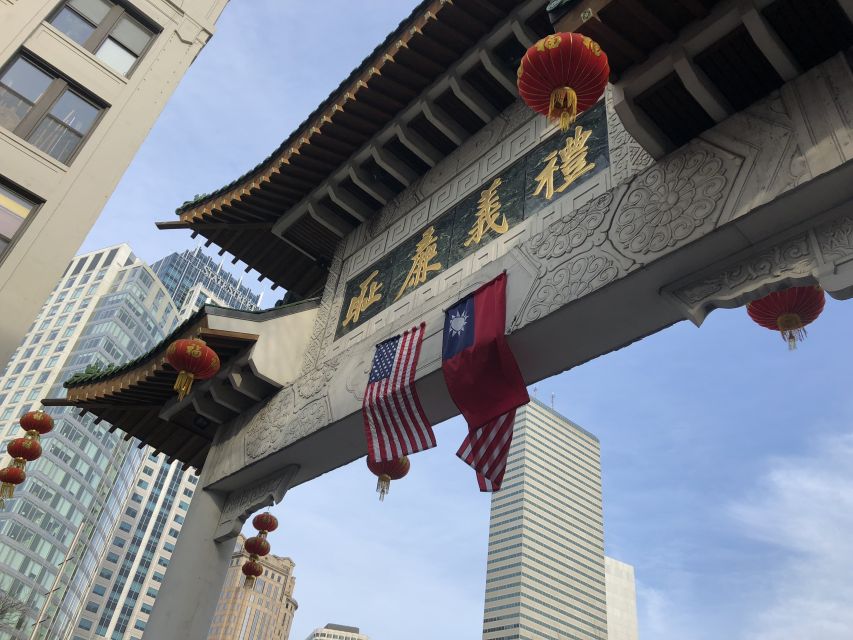
You meet your guide right at the Chinatown Gate, which makes it easy to orient yourself before you step into the neighborhood. The tour lasts about 3 hours, and you’ll spend a significant portion of that time outdoors and on foot, so treat this like a proper walking plan, not a sit-and-eat class.
It runs rain or shine, so bring an umbrella and a rain jacket if rain is likely. Practical tip: Chinatown streets can involve lots of small turns and sidewalk unevenness, so wear shoes you’d trust for a long walk, not your “going out” pair.
The tour is led by a live, English-speaking guide. In feedback from recent departures, the guides named Andrew and Katie get credit for mixing food with short, clear history moments that actually fit into the flow of eating.
You can also read our reviews of more food & drink experiences in Boston
Six tastings across old and new Chinatown restaurants
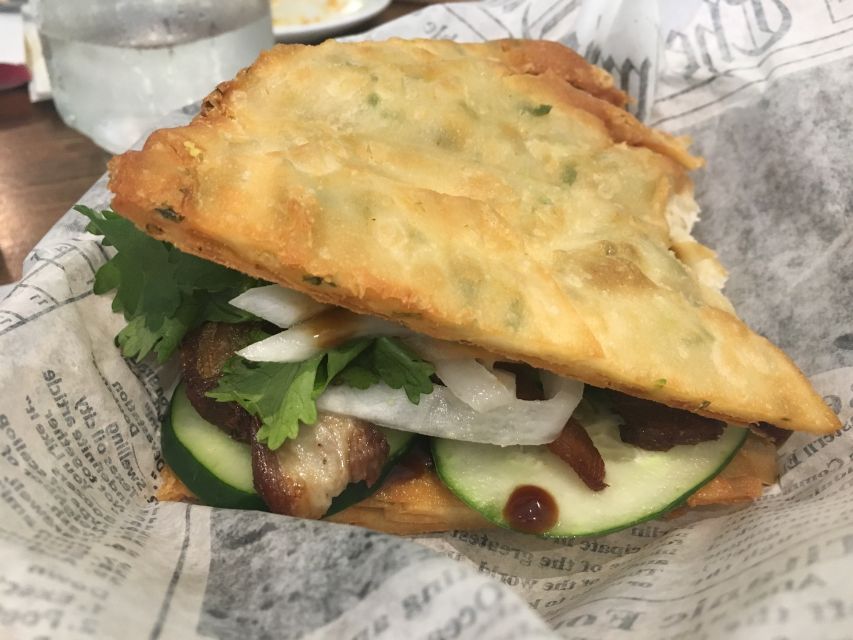
This is a food tour with serious eating. You’ll sample from six local restaurants and bakeries, with tastings designed to cover different styles of Chinese cuisine and the ways they’ve shifted in Boston over time.
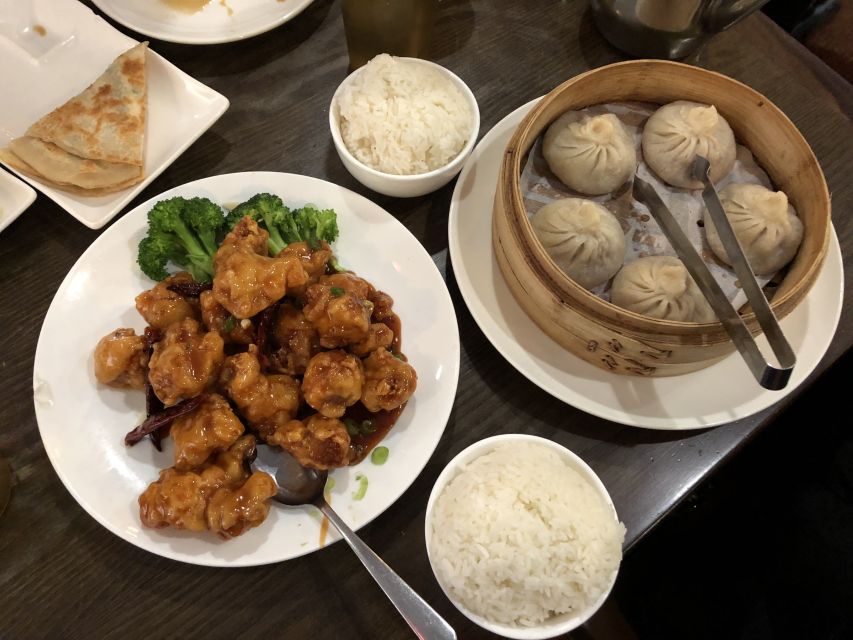
What I like about the structure is that it doesn’t lock you into one lane. You’ll try traditional Chinese items, modern-day Chinese dishes, and Chinese-American tastings that reflect what got popular locally. The sweet and savory mix also means you’re not just hunting for one flavor profile all evening.
You’ll also learn a bit about each stop’s establishment and owners as you go. That matters because it turns the tastings into context: you’re not just collecting bites, you’re seeing how these businesses connect to real people and real community changes.
Chinatown’s food story in Boston: how Chinese-American dishes formed
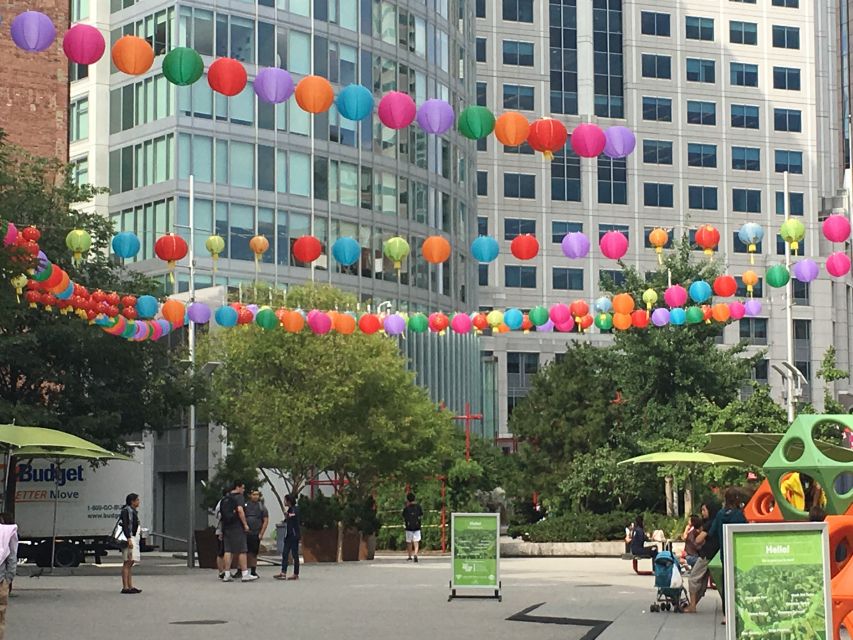
A big part of why this tour is worth your time is that it frames food as a historical outcome. You’ll learn how Chinatown began in Boston and how historic events helped shape Chinese-American culture and cuisine in the city.
Think of it like this: food in a new place rarely stays “frozen.” It adapts to local ingredients, local tastes, and local opportunities. On this tour, you’ll connect that evolution to what you see in the neighborhood now, so the modern dishes you taste feel less random and more like a logical step forward.
You also get both past and present perspectives. That balance is useful. If you only hear about history, you can end up bored with the present. If you only eat, it can feel like guessing at what’s behind the menu. Here, you’re getting both, and the guide keeps it moving with the tastings.
The historic and architectural stops you’ll walk past
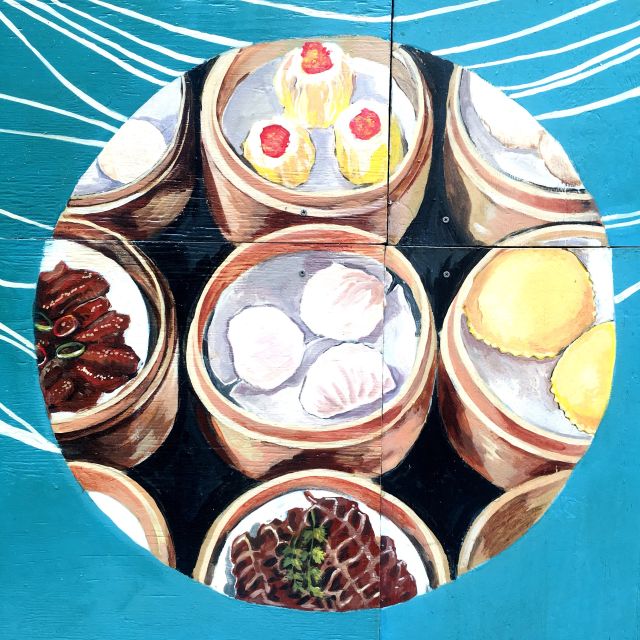
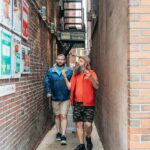
This tour uses the neighborhood streets like a living timeline. Along the way, you’ll visit sites of historical, cultural, and architectural interest, including the first street and the site of the first restaurant in Chinatown.
Stops like these do two useful things for you. First, they help you understand why Chinatown developed where it did. Second, they make later eating feel intentional, because you’re not tasting in a vacuum—you’re tasting next to the places tied to the community’s story.
You’ll also visit the oldest restaurant in Chinatown, and you’ll hear about what makes that longevity meaningful. Longevity in food neighborhoods isn’t just about recipes. It’s about families, customers who return, and businesses that stay relevant across changing eras.
Oldest bakery sweetness, then newer 2nd-generation twists
One of my favorite parts of this style of tour is the “then and now” contrast. After history stops, you’ll also hit the oldest bakery in Chinatown for a sweet tasting, which gives you a quick snapshot of what people have been reaching for through the years.
Then the tour turns toward the newer side of the neighborhood: you’ll visit more recent establishments opened by 2nd-generation restaurant owners. The goal isn’t to treat old as sacred and new as flashy. It’s to show how newer owners keep the neighborhood’s roots while adding a fresher twist—so you taste continuity and change in the same walk.
If you like seeing how immigrant food traditions evolve over time, this sequence is a good match. You’ll get that “okay, I understand why this tastes like this now” moment, without turning the tour into a lecture.
You can also read our reviews of more tours and experiences in Boston

Cocktail or mocktail finish: a good way to land the plane
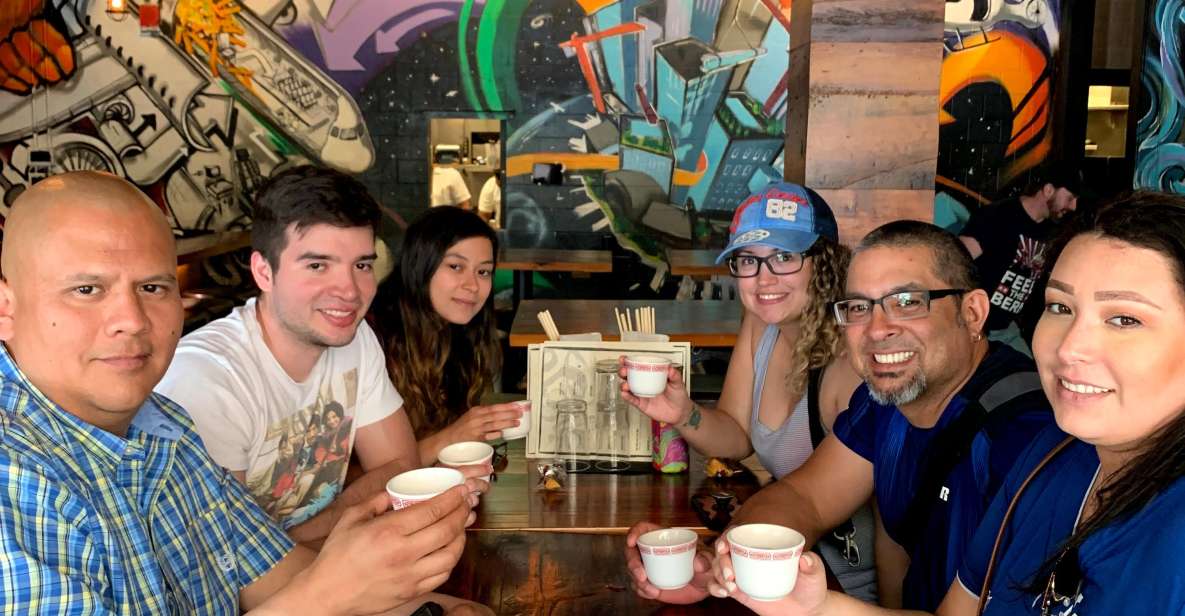
By the end, you’ll cap the experience with one cocktail or mocktail. It’s a smart choice for a walking tour: it gives everyone a natural stopping point and a chance to compare notes after you’ve eaten your way through several styles of Chinese cuisine.
Important detail: the tour doesn’t frame this as a casual optional extra. It’s part of the planned experience, so if you prefer not to drink alcohol, the mocktail option is built in.
Price and value: is $125 for 3 hours fair?
At $125 per person for 3 hours, you’re paying for a guided walking experience plus a lot of included food. The value comes from the combination: six tastings across multiple eateries and bakeries, multiple history-and-street stops, and the cocktail or mocktail at the end.
A normal meal in Boston can get expensive quickly, and you’d usually be stuck paying for one restaurant at a time. Here, you’re sampling across places in one coordinated route, and you also get interpretation of what you’re tasting and seeing. If you enjoy guided context and you like variety, the price feels more like buying convenience and storytelling than paying for food alone.
Where it might feel less “worth it” is if you’re extremely cautious about what you can eat. The tour does not offer alternative tastings for dietary restrictions or food allergies, so people who need strict accommodations may not get the full value of the tastings.
Practical tips: what to bring, what to skip, and the stairs issue
Bring comfortable shoes and water. You should also have an ID card with you (a copy is accepted). Because the tour runs rain or shine, consider packing a small umbrella and something light but waterproof if weather looks iffy.
There are also clear “what not to bring” rules: no pets, no baby strollers, and no luggage or large bags. Plan to travel light and keep your hands free, because you’re moving between restaurants and around street corners.
Now for the one accessibility snag you should plan for: one restaurant stop is accessed by a flight of stairs with no elevator available. If stairs are hard for you, this is the piece to think about ahead of time.
Who should book this tour, and who should skip it
This tour is best for adults and older teens who want a walking food experience with context. It is not recommended for guests under 12, and it’s also not suitable for vegetarians. It’s likewise not suitable for people with food allergies, since the guide can’t provide alternative tastings for restrictions or allergies.
If you like:
- trying a mix of traditional Chinese, modern-day Chinese, and Chinese-American dishes
- learning why a neighborhood’s food looks the way it does today
- eating enough to feel like lunch rather than just sampling
…then you’ll likely enjoy the format a lot.
If you’re traveling with someone who needs specific dietary accommodations, you may find this tour doesn’t fit. In that case, you’d be better off choosing a different kind of food experience that can guarantee safe substitutions.
Should you book this Chinatown food and history tour?
Book it if you want a guided walk that treats food as part of Boston’s story. Six tastings, a route tied to important neighborhood origins (including the first street and first restaurant site), and a finish with a cocktail or mocktail make it feel complete for $125.
Don’t book it if you need allergy-safe meals or vegetarian options, or if the stairs at the one stop would be a problem for you. Also, be ready for real walking in weather—this is outdoors and on foot.
FAQ
Where does the tour start?
Your guide meets you right at the Chinatown Gate.
How long is the tour?
The tour lasts 3 hours.
What food is included?
You’ll get tastings from 6 local eateries and bakeries, including both sweet and savory examples across traditional Chinese, modern-day Chinese, and Chinese-American cuisine.
Do you include a drink at the end?
Yes. The tour includes one cocktail or mocktail at the end.
Is the guide able to accommodate dietary restrictions or food allergies?
No. The guides are not able to accommodate dietary restrictions or food allergies with alternative tastings on this tour.
Is the tour suitable for vegetarians?
No. This tour is not suitable for vegetarians.
Is it okay for kids?
The tour is not recommended for guests under the age of 12.
Are there stairs during the tour?
Yes. There is 1 restaurant that must be accessed by a flight of stairs with no elevator available.
What should I bring and wear?
Bring comfortable shoes and water, and have an ID card (a copy is accepted). The tour runs rain or shine, so bring an umbrella and rain jacket if rain is predicted.
Can I cancel?
You can cancel up to 2 days in advance for a full refund.