REVIEW · FOOD
Boston Seafood Lovers Food and History Walking Tour
Book on Viator →Operated by Boston Pizza Tours · Bookable on Viator
Salt water meets Revolution history on this walking tour. You’ll connect classic Boston waterfront flavors with the Freedom Trail sights, all while keeping your feet moving and your appetite working.
I especially like the way the guide, Dan, mixes food-first stops with funny, fast history stories that make the streets feel alive. And you get real, substantial tastings too: award-winning clam chowder and a full-sized lobster roll at a historic landmark restaurant.
One thing to consider: several stops involve ordering and waiting in line, so if you expect everything to be instant the moment you arrive, you might feel the pace is slower than you pictured.
In This Review
- Key highlights you’ll care about
- Why this seafood and history route makes sense in Boston
- Price and what you’re really paying for
- Start at Modern Pastry Underground and get oriented fast
- Paul Revere, North Square Park, and Old State House stops you’ll remember
- HarborWalk and Long Wharf: classic seafood right where the water matters
- Quincy Market and Faneuil Hall: food hall energy plus “liberty” landmarks
- Union Oyster House lunch and the cannoli finish you plan around
- Dan’s guide style, and why max 12 matters
- Who this tour is perfect for (and who should think twice)
- Should you book the Boston Seafood Lovers Food and History Walking Tour?
- FAQ
- How long is the Boston Seafood Lovers Food and History walking tour?
- What’s included in the food on this tour?
- Where does the tour start?
- How many people are in the group?
- Is the tour weather-dependent?
- Is tipping included in the price?
- Final call on booking
Key highlights you’ll care about
- Small-group size (max 12) for a more personal walk and easier conversation
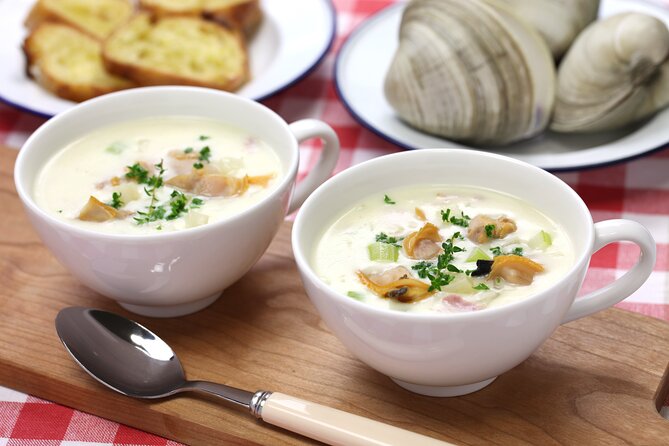
- ChowderFest winner chowder that’s thick enough to hold up like a meal
- Raw bar stop with oysters on the half shell and peel-and-eat jumbo shrimp
- Freedom Trail landmarks built into the route including the Old State House and Paul Revere House
- Full-sized lobster roll lunch at a National Landmark restaurant
- North End finish with cannoli from a famous local pastry shop
Why this seafood and history route makes sense in Boston
Boston can be a lot on day one. You’ve got cobblestones, neighborhoods, and the big-name sights, plus the pressure to eat well without wasting time hunting down the good spots.
This tour helps you solve two problems at once. You get a guided path through major landmarks tied to Boston’s early days, and you refuel with multiple seafood tastings along the way. The format is also practical: the walking stretches connect sights efficiently, and the food stops keep you from getting hangry halfway through history.
What makes it extra appealing for food lovers is that it’s not just a buffet of “try a little.” The meal moments land where they should. You’ll go after classic New England flavors like clam chowder, oysters, and lobster roll, then end with cannoli when you’re ready to slow down.
And since the group is capped at 12, you’re not stuck shouting across a crowd. That matters on a walking tour where questions, directions, and little history facts all happen in real time.
You can also read our reviews of more walking tours in Boston

Price and what you’re really paying for
It costs $159 per person for about 2 hours 45 minutes, which sounds steep until you look at what’s included. You’re not paying only for the guide’s storytelling. You’re paying for guided stops at seafood-focused places, plus a proper seafood lunch.
From the included menu, you’ll get:
- Clam chowder (described as thick and hearty)
- A raw bar sampling with oysters and peel-and-eat jumbo shrimp
- A full-sized lobster roll as your main
- Cannoli to finish
There’s also a stop at a waterfront stretch for harbor views and chowder, plus additional food sampling around Quincy Market. In other words, the price mostly covers the “you would otherwise pay for this” parts: guided access and multiple seafood tastings that would be harder to plan on your own without guessing where to go.
If you’re coming to Boston with limited time, this is the kind of tour where the math can work in your favor because it reduces decision fatigue. You don’t have to pick one restaurant and hope you chose right.
Start at Modern Pastry Underground and get oriented fast
The tour kicks off at Modern Pastry – Underground on Hanover Street. This is a clever starting point because it quickly places you in the North End, the neighborhood where Boston’s Italian food energy and waterfront history tend to overlap.
From the beginning, you’re set up to do two things at once: walk through the older streets and learn what they meant historically, while also getting your first taste of the area’s food culture. The tour uses that opening stretch to frame the rest of the route, so the landmarks don’t feel random.
Practical tip: wear shoes you can walk in for a couple of hours. Reviews mention the walk includes about a mile, and you’ll feel it more if you’re wearing dressier footwear. Also, come with an appetite you’re willing to share—this is a food tour, not a museum lecture with occasional bites.
Paul Revere, North Square Park, and Old State House stops you’ll remember
After starting downtown in the North End area, the route pushes into early Boston storytelling with Revolutionary-era anchors.
You’ll hear about the Paul Revere House, which is described as the oldest home in downtown Boston, dating to 1680. That kind of detail helps you see Revere not as a statue, but as a person tied to a real place and family life. The tour also points you toward how Revolution history connects to the everyday streets people walked before there were cars.
Next, you’ll stop at North Square Park, tied to Boston’s oldest neighborhood section and the first settlers arriving in 1630. This is one of those pauses that works well on a walking tour: you get a little context without losing momentum.
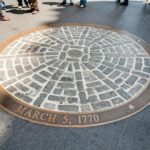
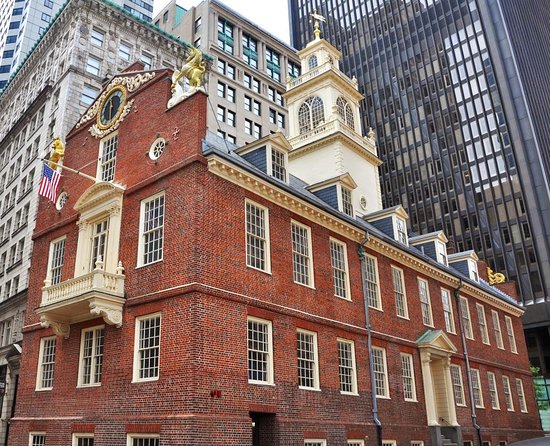
Later comes the Old State House, described as the oldest building east of the Mississippi River. You’ll also see the cobblestone circle out front that commemorates the Boston Massacre. Even if you’re not a history buff, a visual marker like that tends to stick in your mind because it gives your brain something concrete to hold onto.
One caution on the pacing: depending on the day, you may spend more time than expected at food counters and restaurants. If history moments are your priority, keep your expectations flexible and treat the story beats as “woven in” around the meals, not separate from them.
HarborWalk and Long Wharf: classic seafood right where the water matters
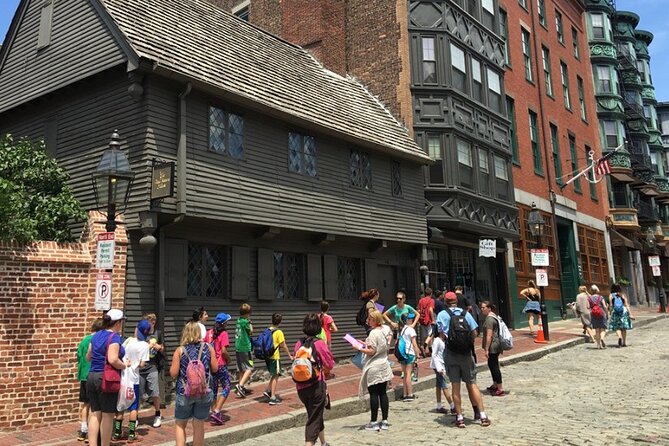
Two of the most atmospheric parts of the route are the waterfront stretches.
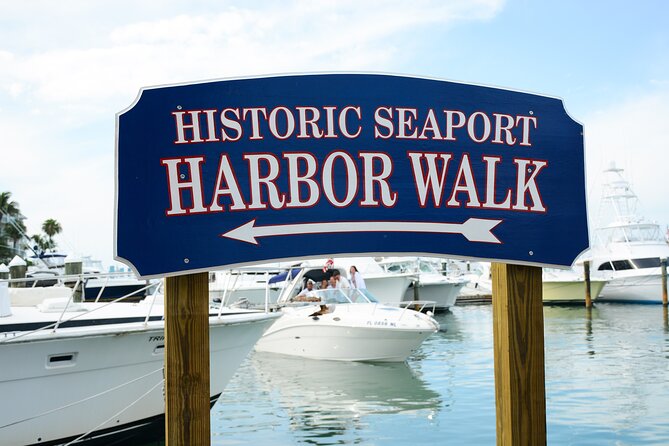
You’ll walk along HarborWalk and get views of Boston Harbor. Then you’ll hit a savory chowder stop at a restaurant that sits close to the harbor area. The chowder is described as award-winning and thick enough that it sounds like it behaves like a meal. This is one of the reasons people end up smiling during cold-weather walks: New England chowder is built for walking days.
Then the tour moves to Long Wharf, described as Boston’s oldest port, dating to the early 1700s. Here, the seafood theme turns more directly into raw bar mode, with fresh oysters and shrimp. The menu details call out oysters on the half shell and peel-and-eat jumbo shrimp, which is exactly what you want on a seafood-focused day: seafood you can eat with your hands, not stuff you have to decode.
If you’re nervous about trying oysters, this is still a good format because the tour is built around tasting. You’re not stuck ordering something you might not like. You’re given a guided chance to try a classic without making a whole meal gamble.
You can also read our reviews of more food & drink experiences in Boston


Quincy Market and Faneuil Hall: food hall energy plus “liberty” landmarks
Boston’s food identity isn’t only seafood and North End bakeries. This route also threads you through the kinds of public food spaces locals have used for generations.
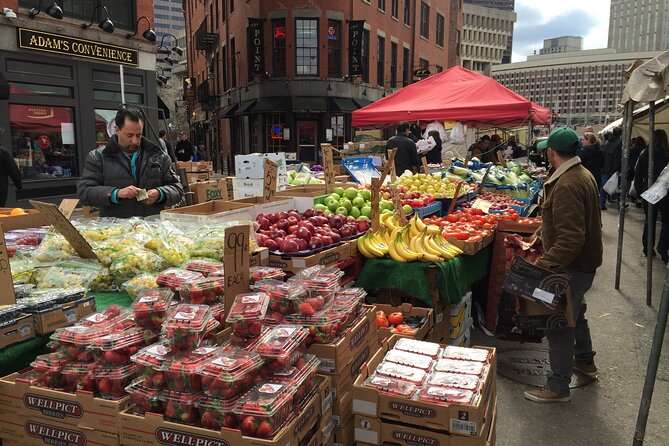
At Quincy Market, you’ll learn about its role as a food wholesaler hub for about 150 years after it was built in 1823. Then you’ll take in the sights, smells, and food samples inside the international-style market hall. Even if you only get a few tastes here, the value is that it changes the rhythm: you go from hands-on seafood to browsing, tasting, and people-watching in a classic public marketplace.
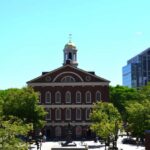
Then the route connects to Faneuil Hall (spelled Fanueil Hall on the tour info), described as the Cradle of Liberty. You’ll learn about Peter Faneuil and what sits atop the historic building. This isn’t just trivia. It’s a way to place Boston’s politics into a street-level setting you can actually see.
A small practical note: indoor food hall sections can be busier than the outdoor portions, so if you tend to feel stressed in crowds, plan to slow down mentally. This is where the tour’s pacing matters. You’re there to taste and learn, not to speed-run the sights.
Union Oyster House lunch and the cannoli finish you plan around

The highlight lunch moment lands at Union Oyster House, which is described as a National Landmark restaurant and also America’s oldest restaurant since 1826. This stop is the biggest “meal payoff” on the tour.
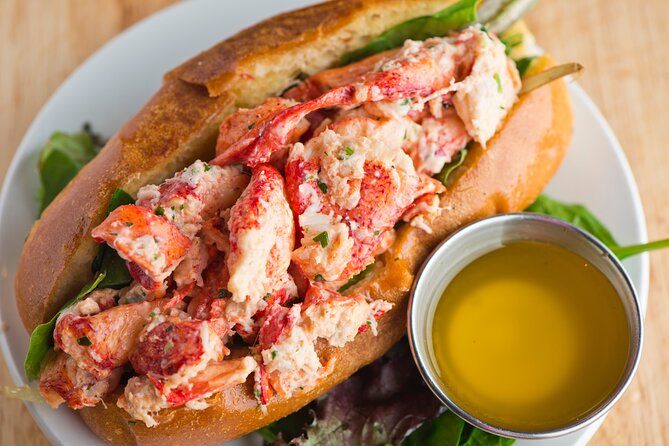
You’ll enjoy a full-sized lobster roll as your main, with options described as warm or cold. It’s not presented as a tiny sample plate. You’re meant to eat, settle in, and leave the table satisfied.
That matters because lobster roll quality can vary hugely depending on where you go. By steering you to a long-running landmark, the tour makes it far more likely you’ll get something classic and properly made rather than an average sandwich with a fancy name.
Then you wrap the tour with cannoli from a famous North End pastry shop finish. This ending works because it balances the salty, briny seafood day with a sweet bite that’s easy to enjoy once you’ve already had your main meal.
If you want the most enjoyment out of this stop, don’t over-snack earlier. It’s tempting to grab extra bites at quick stops, but the lobster roll is the centerpiece you’ll want to taste fully, not just chew through.
Dan’s guide style, and why max 12 matters
A lot of tours say they combine history and food. Few do it in a way that feels like you’re actually getting both.
The standout here is the guide’s style. Dan is consistently described as personable, funny, and energetic, and he also shares solid Boston context without turning the meal into a lecture. The pace is frequent but not chaotic: you walk, taste, listen, and move again.
The group limit (max 12) helps the human side. You can ask questions. You can hear answers. You’re not forced into silence because the group is too large. It also makes it easier for the guide to adapt to what people need on a walking tour day—more time at a stop, a quick photo moment, or extra explanation when the group gets curious.
One more practical point: because there are multiple restaurant stops, timing can be affected by real-world lines and service flow. That’s normal in Boston, but it’s still good to expect that the tour may feel slower at the food counters than you imagined from a strictly “walking schedule.”
Who this tour is perfect for (and who should think twice)
This is a great fit if you:
- Want a seafood-focused introduction to Boston without spending your whole day planning
- Like learning a little history but still prioritizing food
- Appreciate small groups and a guide who keeps things lively
- Want a guaranteed lunch that’s more than just a snack
It may be less ideal if you:
- Have a strict time window and hate waiting in line anywhere
- Want a history-heavy tour with long, uninterrupted story time (this is food-and-walk first)
- Prefer fully flexible ordering and pacing over a structured route
If you’re traveling as a couple, friends, or solo, it also works well because the format doesn’t require a big group to “make it fun.” You’ll still have enough people to share the experience and enough space for the guide to lead effectively.
Should you book the Boston Seafood Lovers Food and History Walking Tour?
If your goal is to eat a real slice of Boston—clam chowder, oysters, shrimp, and a full lobster roll—while also hitting key Revolutionary-era landmarks without juggling transit and restaurant research, this tour is an easy yes.
The value angle is strongest for people who want one guided plan that handles both the food and the story. The only real drawback is the chance of lines and a slower feel at restaurant counters, so go in with comfortable expectations and good walking shoes.
FAQ
How long is the Boston Seafood Lovers Food and History walking tour?
It runs for about 2 hours 45 minutes.
What’s included in the food on this tour?
You’ll try New England clam chowder, seafood from a raw bar (including oysters and peel-and-eat jumbo shrimp), a full-sized lobster roll, and cannoli at the end.
Where does the tour start?
The meeting point is Modern Pastry – Underground, 263 Hanover St, Boston, MA 02113.
How many people are in the group?
The tour has a maximum group size of 12 travelers.
Is the tour weather-dependent?
Yes, it operates in all weather conditions (rain, shine, or snow), and you should dress appropriately.
Is tipping included in the price?
No. Gratuity or tip is not included.
Final call on booking
Book it if you want a guided Boston loop that reliably delivers classic seafood and major Freedom Trail-style landmarks in one day. Skip it only if you’re extremely line-averse or want a mostly history lecture instead of a food-and-walk rhythm.