REVIEW · FREEDOM TRAIL TOURS
Boston: Freedom Trail, Bunker Hill, & USS Constitution Tour
Book on GetYourGuide →Operated by Walk & Talk Boston Walking Tours · Bookable on GetYourGuide
Boston’s Revolution story walks right up to you. This guided Freedom Trail experience threads the major turning points—Tea Party, Massacre, Lexington and Concord, Bunker Hill, and the aftermath—into one clear narrative you can follow on foot. I especially like how the route sticks to the big, recognizable sites and still finds time for the less-famous people who shaped events.
What I love most is the focus on the people behind the headlines and the way guide Mark keeps the story tied to what you’re seeing. Second, it’s one of the few Freedom Trail walks that doesn’t stop short: you actually visit Bunker Hill and end at USS Constitution, not just look from the curb. One drawback to plan around: you’ll need to walk about three miles, so comfortable shoes and pacing matter.
In This Review
- Key points before you go
- Freedom Trail, but with the story in the right order
- Meeting at the Massachusetts State House: where the Revolution starts talking politics
- Boston Common and Park Street Church: the public square mentality
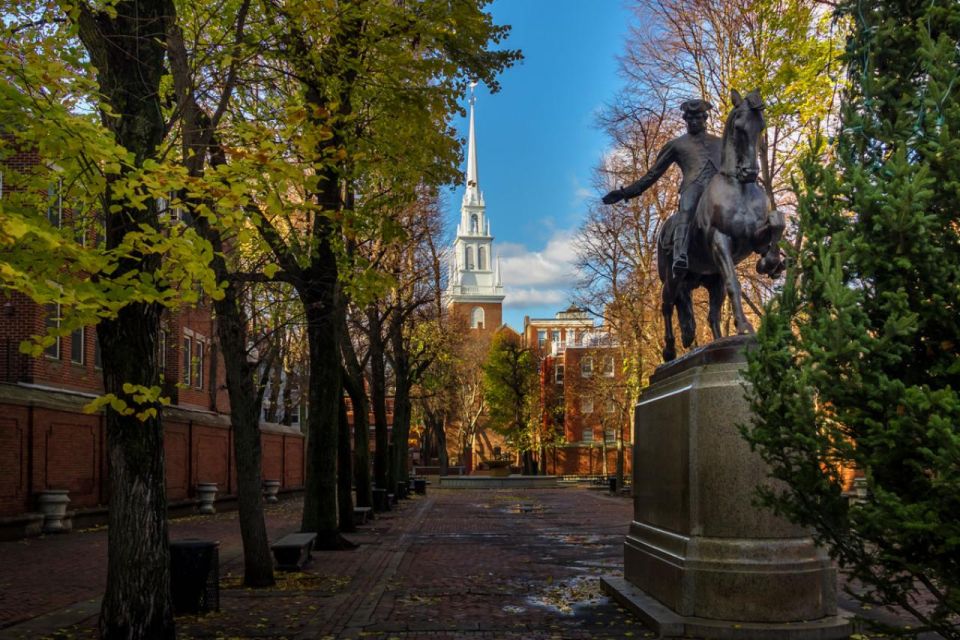
- Granary Burying Ground and King’s Chapel Burying Ground: the Revolution in names you can picture
- Old South Meeting House and the Boston Massacre site: where tension turns physical
- Faneuil Hall to Paul Revere House: protest, persuasion, and the messenger network
- Old North Church and Copps Hill: signals, night, and people who kept showing up
- Bunker Hill Monument and the actual ground at Bunker Hill: where the fight changes direction
- Finishing at USS Constitution: the Revolution as something physical
- What makes this tour worth the $79 price
- How the four hours actually feels on your feet
- Who should book this Freedom Trail + Bunker Hill + USS Constitution tour
- Should you book it?
- FAQ
- How long is the tour?
- Where do I meet the guide?
- How much walking is involved?
- Does the tour include Bunker Hill and USS Constitution?
- Is the tour wheelchair-friendly?
- What language is the tour guide?
- What is included in the price?
Key points before you go
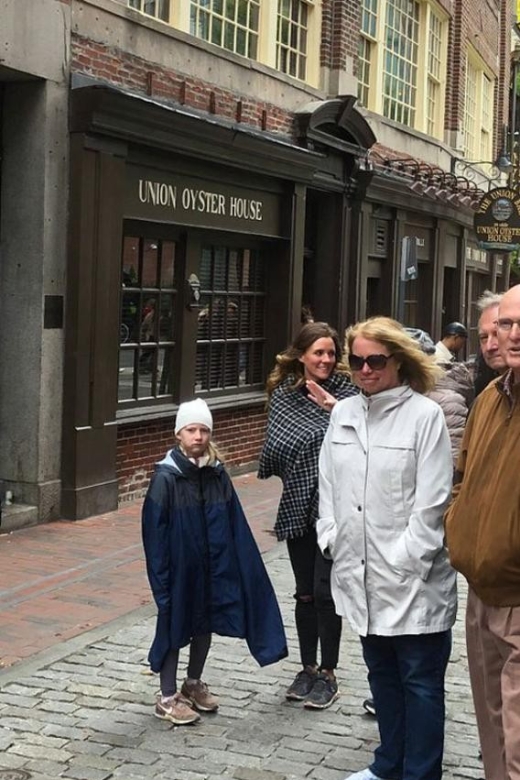
- Small group feel (often around 14–16 people) makes it easier to hear and ask questions
- Guide Mark brings clear, loud storytelling that connects names to places
- Every Freedom Trail stop is covered, plus a few smart extras to add context
- Bunker Hill + USS Constitution turn the revolution from theory into real geography and real artifacts
- Built-in rest breaks help the four-hour walk stay enjoyable
Freedom Trail, but with the story in the right order
Most Freedom Trail tours hit the highlights and move on. This one works differently: it keeps your feet moving, but it also keeps the timeline straight, so the Revolution feels like one chain of causes and effects instead of a list of monuments.
You start in the political heart of Boston and end at a Revolutionary-era ship. Along the way, you stop at meeting houses, churches, burial grounds, and key street corners where events happened—or where the people involved left their mark. That means you don’t just “see places,” you build a mental map of why colonists escalated from protest to open conflict.
You can also read our reviews of more tours and experiences in Boston.


Meeting at the Massachusetts State House: where the Revolution starts talking politics
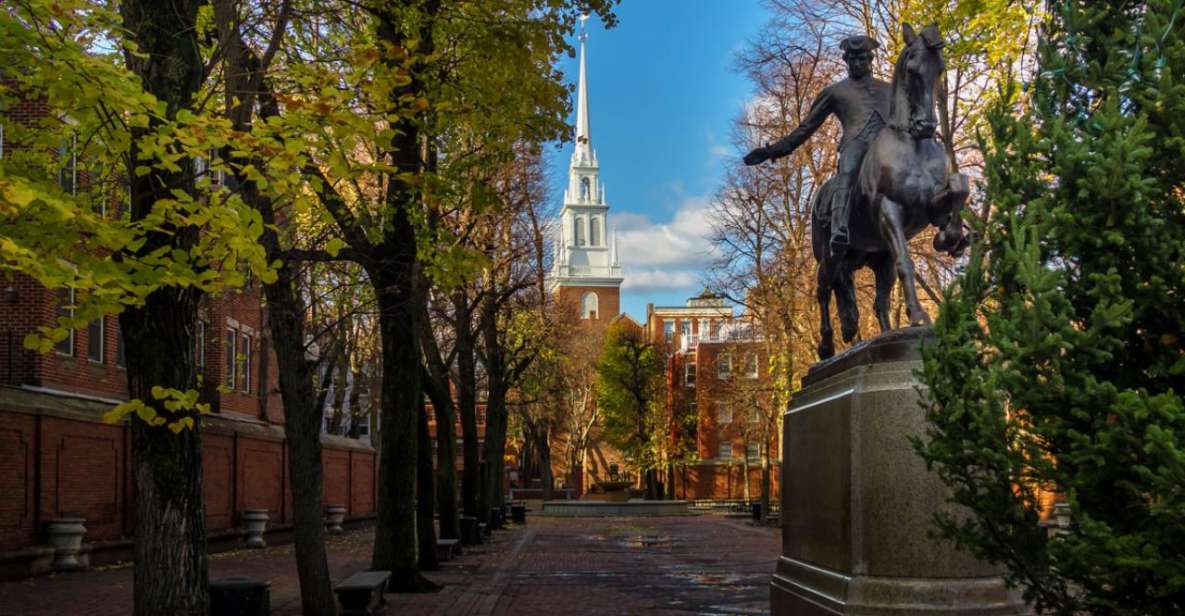
The tour begins at the Massachusetts State House on Beacon Street. Meet about ten minutes early at the Robert Gould Shaw Memorial area—your guide stands across the street from the main steps, wearing a white baseball cap with the Walk & Talk Boston logo and holding a green sign.
This first stretch matters because it sets tone. You’re not wandering randomly through Boston Common like a sightseeing package; you’re getting the political backdrop for why disputes with Britain turned into a fight over governance. If you’ve been to historical sites before, you’ll recognize the pattern—this one just makes it easier to remember.
Boston Common and Park Street Church: the public square mentality

Next up is Boston Common. You’ll get guided stops and scenic views on the way, but the point here is perspective: Common wasn’t just a pretty green space. It’s part of the civic stage where ordinary people lived close to power and where public tension could become public action.
Then you head to Park Street Church. From here, the story starts to connect religion, civic life, and political debate. You’ll also learn to notice how the city’s institutions sit so close together—Boston built its argument in public view.
Granary Burying Ground and King’s Chapel Burying Ground: the Revolution in names you can picture
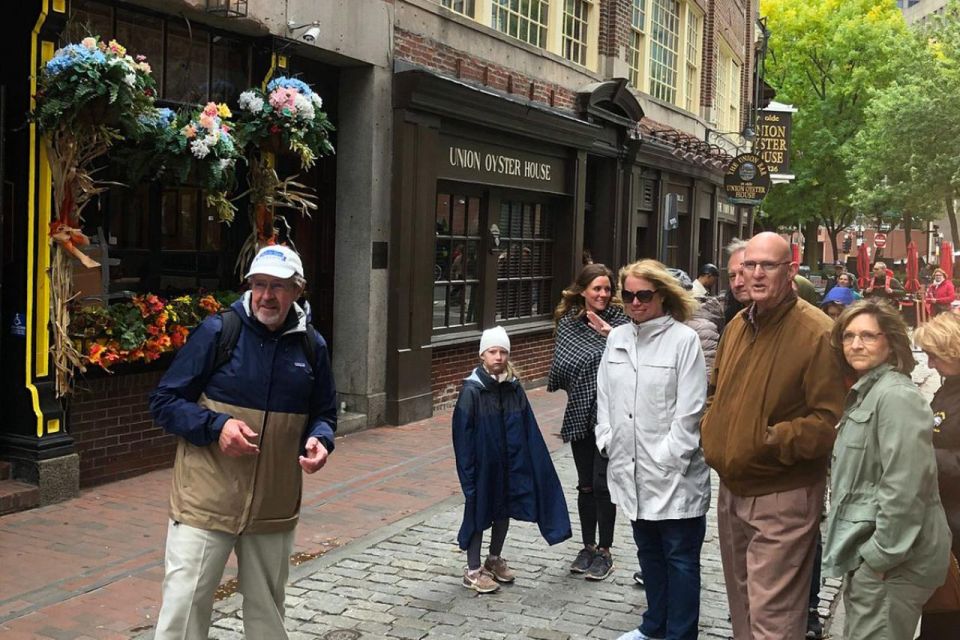
You’ll visit Granary Burying Ground and King’s Chapel Burying Ground, both with guided time on site. Burial grounds are sometimes treated like a quick photo stop. Here, they’re treated like a “who mattered and why” lesson.
Granary is where you’ll feel the weight of early leadership, and King’s Chapel Burying Ground helps broaden the cast beyond the usual textbook names. It’s one of the best parts for first-timers because it turns abstract history into real people with family ties and public roles.
A practical note: these sites can involve standing and walking on uneven ground. If your legs are already a bit tired, plan to slow down and take breaks when the guide suggests them.
Old South Meeting House and the Boston Massacre site: where tension turns physical
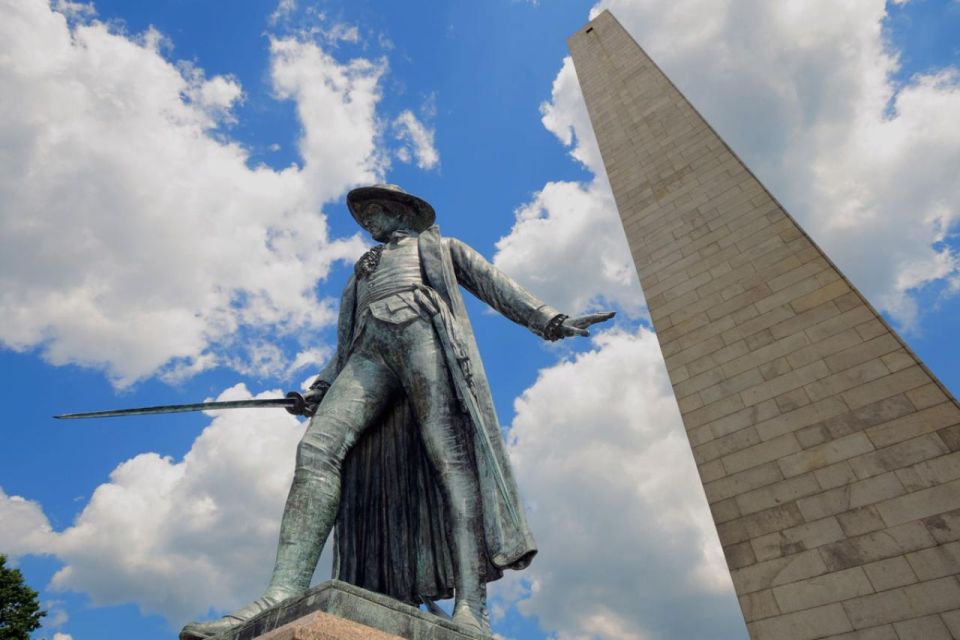
At Old South Meeting House, you’ll step into the setting that connects directly to the escalating crisis. Meeting houses weren’t just for worship and speeches; they were information hubs and political theaters. You’ll get the “why this led to that” link between protests and the British response.
Then the tour moves to the Boston Massacre site. This stop is valuable because it helps you shift from dates to cause and consequence. You’ll learn how quickly arguments became violence, and how violence then became fuel for further resistance.
If you like your history with clear stakes—who benefited, who pushed harder, who tried to cool things down—these two stops are the kind you’ll remember later when you’re back in your hotel.




Faneuil Hall to Paul Revere House: protest, persuasion, and the messenger network

Faneuil Hall comes next, and it’s a natural bridge between public meetings and revolutionary momentum. You’re learning how persuasion worked in Boston—how leaders rallied support without needing modern media.
Then you’ll visit the Paul Revere House. This is more than a famous address. You’ll connect Revere to the larger messenger network that helped make resistance coordinated and time-sensitive. It’s a good reminder that revolutions run on communication as much as on guns.
If you’re the type who enjoys “how did they actually pull it off” history, this section delivers. You’ll be thinking about logistics and timing, not just dramatic moments.
Old North Church and Copps Hill: signals, night, and people who kept showing up
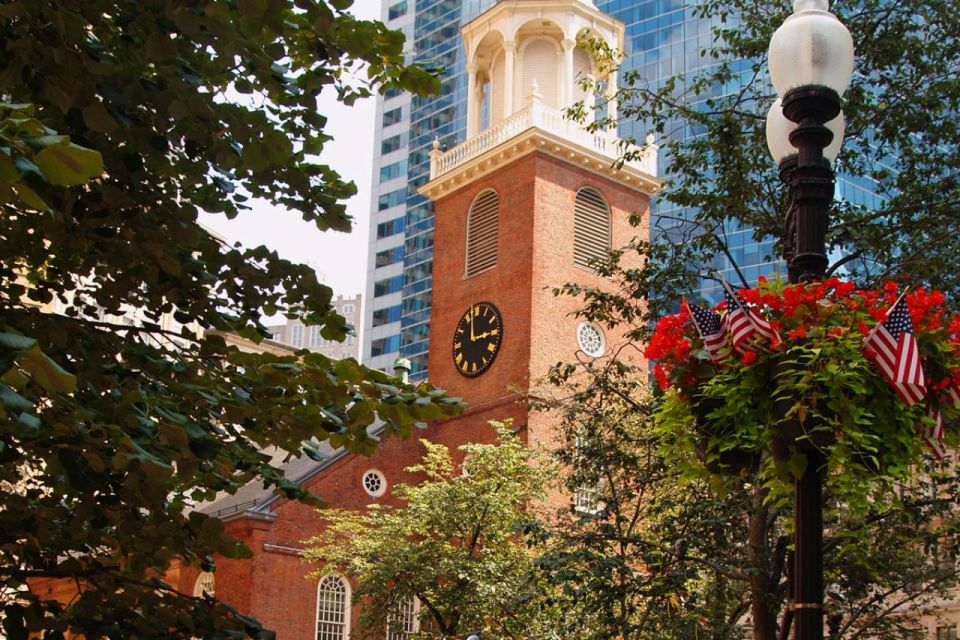
Next is Old North Church, where the story naturally turns to the famous signals and what they enabled. Even if you already know the headline, the guided framing helps you understand how people interpreted information under pressure.
Then you’ll visit Copps Hill Burying Ground. This stop adds depth by putting you back into the social reality of Boston—who was there, what community looked like, and how the conflict touched families beyond the most famous figures.
In reviews, people repeatedly praise how Mark keeps the pacing steady and encourages questions. That matters most in sections like this, because the story can get dense if the guide rushes. You want time to process the names and connect them to the places.
Bunker Hill Monument and the actual ground at Bunker Hill: where the fight changes direction
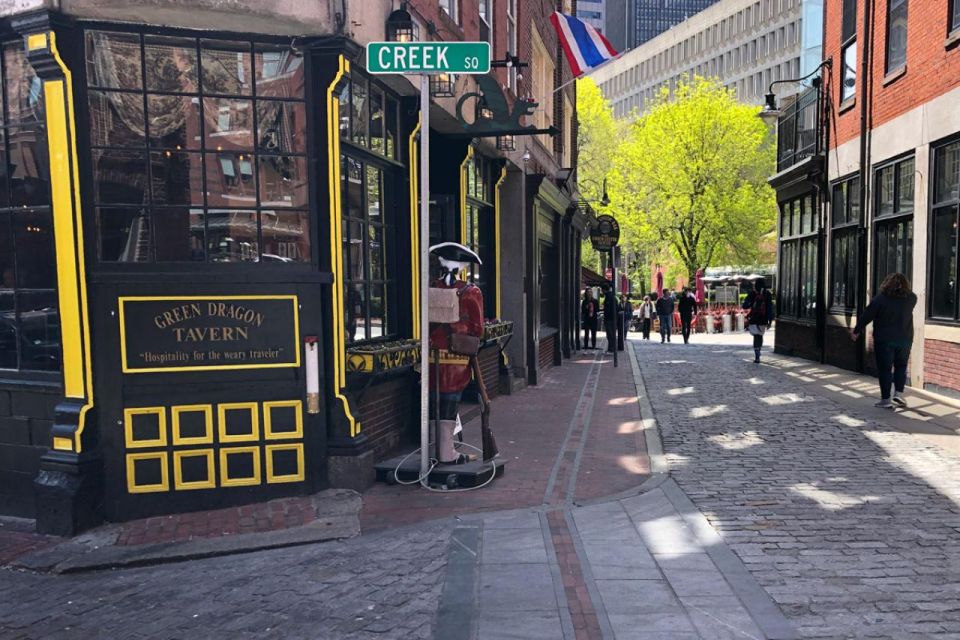
The tour reaches Bunker Hill Monument and then goes to Bunker Hill itself. This is a key reason to book this specific tour: many Freedom Trail walks talk about Bunker Hill but don’t actually take you onto the site in a meaningful way.
On the ground, the story makes more sense. You can feel why positions mattered and how the battle’s outcome affected British decisions afterward. It also helps you understand the strange mix at the heart of Bunker Hill—courage and sacrifice on one side, and a complicated strategic result on the other.
If you’re coming from a background of general U.S. history, you’ll likely appreciate the extra focus on people like Dr. Joseph Warren and other figures who shaped resistance before and during the fighting. The tour keeps those names attached to what happened right there.
Finishing at USS Constitution: the Revolution as something physical
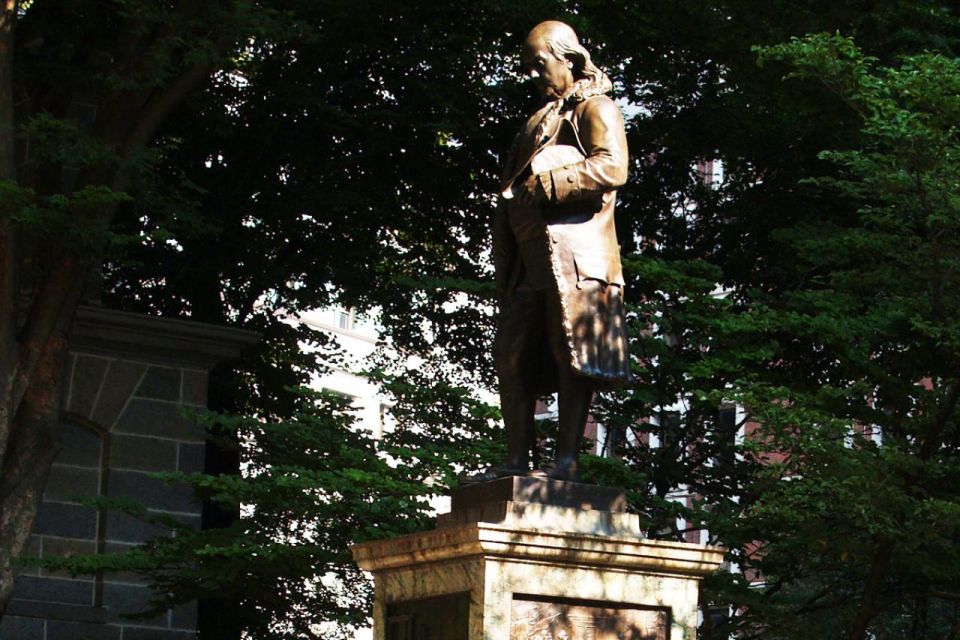
The tour ends at USS Constitution. This is a smart final move. A ship brings the Revolution into a tangible object—wood, rigging, engineering, and the reality of maritime power.
By the time you arrive, you’ve already walked through politics, protests, violence, and battle. That makes the ship stop feel like the “so what” layer: the conflict wasn’t just ideals in speeches. It also became action in the form of naval capability.
You may find that ending here gives you better context than ending back at a monument. It’s a different kind of historical evidence—one you can see in your own line of sight.
What makes this tour worth the $79 price
At $79 per person for about four hours, you’re paying for two things: coverage and guidance. This tour doesn’t just skim. It includes the full Freedom Trail routing and gives time for Bunker Hill and USS Constitution, plus a few additional stops that enrich the story.
You also get a guide tip included, which is a big practical value. It means you’re not doing mental math mid-trip about what you “should” add. And because group sizes are small (often around 14–16), the per-person cost doesn’t feel like you’re sharing attention with a crowd.
Finally, I think the best value is the pacing. In other walking tours, you can feel hurried and stuck listening to announcements over chatter. With Mark, the voice carries clearly, and you can actually follow the details without strain.
How the four hours actually feels on your feet
This isn’t a sprint tour, but it is a real walking day. You’ll need to be able to walk about three miles and you won’t want to wear shoes that hate you.
The good news is that breaks are built in. Reviews mention plenty of rest stops, and even finding shaded spots and places to sit when people needed it. If you’re traveling with heat sensitivity, that’s huge—especially in summer when Boston can be sunny and sticky.
Also, bring basic trip survival gear. People recommend water and snacks, and I agree: a history story can be engaging, but your body still needs fuel.
Who should book this Freedom Trail + Bunker Hill + USS Constitution tour
This tour is a great fit if you:
- Want the full Freedom Trail experience with real guided time at each stop
- Like history told through people, not just dates
- Appreciate a small-group format where you can ask questions
- Want Bunker Hill and USS Constitution as part of the main storyline
It may not be the best match if you:
- Can’t manage about three miles of walking
- Need wheelchair-friendly access (it’s not listed as suitable for wheelchair users)
If you’re visiting Boston for the first time and want a high-impact plan that doesn’t require tons of independent research, this is also a smart anchor activity.
Should you book it?
Yes—if you want a Freedom Trail walk that feels like one connected story and includes the stops that usually get cut. Paying attention to cause-and-effect helps this tour stick in your memory, and the guided focus on people (including lesser-known figures) is exactly what makes it more than a standard checklist.
Book it if you like clear storytelling, strong group pacing, and a finish at USS Constitution that turns the Revolution into something physical. Skip it if you’re looking for a very light stroll or need accessibility options beyond walking.
FAQ
How long is the tour?
The tour lasts about four hours.
Where do I meet the guide?
Meet at the Massachusetts State House at 24 Beacon Street, Boston. Your guide will be across the street from the main steps at the Robert Gould Shaw Memorial, wearing a white Walk & Talk Boston cap and holding a green sign.
How much walking is involved?
You need to be able to walk about three miles to participate.
Does the tour include Bunker Hill and USS Constitution?
Yes. The tour includes guided time at Bunker Hill and ends at USS Constitution.
Is the tour wheelchair-friendly?
No, it is not suitable for wheelchair users.
What language is the tour guide?
The live tour guide offers English.
What is included in the price?
The tour ticket and the guide tip are included. The tour is also listed as having free cancellation up to 24 hours in advance for a full refund.