REVIEW · MUSEUMS
Boston: Old State House/Old South Meeting House Museum Combo
Book on GetYourGuide →Operated by Revolutionary Spaces · Bookable on GetYourGuide
Two Boston landmarks. One ticket. That simple setup is what makes this combo feel efficient: you get the Freedom Trail core in one visit, with two buildings that tell the Revolution story from very different angles. I especially like how the ticket lets you build a single, connected narrative as you move from royal power to public protest.
I love the easy entry and the way the history is presented without making you work for it. There’s staff support at both places, and the explanations help you connect what you’re seeing to what was happening in colonial Boston.
One consideration: the Old State House isn’t accessible right now, with many stairs. If stairs are a challenge for you, plan your route carefully and lean more heavily on what you can do comfortably at the Old South Meeting House.
In This Review
- Key things to know before you go
- Freedom Trail shortcut: two museums, one connected story
- Your day plan: where to enter and how to pace it
- Old State House (1713): royal power, the Boston Massacre, and hard questions
- Old South Meeting House (1729): mass meetings and the lead-up to the Tea Party
- What you’ll do once you’re inside: exhibits, talks, and programs
- Price and value: why $15 for two buildings can make sense
- Who this combo fits best (and who should plan around it)
- Should you book the Old State House and Old South Combo?
- FAQ
- What does the $15 ticket include?
- Can I visit the two sites in any order?
- How long is the ticket valid for?
- What are the hours for these attractions?
- Are children age 12 and under always free?
- Is the Old State House wheelchair accessible?
- Are food, luggage, or weapons allowed inside?
Key things to know before you go

- Two sites, one admission: Old State House and Old South Meeting House on the Freedom Trail
- Walkable by design: about a three-minute walk between the two buildings
- Historic focus you can feel: royal government events at the Old State House, mass meetings tied to the Boston Tea Party at the Old South Meeting House
- Staff support and in-building talks: exhibits plus gallery talks, educational offerings, and public programs
- Accessibility is uneven: Old State House has many stairs; Old South is wheelchair accessible with elevator access
Freedom Trail shortcut: two museums, one connected story
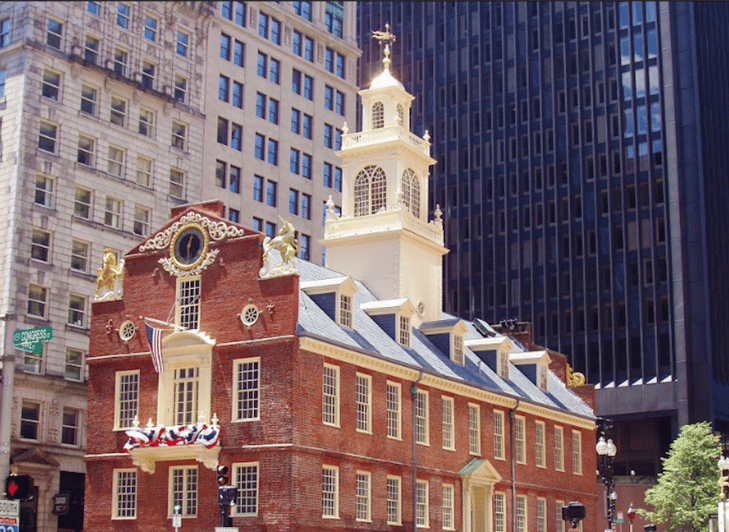
You don’t have to choose between these two powerhouses. With this combo ticket, you can treat the day like a mini “how Boston changed” lesson, in two buildings that sit just two blocks apart. The best part is the relationship between them: one is where authority was exercised, and the other is where people gathered to challenge authority with civic action.
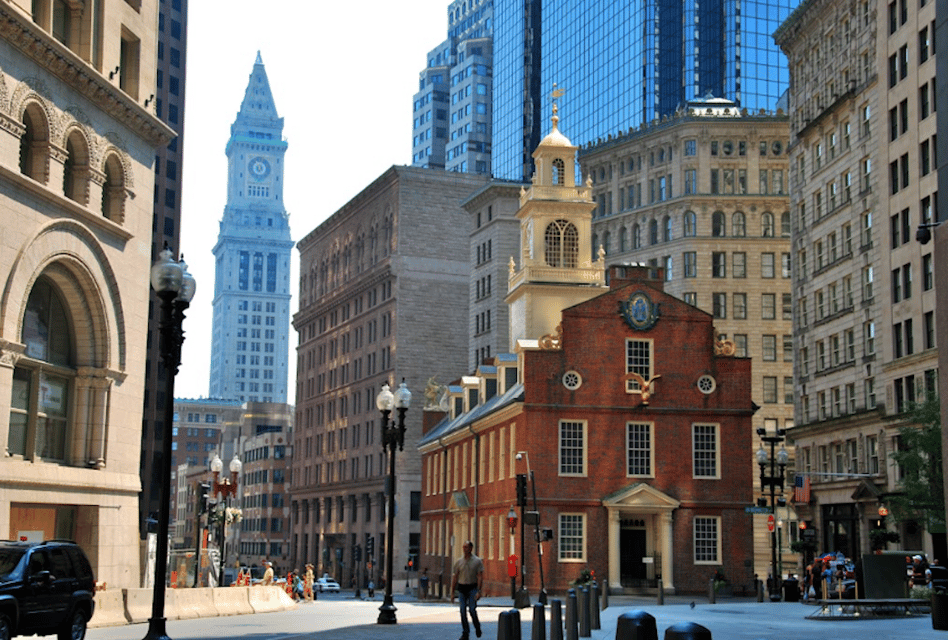
The Old State House (constructed in 1713) served as the center of royal government in the Massachusetts Bay colony. It also connects to dramatic Revolutionary-era moments, including the Boston Massacre. Then you walk a short distance to the Old South Meeting House (built in 1729), the largest building in colonial Boston and the setting for mass meetings that helped lead to the Boston Tea Party and the American Revolution.
That back-and-forth is what I’d aim for as a visitor. You’re not just collecting facts in separate silos. You’re watching the tension between government and the public unfold in real places.
You can also read our reviews of more museum experiences in Boston



Your day plan: where to enter and how to pace it
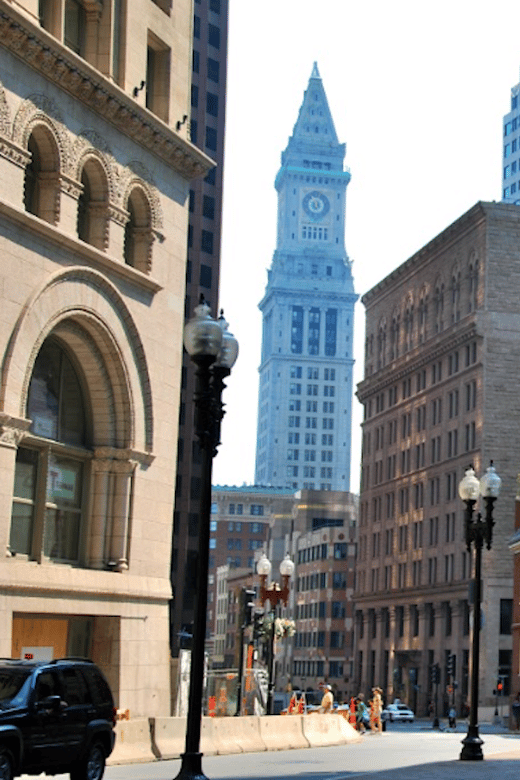
This is set up as a flexible one-day visit. You can enter at any point during open hours at either address: Old State House (206 Washington St.) or Old South Meeting House (310 Washington St.). You can do them in any order, and the time pressure is mostly on your own pace since both sites operate on the same general schedule.
Both museums are open daily between 10 AM and 5 PM, with periodic holiday closures or special-event closures. So if you’re visiting around a holiday, don’t assume every hour is guaranteed. For day-of planning, check the hours listed on revolutionaryspaces.org before you leave your hotel.
Since there’s no hotel pickup or drop-off, build your Boston walking route like you would for any Freedom Trail stop. The big practical win here is the proximity. You’re not switching neighborhoods or waiting for transit. You’re doing a short walk and shifting themes: royal governance on one side, civic assembly on the other.
One more practical note that matters more than it sounds: you can’t bring food or drinks, and you also can’t bring luggage or large bags. If you’re traveling light, great. If you’re carrying anything oversized, you’ll need a separate plan for storing it.
Old State House (1713): royal power, the Boston Massacre, and hard questions
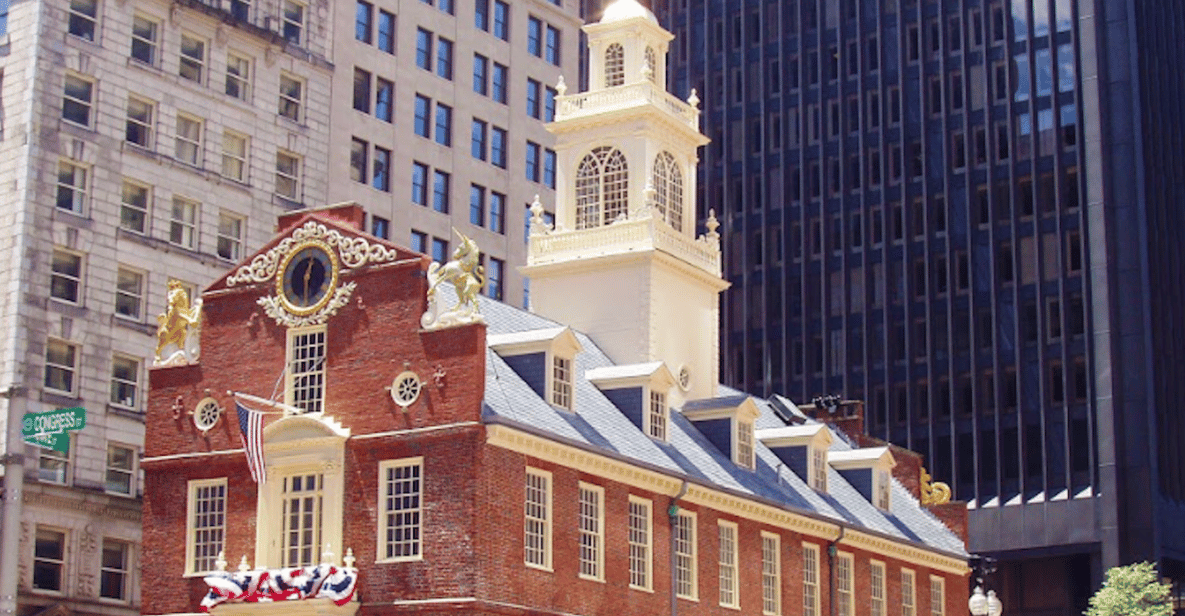
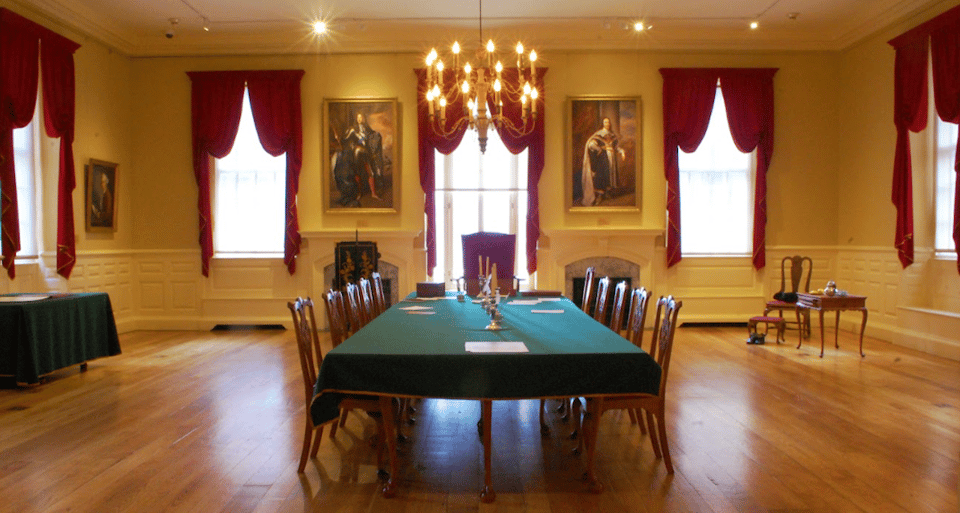
The Old State House is the earlier of the two, built in 1713 and used as the hub of royal government in the Massachusetts Bay colony. When you’re inside, you’re in a place that was part courtroom, part administrative center, part stage for conflict. The exhibits and talks are designed to pull that forward, including the connection to the Boston Massacre.
This is where the story gets tense. The Revolution wasn’t only about battles; it was about self-government, free speech, and the struggle over who had the right to speak and decide. The museum’s theme isn’t just what happened, but why people felt pushed to act.
I also think this is a great stop for anyone who likes political ideas with real-world stakes. If you’ve ever wondered how public disagreement turns into civic engagement, the Old State House angle helps you see the mechanism. It’s the background pressure point that makes later mass meetings feel logical instead of surprising.
Accessibility note (important): the Old State House is currently not accessible and has many stairs. If you rely on a wheelchair or need step-free routes, you’ll likely want to focus your energy on Old South Meeting House, and you may need to bring someone who can assist you with stair navigation if that’s even an option for you.
Old South Meeting House (1729): mass meetings and the lead-up to the Tea Party
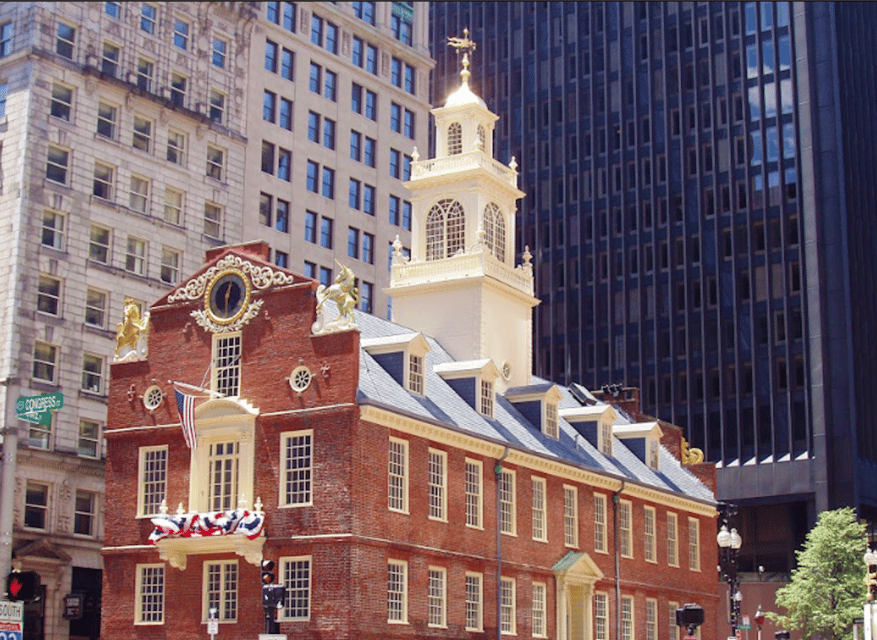
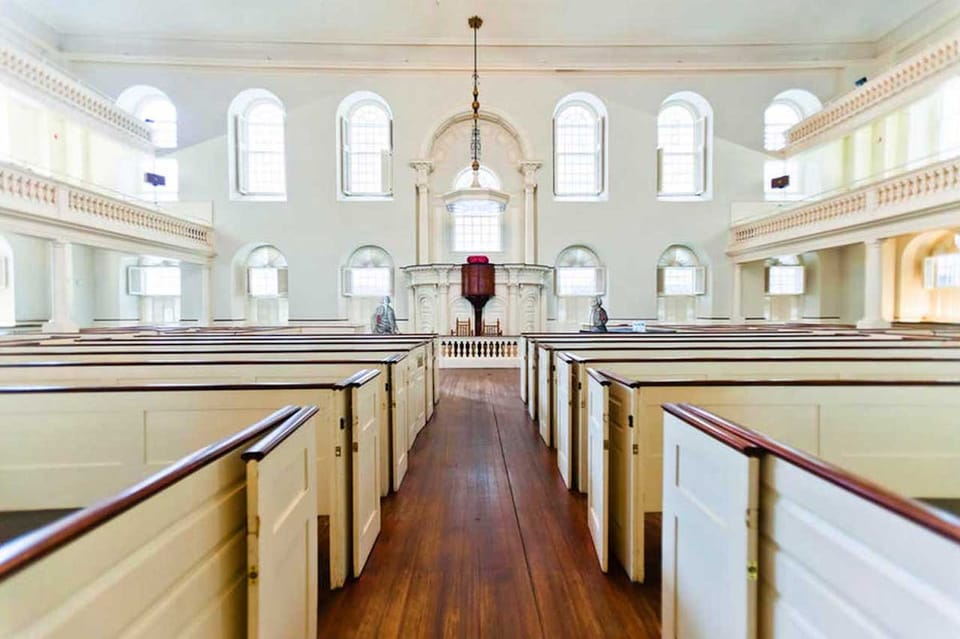
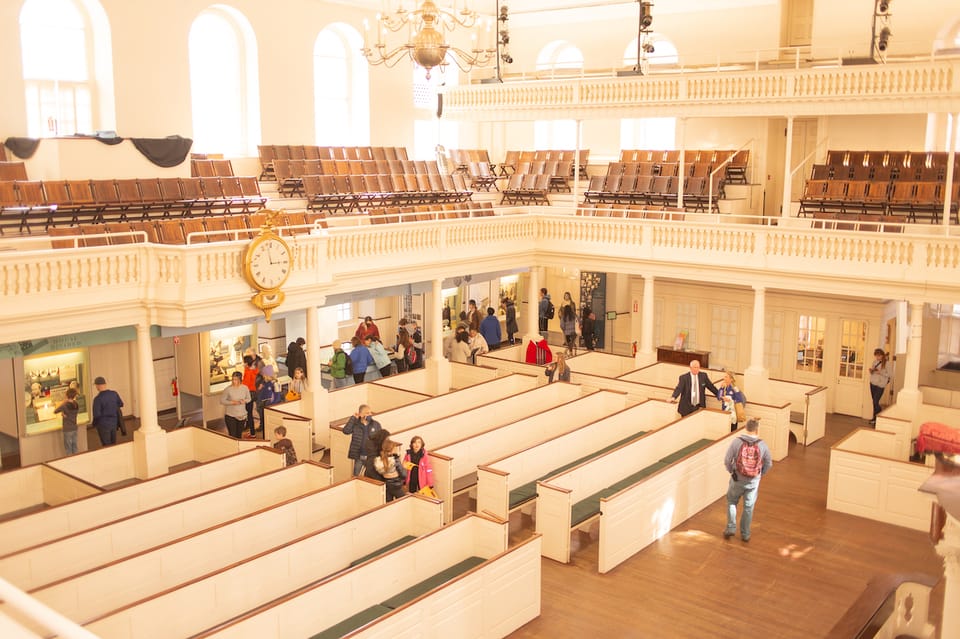
Now shift gears. The Old South Meeting House, built in 1729, was the largest building in colonial Boston. That size matters because it hints at purpose: this wasn’t a small debate club. It was a gathering space built for crowds and for public momentum.
This is also the meeting point tied to the Boston Tea Party. And beyond that single event, it’s about the broader pattern: the mass meetings held here helped shape the chain of action that moved toward the American Revolution. Standing in a meeting house after learning about government decisions up the trail gives you the “cause and effect” feeling. You can almost see how political tension turned into organized action.
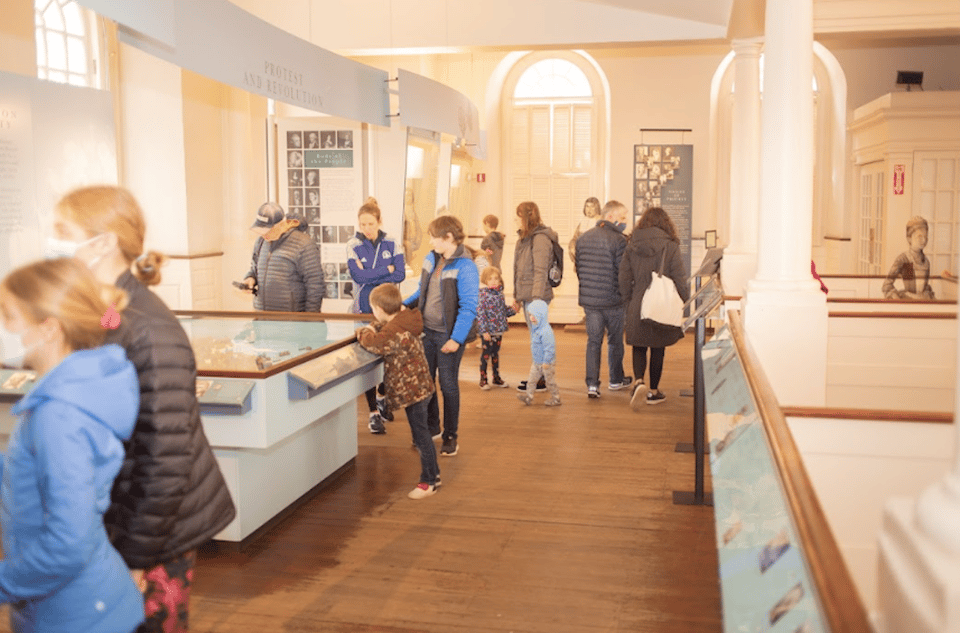
I like the way the museum experience supports that context. You’ll find exhibits and gallery talks, plus educational offerings and public programs listed for the site. Even if you don’t catch every talk time, the building’s role in the story still comes through because the content focuses on assembly, rhetoric, and collective decision-making.
Accessibility is a real win here. Old South Meeting House is wheelchair accessible, with elevator access to restrooms and the Museum Store on the lower level. If you need step-free movement, this is the easier anchor for the visit.
What you’ll do once you’re inside: exhibits, talks, and programs
This combo isn’t just a drive-by photo stop. Each site is set up as a museum visit with multiple layers. You can expect exhibits and gallery talks at both locations, plus additional educational offerings and public programs that may be running during your visit.
A practical way to handle two buildings in one day is to treat them like two chapters, not two identical checkboxes. At the Old State House, pay attention to how authority operated and where conflict entered the system. Then at the Old South Meeting House, focus on how people organized, spoke out, and built support for action.
The guiding tone across the two places is worth noticing. The ticket description emphasizes urgent themes: self-government, free speech, and civic engagement. That’s not just a mission statement. It’s the thread that connects why the Revolution looked the way it did in Boston.
One small detail that I appreciate is that the staff and on-site support make it feel approachable. The overall vibe is practical and friendly. It helps if you want to understand what you’re seeing without digging through a pile of texts.






Price and value: why $15 for two buildings can make sense
At $15 per person, you’re paying for two historic buildings in one day, both located in downtown Boston and connected to the Freedom Trail. If you’re already doing the Freedom Trail anyway, this is one of those add-ons that can be easier on your schedule than picking just one stop.
The value calculation comes down to two things:
- You’re stacking two “big” museums back-to-back: Old State House and Old South Meeting House are not tiny exhibits.
- You’re not spending extra time relocating: it’s a short walk between addresses, so you’re using your hours efficiently.
And there are special cost offsets that can make it even better. From 2/17/25 through 2/23/25, children ages 12 and under get free admission. If you’re visiting with kids during that window, this combo can feel like a no-brainer.
There are also free admission options for certain groups. Revolutionary Spaces provides free admission for Active US Military (including free admission for up to five guests), Veterans (Blue Star Museums), Massachusetts Teachers, and Electronic Benefits Transfer cardholders. Tickets for these individuals are available on site, and you’ll need identification or proof of service/certification.
If you don’t qualify for those offers, $15 still compares well because you’re getting entry to both sites under one ticket. You’re also supporting public history work as part of the mission, with a donation prompt available at checkout if you want to add extra support.
Who this combo fits best (and who should plan around it)
I think this works especially well for you if you:
- Like the Freedom Trail but want more than the surface-level stops
- Care about how public debate and civic action actually work
- Want to see the Revolution through both government and protest settings
It’s also a strong option for families visiting with kids who are curious and not overwhelmed by museums. The reason is simple: both locations are in the same day window (open daily 10–5), and the two blocks between them keep the logistics manageable.
The biggest reason to plan around this is accessibility at Old State House. If you can’t use stairs, make Old South Meeting House your main building and consider whether the Old State House stop is realistic for your needs.
Also keep in mind the rules: no food or drinks inside, and no luggage or large bags. If you’re coming straight from a train station or you’re carrying a lot, you’ll want to handle storage before you arrive at either address.
Should you book the Old State House and Old South Combo?
Book it if you want a high-value Freedom Trail day where the story connects. This ticket gives you two major Boston sites on one schedule, with exhibits and talks that focus on how authority and civic engagement collided.
Skip or modify your plan if Old State House stairs are a dealbreaker. In that case, you can still get a lot from Old South Meeting House thanks to wheelchair accessibility, but you may not get the full two-building experience.
If you’re deciding between “just one stop” and “both,” I’d choose both. The short walk between the buildings turns it into a single, coherent Revolution narrative, and the staff help makes the visit feel easy rather than confusing.
FAQ
What does the $15 ticket include?
Your admission covers both historic sites: the Old State House and the Old South Meeting House, including exhibits and gallery talks available there.
Can I visit the two sites in any order?
Yes. You can enter at either location during open hours and visit the sites in any order.
How long is the ticket valid for?
The ticket is valid for 1 day. Check availability to see starting times.
What are the hours for these attractions?
Both attractions are open daily between 10 AM and 5 PM, with periodic closures around the holidays or for special events.
Are children age 12 and under always free?
Free admission for children ages 12 and under applies from 2/17/25 through 2/23/25. Outside that window, the general free admissions listed for other groups would still apply, but the kids’ free window is date-specific.
Is the Old State House wheelchair accessible?
No. The Old State House is currently not accessible and has many stairs. Old South Meeting House is wheelchair accessible, with elevator access to restrooms and the Museum Store on the lower level.
Are food, luggage, or weapons allowed inside?
Food and drinks are not allowed, luggage or large bags are not allowed, and weapons or sharp objects are not allowed. Smoking is also not allowed.