REVIEW · HOP-ON HOP-OFF & TROLLEY TOURS
Boston Sightseeing Tour – a fully-narrated driving tour
Book on Viator →Bookable on Viator
Boston can feel like a maze.
This private, fully narrated driving tour helps you map the city fast, while your guide ties famous spots to the stories that shaped Boston. You cover major neighborhoods and key Revolutionary sites without spending hours fighting traffic or narrow streets, and you get a route built for getting your bearings.
I really like two things about this experience. Peter’s storytelling makes landmarks click, with humor and specific details that connect early Boston through the mid-1900s. And I love that the air-conditioned van keeps the tour comfortable, especially on cold or blustery days when walking becomes a drag.
One thing to consider: this is a 3-hour drive-by format. You’ll see plenty from the curb and get great context, but if your plan depends on long interior stops, you may feel the time limit.
In This Review
- Quick Take Before You Go
- Why This 3-Hour Boston Driving Tour Works for First-Timers
- Meeting Your Guide and Getting Comfortable in the Van
- Revere House and the Freedom Trail: Boston’s Revolutionary Story While You Ride
- USS Constitution and Bunker Hill: War Meets the Waterfront
- Faneuil Hall and Boston Common: Where Public Space Becomes Political Power
- Back Bay to Copley Area: Architecture Lessons From the Windows
- Fenway Park, Red Sox, and the Modern Boston Thread
- Cambridge Views: Harvard and MIT in the Same Route
- What You Gain From a Drive-By Tour (and Where the Limits Show)
- Pricing: How $495 Per Group Breaks Down for Value
- Tips to Get the Most Out of Your 3 Hours
- Should You Book This Boston Private Driving Tour?
- FAQ
- How long is the Boston sightseeing driving tour?
- How many people can be in a group?
- Is this tour private?
- Do you get pickup in Boston?
- What is included in the price?
- Is food included?
- What landmarks will we see during the tour?
- Is the tour narrated and in English?
- When does the tour run?
- Is the tour affected by weather?
- What is the cancellation policy?
Quick Take Before You Go
- A private guide for your group: up to 6 people, so questions and side requests are easier than on a big bus
- Revolutionary Boston starts with Paul Revere: you’ll get the backstory tied to the locations you pass
- Real context, not just a list of stops: the narration connects events, dates, and people
- City streets handled for you: narrow roads and busy intersections become part of the experience, not a headache
- Plenty of photo moments from the van: you can ask for picture breaks when timing allows
- Built for orientation: ideal if you want a quick “what’s where” map for the rest of your trip
Why This 3-Hour Boston Driving Tour Works for First-Timers
If you’re visiting Boston for only a day or two, time is everything. This tour is designed to compress a lot of Boston into a short window, so you leave knowing where to go next—whether that means walking Fenway afterward, grabbing a quick view around Faneuil Hall, or planning a deeper visit to a single neighborhood.
Because it’s private (your group only), you don’t have to wait for other people to get moving. That matters in a city where traffic and tight streets can turn a sightseeing day into a timing puzzle. Here, the pacing is structured around a compact route, with narration filling the gaps you normally miss when you’re driving or catching views between stops.
It also helps that the tour runs during set daytime hours (10:00 AM to 3:00 PM), so you can pair it with museums, dinner plans, or a walking loop later. And with a mobile ticket, you’re not juggling paper confirmations.
You can also read our reviews of more tours and experiences in Boston.


Meeting Your Guide and Getting Comfortable in the Van
The experience starts with pickup anywhere within a ten-mile radius of downtown Boston. That’s a big deal, because parking in the core can be stressful, and it’s usually easier to let someone else do the driving.
Once you’re in the van, the vibe is practical and relaxed. The vehicle is air-conditioned, and groups note it’s kept clean and comfortable. You’ll also be with a private guide who sets the tone quickly—punctual pickup is often called out, and the best part is that the narration doesn’t feel like a scripted lecture. It feels like you’re getting the city’s story from someone who genuinely cares.
You’ll be riding through dense areas with lots of historic streets and intersections. That’s where a good driver earns their keep. Even if you’re not thinking about it, you’ll likely notice how smoothly the van threads through crowded routes to keep you on time.
If you’re traveling with service animals, the tour allows them, and the overall format (limited walking) makes it easier for many visitors to participate.
Revere House and the Freedom Trail: Boston’s Revolutionary Story While You Ride
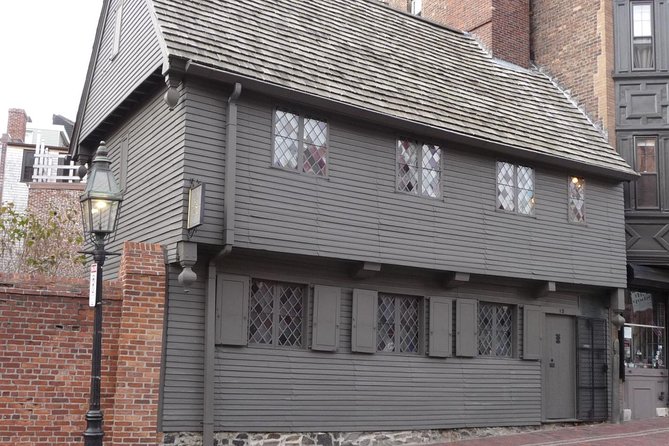
This is where the tour earns its name as a history-forward Boston intro. You start with a drive-by of the Revere House in the North End, which gives you a local anchor right away—Paul Revere isn’t just a statue in your history book once you’re hearing the context tied to where he actually lived and moved.
From there, the route connects to the Freedom Trail story line. As you pass along it, you get the bigger picture behind Revere’s Ride to Lexington and Concord. The tour doesn’t just say what happened; it explains why those moments mattered and how they fit into the push toward open conflict.
You may also catch views tied to the nighttime signal and communication story that the Freedom Trail is famous for (the area around Old North Church often comes up in people’s memories of this route). Even if you’re not getting out of the van at every stop, the narration helps you understand what you’re seeing and what to look for if you return later.
The North End portion is especially useful because it gives you a sense of Boston’s older street grid before you move into wider, more formal neighborhoods like Back Bay. In other words: you get the “how Boston used to be” frame before you see “how Boston grew.”
USS Constitution and Bunker Hill: War Meets the Waterfront
Next you head toward the waterfront area, with a drive-by of USS Constitution, the famous ship tied to early American naval history. Seeing it from the road (rather than as a separate museum day) works well because it keeps the tour moving while the guide explains the ship’s role and the broader maritime context for Boston.
Then comes Bunker Hill—a stop people remember because it’s not just about a battle name. The narration covers the Battle and the siege of Boston, which is the key to understanding why Bunker Hill is more than a single day. When you learn the lead-up and the consequences, the site feels less like a marker and more like a turning point.
This portion is also a good example of why a guided narration matters. Boston’s Revolutionary landmarks can look straightforward from a distance, but the meaning is layered. The guide’s job is to layer it for you in real time.
Faneuil Hall and Boston Common: Where Public Space Becomes Political Power
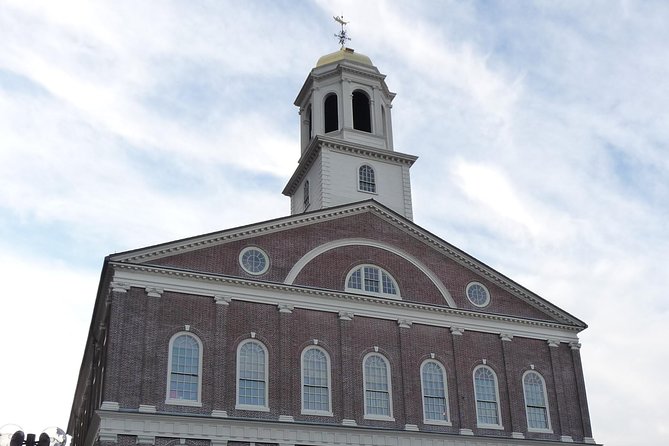
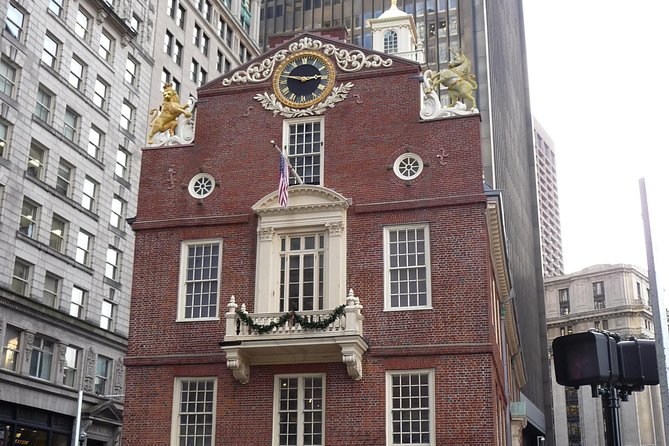
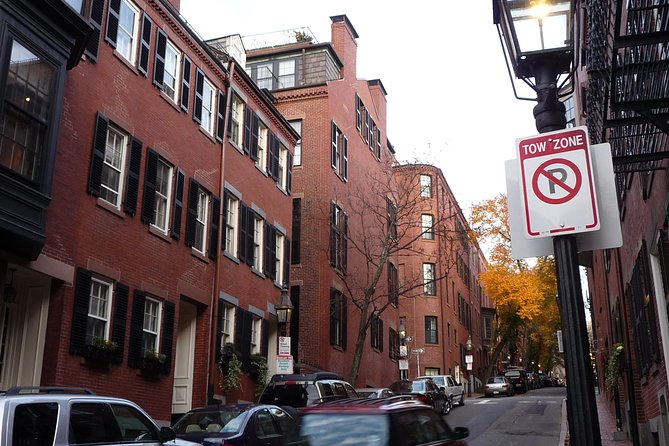
As you drive by Faneuil Hall, you get one of Boston’s clearest messages about civic life: this area is tied to the idea of public debate driving change. The tour frames Faneuil Hall as the Cradle of Liberty, which is exactly the kind of phrase that can sound generic until someone connects it to events and people you can picture.
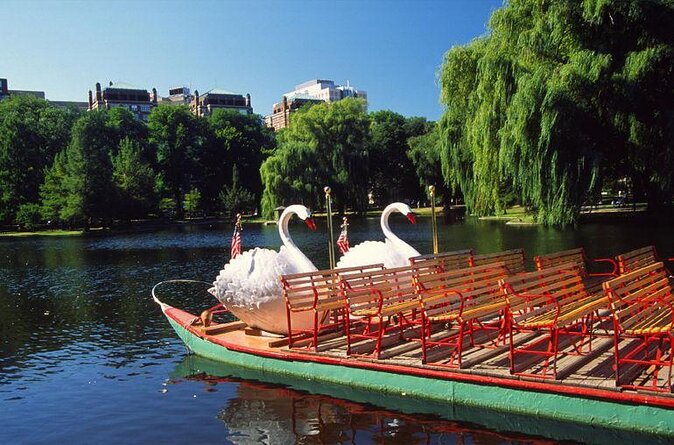
From there, you move to Boston Common, another must-know space. Boston Common is more than a green patch; it’s part of how the city organizes public life and gatherings. Hearing about its history while you’re passing by helps you understand why it has stayed central, even as Boston’s neighborhoods and skyline evolved around it.
If you’re the type of visitor who likes to know where a story happens and why it became a stage, these stops are strong. You’ll come away with a better sense of Boston’s “who argued where” map—useful even if you don’t add extra museum hours.




Back Bay to Copley Area: Architecture Lessons From the Windows
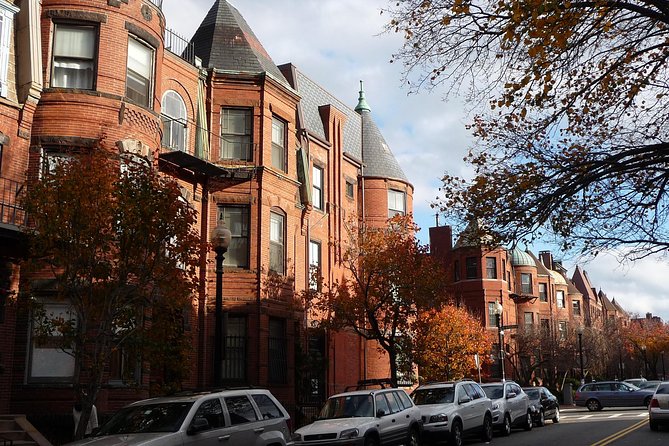
Then the tour shifts from Revolutionary landmarks into a different kind of Boston story. You drive through Back Bay, with narration focused on development and architecture. This is where the city stops feeling like only “old-time history” and starts looking like a pattern of growth—street by street, block by block.
Back Bay is a good contrast zone. It helps you see how Boston expanded and reworked land, and it also helps you understand why parts of the city look so planned compared to older neighborhood grids. Even from a vehicle, you’ll likely catch the visual logic of the streets and building styles the guide points out.
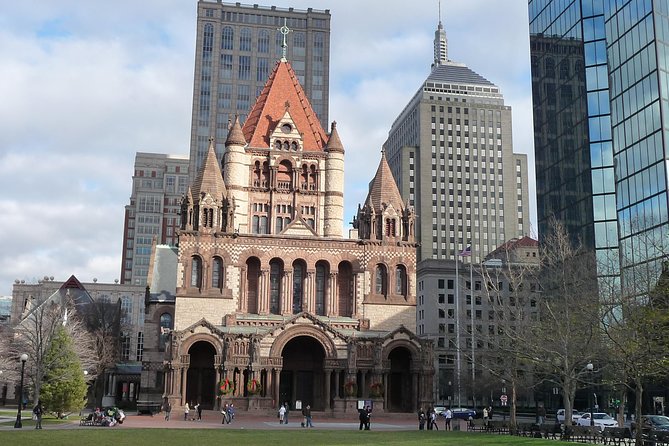
You may also notice major civic landmarks in this broader area—groups often mention Copley Square and historic church views around there, which makes this section feel like a bridge between old Boston and newer Boston’s public identity.
This is also where photo stops tend to make sense. From the van, you can ask for quick breaks to frame classic streetscapes. Just keep expectations realistic: it’s a short tour, so you’re optimizing for views and story context, not full walking loops.
Fenway Park, Red Sox, and the Modern Boston Thread
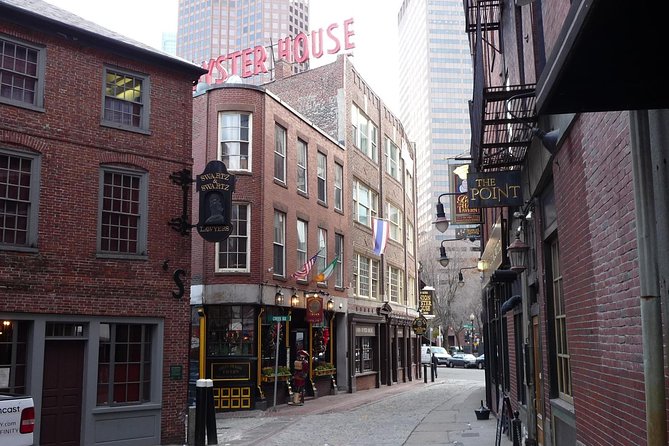
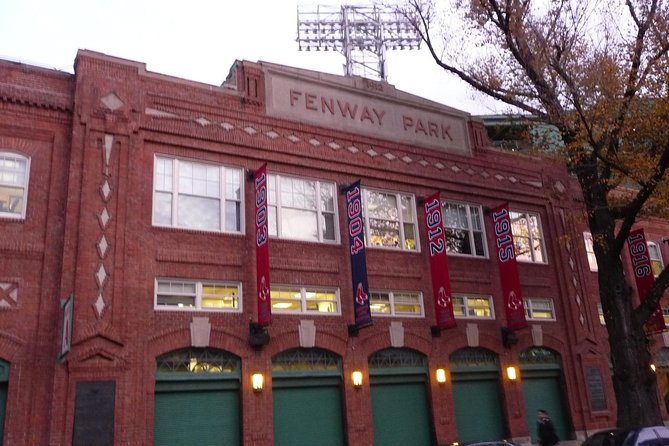
If Boston history is your thing, you might expect the tour to stay in the 1700s. It doesn’t. The route includes views connected to the Boston Red Sox, which brings in a more modern thread of Boston identity.
This modern layer is useful for two reasons. First, it prevents the tour from feeling like a museum exhibit stuck in one century. Second, it helps you understand that Boston’s pride and storytelling didn’t stop with the Revolution. Sporting culture became part of how the city brands itself, and the guide ties that back to other themes of Boston life.
If you’re a baseball fan, this part will likely click fast because the guide gives the local context around what you’re seeing, rather than leaving it as a random landmark pass.
Cambridge Views: Harvard and MIT in the Same Route
Depending on traffic and routing, you may also get drive-by views that reach into the Cambridge side. People frequently recall seeing Harvard and MIT during the tour, and that’s one of the reasons the total route feels like more than a standard downtown loop.
This matters if you’re planning a longer stay. A quick look from the road can help you decide whether you want to add a separate campus walking visit later. Even when you don’t stop, your brain starts sorting what’s where: downtown Boston versus the academic corridor.
What You Gain From a Drive-By Tour (and Where the Limits Show)
Let’s be honest about the format. You’ll see a lot, but you’re not staying long at each site. A strong guide narration makes the drive-by approach work because you’re learning while the city rolls past.
The upside is clear:
- you avoid parking problems and reduce walking, which is a real benefit if weather is rough
- you get connected storylines that help the landmarks make sense
- you can keep moving even when traffic slows other plans
The downside is also real:
- if you want time inside churches, markets, or specific buildings, the tour can feel too short
- if there’s heavy traffic, the guide may keep things on the clock to finish the planned route
One negative experience mentioned frustration when questions and photo requests cut into time, which meant some highlights felt missed. That’s the trade-off with a tight window: the tour works best when you treat it as an orientation and story tour, then build your deeper stops after.
Pricing: How $495 Per Group Breaks Down for Value
At $495 per group (up to 6) for about 3 hours, the price can feel high if you compare it to solo walking tours. But as a value equation, it often lands differently.
Here’s the practical math: if you have a group of four to six, you’re splitting the cost. That makes the experience more like a private ride with expert storytelling, rather than a per-person premium. And because the pickup is included within a ten-mile radius of downtown Boston, you’re not spending energy coordinating transportation.
What you’re really paying for is time saved and friction reduced. Boston’s historic core is compact but slow—narrow roads, heavy traffic, and constant stops for pedestrians can make self-guided driving stressful. This tour turns that chaos into an orderly route with a guide handling navigation and narration.
If you’re a family, a pair of friends, or a small group, this is often the smart way to get a lot of Boston in a short time. If you’re traveling solo, it can still be worth it, but you’ll want to be sure you’re using it for orientation and story context, not as a substitute for museum time.
Tips to Get the Most Out of Your 3 Hours
Here’s how to turn a short driving tour into a trip advantage:
Bring your must-sees list. If there’s one landmark you care about—like Faneuil Hall, USS Constitution, or Fenway—tell the guide early so they can prioritize the storytelling and decide whether a quick photo stop fits.
Ask questions. People mention Peter answering in depth and patiently, and that makes a difference. If you want extra context on the Boston Tea Party period, the Revolution timeline, or how Back Bay developed, asking helps the narration turn personal.
Plan for weather. The tour requires good weather, so if Boston is acting unpredictable, have a flexible mindset for timing. Dress in layers anyway—van comfort helps, but you’ll still spend time looking outside.
Think of this as your pre-planning tool. After the tour, you’ll know what you want to walk to. That’s how you turn three hours of drive-by context into a full, satisfying day on your own terms.
Should You Book This Boston Private Driving Tour?
If you want the fastest route to understanding Boston’s major storylines—Revere and the Revolution, the civic power of Faneuil Hall and Boston Common, and the city’s later identity—you should strongly consider booking. The fact that groups consistently highlight Peter’s punctuality, humor, and depth of detail is a good sign you’ll get more than surface-level landmarks.
Book it if:
- you have limited time and want a strong overview
- you prefer learning while riding, not spending hours walking
- you’re traveling with family members who may not want long stretches on foot
Skip it (or pair it differently) if:
- you plan to spend lots of time entering buildings and doing long stops
- your ideal tour is slow, quiet, and unstructured
If your goal is to get your bearings fast and leave with a Boston “story map,” this is one of the most efficient ways to do it.
FAQ
How long is the Boston sightseeing driving tour?
It runs for about 3 hours.
How many people can be in a group?
It’s priced per group for up to 6 people.
Is this tour private?
Yes, it’s private—only your group participates.
Do you get pickup in Boston?
Yes. Pickup is offered anywhere within a ten mile radius of downtown Boston.
What is included in the price?
An air-conditioned vehicle is included.
Is food included?
No. Food and drink are not included.
What landmarks will we see during the tour?
You’ll drive past major sights such as Revere House, USS Constitution, Bunker Hill, Faneuil Hall, Boston Common, and Fenway Park. You’ll also pass through Boston neighborhoods and learn the stories behind them.
Is the tour narrated and in English?
Yes. It’s fully narrated and offered in English.
When does the tour run?
Tours operate Monday through Sunday from 10:00 AM to 3:00 PM.
Is the tour affected by weather?
Yes. It requires good weather, and if it’s canceled due to poor weather you’ll be offered a different date or a full refund.
What is the cancellation policy?
You can cancel up to 24 hours in advance for a full refund.