REVIEW · FREEDOM TRAIL TOURS
Freedom Trail: Boston Common, Old State House, Faneuil Hall
Book on Viator →Operated by Tours By Foot - Boston · Bookable on Viator
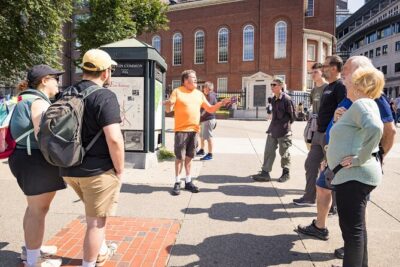
History gets fun fast on this walk. This Freedom Trail experience strings together Boston’s key landmarks with local, live commentary—so you’re not just reading plaques, you’re hearing the story behind them. I especially liked the small-group size (max 15), which makes it easy to ask questions as you go.
My other big win: you cover the must-sees like Boston Common and Faneuil Hall, but the guide also points out details that most people miss on their own. One thing to consider: the pacing is information-heavy and the delivery can be very high-energy, so if you prefer slower, calmer tours, you might feel a bit overloaded.
In This Review
- Key Points Before You Go
- Freedom Trail in a Tight Walk: 2 Hours, Max 15 People
- Boston Common as Your Reset Button (Stop 1)
- State House and Park Street Church: Government and Reform in One Stretch (Stops 2–3)
- Granary Burying Ground: Names That Made the Revolution Real (Stop 4)
- King’s Chapel and Old South Meeting House: Boston Argued First, Acted Next (Stops 5–6)
- Old State House Balcony to Faneuil Hall: The Freedom Trail’s Peak Moments (Stops 7–8)
- What the Guide Actually Adds: Details You’ll Carry Home
- Pacing, Energy, and Who This Tour Suits Best
- Value for $39: What You’re Getting for Your Money
- Should You Book This Freedom Trail Tour?
- FAQ
- Where does the tour start and end?
- What time does the tour begin?
- How long is the tour?
- How much does it cost?
- How big is the group?
- What’s included in the tour price?
- Do I need tickets or pay admission for stops?
- What language is the tour offered in?
- Can I use a mobile ticket?
- Is free cancellation available?
Key Points Before You Go
- Small-group walking format with room for questions, not a lecture-style crowd flow
- 8+ Freedom Trail stops in about 2 hours, from Boston Common to Faneuil Hall
- Local Boston historian-led stories that connect buildings to real events
- Most sites are free to enter, with Granary Burying Ground admission included
- Mobile ticket in English, with service animals allowed
Freedom Trail in a Tight Walk: 2 Hours, Max 15 People
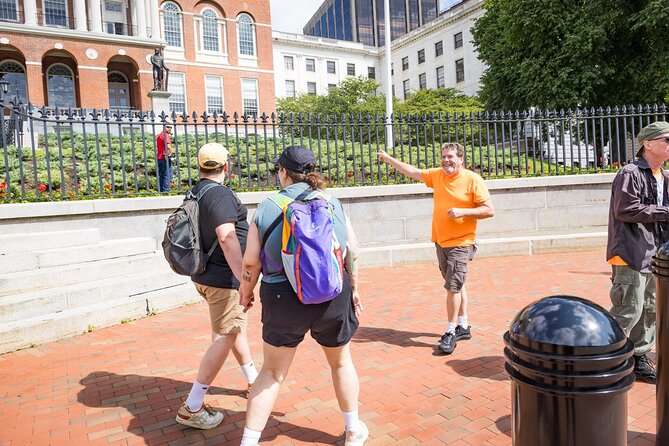
This is a straightforward walking tour across central Boston’s Freedom Trail core. Expect about 2 hours on foot, starting at 10:30 am at Tremont St & Park Street & Winter St, and ending at Faneuil Hall Marketplace.
The biggest practical advantage is the group size: up to 15 people. That matters because you can actually talk with the guide, ask follow-ups, and get answers that match what you care about (Revolution, reform movements, architecture, you name it).
Also, you get a mobile ticket and the tour runs in English. It’s near public transportation, so getting there is usually painless—even if you’re mixing it with other stops in the area.
You can also read our reviews of more tours and experiences in Boston.


Boston Common as Your Reset Button (Stop 1)
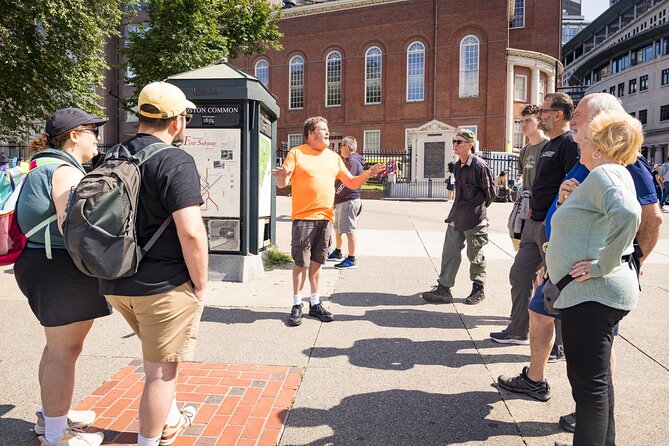
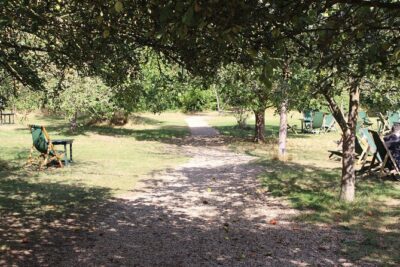
Boston Common is the calm start to what becomes a pretty intense storyline. Founded in 1634, it’s America’s oldest public park, and it gives you a grounding point before the Revolution-era drama kicks into gear.
This stop is more than a scenic pause. You get context for how Boston used this space over centuries—everything from British troop activity during the Revolutionary era to later public gatherings tied to civil rights. It’s a nice reminder that history isn’t frozen behind glass; people kept using these places for public life.
If you want a quick orientation, Boston Common does that well. It’s a big open space, so you’ll get your bearings fast before the route narrows into specific sites.
State House and Park Street Church: Government and Reform in One Stretch (Stops 2–3)
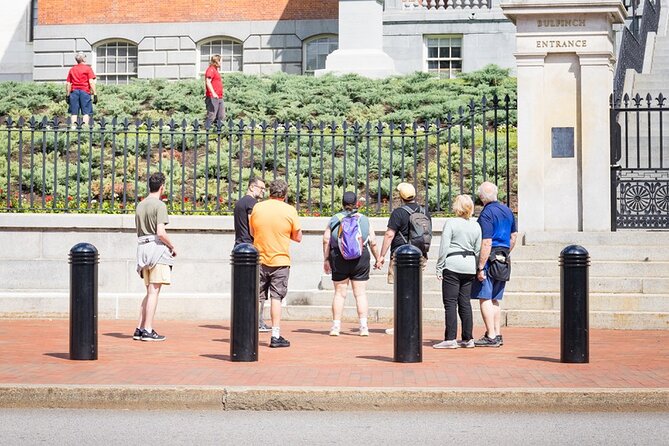
Next up: the Massachusetts State House, completed in 1798 with its famous golden dome. You’ll learn what it symbolized when it opened, and why it became such a visible statement of government power in Boston.
Then the tour shifts to Park Street Church (built in 1809), which is easy to miss if you’re only snapping photos of the steeple. This stop carries an especially strong thread of social change. You’ll hear about the first public anti-slavery address in the U.S., and how a church setting became a platform for moral and political action.
Practical tip: these are tight urban sidewalks. Comfortable walking shoes help because you’ll be moving steadily, not lingering long on the curb.
Granary Burying Ground: Names That Made the Revolution Real (Stop 4)
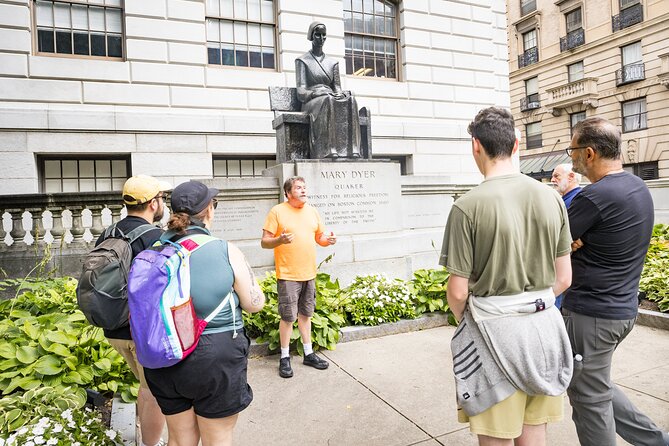
Granary Burying Ground is where the tone gets heavier in a good way. This cemetery is among Boston’s oldest historic burial grounds, and it includes final resting places for major Revolutionary figures like Paul Revere, Samuel Adams, and John Hancock.
The guide also helps you notice what the site is really for: connecting people, not just events. You’ll also be pointed toward Crispus Attucks, recognized as the first casualty of the Boston Massacre. That moment matters because it shifts the story from distant politics to real human cost—something you often don’t feel as strongly when you read about it quickly.
This stop has admission included, so you won’t need to scramble for extra tickets. Plan on using your “inside voice” here, too. The atmosphere encourages quiet attention.
King’s Chapel and Old South Meeting House: Boston Argued First, Acted Next (Stops 5–6)
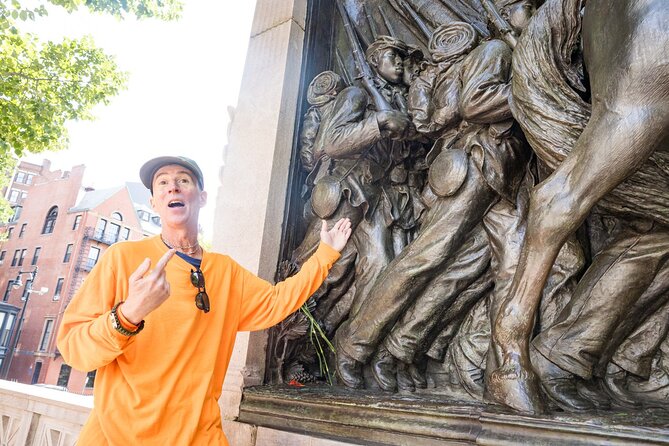
King’s Chapel (built in 1754) is a striking Georgian-style stop that adds an architectural angle. It’s one of the oldest churches in Boston, and the tour connects its physical presence to the shifting loyalties of the Revolution era, including ties to loyalist congregants.
Then you move to the Old South Meeting House (built in 1729). This is one of those places where you can almost feel the tension before action. The big story here is how plans for the Boston Tea Party were famously set into motion inside these walls.
What I liked is that the tour treats these buildings like active participants in the story. It’s not just where something happened—it’s how a community organized, debated, and decided to push back.
If you’re the kind of person who wonders how a crowd can go from talk to action, this pair of stops answers that question.




Old State House Balcony to Faneuil Hall: The Freedom Trail’s Peak Moments (Stops 7–8)
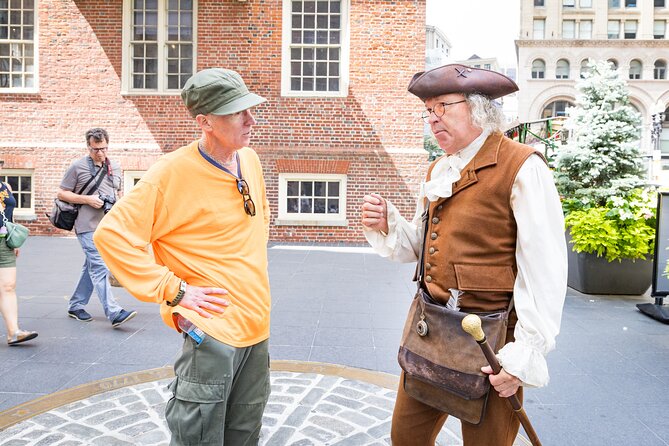
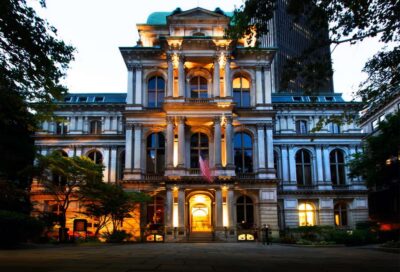
Old State House (dating to 1713) brings the Revolution into focus in a very direct way. The guide explains its role as the seat of colonial government and a stage for key moments leading up to independence. One standout detail here is that the Declaration of Independence was read from its balcony—an iconic image that lands differently when you’re standing where it happened.
From there, the route finishes at Faneuil Hall, known as the Cradle of Liberty. Faneuil Hall has long served as a marketplace and meeting hall since 1742, but the tour’s emphasis is on public debate: speeches, arguments, and the kind of political pressure that helped independence move from idea to movement.
This last stretch is a strong close because you see the arc. You start with public space, move through government and reform signals, witness the human cost, and end with the loud, persuasive culture of revolutionary decision-making.
And because the tour ends at Faneuil Hall Marketplace, you’re also well placed to keep exploring afterward at your own pace.
What the Guide Actually Adds: Details You’ll Carry Home
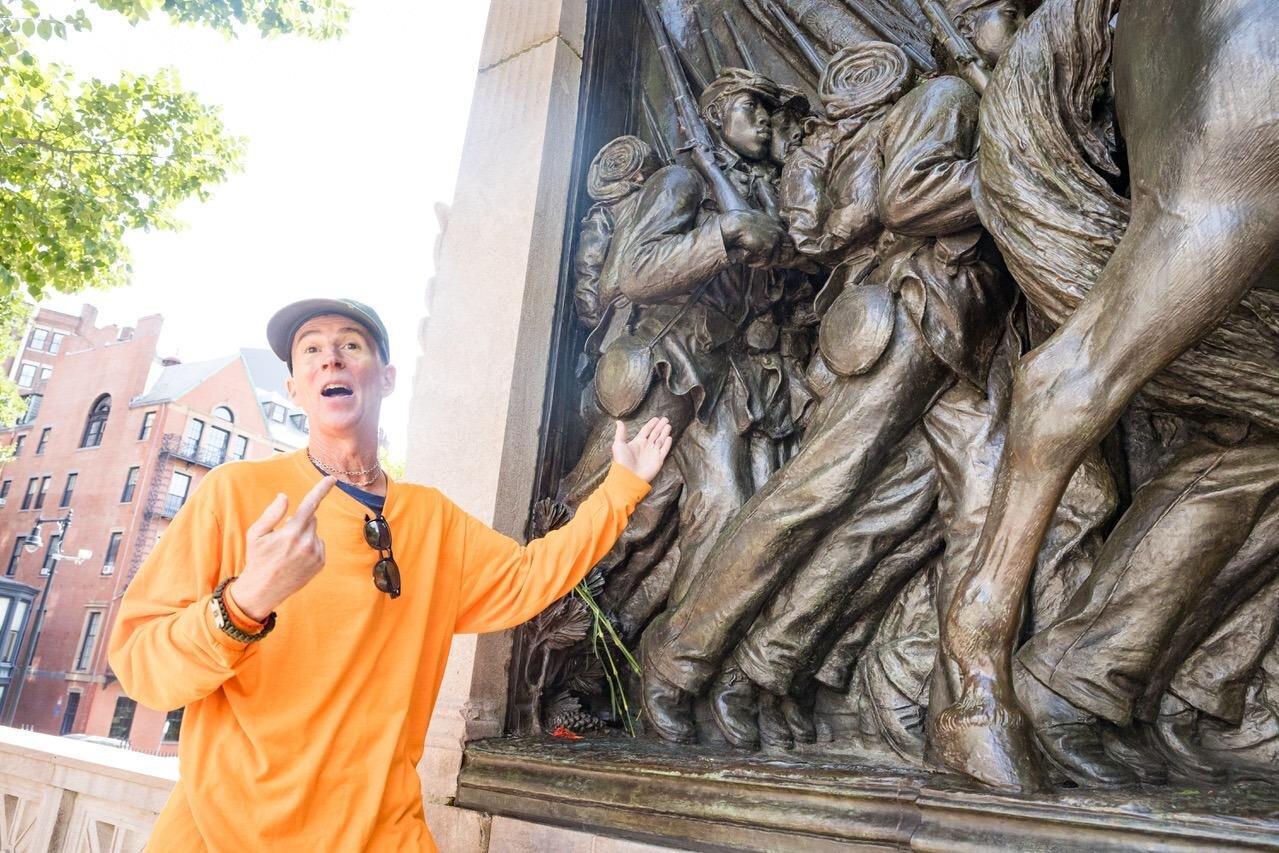
The best part of a good Freedom Trail guide is the extras—small facts that make the route feel alive. This tour leans hard into that.
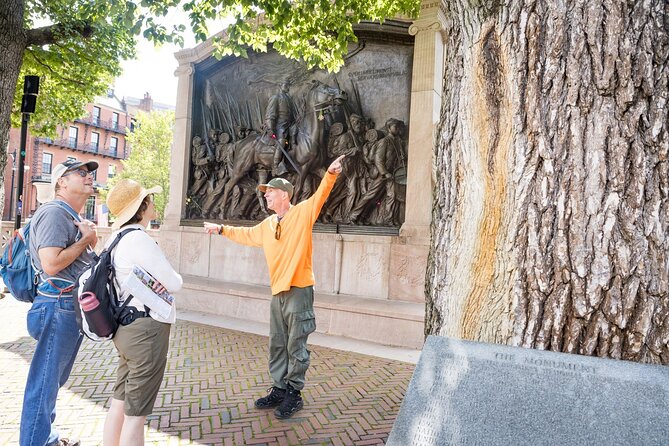
Guides often bring out quirky, memorable details that make you remember specific moments. For example, one guide named Brian was highlighted for fun, accurate details like the 54th Regiment Memorial sword being rubber and a pointed reference at Granary’s Franklin Memorial that helps the setting stick in your mind.
Brian is also praised for storytelling energy that doesn’t rely on shouting. Instead of blasting a crowd with a megaphone-style approach, the guidance stays conversational, which makes it easier to catch the key points without feeling like you’re being rushed through information.
One more underrated benefit: you’ll often notice passersby stopping to listen as the guide talks. That’s a sign the stories aren’t just recited—they’re told in a way that holds attention.
Pacing, Energy, and Who This Tour Suits Best
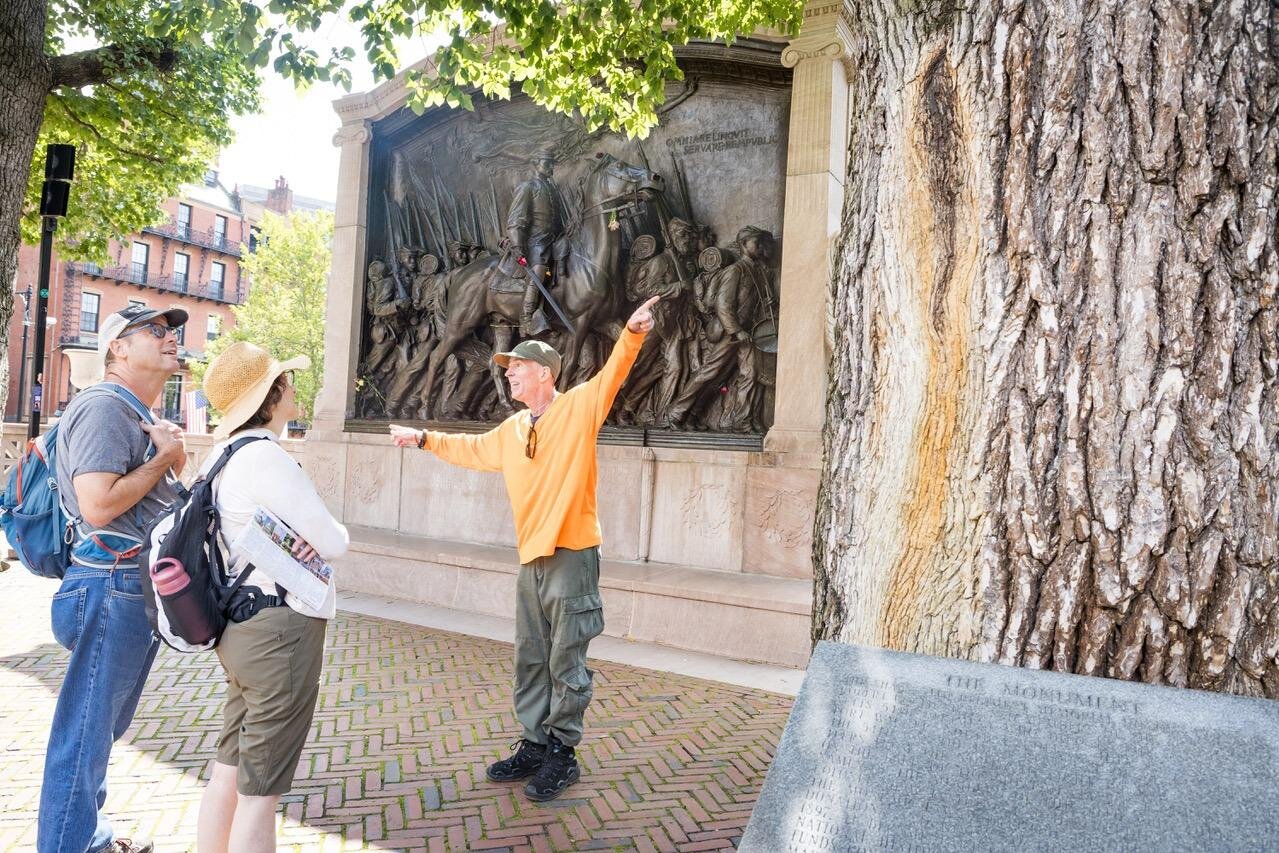
This is a walking tour with a lot of narration, and it moves from stop to stop at a steady rhythm. Most stops are scheduled for around 15 minutes, so you won’t get a slow sit-down experience. You’ll walk, look, and listen—then you’ll move.
The “consideration” part is real: the information can feel like a firehose if you’re sensitive to intense pacing. Some people also find that the experience is mostly building-and-exterior focused, with less time spent on checking in as you go.
If you’re going with younger kids, keep that in mind. It’s still possible for families to enjoy it, but it’s more about history explained through landmarks than a kid-focused scavenger style.
On the flip side, it’s a great fit if you like asking questions and want a route that stays on track without wasting time. The small-group setup helps a lot if you’re curious and want more than a basic overview.
Value for $39: What You’re Getting for Your Money
At $39 per person for about 2 hours, the value comes from two things: access and efficiency.
First, you’re paying for a live historian-style guide who can connect buildings to events in real time. That’s hard to replicate if you’re doing the Freedom Trail alone, especially when you want the “why does this matter?” context.
Second, you get included admissions for at least one major stop. Most listed stops are free, but Granary Burying Ground admission is included, which adds real value. Even with free sites, the guide’s ability to steer your attention to the meaningful bits is the practical payback.
And because this route covers key segments from Boston Common to Faneuil Hall, it’s a good use of a limited sightseeing window. You’re not hunting around for the next stop—you’re following a clean arc.
Should You Book This Freedom Trail Tour?
Book it if you want the Freedom Trail to feel like a story you understand, not a checklist you complete. The combination of small-group walking, live local commentary, and a route anchored by places like Boston Common, Old State House, and Faneuil Hall is exactly what makes this kind of tour worth it.
Skip it (or plan differently) if you need a slower pace, or if you’re going with kids who get restless with mostly listening and looking at buildings. In that case, you might pair a lighter self-walk with one shorter guided stop instead.
If you’re deciding today, my advice is simple: reserve soon. It’s commonly booked about 44 days in advance, which usually means popular time slots can disappear.
FAQ
Where does the tour start and end?
It starts at Tremont St & Park Street & Winter St, Boston, MA 02108, and ends at Faneuil Hall Marketplace, Boston, MA 02109.
What time does the tour begin?
The start time listed is 10:30 am.
How long is the tour?
The duration is about 2 hours.
How much does it cost?
The price is $39.00 per person.
How big is the group?
The maximum group size is 15 travelers.
What’s included in the tour price?
You get an award-winning guided walking tour with live commentary by a local Boston tour guide & historian, plus guidance through the highlights of the Freedom Trail with 8+ stops.
Do I need tickets or pay admission for stops?
Admission is free for the listed stops on the route. Granary Burying Ground has admission included.
What language is the tour offered in?
The tour is offered in English.
Can I use a mobile ticket?
Yes, the tour uses a mobile ticket.
Is free cancellation available?
Yes. You can cancel up to 24 hours in advance for a full refund.