REVIEW · BOSTON
Tour Boston’s Rock & Roll Past and Present by Soundscape Tours
Book on Viator →Operated by Tour Boston's Rock & Roll Past & Present by Soundscape Tours · Bookable on Viator
Rock and roll history is everywhere in Boston. This 90-minute small-group tour strings it together in a way that actually feels fun, not like a lecture. You’ll walk from the Fens to Kenmore Square and end near Fenway, with music playing as your guide connects the dots across punk, new wave, and even the folk scene.
What I like most is how small the group is (max 15), which means you can ask questions without shouting over strangers. Second, the guide, Matt, brings real passion for Boston’s music routes and even checks in about what bands and genres you care about—so the stories land more personally. One thing to keep in mind: Fenway-area crowds can be a problem, especially around game time, and that can slow the walking pace.
In This Review
- Key Highlights You’ll Actually Feel
- A 90-Minute Boston Walk That Hits the Right Notes
- Starting at The Verb Hotel: Convenient for Fenway and Beyond
- The Fens and Victory Gardens: Music Meets Olmsted’s Greenspace
- Kenmore Square: Records, Punk Roots, and The Rathskeller Era
- Fenway Park Shadow and Landsdowne Street: Old Venues, New Loads
- Why the Guide Matters: Matt’s Personal Touch and Belfast Connection
- Listening, Socializing, and Getting More From City Streets
- Price and Value: Is $35 Worth 90 Minutes?
- Game-Day Crowds: The One Practical Risk Near Fenway
- Who Should Book This Tour?
- Should You Book Boston’s Rock & Roll Past and Present?
- FAQ
- How long is the tour?
- How much does it cost?
- How big is the group?
- Where does the tour start?
- Where does the tour end?
- What language is the tour offered in?
- What stops are included?
- Is food or drinks included?
- Is there a mobile ticket?
- Is the tour accessible for everyone?
- FAQ
- Can I cancel for a full refund?
- What happens if the weather is bad?
Key Highlights You’ll Actually Feel
- Max 15 people means real Q&A time, not just head-bobbing through photos
- Fens + Victory Gardens mixes city greenery with a surprisingly music-linked stop
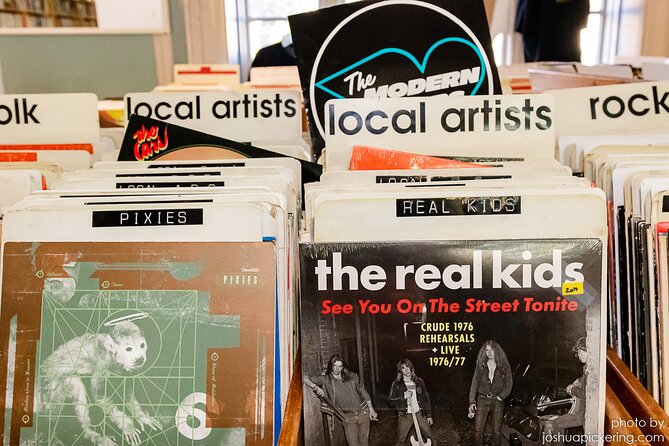
- Kenmore Square’s rock DNA covers punk, new wave, and the old record-store era
- The Rat and specific venue names keep the walk grounded in places you can picture
- Matt personalizes the tour when you tell him what you like
- Game-day crowds at Fenway are the one wildcard to plan around
A 90-Minute Boston Walk That Hits the Right Notes
This isn’t a long, sit-down museum tour. It’s a tight 1 hour 30 minutes that moves at a comfortable pace and keeps changing the scene—park path, square streets, then the Fenway corridor. That timing matters. You get enough time to learn connections without getting tired of standing and listening.
You’ll also hear music along the way, which turns “stories” into a soundtrack. It’s a simple trick, but it works. If you’re a fan of punk, new wave, or that late-60s-to-60s-adjacent folk shift, you’ll start hearing Boston as a place where styles cross paths, not just a list of famous bands.
And since it’s in English and capped at 15, you’ll usually find the vibe easygoing. It’s also a nice social setup if you’re traveling solo but don’t want a quiet tour. You can chat with people who care about the same sounds.
You can also read our reviews of more tours and experiences in Boston.

Starting at The Verb Hotel: Convenient for Fenway and Beyond
Your meet point is the Verb Hotel on Boylston Street, right in Boston’s core. That’s helpful because it keeps you near transit and makes it easier to pair this with other Fenway-area plans. Ending back at the meeting spot also keeps the whole trip simple.
Because the walk is mostly about getting from stop to stop on foot, you’ll want to dress for weather and bring your patience if the streets are packed. The tour runs only when conditions are decent—good weather is required—so you’re less likely to show up to a “we’ll do it in your head” situation.
One more practical note: the tour has a moderate physical fitness level. It’s not described as extreme, but it is still a walking tour. If you’re bringing someone with slower pacing, this is the kind of tour where adjustments can actually happen—Matt has done accommodations for guests who move more slowly.
The Fens and Victory Gardens: Music Meets Olmsted’s Greenspace
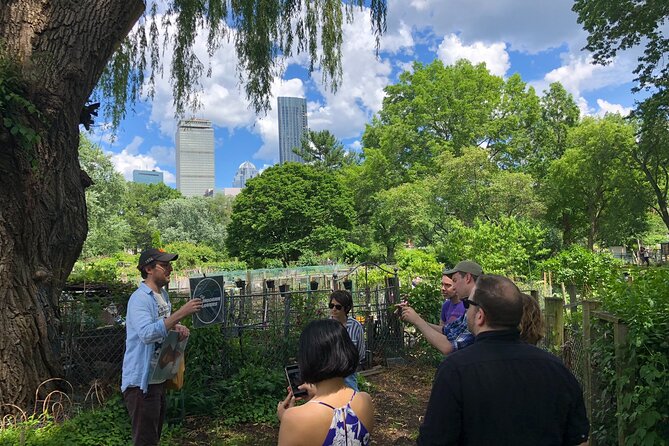
The tour starts in the Fens, the treasured greenspace shaped by Frederick Law Olmsted. That name matters in Boston because Olmsted-designed spaces are part of the city’s “public works as culture” story—green areas that people use daily, not just admire from afar.
Then it gets more interesting. You’ll walk through America’s oldest WWII Victory Gardens still in use. That’s not a throwaway detail. Victory Gardens connect food, community, and resilience—ideas that fit the emotional tone behind a lot of grassroots music scenes. Punk and new wave may feel like they belong to basements and clubs, but their roots often run back to community spaces too.
The guide also ties the setting to pop culture through a lyric from Jonathan Richman’s Modern Lovers EP: the line about walking through the Fenway with your heart in your hand. Even if you don’t know Richman’s work, it’s a fun way to make the park feel tied to Boston’s broader musical identity.
Possible drawback here: the Fens stop is part stroll, part listening, so if you prefer attractions with more crowd energy or more formal “sights,” you might wish it leaned even more visual. Still, this is a smart opening. It slows you down just enough to reset your attention before you hit Kenmore’s noise.
Kenmore Square: Records, Punk Roots, and The Rathskeller Era
Kenmore Square is where Boston music stops being abstract. For decades it was the hub, driven by record stores and venues like Storyville and the legendary The Rathskeller. The vibe you’re aiming for here is history with an edge: a scene where new sounds could show up fast because people had places to trade ideas and hear bands live.
A key theme is how garage, punk, and new wave groups pushed forward from the area around what’s often called the Rat—a short-hand for the club scene’s pull. You’re not just told “there were bands.” You get a sense of how scenes work: proximity, affordability, and repeat exposure to the same circuit of musicians and fans.
You’ll hear specific milestones too. The Police played here four times on their first US tour in 1979—that’s the kind of fact that makes a neighborhood feel larger than it looks. And you’ll also stop with connections like Pixies first sharing the same bill as Throwing Muses. Those details help you picture the moment when different fan worlds briefly collided.
There’s also a practical beat built in: a stop at Nuggets, described as one of the last record stores left in the neighborhood. That’s the kind of stop I like because it’s not just history—it’s current culture living in the same geography.
One small caution: Kenmore/Fenway-area streets can get busy. If you’re sensitive to noise or crowded sidewalks, it’s worth expecting pauses for foot traffic. The tour stays short enough that it usually won’t drain you, but you’ll feel it in the moment.
Fenway Park Shadow and Landsdowne Street: Old Venues, New Loads
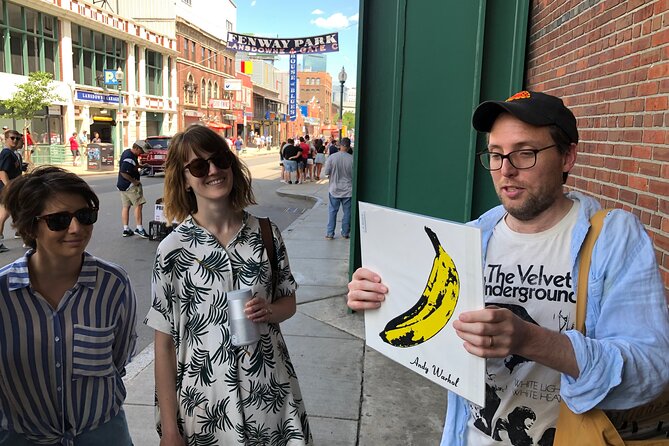
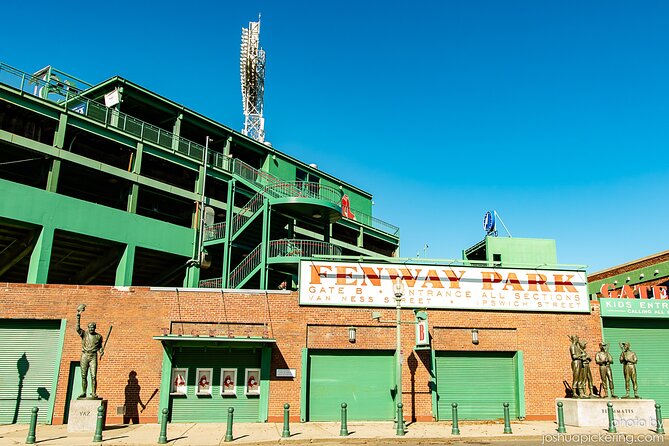
The third stop leans hard into the “past and present” promise. You walk down Landsdowne Street with Fenway Park towering over the route, and the guide connects what used to happen on these blocks with what happens now.
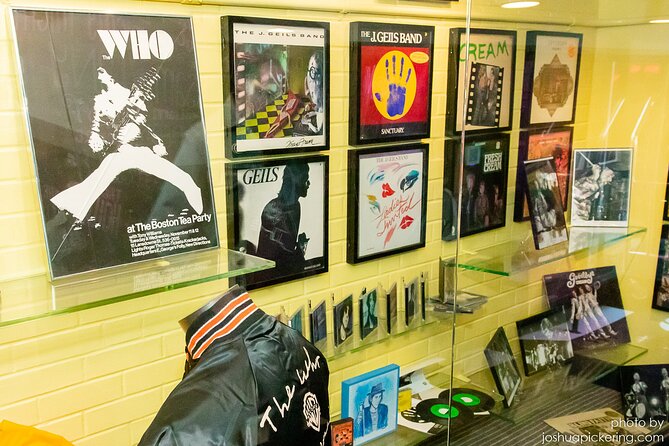
You’ll get stories about venues that sound like they belong to different eras but share the same location-energy. Names mentioned include Boston Tea Party, Venus De Milo, Avalon/Axis, Spit, and more. Even if you’ve never been to those rooms, hearing the list as part of a walking narrative helps your brain build a map.
Then you shift into the present. Today, local and national bands load in on Landsdowne Street to play at places like the House of Blues or the newer MGM Music Hall. That’s an important takeaway: Boston keeps updating its music infrastructure, but it often does it in the same neighborhoods where the scenes were born.
One real value of ending here is context. Fenway is a landmark most people already associate with sports, but this tour reframes that space as a doorway into live music geography too. It turns your “I know where Fenway is” into “I now understand why these blocks mattered.”



Why the Guide Matters: Matt’s Personal Touch and Belfast Connection
The tour’s strongest ingredient is the guide’s approach. In the feedback you’ll see a pattern: Matt doesn’t just recite facts. He helps shape the tour around what you actually want to hear about.
Two examples that stand out: he’s a local musician who brings lived understanding of the scene, and he’s known for asking guests what bands, artists, genres, or eras they’re curious about before—or around—the start. That means you’re more likely to get relevant stories rather than a one-size-fits-all stroll.
He also included a Belfast connection tied to Oh Ya studio. That’s the kind of cross-city link that makes Boston feel like a node in a wider music world, not a sealed-off chapter.
And yes, the tour gives room for questions. With the small group size, you’re not waiting for your turn. If something sparks your curiosity—why a club mattered, how a band’s trajectory connected, or what “the Rat” really referred to—you can ask and keep moving.
Listening, Socializing, and Getting More From City Streets
A lot of music history tours fail because they rely on plaques and vague descriptions. This one uses a different tactic: it pairs places you can stand in with sound you can actually hear. That combination gives you faster context than trying to memorize names in a row.
It also works socially. Music fans often bond quickly, and because the group is small, it’s easy to share what you love and discover what others are into. You might even leave with a few new artists to check out later, based on what played during the walk and what the guide chooses to connect to those spots.
If you like traveling by stories—walking routes that make the city feel personal—you’ll probably enjoy this. If you prefer totally silent sightseeing with your own pace, it may feel more structured than you want. But for most music-minded travelers, it hits the sweet spot.
Price and Value: Is $35 Worth 90 Minutes?
For $35 per person, you’re buying a short guided walk plus music-based storytelling plus multiple meaningful stops: the Fens with Victory Gardens, Kenmore Square with its record-store and venue legacy, and Fenway-adjacent Landsdowne Street with old-and-new club connections.
What makes it feel like value is the mix of:
- Paying for direction through places that are easy to walk past on your own
- Getting specifics (like venue names and concrete milestones) instead of generalities
- Small-group attention so you don’t feel like a number in a crowd
You do not get food or drinks, so you’ll want to plan for that separately. But since the tour is only 90 minutes, it’s easy to pair with a casual meal after.
Overall, this is a fair price if you care about music and Boston’s scene roots. If you’re only lightly interested in punk/new wave or live club history, you might still enjoy the settings—but the $35 value depends on how much you’ll lean into the soundtrack and stories.
Game-Day Crowds: The One Practical Risk Near Fenway
This tour ends near Fenway, which is fantastic for location. It’s also where Boston crowds can mess with your pace. If you’re going on or around Red Sox game time, you may hit slower movement coming out of the stadium area.
That’s not a deal-breaker, just a heads-up. If you can choose your day, do. If you can’t, give yourself a little extra patience and keep expectations flexible. The tour is short enough that even with delays, you should still get the main storyline and the key stops.
Who Should Book This Tour?
Book it if:
- You love punk, new wave, and garage rock history
- You want Boston’s music story mapped to real neighborhood geography
- You’re happy doing a short walking tour and listening for connections
- You’d enjoy a guide who can tailor to what you’re into, like Matt does
Skip it if:
- You want a mostly visual-only sightseeing experience
- You dislike crowds and game-day walking zones
- You don’t care much about live music venues or bands’ local origins
If you’re traveling with family, it can work well too—there’s been a family-friendly vibe with younger guests mentioned, as long as everyone’s comfortable walking and listening for 90 minutes.
Should You Book Boston’s Rock & Roll Past and Present?
Yes—if music history is your kind of travel, this is a strong pick. The small group size, the focus on specific places (Fens, Kenmore Square, Landsdowne/Fenway area), and the way music is woven into the story make it feel like more than a route. Add Matt’s habit of tailoring the tour to your interests and you get a better-than-average chance of leaving with new sounds to chase.
If you’re sensitive to crowds, try to avoid game days, or plan to go in with extra patience. But overall, this is a fun, practical way to see Boston through the bands and neighborhoods that shaped them.
FAQ
How long is the tour?
It runs about 1 hour 30 minutes.
How much does it cost?
The price is $35.00 per person.
How big is the group?
The tour has a maximum of 15 travelers.
Where does the tour start?
It starts at The Verb Hotel, 1271 Boylston St, Boston, MA 02215.
Where does the tour end?
It ends back at the meeting point.
What language is the tour offered in?
It’s offered in English.
What stops are included?
You’ll visit the Fens, Kenmore Square, and the Fenway Park / Landsdowne Street area.
Is food or drinks included?
No. Food and drinks are not included.
Is there a mobile ticket?
Yes, it includes a mobile ticket.
Is the tour accessible for everyone?
The tour notes a moderate physical fitness level. Service animals are allowed, and it is near public transportation. Confirmation is received at booking, and the tour requires good weather.
FAQ
Can I cancel for a full refund?
You can cancel up to 24 hours in advance for a full refund.
What happens if the weather is bad?
If it’s canceled due to poor weather, you’ll be offered a different date or a full refund.