REVIEW · 4-DAY EXPERIENCES
Best of New York, D.C and Niagara Falls US 4-Day Tour from Boston
Book on Viator →Operated by Jupiter Legend Corporation · Bookable on Viator
Four days. Three big-ticket American stops. This tour stitches New York City, Washington DC, and Niagara Falls into one efficient loop, with guided sightseeing and time to roam on your own.
I especially like that round-trip transfers from Boston are part of the deal, and that you get 3 nights of hotel so you’re not scrambling for sleep mid-route. The main drawback is the pace: you’re up early (the start is 5:45am) and you’ll spend a lot of time in transit.
In This Review
- Key highlights that matter before you go
- Leaving Boston at 5:45am: the pace you’re really signing up for
- New York City Fortune Tour: Lower Manhattan to Midtown, with smart stops
- Philadelphia and Washington DC: the memorial loop that hits
- Capitol and National Archives: optional time that can change your whole day
- Corning, Watkins Glen, and Niagara at night: a westward day with two different moods
- Niagara Falls classic day: Maid of the Mist in summer, Old Fort in winter
- Hotel for 3 nights: comfort you can plan around, not guess
- Price vs add-ons: what you pay for, and what you may need to budget
- How to make this trip feel good: small choices that matter
- Should you book this Boston-to-Niagara route?
- FAQ
- What cities does this tour cover?
- How long is the tour?
- How many hotel nights are included?
- When does the tour start from Boston?
- Is the Maid of the Mist boat included?
- What’s included in the Niagara Falls experience?
- Is the tour offered in English?
- What if you can’t enter the U.S. Capitol?
Key highlights that matter before you go

- A packed route that actually hits the essentials: NYC, Philadelphia, Washington DC, Corning/Watkins Glen, and Niagara Falls in just four days.
- 3 hotel nights included: you’re paying for rest, not just a bus ride.
- Guided structure with freedom built in: you get set viewpoints, plus room for solo photos and wandering.
- Niagara is the centerpiece twice: a mandatory night experience and an optional classic day tour.
- Season changes what you can do at Niagara: Maid of the Mist when it runs; a winter alternative when it doesn’t.
- Guides can make-or-break the day: people praised guides like Rex, Kitty, Catherine, and Daniel for clarity, patience, and helpfulness.
Leaving Boston at 5:45am: the pace you’re really signing up for

Start time is early—5:45am—and that sets the tone for the whole trip. This isn’t a “sleep in and stroll” plan. It’s a “see a lot, keep moving” plan, with long days that end later than you might expect.
The payoff is obvious: you get to stack multiple major cities and one natural wonder without doing the trip in separate one-week chunks. Just plan your body like you’re doing a marathon lite—comfortable shoes, a water bottle, and snacks for the bus help a lot.
Also note the tour caps at 55 people. That’s big enough for a group vibe, but not so large that you’re constantly lost in a crowd.
You can also read our reviews of more tours and experiences in Boston


New York City Fortune Tour: Lower Manhattan to Midtown, with smart stops

Day 1 is all about quick, high-impact NYC icons. You start in Lower Manhattan for the “how New York became New York” story, with a route through the Canyon of Heroes area and classic early civic/commercial landmarks. You’ll also pass architecture like the Woolworth Building and 15 Park Row, which helps the skyline feel less random.
Next comes Wall Street’s power core—New York Stock Exchange area, Federal Hall, Trinity Church, and the Bank of New York corridor—plus a blend of historic headquarters and modern financial symbols like the Charging Bull. The idea here is simple: you’re not trying to “learn everything.” You’re getting visual context fast.
From there, the tour shifts up into Midtown and the big-brand American symbols: Rockefeller Center and the Diamond District area, then onward toward Pulitzer Fountain, Grand Army Plaza, the Plaza Hotel area, and finally Times Square and the Nasdaq MarketSite. It’s a tidy arc from civic roots → finance → media/entertainment energy.
What I like about this format is the repeated rhythm: short guided segments paired with enough time to step out, look around, and reset your brain. If your NYC must-do list is heavy, this gets you oriented fast.
One thing to watch: this day is scenic and iconic, but it’s still a tour route. If you hate crowds and quick stops, you’ll want to step into solo time when the guide gives you space.
Philadelphia and Washington DC: the memorial loop that hits
Day 2 is built like a straight line through American history and the National Mall “big emotions” zone. First up is Independence National Historical Park with the Liberty Bell and Independence Hall. Even a short visit here tends to make the American story feel personal, because the spaces are compact and packed with meaning.
Then the tour moves toward Washington DC’s most powerful photo and architecture moments: the U.S. Capitol and the National Archives are part of an optional “in-depth” choice. If you can enter, that’s a major payoff. If not, the plan swaps in a DC-focused alternative that still keeps the day moving through major memorials.
You’ll also pass the White House Visitors Center area from the outside. It’s quick, but it’s one of those stops where the location does the heavy lifting—you get the iconic view without the long queue stress.
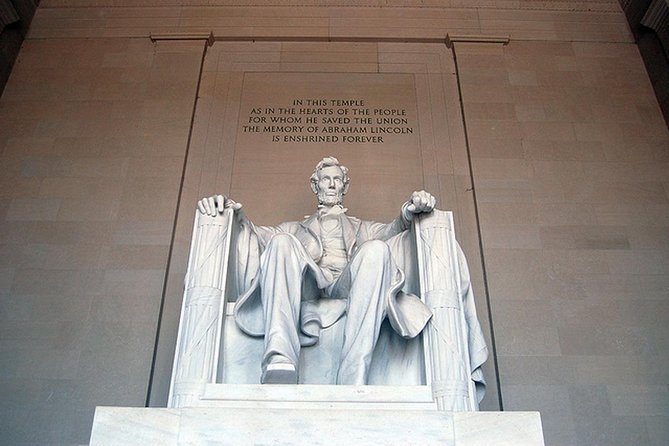
Finally, you reach the Lincoln Memorial and the Vietnam Veterans Memorial. This pairing works because it gives you both scale and reflection. It’s the kind of finish that makes you slow down even when the day is still scheduled.
Capitol and National Archives: optional time that can change your whole day
This tour gives you a choice for the Capitol/Archives visit: an in-depth option (with time inside the Capitol and access to the National Archives) or an alternative DC in-depth route if entry doesn’t work.
If you’re the type who enjoys civic architecture and founding documents, the upside is huge. Seeing the Declaration of Independence, Constitution, and Bill of Rights-related collection context is the kind of thing that’s hard to replicate on your own unless you plan carefully.
If entry doesn’t happen, the alternative still covers major memorial stops (including the Air Force Memorial, Thomas Jefferson Memorial, and World War II Memorial areas). That means the day doesn’t collapse into “just driving past monuments.” It stays meaningful.
Practical tip for you: decide in advance if you want the optional in-depth Capitol/Archives time. If that’s your top priority, treat it like your must-do and build the rest around it.
Corning, Watkins Glen, and Niagara at night: a westward day with two different moods
Day 3 shifts from cities to western New York scenery, and that change of pace is one of the best parts of the whole trip. Corning Museum of Glass is included as an optional stop. Even if you’re not a “museum person,” it can be a fun break because glassmaking is both visual and hands-on in spirit—bright, technical, and photo-friendly.
From there, you may also have an optional stop at Watkins Glen State Park and Finger Lake views. In warmer months, the park is open (typically April to October). The idea here is to get outside for a real leg-stretch and swap concrete for gorge views.
Then you hit Niagara Falls with a mandatory night tour. Night is different at Niagara: the falls are dramatic, and the lighting turns them into a true spectacle. The plan is built around that idea, with time to experience the American Falls area, Horseshoe Falls, and Bridal Veil area from viewing points.
There’s also mention of a fireworks schedule at the waterfall and a note that it’s not guaranteed on days when there is no fireworks show. Translation: expect a strong show, but don’t base your emotional peak on a specific fireworks moment unless you see it with your own eyes.






Niagara Falls classic day: Maid of the Mist in summer, Old Fort in winter
Day 4 is all about the daytime Niagara experience—this is where you get the full “close-up” feeling. The classic tour is optional and 2.5 hours, and what’s included depends on season.
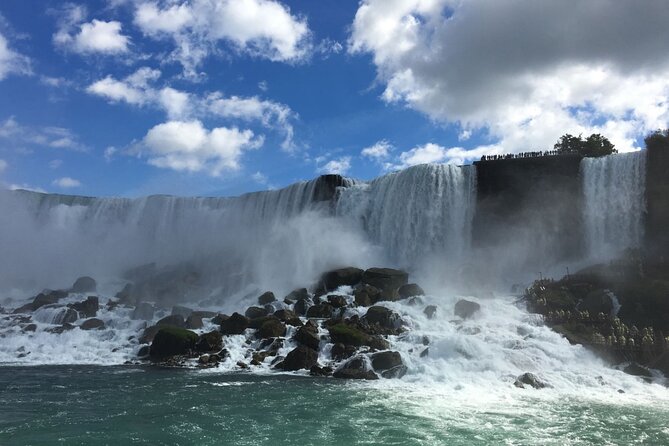
In summer (when Maid of the Mist opens), the classic tour includes Whirlpool Park, Cave of the Winds, and Maid of the Mist. Maid of the Mist is the iconic move here because it puts you near the spray and scale, and Cave of the Winds helps you understand the geology and force.
In winter (when Maid of the Mist is closed), the classic tour shifts to Whirlpool Park, Cave of the Winds, and Old Fort Niagara State Park. That means you still get the falls experience, plus a historical stop that can feel unexpectedly grounding when the air is colder.
One key fact you should keep in mind: Niagara Falls is actually a group of three waterfalls at the southern end of Niagara Gorge, straddling the border between Ontario (Canada) and New York (USA). That border detail helps the photos make sense and gives you a clearer mental map while you’re standing in the crowds.
After the Niagara focus, you return toward Boston. It’s a satisfying finish because you go out with the one sight that’s hardest to fake anywhere else.
Hotel for 3 nights: comfort you can plan around, not guess
The tour includes 3 nights of hotel accommodations, which is a huge value point for a multi-city trip. You’re not fighting for last-minute rooms as you bounce between regions.
Rooms accommodate 2–4 guests, with bed types varying (King/Queen or two twins). Deposit rules are handled by credit card, based on the details provided at booking.
What I take from this is simple: pick your room arrangement early, and don’t wait until the last minute to decide who’s sharing. If you’re traveling as a group of uneven room counts, plan on separate bookings per room type—this matters if you care about being together at check-in and getting the bed setup you want.
Price vs add-ons: what you pay for, and what you may need to budget

At $681 per person, you’re paying for transportation from Boston, the guided framework, and the baseline experiences. That’s the core value: you’re buying the hard parts—getting between cities—so you can spend your attention on the sights.
But you’ll also encounter optional ticket-style add-ons. Some admissions are only included if you select the right options. Examples in the plan include the Corning Museum of Glass ticket option, Watkins Glen/Finger Lakes option, the U.S. Capitol & National Archives in-depth option (or the DC in-depth alternative), and the Niagara Falls classic tour option. There’s also mention of an optional Liberty Cruise add-on paired with the Corning museum ticket option set.
Here’s the fair warning from a practical budget angle: some costs feel like an add-on program fee rather than a classic museum ticket. One of the most useful criticisms here is that a couple stops can feel like you’re paying for an included experience even when there isn’t a separate admission gate. Before you pay, check what exactly is covered versus what’s charged as an attraction line item.
Meals are not included, so you’ll want cash or card ready for lunches and snacks on transit days. And don’t forget drinks for hydration—standing in the sun and spray takes more water than you think.
How to make this trip feel good: small choices that matter
This tour is designed to move fast, so your job is to reduce friction.
- Wear shoes you can stand in for photos. You’ll be up and down sidewalks a lot, plus Niagara day can mean wet spray zones.
- Bring a sun hat and sunscreen even in shoulder seasons. Niagara and city walking both catch the light.
- Pack layers. It’s easy to go from warm streets to cooler viewing points.
- Keep your phone ready for the mobile ticket. You don’t want to scramble at the start after a long morning.
If you’re picky about language, check that the tour is offered in the language you want. The plan lists English, and one note suggests language expectations should be clear—so confirm before you go.
Finally, watch for timing changes. The operator can adjust the itinerary for smooth operations based on weather and traffic. That’s normal for this kind of multi-city schedule.
Should you book this Boston-to-Niagara route?
Book it if you want a high-value “greatest hits” trip with real structure: NYC icons in one day, DC memorial scale on day two, and Niagara Falls as a two-part experience (night plus classic day). It’s also a smart choice if you don’t want to plan every leg between cities.
Skip it (or at least reconsider) if you hate early mornings or you want slow travel with lots of independent time. This plan is long and it’s heavy on sightseeing credits and walking windows. You’ll likely feel the transit.
If you do book, I’d treat it like this: arrive in Boston rested, pick your Niagara option carefully based on the season, and make sure optional add-ons are worth it for your priorities. Guides named Rex and Kitty got praise for thorough explanations and patience, and that kind of leadership can make a packed itinerary feel manageable rather than chaotic.
FAQ
What cities does this tour cover?
You’ll see New York City, Philadelphia, Washington, DC, Corning, Watkins Glen (seasonal), and Niagara Falls.
How long is the tour?
It’s a 4-day tour (approx.).
How many hotel nights are included?
You get 3 nights of hotel accommodations.
When does the tour start from Boston?
The start time is 5:45am.
Is the Maid of the Mist boat included?
It depends on the season. The plan says Maid of the Mist is included when it is open (summer itinerary). In winter, the plan swaps it out and includes Old Fort Niagara State Park instead.
What’s included in the Niagara Falls experience?
There is a mandatory Niagara Falls night tour. There’s also an optional Niagara Falls classic tour (Whirlpool Park and Cave of the Winds, plus Maid of the Mist in summer or Old Fort Niagara in winter).
Is the tour offered in English?
Yes, it’s offered in English.
What if you can’t enter the U.S. Capitol?
If Capitol entry isn’t possible, the plan offers a replacement DC in-depth tour option that focuses on major memorials.