REVIEW · HARVARD & MIT TOURS
Cambridge, Massachusetts: MIT and Harvard Walking Tour
Book on GetYourGuide →Operated by Boston Hidden Gems Inc · Bookable on GetYourGuide
MIT-to-Harvard is a fast lesson in American brains. I love how this tour pairs MIT’s invention culture with Harvard’s legend-filled campus, in just a few hours. You’ll get the big photos, the campus context, and the behind-the-scenes stories—without needing to line up for building access.
My favorite parts are the exterior architecture stops, from the MIT Dome area to major Harvard landmarks like Widener Library. I also like the guide-led storytelling tone: pranks, student traditions, and quirky facts (the Smoot markings on the Harvard Bridge are a great example).
One thing to consider: this is mostly outside-only. If you want to walk into buildings or chase admissions-style answers, you’ll need a different kind of visit.
In This Review
- Key things I’d prioritize on this tour
- Value and the $49 question: what you actually get
- Starting at MIT: Ripple Cafe and the campus mood switch
- MIT’s architecture runs on contrast: Pei, Gehry, domes, and “hacks”
- A quick breather on Stata Center and the “see it for the vibe” stops
- Across the Charles: Harvard Bridge Smoot markings for the nerd-joke lovers
- Harvard Yard and the Three Lies: where stories matter as much as stone
- Memorial Hall, Memorial Church, and Widener Library: big Harvard visuals
- Harvard houses and campus geography: Lowell, Kirkland, and Wadsworth
- Harvard Square finish: turning a campus loop into a neighborhood visit
- Not a student-admissions tour: who this fits best
- Booking smart: how to make the most of your 3.5 hours
- Should you book this MIT and Harvard walking tour?
- FAQ
- How long is the MIT and Harvard walking tour?
- How much does the tour cost?
- Where do I meet the tour?
- Where does the tour end?
- Do we go inside buildings on MIT or Harvard?
- Is the subway ticket included?
- What should I bring?
- Are pets allowed?
- Is the tour suitable for wheelchair users or mobility impairments?
- Is gratuity included?
Key things I’d prioritize on this tour
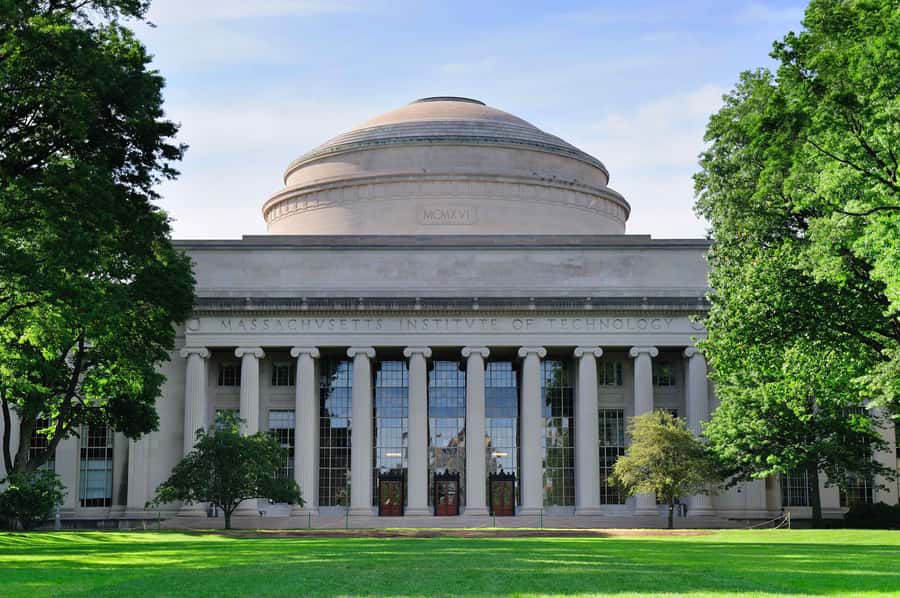
- MIT Dome and Widener Library photo moments without the stress of building-entry rules
- Harvard Bridge Smoot markings (small details that feel oddly famous)
- Architectural signatures outside only, including work associated with Frank Gehry and I.M. Pei
- Harvard Yard legends like the Statue of the Three Lies, plus student tradition stories
- Subway included for the MIT-to-Harvard jump, so your timing stays smooth
Value and the $49 question: what you actually get
For $49 per person, you’re paying for three things at once: a licensed guide, a structured route through two campuses, and a subway ticket from MIT to Harvard. The timing matters too. At about 3.5 hours, the pace is quick enough to hit the highlights, but not so rushed that you’re just speed-walking from one landmark to the next.
The big value signal here is that you’re not just seeing buildings—you’re getting why they matter. MIT can feel like a science-fiction set if you’re only looking for “cool facades.” With a guide, the architecture connects to inventions, campus culture, and the kind of student humor that turns into legend. Harvard works the same way: you see the famous spaces, then you hear the stories that made them famous in the first place.
The only real caution is your expectations. This isn’t a “come tour dorms” or “see classrooms” experience. Harvard does not allow non-students into campus buildings, and MIT also keeps building access limited. So if indoor access is your priority, you’ll be happier planning separate, self-guided visits on open days.
You can also read our reviews of more walking tours in Boston



Starting at MIT: Ripple Cafe and the campus mood switch
You meet in front of Ripple Cafe, right by the MIT/Kendall subway station. That location is handy because you’re already set up with transit options, and it makes the start feel more like a city walk than a “go to the middle of nowhere” excursion.
From there, the tour moves through MIT with a strong focus on exterior sights tied to real campus identity. The stops you’ll hit early—like the MIT Media Lab and Killian Court—do two jobs. First, they give you quick landmarks that help you orient fast. Second, they set the tone: MIT is a place where ideas get built, tested, and sometimes mocked with a wink.
If you’re coming with kids, this kind of campus storytelling often lands well. Some guides have a great mix of humor and clear explanations (names you may hear on different departures include Jenny, Alexandria, Alex, Marybeth, and Holly).
MIT’s architecture runs on contrast: Pei, Gehry, domes, and “hacks”
MIT’s campus is an architectural workout. One minute you’re looking at classic academic-looking space; the next you’re faced with bold shapes and modern campus planning that feels intentionally designed to keep things moving.
You’ll pass through spots like Gray House and the Green Building, then roll into Killian Court, which is one of those spaces that instantly reads as “center of the campus.” It’s a perfect early moment for photos because it frames the energy of MIT—open, bright, and built for people to gather.
As you keep walking, you’ll see more specific architecture highlights linked to famous designers, including buildings associated with Frank Gehry and I.M. Pei. The practical value here is that you don’t have to be an architecture expert. The guide’s job is to translate design language into human meaning: what the building is trying to do, and what kind of campus vibe it created.
Then comes the lighter side: MIT is famous for student creativity, and the tour leans into that. Expect stories about famous pranks, inventions, and student “hacks.” Even when you’re just looking at exterior dormitory areas or quirky campus spaces, those legends make the buildings feel inhabited, not empty.
One more MIT-style highlight: the tour also points out places you’ll want in your camera roll, including the Great Dome area and exterior views around Widener Library later at Harvard. If you like travel photos that aren’t just selfies in front of gates, this tour is built for that.
A quick breather on Stata Center and the “see it for the vibe” stops
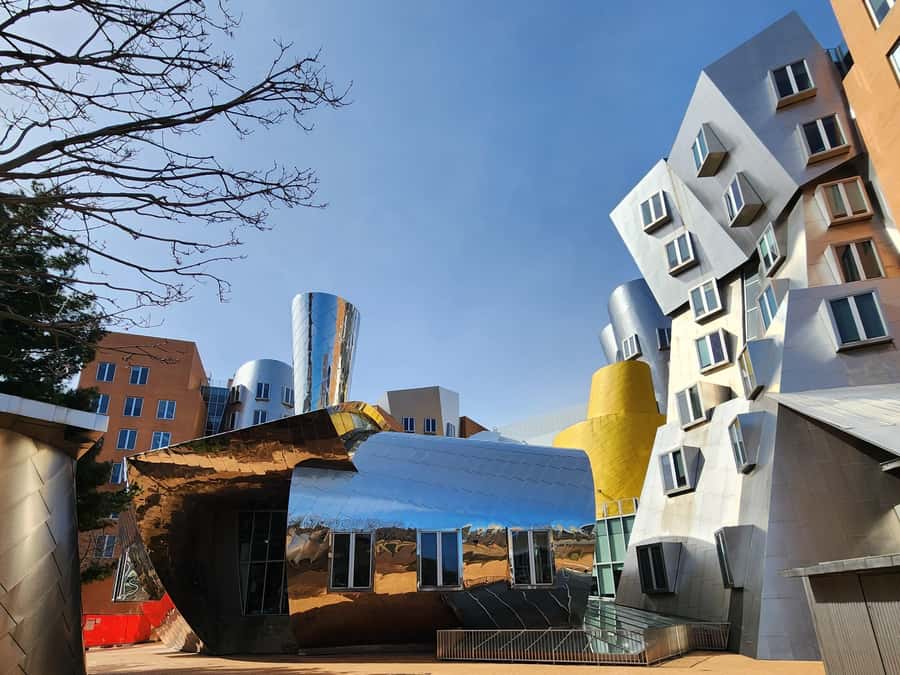
After you’ve worked through the courtyard and major MIT areas, you’ll get time for a couple of stops that are more about energy than explanation. Stata Center is one of those: it’s visually loud in a way that makes you stop mid-walk, even if you didn’t plan to.
You’ll also see smaller featured points along the way, like MIT.nano and the MIT Banana Lounge. These don’t require you to know technical science to enjoy them. They work because they show how MIT celebrates personality and play alongside serious research.
If you’re traveling in colder or hotter seasons, the tour’s rhythm matters. There’s a break time scheduled (around 15 minutes). That pause can be the difference between tolerable walking and “why did we do this” walking.
Across the Charles: Harvard Bridge Smoot markings for the nerd-joke lovers
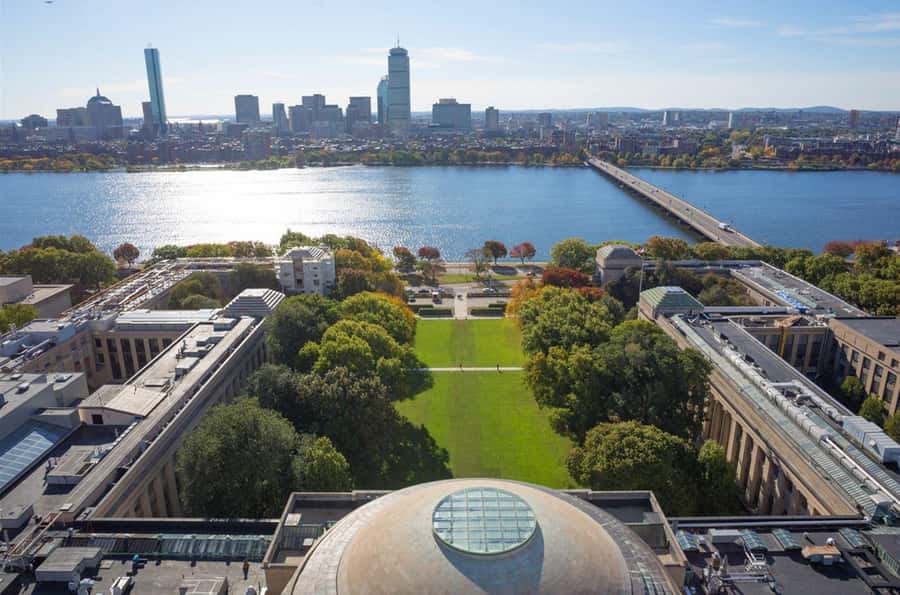
The tour’s transition point is a fun one: you cross into Boston-area views and get the Harvard Bridge moment. The bridge is famous for the Smoot markings, which are exactly the kind of detail that makes you feel like you’re learning secret campus lore, not just touring famous landmarks.
This stop is also a photo checkpoint. Bridges give you a wider view than most campus buildings, and the landmark signage makes your pictures instantly recognizable later, even if your photo skills are still in training mode.
There’s also a calm advantage here. By this point, you’ve already seen MIT’s intensity. Harvard Bridge gives you a short reset and a sense of scale before you step into Harvard Yard’s older, heavier academic mood.






Harvard Yard and the Three Lies: where stories matter as much as stone
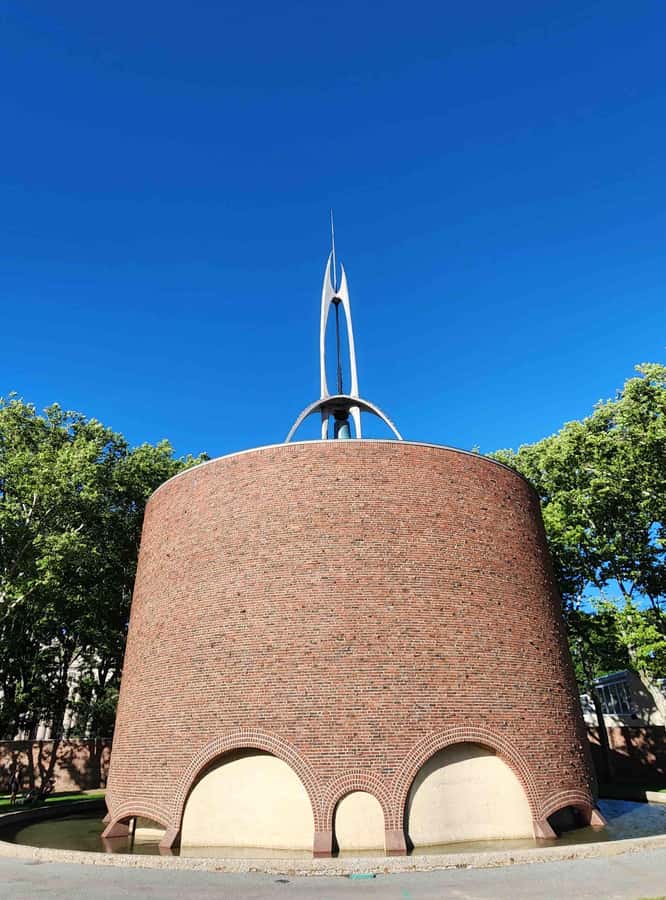
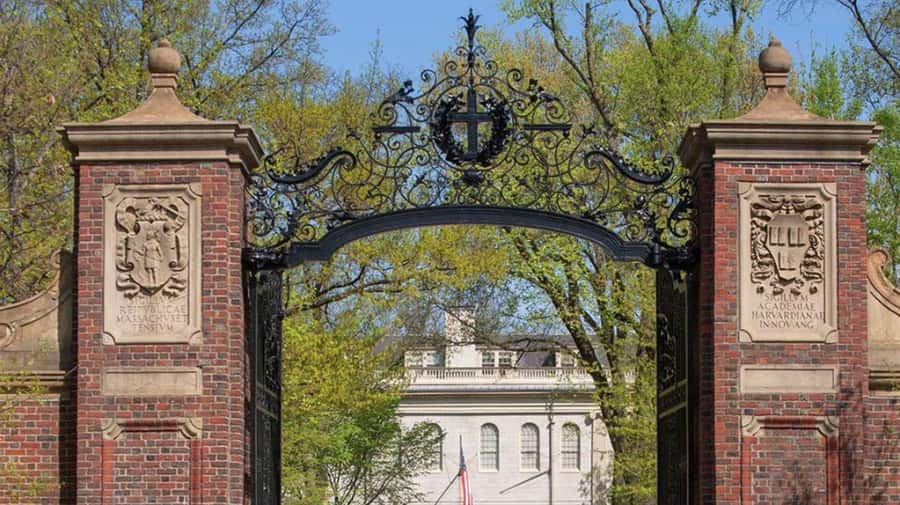
Once you ride the subway from MIT to Harvard (two stops total), you’re in a different time feel. You’ll walk to Harvard Yard and the surrounding campus area, which is where the tour leans hardest into legend.
The headline moment here is the Statue of the Three Lies. It’s easy to see why it gets attention: the statue is visually central, and its name alone gives you permission to laugh while you learn. The guide’s explanation turns it from a quirky photo stop into something you can actually remember.
You’ll also learn about Harvard’s founding and context. Harvard is the oldest college in the United States, founded in 1636, and the tour ties that timeline into what you see around the Yard. If you’ve ever wondered why certain buildings feel like they’re holding centuries in place, this is where you get the answer.
Then there are the tradition stories. Harvard student customs—plus references to student residences tied to major calendar moments like Housing Day at the end of freshman year—add the human layer. Even though you’re not going inside, you get a better sense of how daily life shapes the campus.
One more historical stop worth noting: the guide points out the house where George Washington stayed during his visit to Boston in the American Revolution era. That detail changes how you see the surrounding area. Suddenly it’s not just a university—it’s a place where national history kept unfolding.
Memorial Hall, Memorial Church, and Widener Library: big Harvard visuals
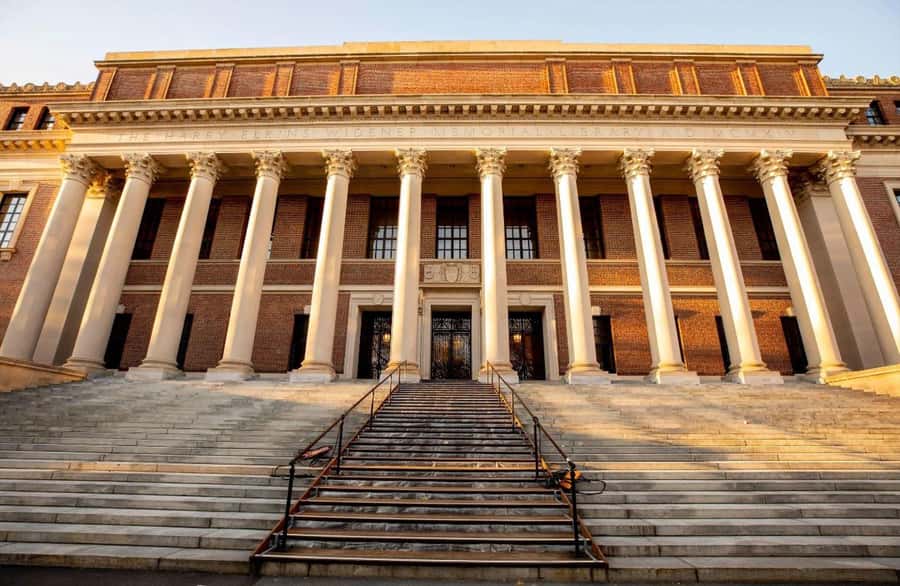
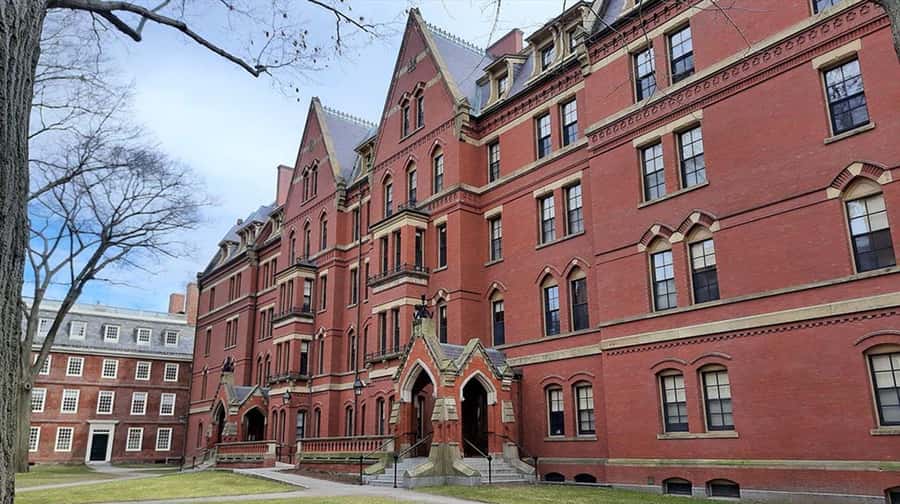
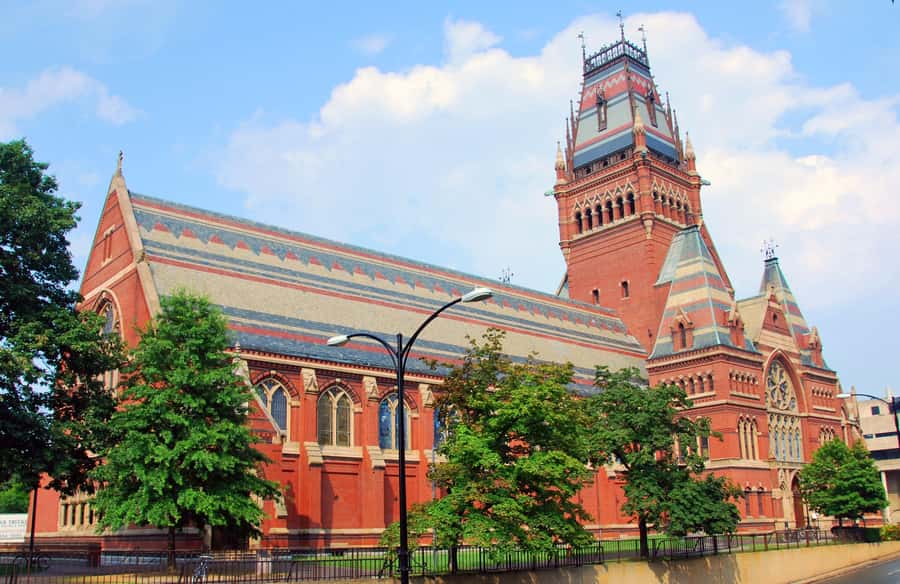
From Harvard Yard, the tour moves into the “classic Harvard postcard” cluster: Memorial Hall, Memorial Church, and Widener Library. You’ll likely feel the shift immediately. The buildings are built to look permanent, serious, and symbolic.
This is where the tour earns points for pacing and clarity. The guide keeps the story thread tied to what you can see outside—why these structures were built, what campus identity they project, and how Harvard’s past got written into stone.
Widener Library is your headline photo moment at Harvard. It’s also a useful stop for understanding the broader campus layout. Once you’ve seen it from the outside, Harvard Square feels less like a random shopping district and more like the natural “front door” to the University.
The guide also layers in the academic legacy theme: not “here are admissions tips,” but “here’s how the place gained its reputation, and why those reputations still matter.”
Harvard houses and campus geography: Lowell, Kirkland, and Wadsworth
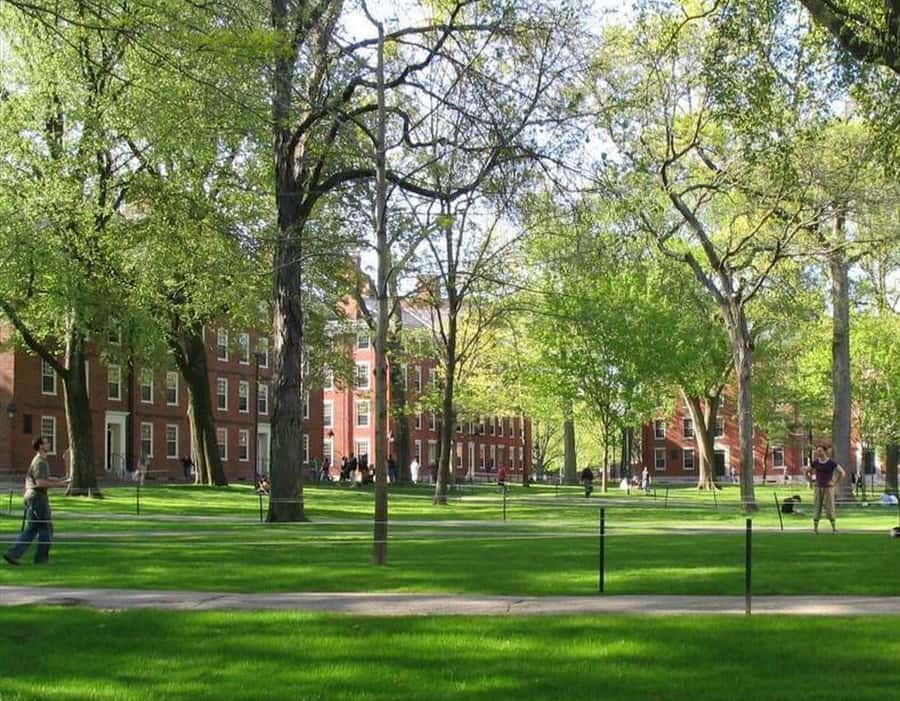
A big part of what makes Harvard feel like Harvard is the way residential houses sit inside the campus map. The tour includes multiple stops tied to those house buildings, such as Wadsworth House, Lowell House, and Kirkland House.
Even if you don’t care about dorm names, this section helps you understand campus geography without a campus tour brochure. You start to see what the guide is pointing out: how community is organized, how student life gets structured, and why the campus feels intimate even when it’s famous worldwide.
This also connects back to the earlier Housing Day story. When you hear about where students go after freshman-year housing shifts, the houses make more sense. They stop being just architecture and become part of a lived schedule.
Harvard Square finish: turning a campus loop into a neighborhood visit
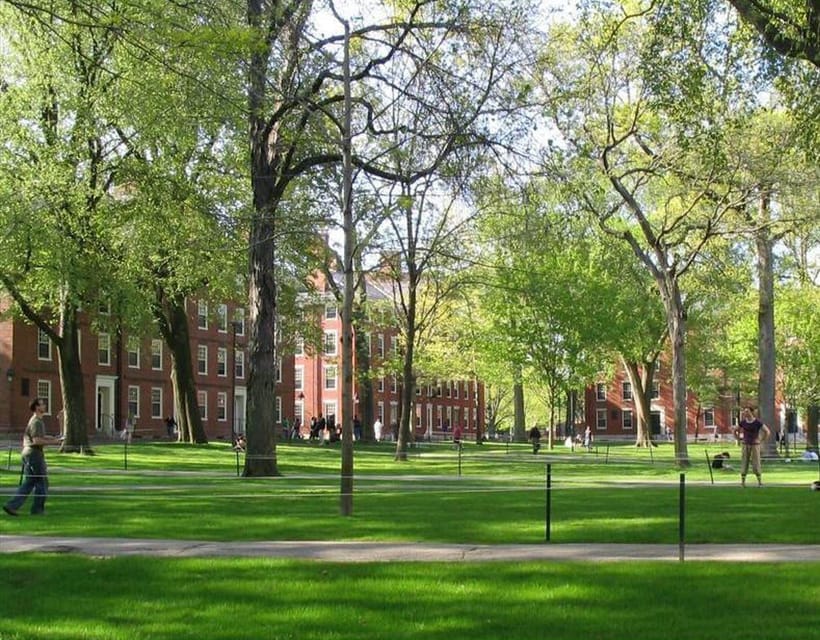
The tour ends in Harvard Square. That’s a smart finish because it’s where you can immediately cash in the context you just learned. If you’ve been walking through centuries of academic symbolism, stepping into a lively city square gives you balance.
You don’t need a plan to enjoy the ending. Use it as a reset: grab a snack, orient yourself for independent wandering, and compare what you expected Harvard to be with what you actually saw from the outside.
Not a student-admissions tour: who this fits best
This tour is explicitly focused on history, architecture, and legends, not admissions-style questions. So if you want inside classroom access or detailed “what does it take to get in” guidance, you’ll need to contact university admissions separately.
Who I think will enjoy it most:
- First-timers who want a tight, high-impact campus intro
- People who care about architecture but don’t want a building-entry requirement
- Families and older kids who like stories (pranks, traditions, and quirky campus details)
- Anyone who wants a guided way to learn “why” behind famous places without turning it into a lecture
If you’re someone who struggles with stairs or long distances, plan carefully. This tour isn’t suitable for wheelchair users or people with mobility impairments, and walking restrictions apply (no walking sticks, no crutches, no mobility scooters). It’s also not suitable for people over 95 years.
Booking smart: how to make the most of your 3.5 hours
A few practical tips can raise your experience fast:
- Wear comfortable shoes. This is a multi-stop walk with transit.
- Bring a camera for the exterior “icon shots” like the MIT Dome area and Widener Library.
- If weather is extreme (hot or cold), you’ll be grateful for the scheduled break time and the guide’s pacing.
- Go in ready for stories, not building access. The tour’s value comes from what you learn while you stand outside and look closely.
Should you book this MIT and Harvard walking tour?
If you want a guided, outside-only tour that blends MIT tech energy with Harvard legend gravity, this is a strong pick. At $49 with the subway fare included, you’re paying for time saved, context delivered, and a route that links the best exterior moments into one coherent story.
I’d skip it only if you specifically need indoor building access, wheelchair-friendly routes, or admissions interview-style detail. Otherwise, this is one of the cleaner ways to see both campuses well in a single half-day.
FAQ
How long is the MIT and Harvard walking tour?
The tour duration is 210 minutes (about 3.5 hours).
How much does the tour cost?
The price is $49 per person.
Where do I meet the tour?
Meet in front of Ripple Cafe, located next to the MIT/Kendall subway station.
Where does the tour end?
The tour finishes in Harvard Square.
Do we go inside buildings on MIT or Harvard?
No. The tour does not go inside any buildings on either campus. It focuses on the outside portions, with history, architecture, and legends.
Is the subway ticket included?
Yes. The subway ticket from MIT to Harvard is included in the tour price.
What should I bring?
Wear comfortable shoes.
Are pets allowed?
No pets are allowed, though assistance dogs are allowed.
Is the tour suitable for wheelchair users or mobility impairments?
No. It is not suitable for people with mobility impairments or wheelchair users.
Is gratuity included?
No. Gratuity for your guide is not included.