REVIEW · BOSTON
Boston: Mapparium® globe + How Do You See the World?™
Book on GetYourGuide →Operated by How Do You See the World?™ experience + Mapparium® globe · Bookable on GetYourGuide
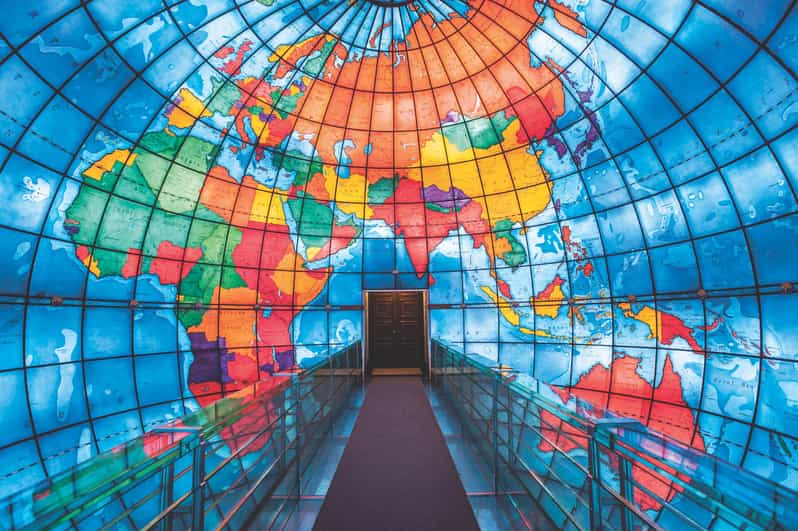
A stained-glass globe makes time feel physical. You’ll love the three-story Mapparium globe and the way the narration wraps around you from inside. The one catch: the core globe experience is brief (about 20 minutes), so you’ll want to plan a little time after for the free exhibits.
If you care about maps, history, or how people see the world, this is a fun, low-pressure stop. I also like that the museum expands beyond 1935 with Our World: Mapping Progress and Points of Progress, using modern multimedia to connect past to post-war change. One more thing to consider: the Christian Science and Mary Baker Eddy sections may not match everyone’s interests, so go in with curiosity, not expectations.
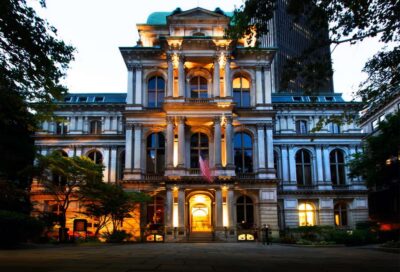
The setting is easy to miss from the street, but once you find the building, it’s memorable. If you’re in Boston for a few days and want something different from the usual big-city sights, this quick entry ticket can feel like a surprisingly big payoff.
In This Review
- Key highlights to watch for
- Entering the 1935 Mapparium Globe: a three-story world you can walk through
- Our World: Mapping Progress and Points of Progress: why the museum moves beyond 1935
- Christian Science, Mary Baker Eddy, and the Monitor: stories behind a mission
- How the How Do You See the World experience fits together in your visit
- Price and value in Boston: $6 for a timed globe plus free exhibits
- Where to meet and how to make your stop easy
- Who should book this and who might skip
- Should you book this?
- FAQ
- How long does the Mapparium globe part take?
- Is the Mapparium globe entry timed?
- What’s included with the ticket price?
- Where do I meet for the How Do You See the World experience?
- Are food and drinks allowed during the visit?
- Is it wheelchair accessible?
Key highlights to watch for
- Step into the Mapparium globe: a stained-glass world scene that takes over the room in three stories.
- 1935 as a time capsule: the globe is frozen in that year, giving you a pre–World War II snapshot.
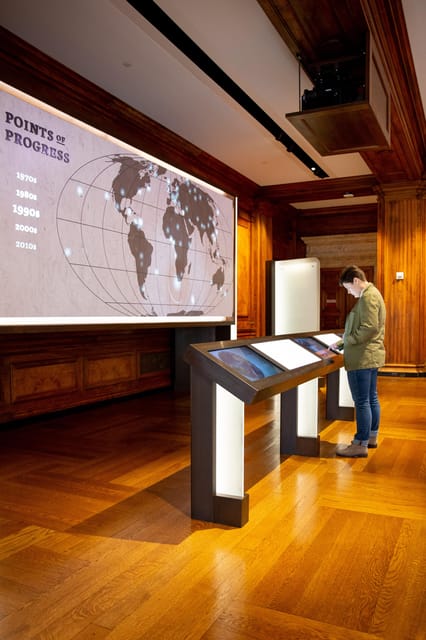
- Multimedia progress exhibits: “Our World: Mapping Progress” and “Points of Progress” track change since 1935.
- People and ideas, not just facts: interactive stories tied to The Christian Science Monitor’s mission and reporting.
- Mary Baker Eddy exhibits: learn who founded the Monitor and shaped its early direction.
- Worth it for the price: $6 for the timed globe entry, with multiple other exhibits available for free.
Entering the 1935 Mapparium Globe: a three-story world you can walk through
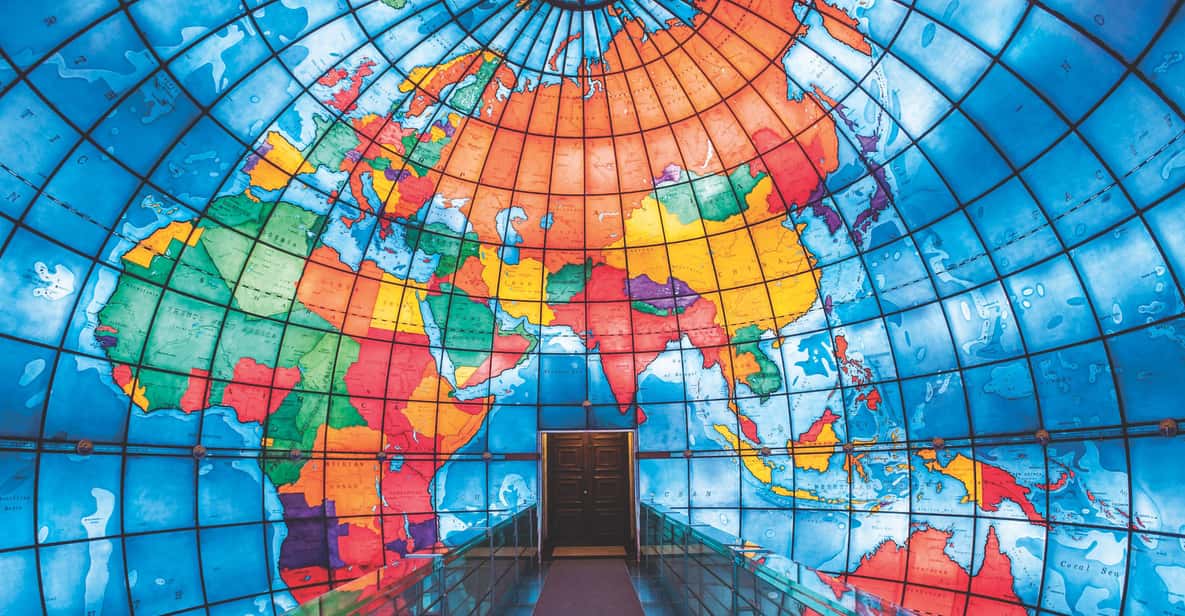
The Mapparium is the star, and it’s built to be experienced, not just looked at. You step inside a three-story stained-glass globe—the kind of structure that changes your posture. You’re physically inside a world representation, and the glass turns ordinary lighting into something soft and dramatic, even before any story starts.
The globe is frozen in 1935, which is the point. This isn’t a generic “world map” stop. Instead, you’re seeing how the world was framed at a specific moment in time, right before the full reshaping brought by World War II. For me, that makes it a great perspective-shift. You can compare what you expect to see now with what was emphasized then.
Another thing I love about this attraction: the narration comes from inside the globe itself. That matters. It helps you stay oriented while you move through the space, and it turns a short visit into a guided experience rather than a quick photo stop. If you’re the type who likes to understand what you’re looking at, this setup does a lot of the work for you.
You can also read our reviews of more tours and experiences in Boston.



Our World: Mapping Progress and Points of Progress: why the museum moves beyond 1935
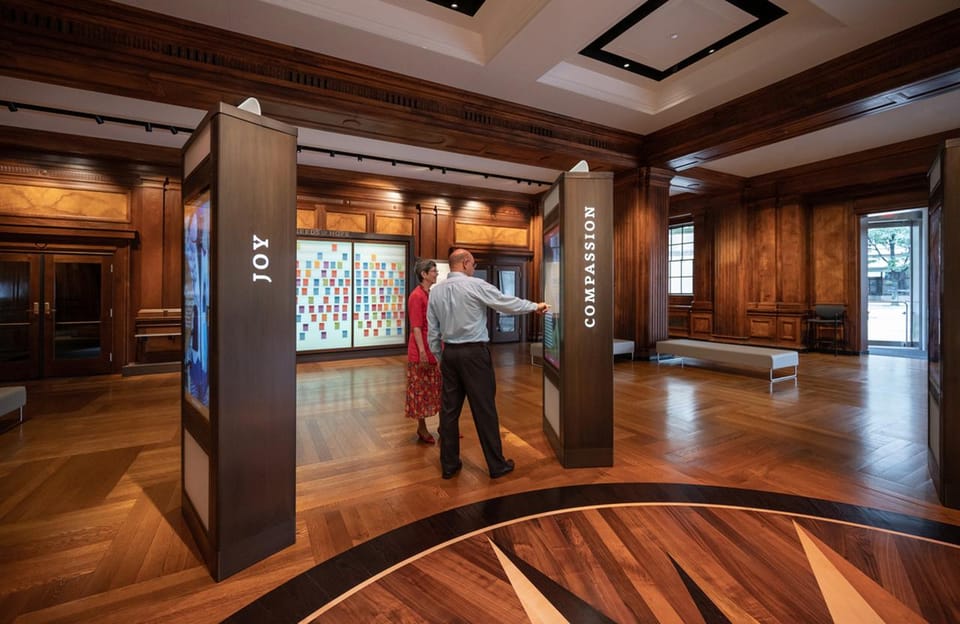
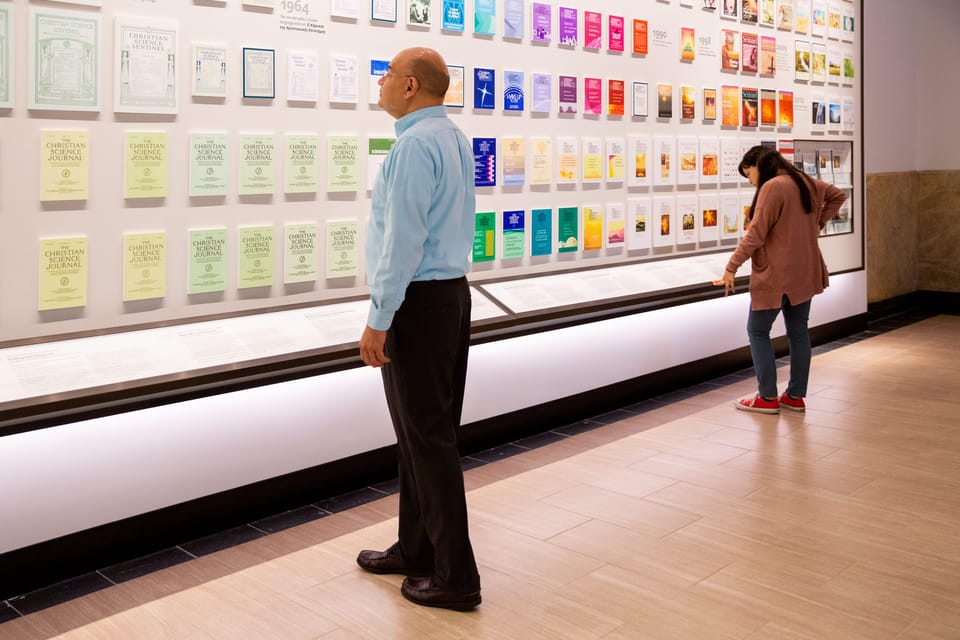
After the globe, the experience stops being a time capsule and starts becoming a thread. You’ll look at the idea of progress since 1935, not as a single straight line, but as a collection of changes—technical, scientific, social, and political.
“Our World: Mapping Progress” is designed to give you a sense of momentum. It celebrates humanity’s advancement since 1935 and, importantly, keeps the mood forward-looking. It’s not just a historical display. It’s an attempt to connect what has improved with where people might go next.
Then “Points of Progress” shifts gears into key moments—stories you can recognize even if you’re not a history specialist. The focus includes human rights, scientific breakthroughs, exploration, and more, spanning the post-war era. That range is useful because it matches how real progress works: breakthroughs happen, but they also come with consequences, debates, and follow-up.
If you’re traveling with someone who gets bored by museums that feel slow or text-heavy, these multimedia exhibits are a good fit. You can still absorb meaning, but the presentation style does more to keep attention than a wall of labels would.
Christian Science, Mary Baker Eddy, and the Monitor: stories behind a mission
One reason this stop feels different in Boston is that it doesn’t treat religion and media as side content. It presents them as part of the museum’s worldview and its approach to reporting and community.
You’ll find exhibits that connect Mary Baker Eddy—the founder of the Christian Science church—with the early direction of The Christian Science Monitor. It’s also where you’ll learn how the Monitor’s mission shaped the paper’s tone. The stated mission is to injure no man, but to bless all mankind, and the museum connects that idea to what the Monitor produced over time.
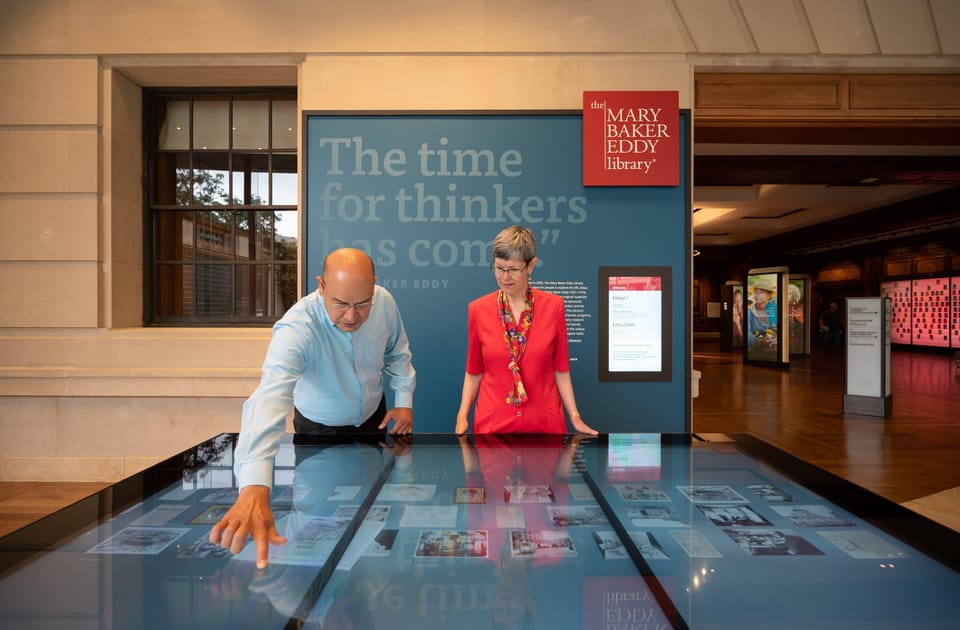
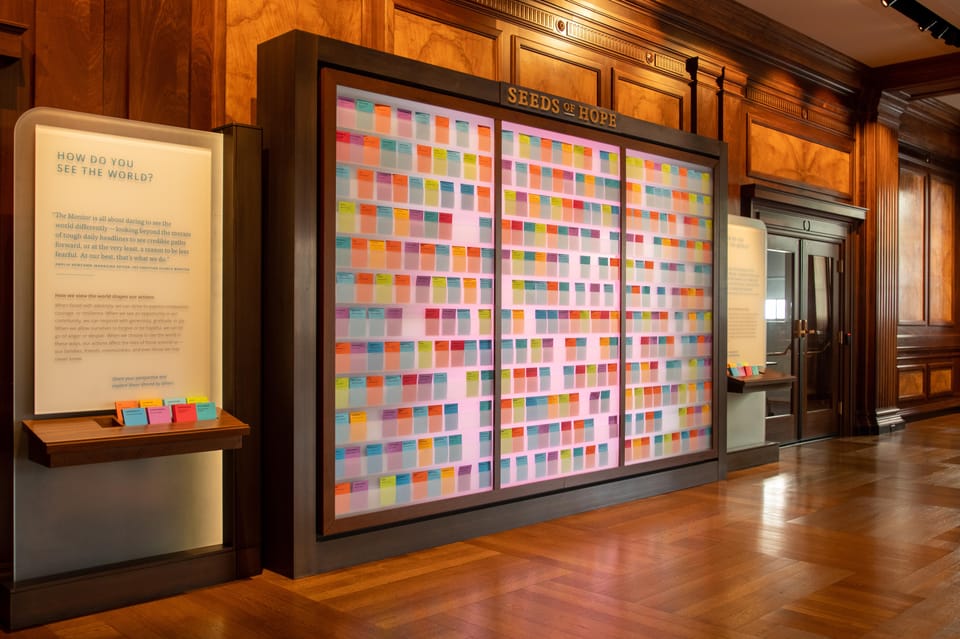
Then there are interactive stories based on eight sets of reporting narratives from The Christian Science Monitor. The emphasis is on people shaping their communities worldwide, with themes of resilience and progress. I like this angle because it pushes the content away from abstract ideals and into real-world examples. You can walk out feeling like the museum gave you names, not just concepts.
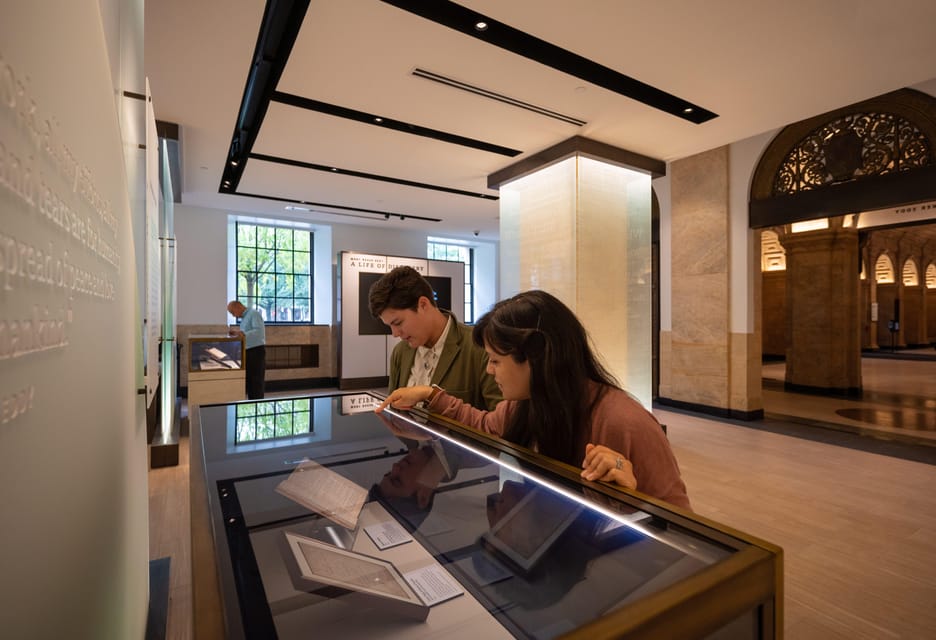
The museum also includes a section on “The Mary Baker Eddy Library and Exhibit.” That’s a chance to go deeper into her life and ideas, with attention to her lifelong connection to the Bible and how her teachings were presented as relevant to universal questions.
A practical note: if you’re not interested in Christian Science history, this part may feel like a detour. But if you are curious about how media, faith, and public message can overlap, it becomes one of the more memorable sections.
How the How Do You See the World experience fits together in your visit
This is the kind of place where timing matters, but not in a stressful way. The Mapparium globe is the timed component. Once your window starts, the globe portion moves you through the structure and narration.
The other exhibits are designed to be flexible. They are free and do not require a timed ticket, which is a big deal if you’re trying to avoid getting boxed into a strict schedule. In practice, that means you can use your globe slot like the anchor, then spend as much time as you want after.
A smart strategy is to treat the globe as the main event and the rest as your pace-controlled follow-up:
- If you like fast, visual experiences, you’ll be happy with the full globe visit and a quick sweep through the rest.
- If you prefer to read and absorb, you’ll likely want to linger outside the globe, especially in the progress and Monitor-related areas.
The total advertised duration is about 20 minutes for the experience portion, so set expectations accordingly. You can cover the essentials quickly, then decide if you want extra time for any section that grabs you.
Price and value in Boston: $6 for a timed globe plus free exhibits
At $6 per person for the timed globe entry, this can pencil out as great value for a short Boston stop. The key is what you get beyond the price point: you’re not only paying for a room-sized photo op. You’re paying for a guided walkthrough of a specific historical viewpoint (1935) inside a remarkable structure.
And then the museum adds value by letting you explore multiple additional exhibits without timed-entry pressure. That combination—paid timed centerpiece plus free surrounding areas—often feels like a better deal than attractions that charge full price for everything.
It’s also a strong option for travelers who hate paying high prices for “just another museum.” This one stays focused: you get the globe first, then you get a clear reason to stick around to understand what the museum is trying to say about progress and public stories.
One more value signal: the experience has an overall rating of 4.8 with 32 bookings on the platform where it’s commonly booked. That doesn’t guarantee you’ll like it, but it supports that people tend to think the experience matches the ticket cost.




Where to meet and how to make your stop easy
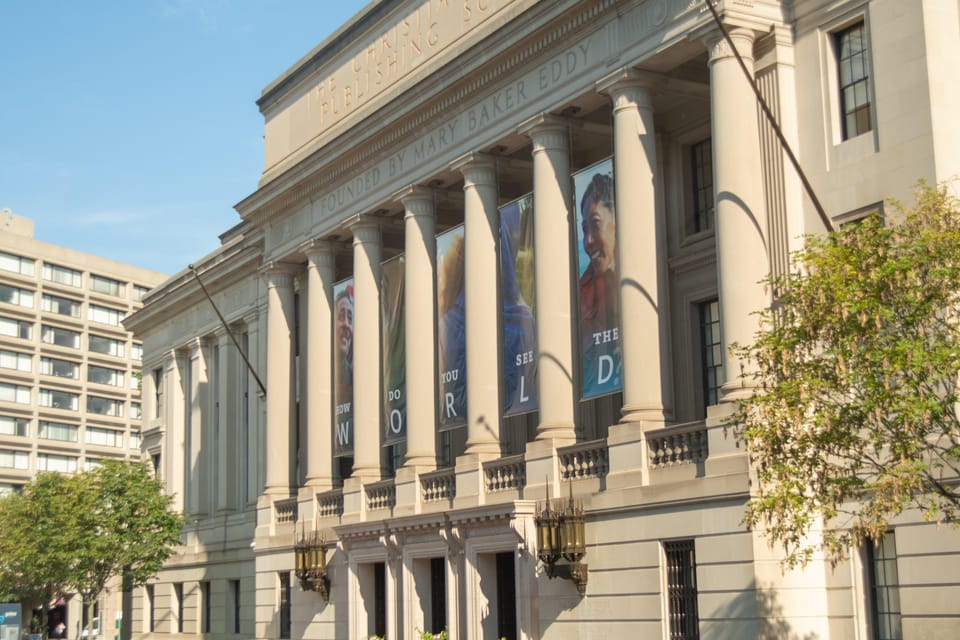
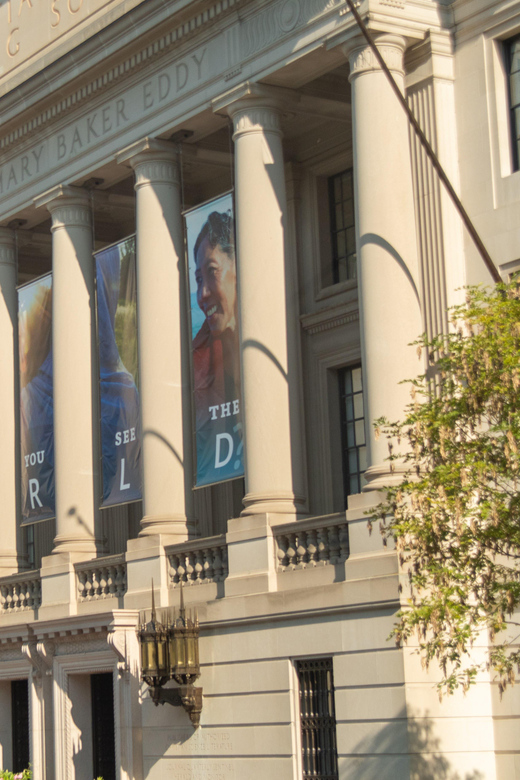
The meeting point is straightforward once you know what to look for. Find the large banners that read How Do You See the World? on the building next to the church.
If you’re navigating on foot, treat this as a signage hunt. Boston’s neighborhoods can look similar from the street level, so the banners are your best orientation tool.
Because the location is tied to a church complex, wear footwear that’s comfortable for short walking and standing. You’ll be in and around exhibition spaces, and the globe experience involves moving through the interior.
Also, plan for no food and drinks. If you’re hungry, eat before you go in. It keeps the experience smoother and avoids awkward decisions mid-visit.
Who should book this and who might skip
This experience is a solid match for:
- Geo and map lovers, because you’re seeing a historical world framing you can physically enter.
- Travelers who like museums with a clear concept: a 1935 viewpoint plus a progress story afterward.
- People who enjoy multimedia exhibits that explain ideas quickly.
It may not be the best match if:
- You’re seeking only mainstream Boston landmarks and you want minimal religion-related content.
- You don’t enjoy short ticketed experiences and would rather have more time in one place.
One of the nice surprises reflected in the experience is that the guides can be excellent. You may also catch additional programming around the church during your visit window, and one past visitor specifically mentioned luck with a guided church moment that included listening to a large organ. That’s not something you should bank on, but it’s a good reminder: if you ask on-site what’s happening at your time, you might find extra atmosphere.
Should you book this?
Book it if you want a distinctive Boston stop that’s short, guided, and concept-driven. For $6, the timed Mapparium globe alone is a strong reason, and the free exhibits around it make it feel like more than a quick detour.
Skip it only if religion-related exhibits would likely make you impatient, or if you need a full-day museum experience. This isn’t that kind of visit. It’s a focused one.
If your schedule allows a tight, high-impact hour or two (including walking and browsing time), this is the kind of place you’ll remember for how physical and visual the globe feels, and for how the museum connects a 1935 snapshot to bigger themes of human progress.
FAQ
How long does the Mapparium globe part take?
The experience is listed at about 20 minutes, with the Mapparium globe as the timed, ticketed component.
Is the Mapparium globe entry timed?
Yes. The Mapparium globe is a timed, ticketed exhibit, while the other exhibits are free and do not require a timed ticket.
What’s included with the ticket price?
Your booking includes timed entry to the Mapparium globe and entry to the How Do You See the World experience, plus entry to the Christian Science and Mary Baker Eddy Exhibit and The Mary Baker Eddy Library and Exhibit.
Where do I meet for the How Do You See the World experience?
Look for the large banners that say How Do You See the World? on the building next to the church.
Are food and drinks allowed during the visit?
No. Food and drinks are not allowed.
Is it wheelchair accessible?
Yes. The experience is wheelchair accessible.