REVIEW · 2-HOUR EXPERIENCES
Freedom Trail: Small Group or Private 2 Hour Walking Tour
Book on GetYourGuide →Operated by Boston By Foot · Bookable on GetYourGuide
Boston history hits different when it walks with you. This private 2-hour guided walk through Boston’s historic downtown and the North End puts the American Revolution on your feet, not behind glass. You’ll see important buildings and sites from the years leading up to 1775, and you’ll hear the lesser-known stories that explain why people in Boston felt so ready to break apart from Britain.
I especially like two things. First, the format is intimate, built for a group of up to two, so you can ask questions without feeling rushed. Second, the narration zooms in on the human angles: the Tea Party era, how printing helped stir emotions, and how everyday decisions turned into political action. One possible drawback: because it’s only two hours, it’s a focused primer, not a slow, stop-everywhere tour with extended time in each location.
In This Review
- Key highlights you’ll feel on the walk
- Why a 2-hour Freedom Trail tour makes sense
- Starting at Tremont and Beacon near King’s Chapel
- Walking the Freedom Trail through downtown: rebellion in the real world
- North End walk: seeing the Revolution through daily life
- The Tea Party era: March 5, 1770 and the meaning behind the story
- Paul Revere and the press: why words mattered as much as guns
- What Boston’s changing economy and society explain about rebellion
- End at Copps Hill Terrace: a good finish for reflection
- Price and value: where $20 per person fits
- Who should book this Boston Freedom Trail tour
- The guide experience: what the names suggest about the style
- Should you book? My practical take
- FAQ
- How long is the walking tour?
- What group size is this tour designed for?
- Where does the tour start?
- Where does the tour end?
- What language will the guide speak?
- Is it wheelchair accessible, and what are the cancellation terms?
Key highlights you’ll feel on the walk
- Small group of up to 2 means you get real conversation, not a headset lecture
- Freedom Trail coverage across Boston’s downtown and the North End
- Tea Party focus on March 5, 1770, including the Massacre debate
- Paul Revere and the power of the press, how words and images shaped people
- Boston’s change-over-time story through economic, environmental, and social shifts
- Meet near King’s Chapel and finish at Copps Hill Terrace for an easy start and end
Why a 2-hour Freedom Trail tour makes sense
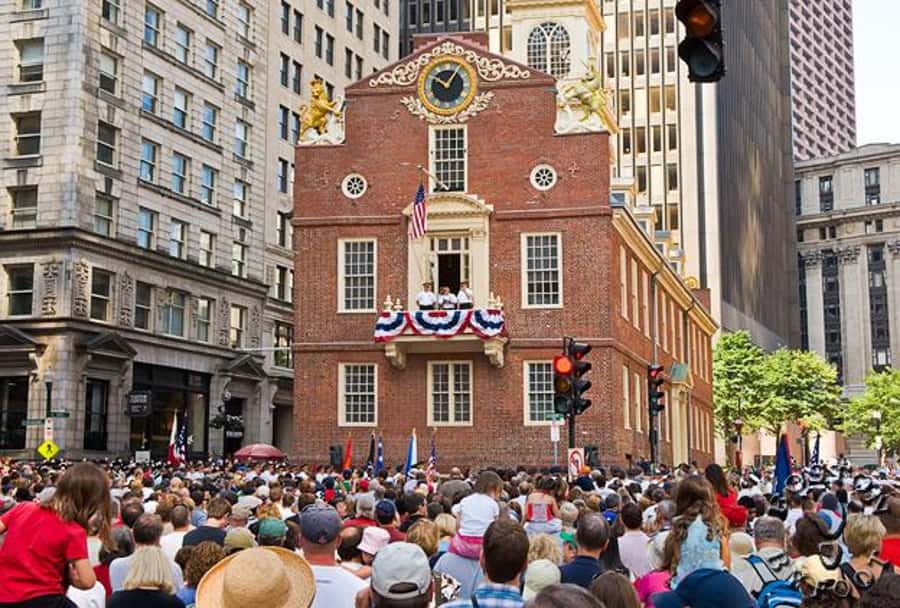
Boston’s Freedom Trail is famous for a reason. But if you’re only seeing it on your own, you can miss the motive behind the marching. This tour helps you connect dots fast: why people acted, what they believed, and what pushed events from tension into revolt.
The biggest value is the timeline feeling. You walk through the same kind of streets and landmarks that fueled the momentum of the 1760s and 1770s, and your guide keeps tying events back to the roots of American democracy. That makes the history land in your brain, not just your camera roll.
You can also read our reviews of more walking tours in Boston

Starting at Tremont and Beacon near King’s Chapel
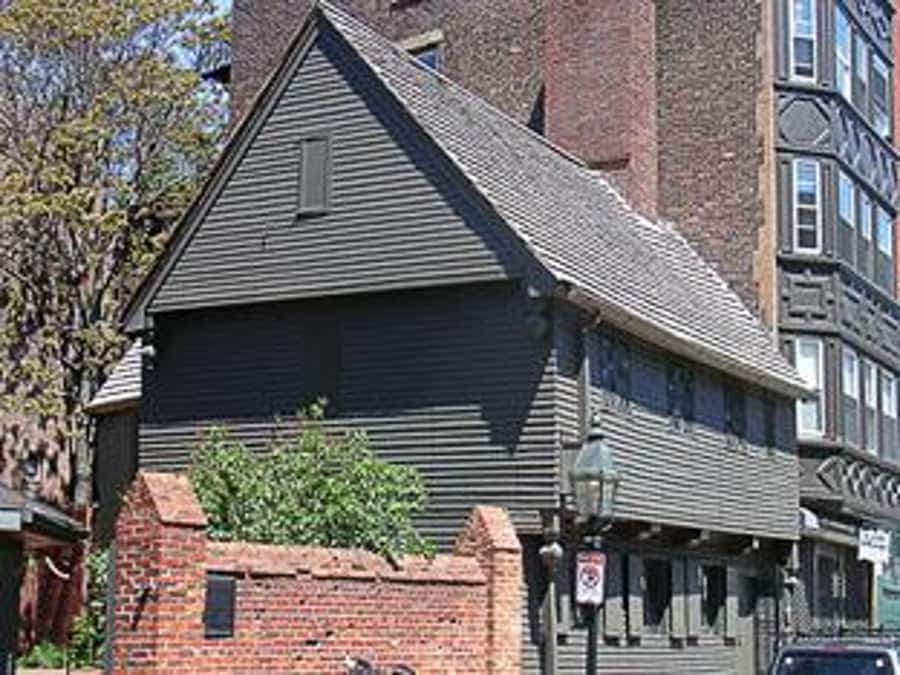
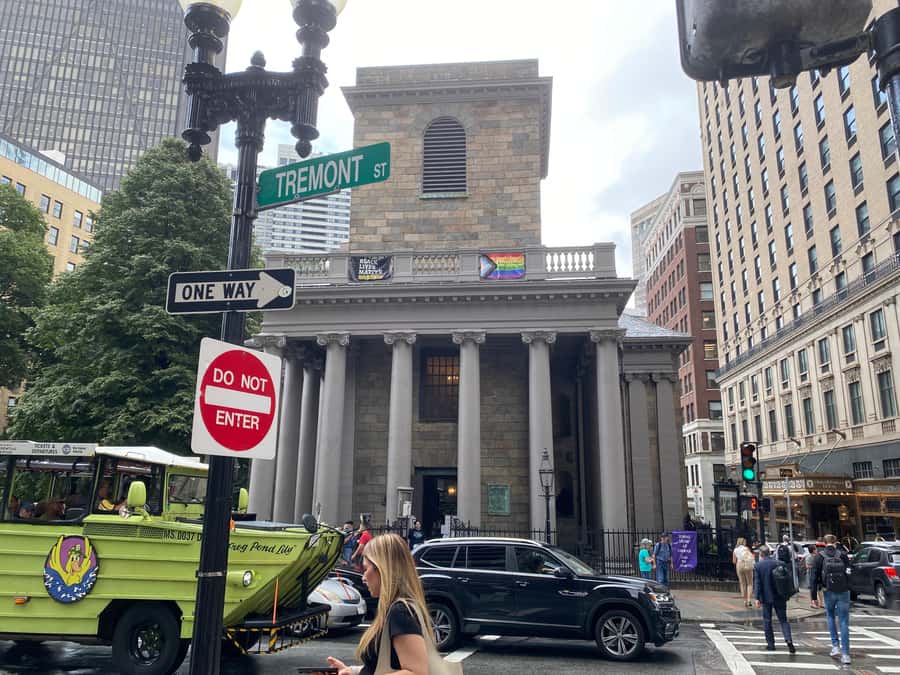
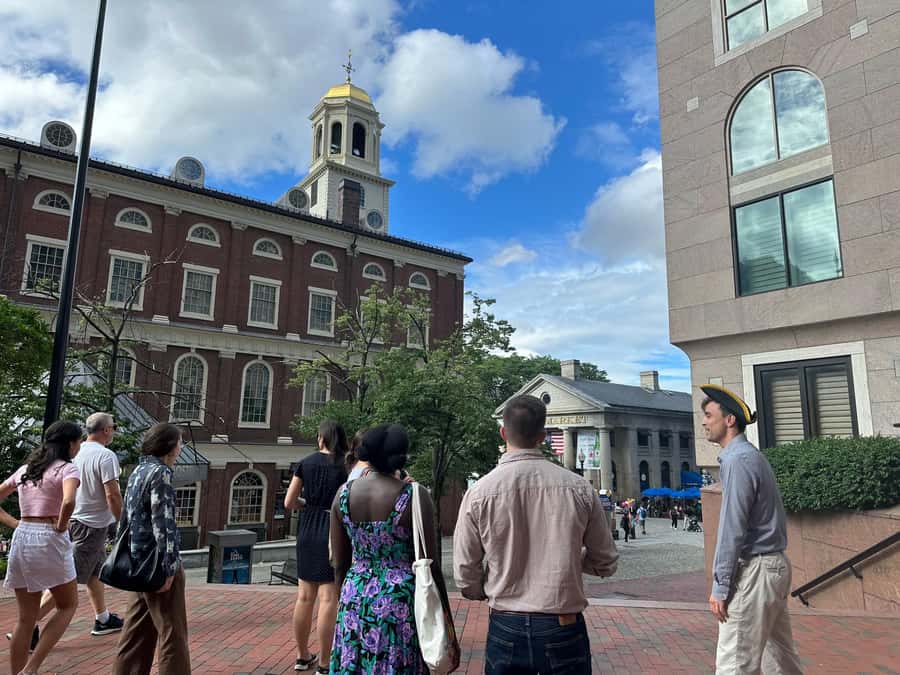
You begin at the corner of Tremont and Beacon streets, across from King’s Chapel. That spot is handy because it keeps you in Boston’s historic downtown, close to where many of the “pre-revolution” arguments and gatherings would have felt real.
This start also sets the tone. The guide doesn’t treat the trail like a checklist. Instead, you start with context—what Boston looked like and how ideas spread—so the buildings you pass later make more sense when you hear why they mattered.
Walking the Freedom Trail through downtown: rebellion in the real world
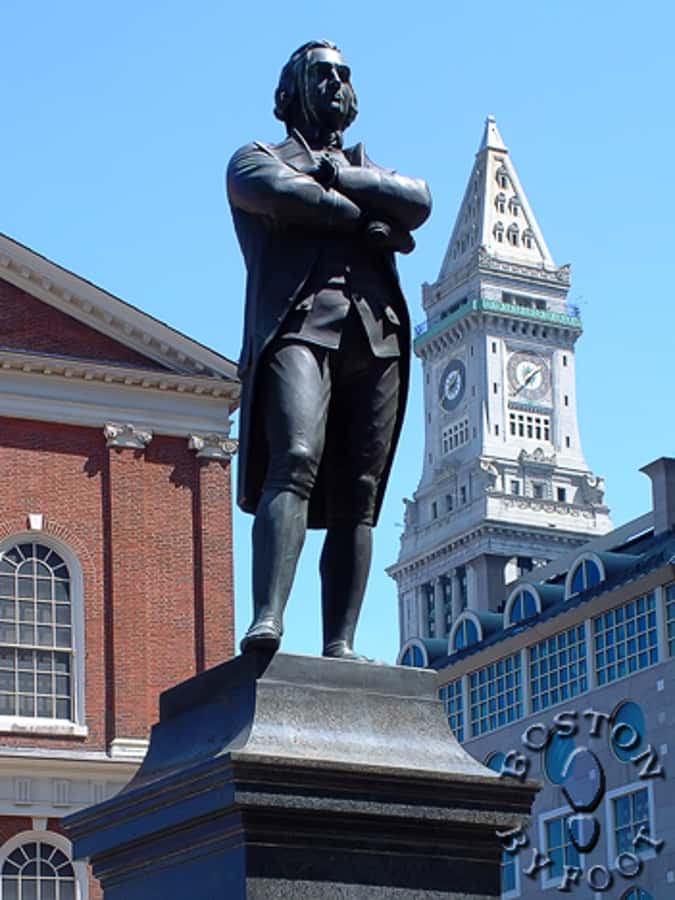
From the downtown stretch, you’ll get a guided walk through the historic downtown areas tied to the pre-Revolution years. The tour is built around buildings and sites important to that period, and the goal is not just to say what happened. It’s to explain why Boston became such a hotbed of rebellion in the 1760s and 1770s.
Here’s what I think makes this kind of guided pacing work well for first-timers. You’re not just learning dates. You’re learning cause and effect: how politics, protest, and public opinion fed each other. Even if you only know a few Revolutionary headlines, the guide helps you build a clearer mental map.
You’ll also hear how Boston transformed through economic, environmental, and social change. That matters because people don’t rebel in a vacuum. When economic pressure, social friction, and environmental realities pile up, “patience” becomes harder to maintain.
North End walk: seeing the Revolution through daily life
As the route moves into the North End, the tone shifts from big political events to the feeling of a city under pressure. The North End connection helps you understand that Revolutionary energy wasn’t only happening in official spaces. It lived in neighborhoods, in conversations, and in the everyday rhythms of Boston.
Even without naming every single stop you pass, the guiding theme stays consistent: people and events that ignited a nation were made of decisions by real individuals. That approach makes the story feel more human. You start to see the Revolution as something built by many actions, not just one dramatic moment.
The Tea Party era: March 5, 1770 and the meaning behind the story
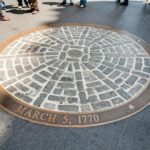
One of the most memorable parts is the treatment of the Tea Party era and the event tied to 5 March 1770. You’ll hear the details behind that moment and, importantly, you get help evaluating it: decide for yourself if it was truly a massacre.
This is a smart way to handle history. It pushes you beyond repeating a label and toward understanding perspective—who said what, how it was framed, and why the story mattered to public emotion. It’s also where the guide’s storytelling style becomes a big part of the experience.
And yes, Boston’s Revolutionary story is tangled. That’s why this tour’s approach is useful: you get the facts and the framing, then you do the thinking.
You can also read our reviews of more private tours in Boston



Paul Revere and the press: why words mattered as much as guns
You’ll also spend real time on why Paul Revere was such an effective messenger. The point isn’t to turn him into a superhero. It’s to show what messenger work actually requires: speed, accuracy, and knowing how to move information fast enough for it to matter.
Just as important, you’ll learn how the words and images printed on Boston’s presses stirred the emotions of a generation of colonial Americans. That’s a detail lots of short tours skip. But if you care about how revolutions grow, this part is essential.
Printing helped turn local events into shared outrage and shared identity. When people see the same story in the same way, they start acting like a single public. In a city like Boston, that could happen quickly.
If you’re the type who likes the mechanics behind famous moments, this section is a big win. And if you’re new to the topic, it’s still clear—because your guide explains it as a chain reaction, not a textbook paragraph.
What Boston’s changing economy and society explain about rebellion
The tour doesn’t treat Boston as a static backdrop. You’ll hear how the city changed through economic, environmental, and social change. That may sound broad, but it’s tied to the “why” behind political anger.
Here’s the useful takeaway for you: when you understand what people were dealing with day to day, you understand why official policies felt personal. In other words, the Revolution becomes less like a single event you read about and more like a pressure system that built over time.
Even on a short walk, that context makes the later stories click. It’s the difference between knowing what happened and understanding why it had to happen.
End at Copps Hill Terrace: a good finish for reflection
The walk finishes at Copps Hill Terrace. Ending there gives you a natural stopping point after the downtown-to-North-End storyline. It’s a place to catch your breath and let the theme settle: the roots of American democracy were argued, contested, and spread through buildings, neighborhoods, and the public voice.
If you want to keep the momentum after the tour, use your new context. Look at what you see on the street and ask yourself what it would have meant to Bostonians in the 1760s and 1770s. That simple habit turns a walk into a deeper experience.
Price and value: where $20 per person fits
At $20 per person for a two-hour private walking tour, the value depends on how you travel.
If you’re traveling solo, you may feel the price most because private guiding is a premium product. But two-hour, small-group interpretation can be worth it when you want more than a self-guided walk. You’re paying for the “why,” the connections, and the ability to ask questions as you go.
If you’re traveling as two people, it’s even easier to justify. The group size stays small, so the guide can tailor pacing and explanations. Also, you get the benefit of a focused route without the crowded-tour feel.
For pure bargain-hunting, there are cheaper ways to see the Freedom Trail. But if you want the story tightened and explained in a way that makes the Revolution understandable, this price is in the reasonable zone.
Who should book this Boston Freedom Trail tour
I’d recommend this tour if you fit one of these profiles:
- You want Freedom Trail context without spending hours sorting through it on your own
- You’re a history buff who also likes the human side, like the press and messenger role
- You’re a first-timer who wants a guided narrative that still leaves room to think for yourself about controversial labeling
- You like smaller groups and conversation, not a megaphone approach
It may be less ideal if you want a slow pace with lots of time at every stop, or if you prefer to read and explore independently instead of hearing a guided story.
The guide experience: what the names suggest about the style
Across bookings, guides such as Chad, Tressa, and John have led this tour. The common thread from their documented styles is that they bring the stories to life with clarity and a friendly tone, and they can add humor without turning serious events into a joke.
If you’re the type who learns best by talking through questions, that kind of guide personality matters. In a two-hour tour, that can be the difference between “I saw places” and “I really understood what I saw.”
Should you book? My practical take
Book it if you want a guided Freedom Trail experience that connects events to the roots of American democracy, explains why Boston became a rebellion center, and gives you the sharper story around Tea Party-era moments, Paul Revere, and the press.
Skip it if you already know the Revolutionary timeline cold and you want a long, self-guided marathon instead. This tour is designed to be efficient and story-led, not exhaustive.
If your schedule is tight, two hours is a good fit. You’ll leave with a clearer storyline and better questions for what you see next in Boston.
FAQ
How long is the walking tour?
The tour lasts 2 hours.
What group size is this tour designed for?
It’s designed for groups of up to 2.
Where does the tour start?
The meeting point is at the corner of Tremont and Beacon streets, across from King’s Chapel.
Where does the tour end?
The tour ends at Copps Hill Terrace.
What language will the guide speak?
The live tour guide speaks English.
Is it wheelchair accessible, and what are the cancellation terms?
Yes, the tour is wheelchair accessible. You can cancel up to 24 hours in advance for a full refund, and there’s also a reserve now & pay later option.