REVIEW · FOOD
Dumplings to Dim Sum: Food and History Tour of Boston’s Chinatown
Book on Viator →Operated by Bites of Boston Food Tours · Bookable on Viator
Dim sum meets Boston history. This intimate Chinatown walking tour pairs Chinese and Chinese-American food tastings with stories about how the neighborhood and cuisine evolved over time.
What I like most is the small-group setup (up to 12 people), which keeps the pacing calm and the guide easy to interact with. The second big win is the way the food and the background talk move together, so you’re not just eating, you’re also understanding why those flavors showed up here.
One thing to consider: if you end up farther back, you might struggle to hear the guide during busy moments along the route. I’d plan to stay close enough to catch the story bits between tastings, and be ready to ask the group to slow down if needed.
In This Review
- Key things you’ll notice right away
- Dumplings to Dim Sum in Boston Chinatown: why this tour fits the neighborhood
- Price and what you truly get for $135.45
- Where you start: Chinatown Gate and how to arrive without stress
- Your 2.5-hour route: what the walking experience feels like
- Kickoff: Chinatown Gate to the neighborhood streets
- Food tastings as pacing breaks
- The history segment you actually want
- Wrap-up: leaving with a stronger sense of place
- What you’ll eat: Chinese, Chinese-American, and modern Asian bites
- How the portioning tends to feel
- The guide makes the difference: what to look for during the tour
- Rain, walking comfort, and making the most of the weather
- Is it worth it for you? Best fit and who should skip it
- Should you book Dumplings to Dim Sum in Boston Chinatown?
- FAQ
- How long is the Boston Chinatown food and history tour?
- What does the tour cost?
- What’s included with the ticket?
- Where does the tour start and end?
- Does the tour run in bad weather?
- Is tipping included in the price?
Key things you’ll notice right away
- Up-close Chinatown time: You’ll walk the neighborhood at an easy pace and learn as you go.
- Tastings that cover different eras: Expect Chinese, Chinese-American, and modern Asian bites rather than one-note sampling.
- Food plus context: The guide shares how Chinese food changed in America, with Boston-specific angles.
- Small group (max 12): Less crowd pressure, more room for questions.
- Well-timed pacing: You should leave full, not stuck in food coma mode.
Dumplings to Dim Sum in Boston Chinatown: why this tour fits the neighborhood
Boston’s Chinatown is compact, but it carries a lot of story. This tour leans into that reality: you’re not sprinting through “photo stops.” Instead, you’re walking through streets with enough time to connect the food to the people and patterns that shaped the area.
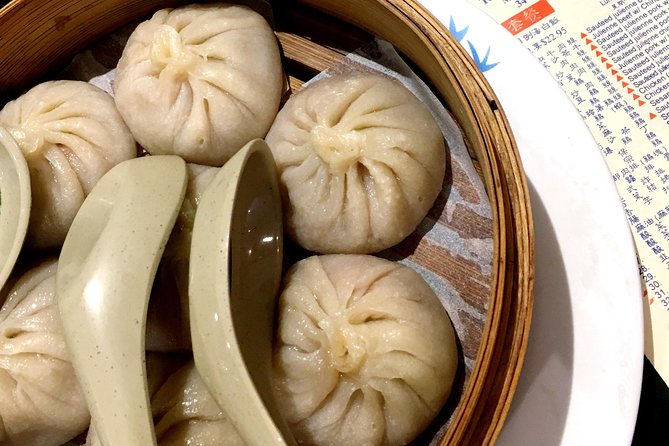
The theme—Dumplings to Dim Sum—signals what you’ll do most of the afternoon: small, multiple bites. But the real value is how those bites connect to the neighborhood’s hybrid Chinese-American identity. You get to sample flavors that reflect tradition and adaptation, instead of treating Chinatown cuisine as a single frozen moment in time.
You can also read our reviews of more food & drink experiences in Boston
Price and what you truly get for $135.45
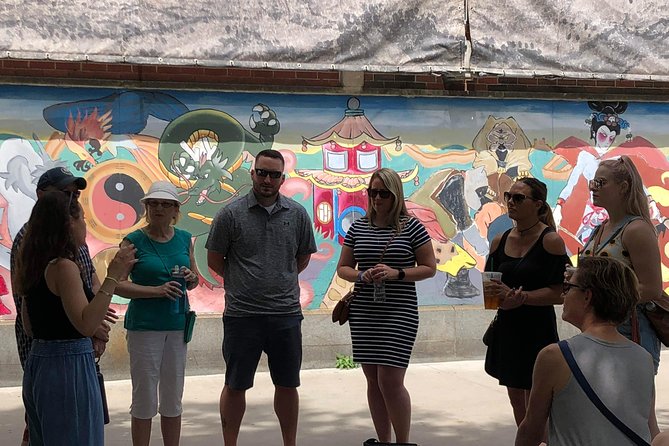
At $135.45 per person, this isn’t a cheap snack-and-sightseeing stroll. The saving grace is that your ticket covers the big cost drivers: the 3-hour guided walking tour and all food tastings, along with all fees and taxes.
That means you can budget with less guesswork. You’re paying for guide time, planning, and multiple tastings from local eateries—not just a “look but don’t taste” tour. The one extra you should plan for is gratuity, since it’s not included.
If you’re choosing between doing it solo (DIY eats + museum-style reading) versus paying for structure, this tour is worth considering when you want both: the flavors and the short lessons that make the flavors land.
Where you start: Chinatown Gate and how to arrive without stress
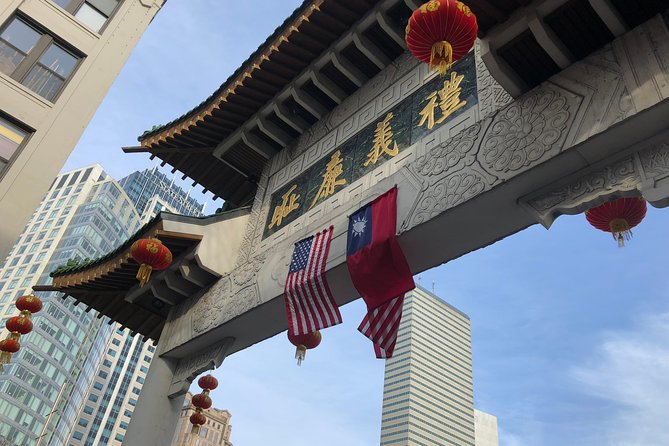
The tour starts back where many visitors orient themselves: Chinatown Gate at John F Fitzgerald Surface Rd & Beach St. It also ends back at the same meeting point, which keeps things simple at the end when you’ve got plenty of food in your system.
Location is a practical plus. The meeting area is close to the Chinatown T stop on the Orange Line and also near South Station on the Red Line. In other words, you don’t need a car to make this work.
If you do drive, keep in mind Boston street meters have a 2-hour limit per block, which likely won’t cover the full walking stretch. Plan on public transit or parking in a lot if you’re coming by car.
Your 2.5-hour route: what the walking experience feels like
The tour is listed at about 2 hours 30 minutes, rain or shine. That matters because Chinatown is best experienced on foot, and you don’t want the day derailed by weather. The good news: the tour is designed to keep moving and keep the story going even when conditions aren’t perfect.
Kickoff: Chinatown Gate to the neighborhood streets
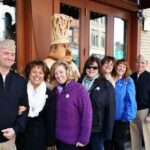
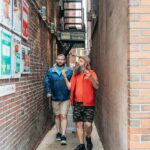
Right at the start, you’ll settle into the “culture and cuisine” angle. The guide frames Boston’s Chinatown as more than a food stop—it’s a neighborhood shaped by history and migration, and it’s also shaped by adaptation. That framing matters because it changes how you taste. You’re listening for what’s preserved and what’s changed.
You can also read our reviews of more tours and experiences in Boston

Food tastings as pacing breaks
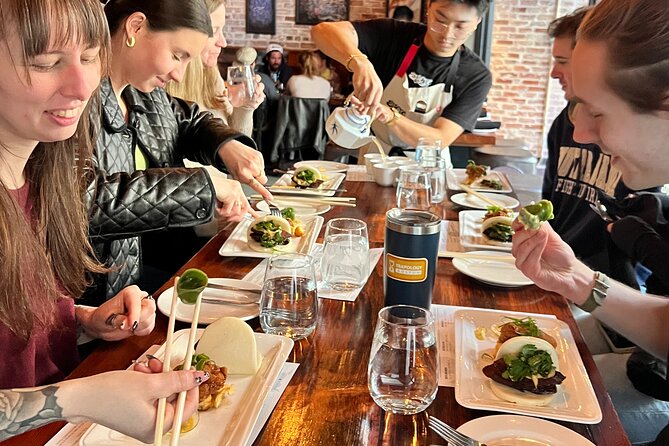
This tour builds in a simple rhythm: walk a bit, learn a bit, then taste. That’s not just for comfort; it helps you remember. When you learn how Chinese food evolved in America, then you taste a dish that reflects that evolution, the connection sticks.
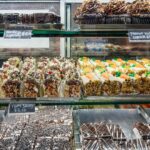
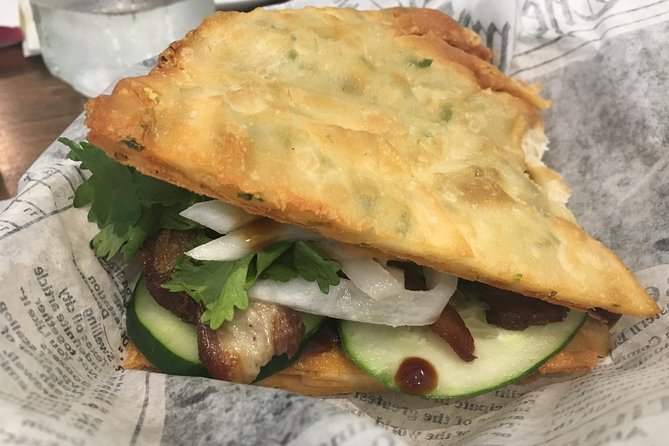
You’ll sample traditional Chinese specialties, Chinese-American dishes, and modern Asian twists. The mix is important. Chinatown isn’t only “old school.” It’s also where newer generations and changing tastes show up in real time.
The history segment you actually want
The story portion focuses on how Boston’s Chinatown developed, plus how Chinese food evolved in America. The tour also addresses aspects of cuisine that developed specifically in Boston—how local tastes and community needs influenced what people cooked and served.
Instead of dumping facts nonstop, the guide threads the information into the walking route and the food stops. That’s why the tour tends to feel fun even when you’re learning. You’re getting history in small, drinkable parts.
Wrap-up: leaving with a stronger sense of place
Because the tour ends back at the meeting point, you can keep your day flexible afterward—grab dessert nearby, return to your hotel, or head to another attraction without worrying about transit logistics.
You’ll likely leave with the sense that Chinatown is a living mix of identities, not a single “theme.” And the food choices help you feel that rather than just hear it.
What you’ll eat: Chinese, Chinese-American, and modern Asian bites
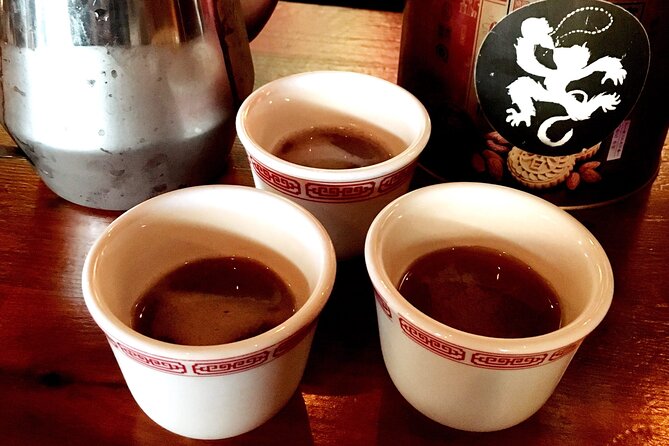
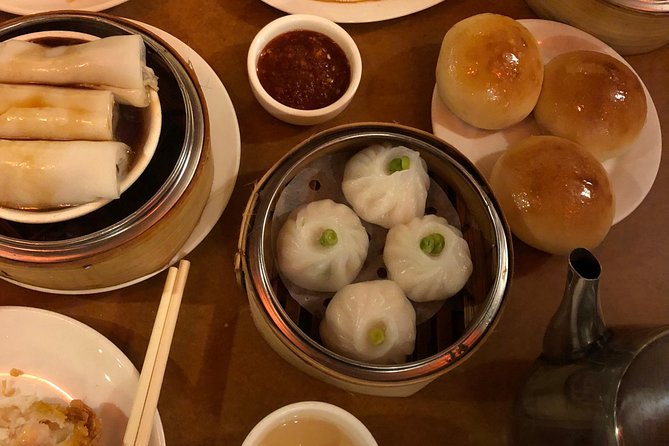
You should come with a real appetite, because this is built around tasting. All food tastings are included, and the selection is intentionally varied:
- Traditional Chinese specialties
- Chinese-American dishes
- Modern Asian cuisine with Boston ties
The most helpful part of that mix is that it gives you perspective. Traditional dishes help you understand the roots. Chinese-American dishes show how ingredients, cooking styles, and restaurant culture shifted for American diners. Modern twists highlight what happens next when new generations keep the tradition but adjust the approach.
Also, the tour is described as involving 2nd generation Chef Owners in the neighborhood. That’s a big deal if you care about food stories, because it’s not just theory—it’s lived experience from people connected to the restaurants.
How the portioning tends to feel
One consistent theme in the feedback is that the tour delivers a good amount of food. Most people leave feeling full by the end, but not so stuffed that the experience collapses into a slump. That balance is exactly what you want from a 2.5-hour walking tour.
The guide makes the difference: what to look for during the tour
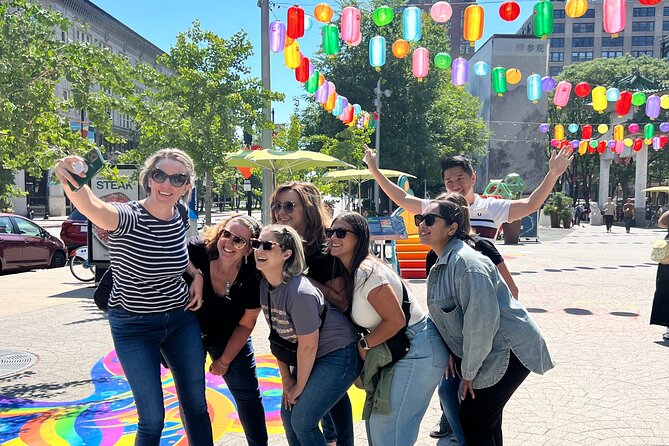
This tour caps at 12 people, which gives your guide more control and lets them address the group without talking to a crowd. That smaller size is one reason the experience tends to feel personal and relaxed.
The reviews give you clues about the kind of guides you might get. Names that came up include Swetha and Katie, both praised for being friendly, fun, and strong at blending history with food.
One caution from feedback: hearing can be an issue if you’re positioned too far back. If that happens, don’t just “tough it out.” You’ll get more from the tour if you ask to move closer or adjust your spot so you can hear the guide between tastings.
Rain, walking comfort, and making the most of the weather
The tour runs rain or shine, so plan your clothing like you’re going for a real walk. Chinatown streets can be lively, and you’ll spend most of the time on your feet.
I’d also plan to keep your arms free for eating and drinking small bites. That sounds obvious, but it’s the difference between enjoying the tastings and constantly juggling bags while trying to listen.
Is it worth it for you? Best fit and who should skip it
This experience is best if you like:
- Food that comes with context
- Learning while walking, not after the fact
- Multiple tastings instead of one big meal
- Small-group attention and an easy pace
It’s not recommended for participants under 12 years old. If you’re traveling with younger kids, you may need a different plan.
If you’re the type who has visited Chinatown before and still wants a fresh angle, this tour can still work—because it focuses on the “how did it get this way?” story, not just repeating the same food stops.
Should you book Dumplings to Dim Sum in Boston Chinatown?
I’d book it if you want an efficient way to understand Boston Chinatown through food + history without doing homework all day. The ticket price makes more sense when you value multiple tastings and a guide who ties the neighborhood’s development to what you’re eating.
I’d think twice if you’re very sensitive to noise or if you know you struggle to hear in group settings. In that case, choose a spot closer to the guide early, and be prepared to ask for adjustment.
If your goal is a calm, structured afternoon that leaves you fed and informed, this one is a strong match.
FAQ
How long is the Boston Chinatown food and history tour?
It lasts about 2 hours 30 minutes.
What does the tour cost?
The price is $135.45 per person.
What’s included with the ticket?
The ticket includes a guided walking tour of Chinatown and all food tastings from local eateries, including Chinese, Chinese-American, and modern Asian cuisine. Fees and taxes are also included.
Where does the tour start and end?
It starts at Chinatown Gate at John F Fitzgerald Surface Rd & Beach St, Boston, MA 02111, and it ends back at the same meeting point.
Does the tour run in bad weather?
Yes, it runs rain or shine.
Is tipping included in the price?
No. Gratuity for your tour guide is not included, though it is accepted at the end if you had a great time.