REVIEW · FOOD
Boston: Freedom Trail History and Food Tour
Book on GetYourGuide →Operated by ExperienceFirst · Bookable on GetYourGuide
Chowder meets history on the Freedom Trail. This 2-hour walk blends landmarks with real local eating guidance, so you get both the stories and the street-level context. I like how the guide ties the sites to everyday Boston life, and I like that the route hits heavyweight stops like Paul Revere House without feeling rushed.
The main catch: the tour includes the history walk and food recommendations, but actual food is optional. Plan for extra spending of about $30 if you sample across stops, and if you expect a full-on tasting menu, the food focus can feel a bit light.
In This Review
- Key highlights worth your time
- A 2-hour Freedom Trail sampler with eating advice built in
- Starting at Boston Public Market: chowder and baked beans first
- Haymarket and the market energy: a 300-year tradition on the right days
- Blackstone Block and Quincy Market: history on the edges
- Rose Kennedy Greenway and Holocaust Memorial Park views
- Faneuil Hall vibe and Salumeria Italiana: when food guides history
- Paul Revere House: early American life you can walk into
- Old North Church: architecture and story in the same place
- Parziale’s Bakery and Polcari’s Coffee: the sweet ending move
- Price and value: what $39 really covers
- Who should book this Boston Freedom Trail and Food Tour
- Should you book it?
Key highlights worth your time
- Boston Public Market start with classic picks like chowder and baked beans
- Haymarket on Fridays and Saturdays for a 300-year-old tradition in action
- Rose Kennedy Greenway stroll with good city views and a lighter pace
- Paul Revere House and Old North Church for early American life and architecture
- Italian food stops and bakery time like Salumeria Italiana and Parziale’s Bakery
- Finish with coffee at Polcari’s to wrap the walk on a comforting note
A 2-hour Freedom Trail sampler with eating advice built in
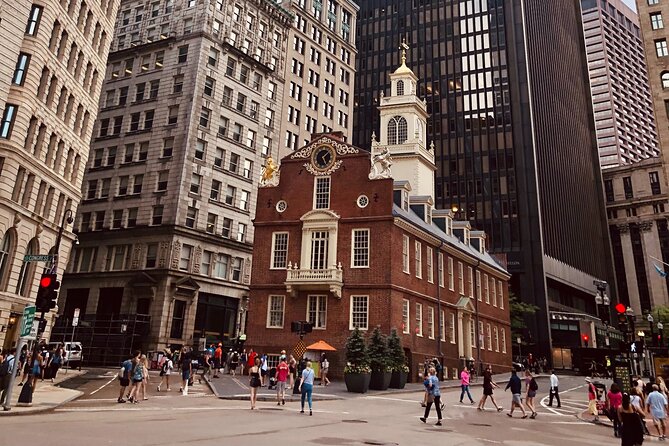
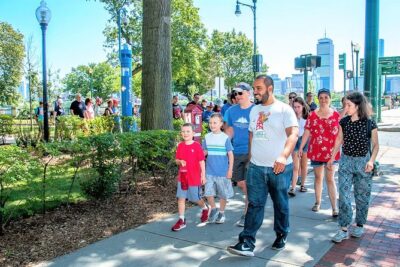
This is a short tour that tries to do two things well: help you understand Boston’s Freedom Trail and keep you fed with practical, local food suggestions along the way. The pacing is leisurely, and the total walk is about 1.2 miles, so you’re not dragging your way across the city. It works best when you want a fast orientation to Boston history plus a few bites that actually fit the neighborhood.
The structure also matters. Instead of treating the food as an afterthought, the guide builds stops around classic local flavors like chowder, baked beans, and cannoli. That makes the history feel less like memorizing names and more like learning how people ate, worked, and lived in the same places you’re visiting.
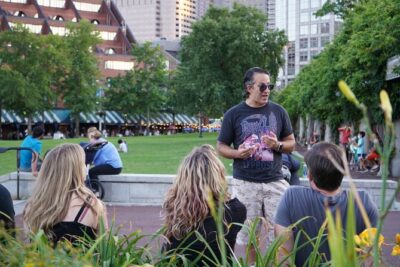
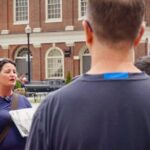
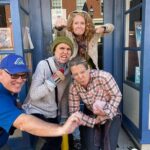
One more thing I appreciate: the guide isn’t just reading facts off a sign. Strong guides on this route, including Paul and Charlie, have a way of making it feel like you’re walking with someone who knows the city’s rhythms—not performing history at you. If you get that style of guide, the tour can feel unusually personal for a group walk.
You can also read our reviews of more food & drink experiences in Boston

Starting at Boston Public Market: chowder and baked beans first
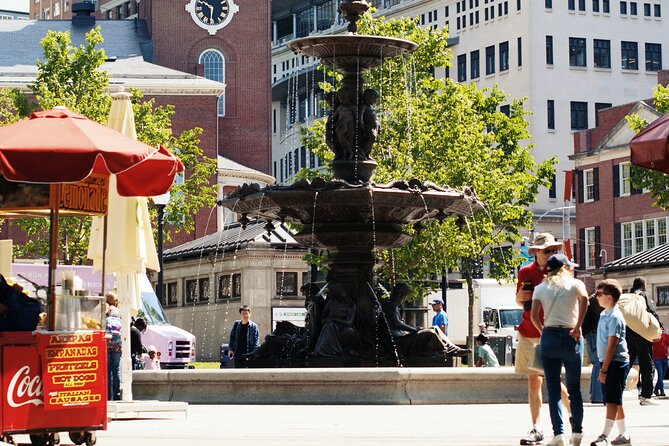
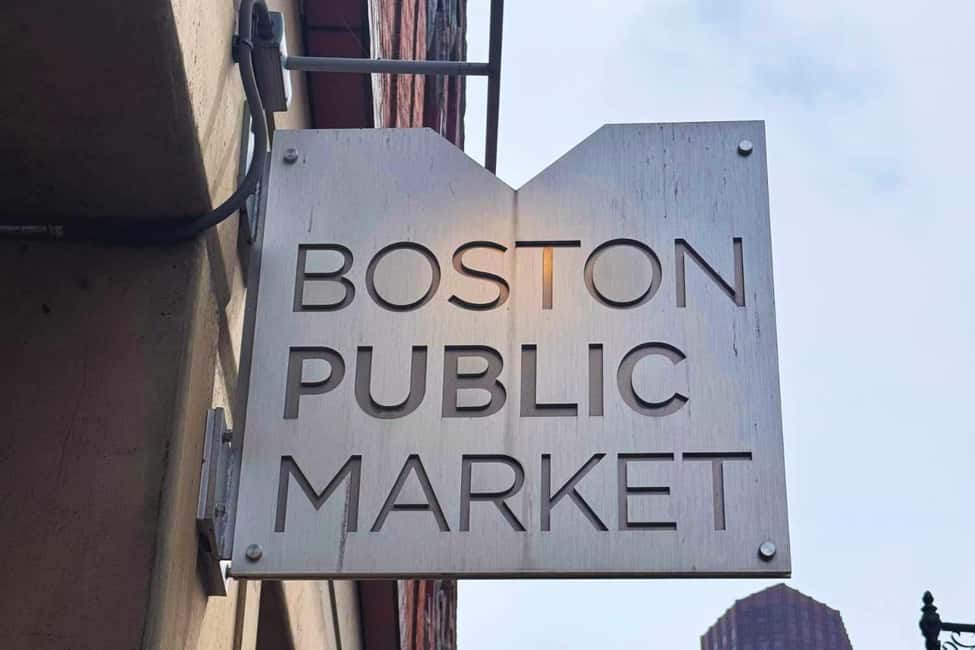
You meet at the Congress Street entrance of the Boston Public Market, right where Congress Street intersects with Hanover Street. Your guide wears an orange hat that says ExperienceFirst, which makes the meetup easy even if you’re arriving right on schedule (or slightly stressed).
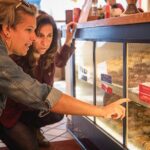
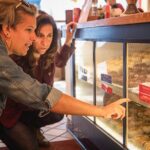
Boston Public Market is a smart starting move because it sets the tone: food first, then history. The tour experience here often includes samples such as chowder and baked beans, which gives you an immediate sense of what “classic Boston” tastes like. If you’ve never tried New England clam chowder in a real market setting, this is a good way to sample before you commit to buying a full portion elsewhere.
What to watch for: since food is optional beyond recommendations, the best value comes from deciding quickly what you actually want to eat. If you want to “sample a bit of everything,” the guide’s suggestions can add up. But if you pick 2–3 favorites and save your budget, you can keep your total spend under control.
Haymarket and the market energy: a 300-year tradition on the right days
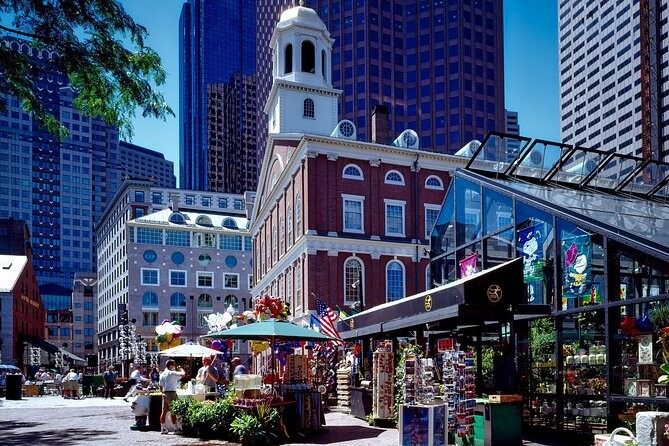
After the market start, you head toward Haymarket and then onward through the downtown market zone. Haymarket is one of those places where Boston feels like it’s still moving at full speed. The tour highlights that on Fridays and Saturdays you can see the 300-year-old Haymarket tradition in action, which adds a special layer beyond standard sightseeing.
This is one of the tour’s best “only in Boston” moments. Even if you’ve seen plenty of cities with markets, Haymarket’s longevity is the point. It helps you understand that Boston history isn’t only about Revolutionary-era speeches—it’s also about commerce and daily routines that keep going.
A small practical note: market areas tend to be crowded. You’ll be on foot, so comfortable shoes matter more than usual. Bring water, too, because a “short” 2-hour walk can still feel tiring when you’re bouncing between storefronts.
Blackstone Block and Quincy Market: history on the edges
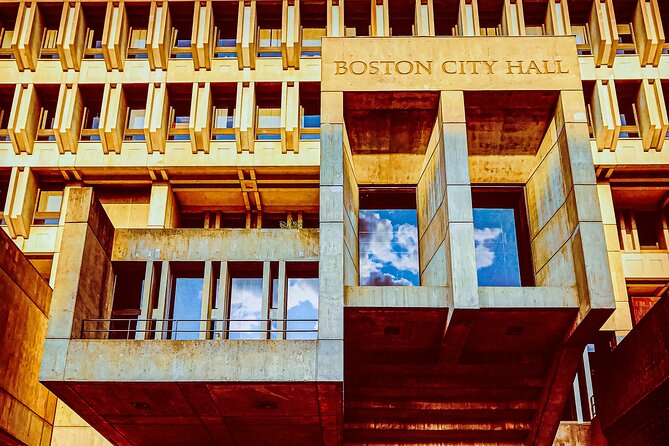
The route also touches the Blackstone Block Historic District, a spot that’s less famous than the headline sites. That’s a big plus for value. When a tour gives you both the big names and the smaller neighborhoods, you leave with a fuller mental map of the city.
From there you reach Quincy Market. This is a classic tourist anchor, but it’s still worth the stop because it’s part of Boston’s current downtown identity, not just a museum label. Think of it as the place where the city’s history and its modern visitor flow overlap. Even if you don’t buy anything every time you pass a vendor, it helps you “place” the city in your head.
If you’re hoping to turn this into a true food crawl, this is where your choices start to matter. The guide will suggest dishes at different stops, and this is a good zone to ask yourself: do you want more savory, more sweet, or one “main” purchase and then lighter sampling?
Rose Kennedy Greenway and Holocaust Memorial Park views
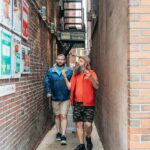
Not every second on this tour is a museum stop. You’ll stroll the Rose Kennedy Greenway, described as beautifully transformed, and you’ll also pass near the Holocaust Memorial Park. This part of the route is valuable because it breaks up the density of history with open-air walking.
For me, the lesson of these stops is simple: Boston’s story isn’t only the past locked behind doors. It’s also how the city organizes space now—where people pause, remember, and move through daily life. The greenway portion also helps keep the tour from feeling like a checklist.
This is a good time to slow down and actually look. You’re on a route that’s historically heavy, so the open-air segments make a difference in how the day feels. If you’re with kids or you’re just not built for nonstop facts, these breaks can make the tour feel more human.
You can also read our reviews of more tours and experiences in Boston


Faneuil Hall vibe and Salumeria Italiana: when food guides history
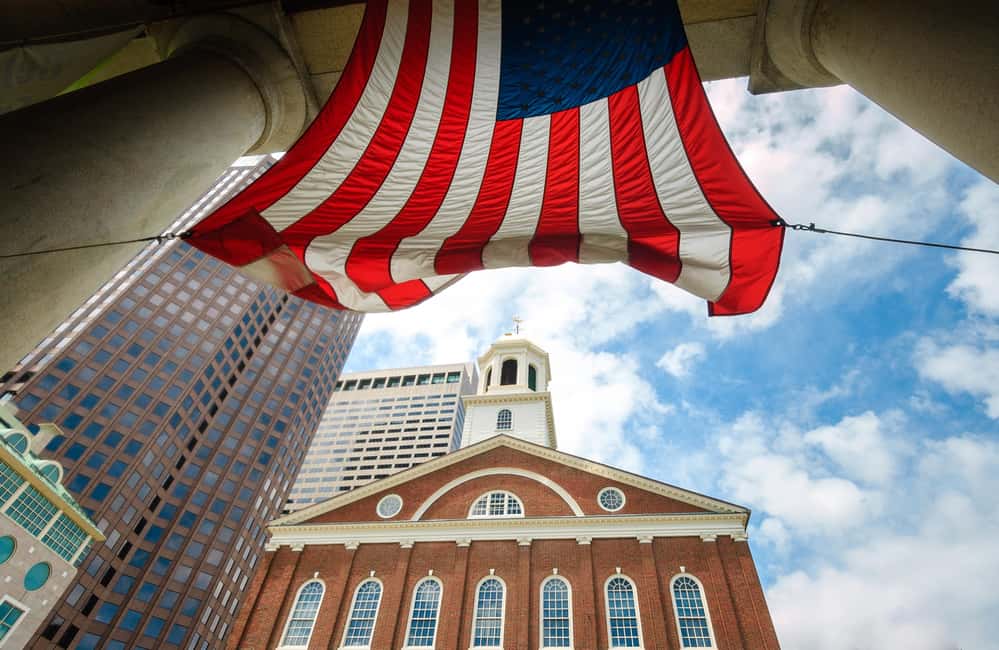
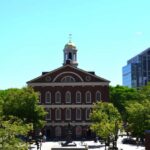
The tour pairs landmark sightseeing with optional tastings of classic bites like clam chowder, baked beans, and cannoli. It also highlights the bustling food-hall atmosphere at the Cradle of Liberty, which points you toward Faneuil Hall. Even if you’ve seen photos of Faneuil Hall, being there as part of a guided walk is different. You’re not only looking at architecture; you’re learning why this area matters.
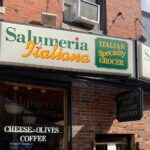
Then you hit Salumeria Italiana. This is where the tour’s “food-and-history” promise feels most fun, because it nudges you into Boston’s Italian food scene rather than keeping everything strictly New England. It’s also a nice pacing shift after the larger public spaces and before the early American house museums.
Important value tip: since food isn’t included, treat these stops like tasting choices you control. The guide’s suggestions are the advantage you’re paying for with the tour price. If you’re the type who likes to try something new, you can spend the extra $30 and enjoy the route more. If you prefer to eat only once or twice, you’ll still get plenty from the sightseeing and the historical context.
Paul Revere House: early American life you can walk into
Paul Revere’s home is one of the tour’s key anchor points, and it’s the kind of stop that turns the Freedom Trail from a list of names into real places. The early American life angle is the point here: you see what “living history” can feel like when it’s tied to a specific location.
Guides on this route have a reputation for making these stops land emotionally and practically. A guide like Paul—known for sharing insights that make it feel like you’re walking through his hometown with a friend—helps you connect the dots. That matters here, because house museums can turn into “look, furniture, next room” if the guide doesn’t connect it to why it matters.
If you’re curious about the Revolution but you get impatient with long indoor lectures, the good news is that the pacing of the full tour is still manageable. You’re not signing up for a multi-hour museum marathon.
Old North Church: architecture and story in the same place
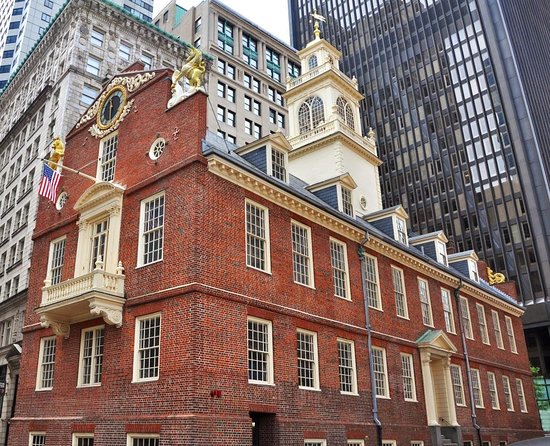
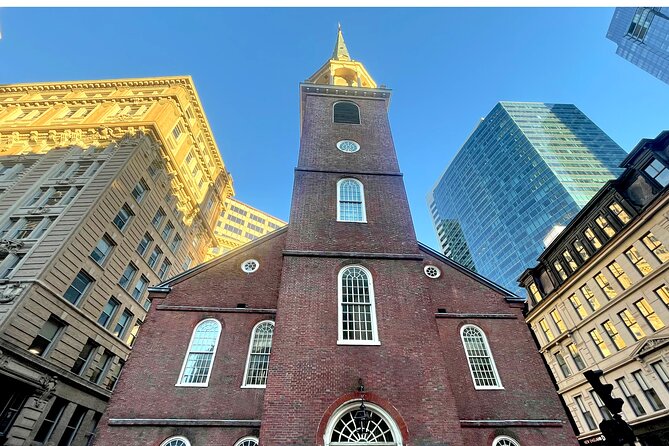
Next comes Old North Church, which is highlighted for both history and architecture. This stop is a practical payoff because it’s a landmark you can actually recognize and remember. It also benefits from being placed later on the walk: by the time you arrive, you’ve already built context from earlier sights.
The best part of this kind of stop, when guided well, is how it changes your reading of the building. Architecture stops being decorative. It becomes part of the story—how the space functioned, what people would have noticed, and how the setting shaped the way events were understood.
If you’re the kind of traveler who likes photos, you’ll likely want to pause here. The church is one of those “background material” stops that later makes the city’s other historic sites easier to interpret.
Parziale’s Bakery and Polcari’s Coffee: the sweet ending move

After Old North Church, the tour shifts into food territory again with stops like Parziale’s Bakery and a finish at Polcari’s Coffee. This ending sequence is smart. By the time you reach the final food moments, you’ve done the main history work and you’re ready to relax.
Parziale’s Bakery is a good example of why this tour works even for people who don’t want a complicated meal plan. A bakery stop is easy to enjoy on a schedule. It’s also a nice contrast to house museums and churches, so the day feels balanced.
Polcari’s Coffee as a finish is also a practical win. You’re ending with something that feels like a normal city pause, not a rushed grab-and-go. If you plan to keep exploring after the tour, you’ll already have an easy place in mind to grab a drink.
Price and value: what $39 really covers
At $39 per person for a 2-hour walking experience, the core value is the professional guided walk plus local food recommendations. The food is not included, and the tour specifically notes that sampling all the recommended items typically costs around $30. So the real budget for a fuller food experience is more like $69 total.
That still can be worth it if you want structure. You’re paying for someone to tell you what to try and where to go, plus the history context you’d otherwise need to piece together on your own. In Boston, where there’s a lot to see and a lot of choices, that kind of guidance saves time and reduces decision fatigue.
Now, the honest drawback: if you want a true food tour where food is the main event, this one may not satisfy. The walking and history are the backbone, and the food is optional. The guide can give you great suggestions, but the tour is not promising a full tasting lineup as part of the ticket price.
Who should book this Boston Freedom Trail and Food Tour
I’d point you to this tour if you fit one of these profiles:
- You want a short, focused Freedom Trail introduction with enough context to keep your curiosity going later
- You like food recommendations that match the neighborhoods you’re walking through
- You want a manageable walk (about 1.2 miles) and a day plan that doesn’t swallow your whole afternoon
- You’re traveling with strollers or need a wheelchair-friendly route, since the tour is described as wheelchair accessible
It may not be your best match if you’re a hardcore foodie who expects lots of included tasting food. In that case, you could end up paying extra and still feeling like the food portion didn’t deliver what you wanted.
Should you book it?
If your goal is to get your bearings fast—Freedom Trail history plus a few classic Boston bites—this tour is a solid pick. The price is reasonable for the amount of guided walking and the quality of the storytelling you can get from strong guides like Paul and Charlie. The best outcome happens when you treat food as part of the plan you choose, not as a guarantee that every bite is included.
If you want me to sum it up plainly: book this for the history walk with smart food guidance, and budget an extra ~$30 if you want to sample along the way.