REVIEW · FREEDOM TRAIL TOURS
Walking Tour of Boston’s Freedom Trail
Book on Viator →Operated by Boston Town Crier - Tours of Freedom Trail · Bookable on Viator
Freedom Trail history gets organized in 90 minutes. This is an express walking tour built around in-the-moment guide commentary and skip-the-line time-savers at major stops, so you get the story without getting stuck in crowds. I love how the guide keeps things moving while still explaining why each place mattered. I also love that the format is short enough to leave your day open for museums, chowder, or just wandering.
One thing to weigh: it’s a group tour (up to 45 people), so if you’re not close to the guide, details can get harder to hear.
Key things to know before you go
- A 90-minute walking sprint that still covers 12 of the 16 Freedom Trail sites
- Skip-the-line support at top attractions, so you don’t lose your best time waiting
- Mobile ticket makes check-in straightforward
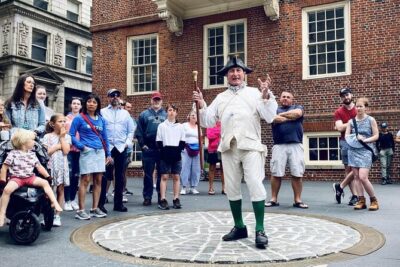
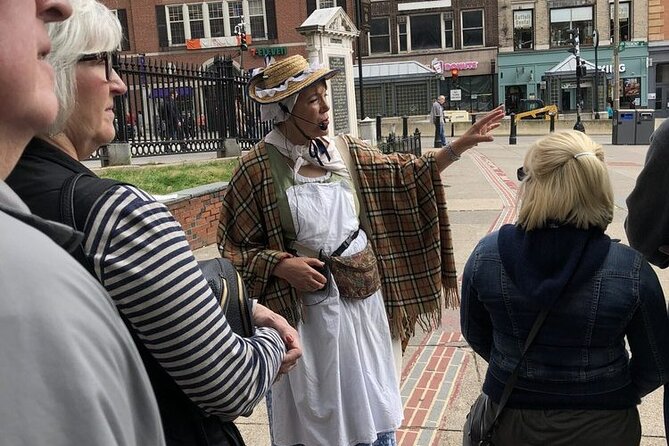
- Guides with strong storytelling skills (you’ll hear famous Boston figures brought to life)
- All-weather operation with a practical “dress for reality” approach
- Moderate walking only, with a pace meant to be manageable
In This Review
- A 90-minute Freedom Trail plan that keeps your Boston day open
- Starting at 139 Tremont St, ending at Faneuil Hall Marketplace
- The guide makes the difference: humor, Q&A, and real momentum
- Your opening stretch: Boston Town Crier into the Boston Massacre story
- Old Colonial State House and Faneuil Hall: politics, persuasion, and public space
- Skip-the-line at top stops: why it matters on the Freedom Trail
- Pacing, weather, and comfort tips for a 1.5-hour walk
- Price and value: is $30 really a fair deal?
- Who should book this Freedom Trail express walk?
- Should you book Boston Town Crier’s Freedom Trail walk?
- FAQ
- How much does the walking tour cost?
- How long is the Freedom Trail walking tour?
- Where does the tour start and end?
- Is a mobile ticket included?
- What language is the tour offered in?
- Does the tour guarantee skipping lines?
- Does the tour run in bad weather?
- What is the cancellation policy?
A 90-minute Freedom Trail plan that keeps your Boston day open
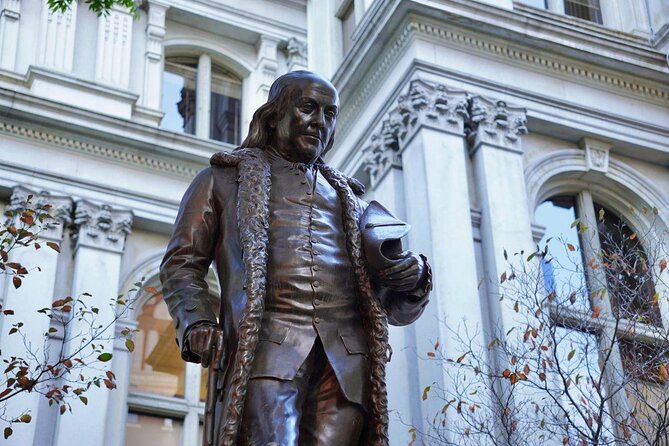
At $30 per person for about 1 hour 30 minutes, this tour is aimed at one goal: helping you understand Boston’s Revolution-era backbone fast. The Freedom Trail can be overwhelming when you’re reading plaques alone and trying to remember dates. Here, you get a guide who talks as you walk, so names and places land in your head in the right order.
What makes it feel like good value is the time math. You’re paying for a guided route that covers a large chunk of the trail in a short window, with a built-in sense of flow. The tour also includes a guaranteed skip-the-line approach at the top attractions, which matters a lot in peak visitor hours. In other words: you spend your energy on the stories, not queue management.
This is also built to be an add-on to the rest of your day. Since it’s designed as an express walking tour, you’re not forced into the “tour ends, you’re exhausted, now what” problem. Finish early, and you can pivot to a neighborhood walk, a harbor stop, or whatever you had planned next.
Starting at 139 Tremont St, ending at Faneuil Hall Marketplace
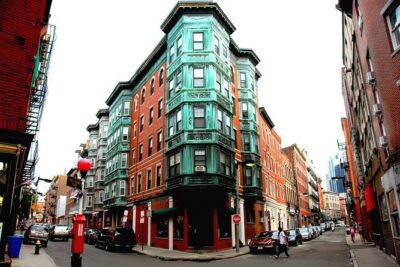
You’ll start at 139 Tremont St, Boston, MA 02111, and you’ll end at Faneuil Hall Marketplace. The walk is designed to be doable for most people with a moderate fitness level, and the tour is described as walkable, with the route keeping things efficient.
A helpful detail: the route is said to cover less than a mile of walking while still hitting 12 of the 16 Freedom Trail sites. That ratio is the whole point. You get the major “you’re really on the Freedom Trail” stops without turning it into a full-day hike.
One practical tip: because your ending point is Faneuil Hall Marketplace, it’s a natural spot to continue your trip. Lots of people turn this into a food-and-stroll moment after the tour, since the area is easy to use as a base for the rest of the day.
If you’re taking public transit, the return is noted near Haymarket + Government Center subway stops and also near City Hall + Quincy Market. That means you should have several reasonable options to get yourself back after the walk.
You can also read our reviews of more walking tours in Boston



The guide makes the difference: humor, Q&A, and real momentum
On a tour like this, your guide is not just background narration. They’re the glue that connects the sites into one clear story. The most consistently praised element is commentary that feels in-depth and entertaining while staying on pace.
I’d pay special attention to the guide style described in the feedback. Many mentions highlight guides who use humor without losing facts—people like Andri (including an Andri noted as from Belgium), Jeff (also referenced as Samuel Gray), and Ernie. When these guides are on the mic, the tour tends to feel like you’re walking with someone who cares about the material and can explain it without talking down.
You’ll also want a guide who can handle questions. The positive feedback repeatedly points to guides who are eager to answer and keep things moving even with a full group. Even in a larger group (40 people is mentioned), the tour can stay organized—though the sound can be a factor if you’re farther away.
So here’s the practical takeaway: position matters. If you want the best experience, aim to be closer to the guide for the full 90 minutes. That’s the difference between hearing the big ideas and just catching keywords.
Your opening stretch: Boston Town Crier into the Boston Massacre story
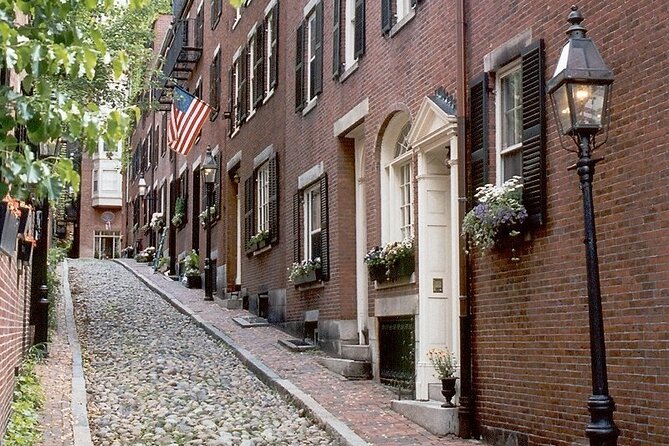
Your tour begins at the Boston Town Crier meeting point and then rolls into some of the Freedom Trail’s most high-impact landmarks. Early on, you’ll hit the Boston Massacre site, and from there you move into the burial-ground and civic-center stops that shaped how Boston told its revolutionary story.
The Boston Massacre is a strong anchor because it’s emotional and readable even if you’re not a history nut. You’ll likely hear how tensions built and how the event became a symbol—not just a moment. The value here is that the guide helps you connect causes and consequences, rather than treating the massacre as a standalone scene.
Next up is Granary Burial Ground, which is one of those places where the facts can surprise you. The feedback highlights interest in details like the significance of coins on military graves—the kind of small, human touch that turns a cemetery visit into more than just looking at old stones. You also get the feeling that you’re stepping into the long memory of the city, not a museum display behind glass.
Then you’ll work toward Old Colonial State House. This is where the tour becomes more about civic power—where decisions were made, where public life was staged, and why the architecture and location matter. The drawback to consider: if you prefer one strict timeline with no storyline jumps, you might notice that some guides explain history in a way that can move back and forth to make connections. That’s not wrong—it’s a storytelling method—but it can be a little harder to track if you’re a chronology-stickler.
Old Colonial State House and Faneuil Hall: politics, persuasion, and public space
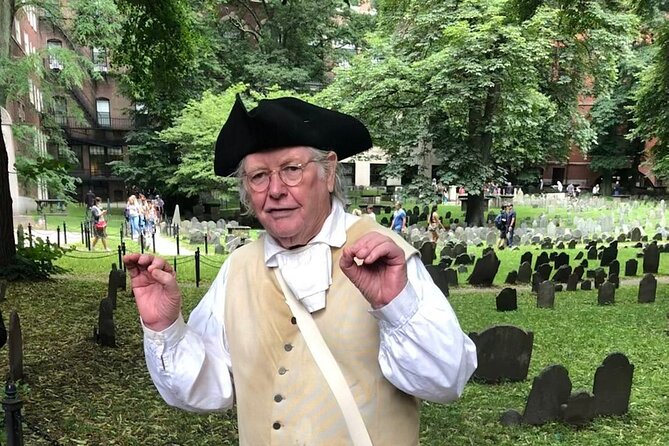
Two of the biggest “why Boston matters” stops on this walk are Old Colonial State House and Faneuil Hall. You’ll reach them as part of the main sequence, after the early Revolution anchors.
At the Old Colonial State House, the guide’s job is to make the building feel alive. You should expect explanations about what public officials did there and how political life worked in colonial Boston. Even if you’re only seeing the outside, the guide can still connect the place to the bigger events you’ll be discussing—especially around the Revolution and the arguments that led to it.
Then comes Faneuil Hall, often called the Cradle of Liberty for a reason. The tour’s strength is that it doesn’t just name famous speakers. You should get context about why the hall mattered as a place for public persuasion—where crowds, speeches, and political momentum intersected.
A small note on what this tour does best: it’s structured for learning in motion. That means you’ll likely get the key context and interpretations, but you’re not aiming for long inside visits at each stop. One piece of feedback specifically notes that the tour keeps the focus on the walk and explanation rather than extended time inside sites. If you want deep interior access at a slow pace, you might find another type of tour better suited. But if you want clarity fast, the trade-off works.
Skip-the-line at top stops: why it matters on the Freedom Trail
The tour includes a guaranteed skip-the-line feature for the Freedom Trail’s top attractions. That may sound like a minor perk, but it’s a real difference-maker on a busy day. With a 90-minute tour, waiting around is the fastest way to feel like you paid for less than you expected.
Here’s how to make the most of this benefit: show up on time for the start location and be ready to walk. The skip-the-line helps at the stops, but it doesn’t replace time lost before the tour begins.
Also, remember that skip-the-line access is most useful when you care about timing. If you’re visiting with a tight schedule—morning plans, early dinner reservations, or just one day in Boston—this is the kind of feature that keeps your day intact.






Pacing, weather, and comfort tips for a 1.5-hour walk
This experience operates in all weather conditions, and you’re advised to dress appropriately. That’s not just a legal note—it’s part of the tour’s rhythm. One standout comment praises how the guide kept the adventure lively even during pouring rain. Another mentions sleet and snow being handled as well.
So plan like it’s a real walk outdoors. Bring what you need for Boston’s quick weather changes: a rain layer if the forecast looks iffy, and closed-toe shoes that work on sidewalks. The tour isn’t described as physically strenuous, but it is walking, and you’ll want to be comfortable for a full hour and a half.
Group size also affects your comfort. With up to 45 people, you’ll likely hear best if you stay nearer the front. If you’re sensitive to noise or you’re trying to capture details for photos and note-taking, positioning matters more than you’d think.
If it’s hot, the tour’s approach has been praised for helping keep listeners in shade when possible. That’s a good sign that the guide pays attention to the group’s comfort while still keeping the route moving.
Price and value: is $30 really a fair deal?
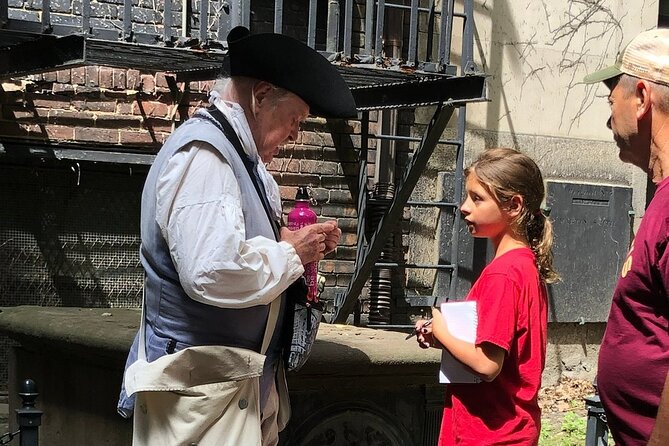
$30 for a guided Freedom Trail walk is one of those prices that only makes sense if it saves you time and mental effort. In this case, the tour seems designed to do both.
You get:
- a professional guide delivering commentary as you walk
- a short route that still hits major milestones
- skip-the-line help at key attractions
- a pace that’s meant to keep your day flexible
If you’re traveling with limited time, value often comes down to whether you can convert “seeing sites” into “understanding what you saw.” This tour is built for that conversion. You’re not just wandering; you’re learning why the sites matter.
Also, this is a tour type that pairs well with other plans. It’s not competing with your afternoons. It sets up the context so your later self-guided walking feels smarter.
Where it may not be the best match is if you want lots of inside time at multiple stops. This is an express walking tour, and one piece of feedback notes the tour doesn’t go into sights at length because those require separate costs and more time. If that’s your priority, you might need a different format.
Who should book this Freedom Trail express walk?
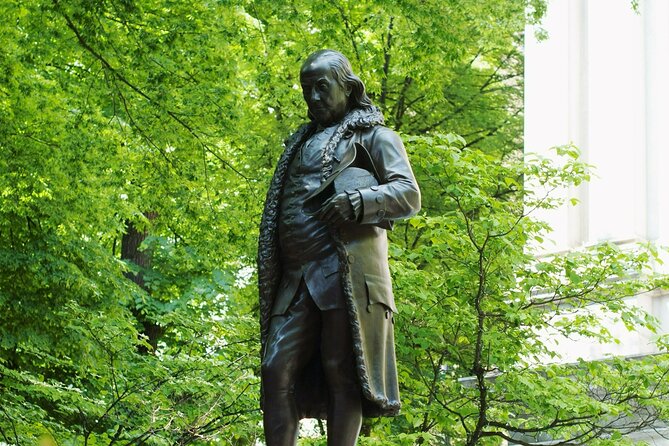
This one fits best if you:
- have limited time and want the main story of Boston’s Revolution-era sites
- like learning from a guide who explains as you walk
- want a route that stays manageable for groups and first-timers
- care about efficiency, especially around popular attractions
It’s also a solid choice for families, since the pace is described as not physically strenuous. Just remember the basic requirement: children must be accompanied by an adult.
If you’re a hardcore history buff who wants exact chronology minute-by-minute and lots of interior time, you might prefer a slower, more detailed tour. But if you want a clear, guided path that makes the Freedom Trail feel navigable, this is a strong pick.
Should you book Boston Town Crier’s Freedom Trail walk?
Yes, you should book it if you want to get your bearings fast and you’re planning to pack more into the rest of your Boston day. The short format, the skip-the-line benefit, and the storytelling-driven guide approach are the core reasons to choose this over a self-paced walk.
Make the call quickly if any of these apply: your schedule is tight, you want a guided overview rather than a long museum-style experience, or you’d rather spend your energy listening than waiting. If you prefer slow wandering and extended inside visits, you’ll probably be happier with a different tour style.
If you’re aiming for the sweet spot—efficient, understandable, and actually fun in the real weather—this Freedom Trail walk is built for you.
FAQ
How much does the walking tour cost?
The price is $30.00 per person.
How long is the Freedom Trail walking tour?
It’s approximately 1 hour 30 minutes.
Where does the tour start and end?
The start is at 139 Tremont St, Boston, MA 02111. The tour ends at Faneuil Hall Marketplace, Boston, MA 02109.
Is a mobile ticket included?
Yes. The tour uses a mobile ticket.
What language is the tour offered in?
The tour is offered in English.
Does the tour guarantee skipping lines?
Yes. It is guaranteed to skip the long lines at the Freedom Trail’s top attractions.
Does the tour run in bad weather?
It operates in all weather conditions and you should dress appropriately. If it’s canceled due to poor weather, you’ll be offered a different date or a full refund.
What is the cancellation policy?
You can cancel up to 24 hours in advance of the experience for a full refund. Canceling less than 24 hours before the start time isn’t refunded. Free cancellation also has a local-time cutoff.