REVIEW · 2-HOUR EXPERIENCES
Boston: 2-Hour Historic Walking Tour
Book on GetYourGuide →Operated by Boston CityWalks · Bookable on GetYourGuide
Boston makes sense on a two-hour walk. I love the Freedom Trail context, and I love the gaslit streets and architecture of Beacon Hill, all tied together by a real human guide. The one drawback: it’s a tight schedule, so you won’t linger long at any single stop—you’ll want a follow-up wander later.
In just 2 hours, you cover a classic slice of central Boston: the Freedom Trail path running from Faneuil Hall toward the Boston Common, plus Beacon Hill and the 19th-century look of the Back Bay. You’ll also work in open-space time near the Public Garden and end up in the Copley Square area, with plenty to look at while you walk.
The tour is run as a small-group walk in English, and that matters. Guides focus on stories with humor and interaction, and one guide named Alan has a reputation for being engaging and patient, even when it’s pouring rain.
In This Review
- Key things you’ll notice on this Boston walk
- Meeting on State and Congress: start where the history is
- Freedom Trail from Faneuil Hall toward Boston Common
- Beacon Hill: gaslights, cobblestones, and the aristocratic look
- Back Bay in 19th-century form: streets, scale, and viewpoint landmarks
- Public Garden and Copley Square: where the walk breathes
- The specific stops that add flavor (and what to watch for)
- Why the guide style matters more than you think
- Price and value: is $45 fair for a 2-hour walk?
- Pacing and comfort: plan for a steady two hours
- Who should book this Boston walking tour
- Should you book it?
- FAQ
- How long is the Boston Historic Walking Tour?
- How much does the tour cost?
- Where is the meeting point?
- Which areas does the tour cover?
- Does the tour include stops like Faneuil Hall and the State Houses?
- Is the tour guided by a live person?
- What language is the tour offered in?
- Is gratuity included in the price?
- Do I need to bring water?
- Can I cancel for a full refund?
Key things you’ll notice on this Boston walk
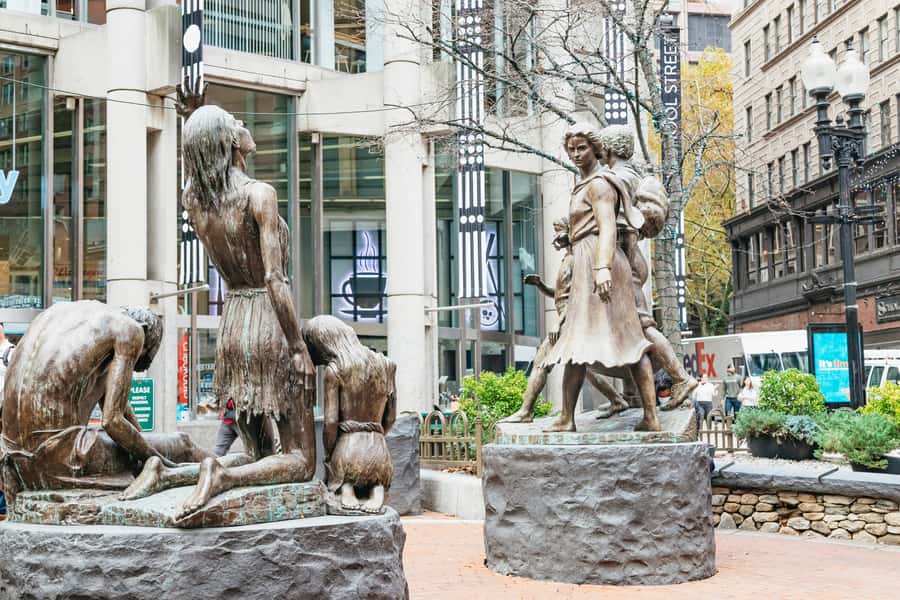
- Freedom Trail pacing: a focused route that runs from Faneuil Hall toward Boston Common, without turning into an all-day project
- Beacon Hill street feel: cobblestone drives, gaslights, and aristocratic homes you can spot as you stroll
- Back Bay architecture: 19th-century streetscape views that make Boston feel distinctly itself
- Photo-and-walk mix: you’ll hit major landmarks like King’s Chapel, Trinity Church, and the John Hancock Tower from the sidewalk
- Guide energy: humor, questions for the group, and stories that can include unexpected folklore tangents like Salem witches
Meeting on State and Congress: start where the history is
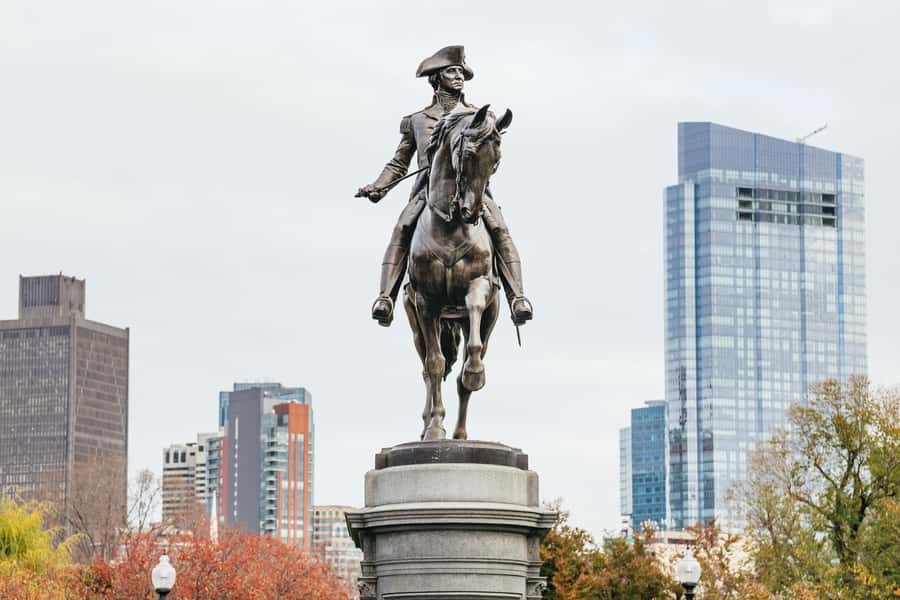
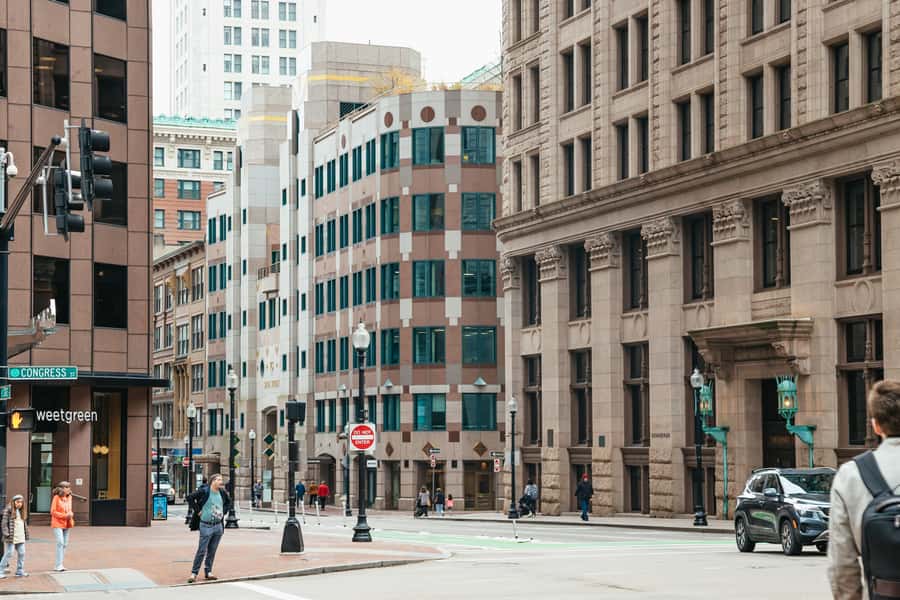
Your meet-up point is simple and central: the corner of State and Congress Streets, across from the old State House, outside 28 State Street. Plan to arrive a few minutes early so you’re not trying to match a group while you’re already tired.
This location is handy because you’re starting in the thick of the city center. That means less time “getting to the tour,” more time looking up at buildings, reading the street layout, and getting the why-behind-the-what that Boston rewards.
You can also read our reviews of more walking tours in Boston



Freedom Trail from Faneuil Hall toward Boston Common
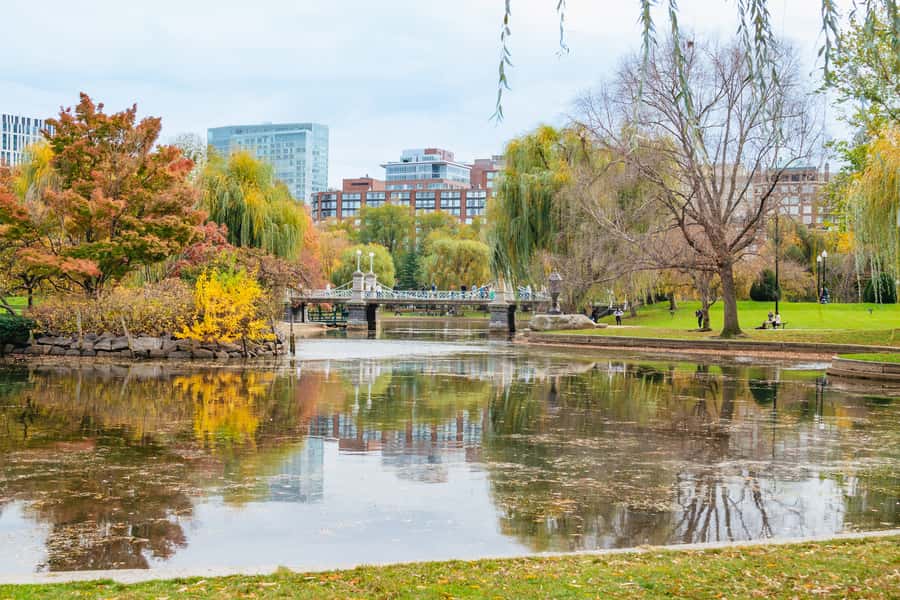
A big reason this tour works is that it treats the Freedom Trail like a narrative, not just a line on a map. You start with Faneuil Hall, and the route is built around the Freedom Trail line that runs from Faneuil Hall to the Boston Common.
As you walk, the guide points out how the city’s early identity shows up in the mix of places—government buildings, meeting spaces, and older sites that still shape the streets today. You’ll also get a sense of what’s close by, which helps when you later choose where to return on your own.
One practical plus: because the Freedom Trail is built for walking, it’s easy to follow along without feeling lost. You’ll also be able to “re-walk” sections later since you’re learning the geography, not just hearing facts while you pass by.
Beacon Hill: gaslights, cobblestones, and the aristocratic look
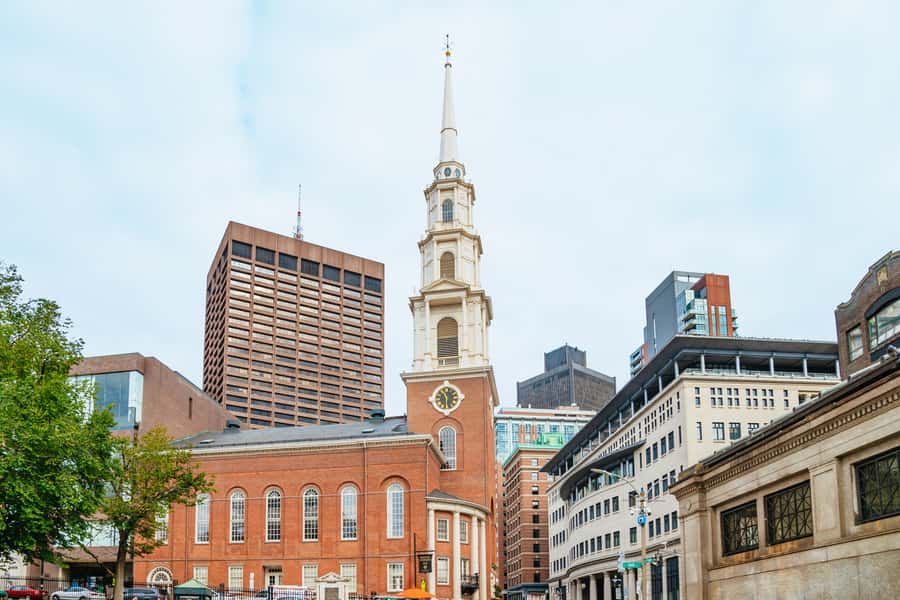
Then comes Beacon Hill, where the vibe changes fast from modern-city angles to classic Boston charm. Expect to see the gaslit streets and the kind of tidy, historic homefront that makes people stop mid-walk just to look around.
Beacon Hill is also where the tour earns its keep for first-timers. The guide’s stories give you context for why this neighborhood feels different—so when you see places like Louisburg Square, you’re not just taking photos. You’re noticing how the architecture, street pattern, and “old streets” mood all fit together.
Keep in mind the walking here is real. It’s not a slow shuffle; it’s a steady pace designed to cover multiple areas in two hours, so wear shoes you trust on uneven sidewalks and cobblestone sections.
Back Bay in 19th-century form: streets, scale, and viewpoint landmarks
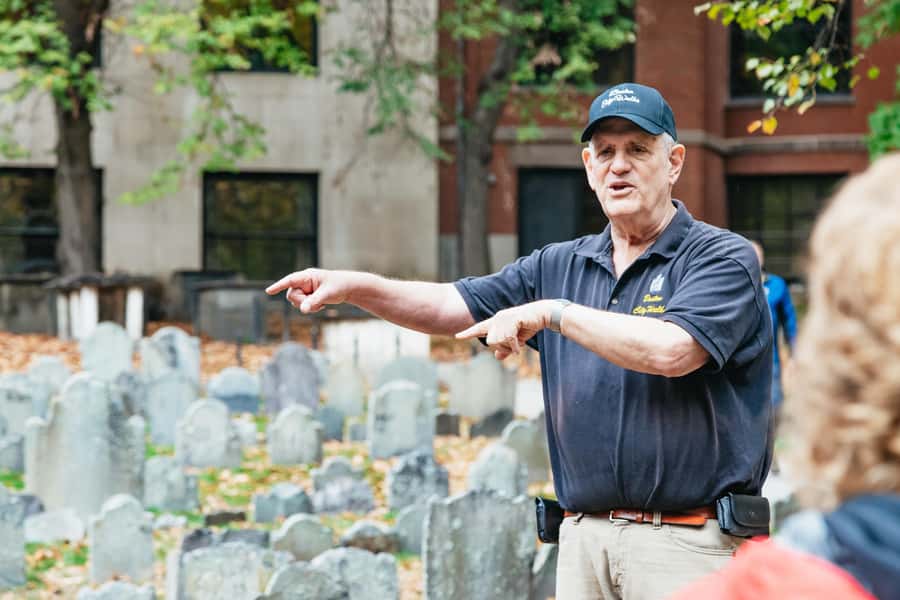
After Beacon Hill, you move into the Back Bay area, known in this tour for its 19th-century feel. This is where Boston shows off its longer sightlines and the sense of planned streets that make the neighborhood feel cohesive.
Back Bay is also a great contrast to Beacon Hill. Beacon Hill can feel intimate and old-world; Back Bay often feels more open and architectural in a grander way. You’ll be seeing major address-level landmarks while still learning how the neighborhoods connect.
You also pass by stops that are instantly recognizable, like the John Hancock Tower and the broader Copley-area corridor. Even if you’re not going inside (and the tour is focused on walking views), the guide helps you read what you’re seeing so it sticks.
Public Garden and Copley Square: where the walk breathes
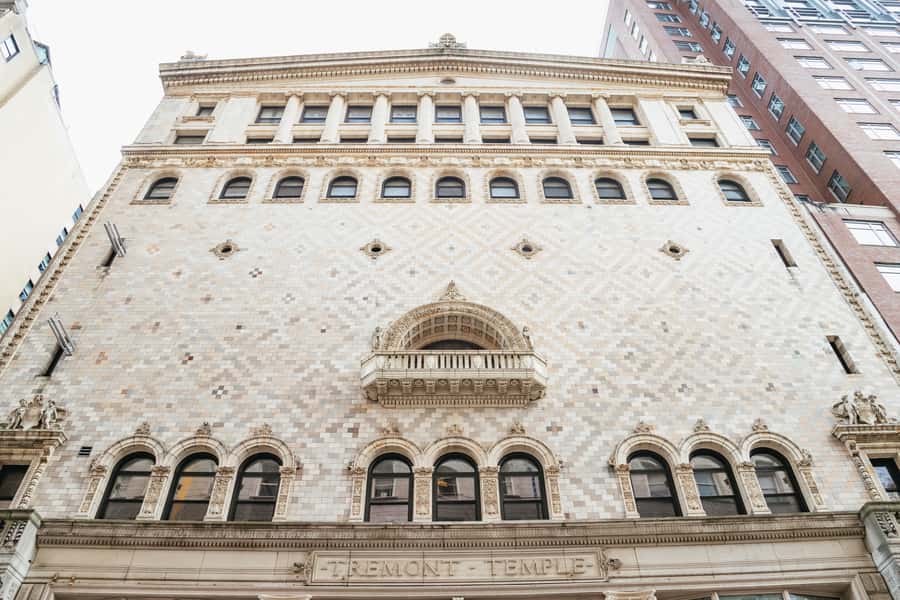
The tour doesn’t only chase buildings. You’ll also check out the Public Garden and the area around Copley Square. This matters because it gives your brain a break from nonstop architecture scanning.
In a two-hour tour, that breathing room is more than comfort—it improves the whole experience. You’re able to reset before the next cluster of highlights, and you’ll finish with landmarks you can still return to for a longer look.
If you like photos, this is a strong stretch. It’s the part where you can look outward at open-space energy and then turn back toward the historic streets that brought you there.
You can also read our reviews of more historical tours in Boston






The specific stops that add flavor (and what to watch for)
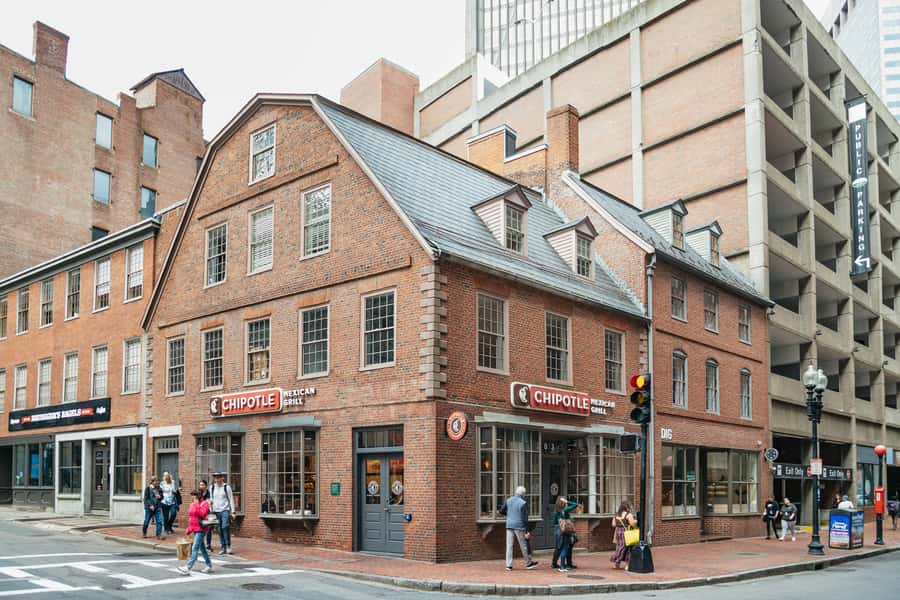
This tour includes named stops and areas that each add a different layer to the walk. Since this is a walking tour, you’ll mainly be seeing exteriors, streetfronts, and the setting—then using the guide’s story to connect the dots.
Here’s what stands out in the tour’s stop list, and how to get the most out of each:
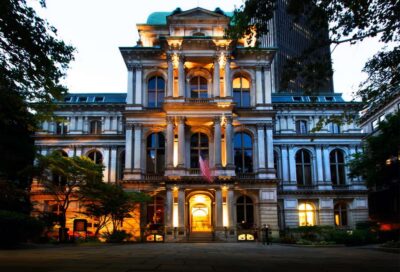
- Old and New State Houses: You’ll see both, which helps you understand how Boston’s civic identity changes over time without needing a museum visit.
- Old South Meeting House: The name alone signals an old community role, and the guide’s explanation gives you the local angle on why people cared about places like this.
- Old Corner Bookstore: For many visitors, it’s a fun “literary Boston” moment. The point isn’t just the facade—it’s how the guide connects it to the street you’re standing on.
- King’s Chapel: Another landmark stop that turns into a story anchor while you keep moving. Look for how it sits in the street pattern around it.
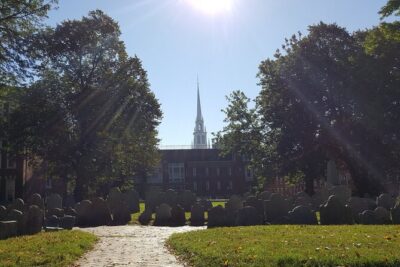
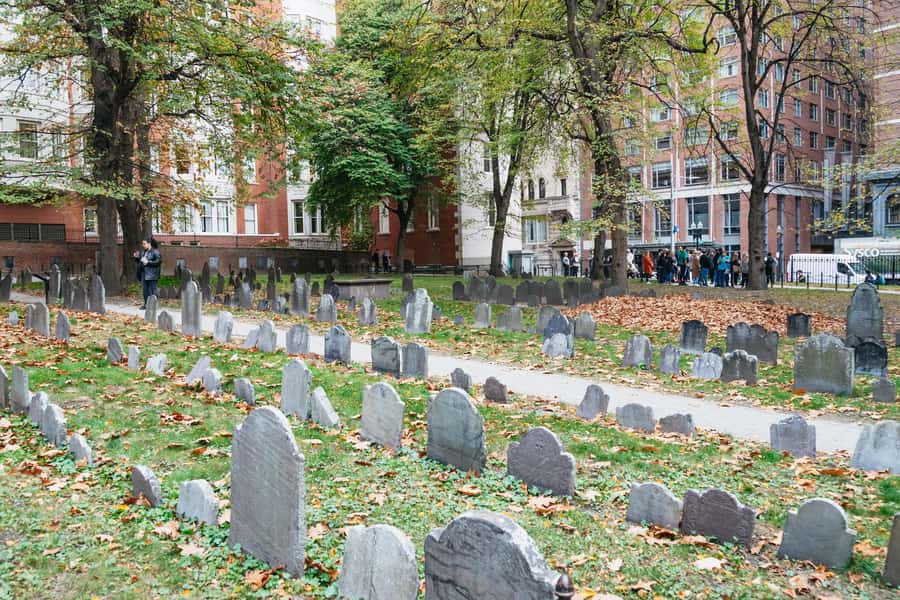
- Old Granary Burial Ground: This is where the tour’s tone can feel more reflective. It also helps you realize Boston isn’t just about big monuments; it’s about long memory.
- Louisburg Square: Beacon Hill’s charm gets very real here. Slow down mentally even if your legs can’t; notice how such a small pocket can shape the feeling of the neighborhood.
- Newbury Street: You get a classic shopping-street look without detouring off-course too long. It’s a useful checkpoint for orienting yourself later.
- John Hancock Tower: This is the “modern Boston” marker inside the walking flow—use it to orient where you are when you branch out after the tour.
- Trinity Church: A strong architectural stop that helps the walk feel balanced—historic structures plus big-city scale.
- Boston Marathon Finish Line: This one gives the tour a current-day pulse. It helps you connect the city’s history to the Boston people still show up for.
A neat detail from past experiences with this tour: guides can add side stories and even folklore tangents. One example mentioned is Salem witches and homes, plus a short film or folklore flavor. That doesn’t change the route, but it does make the walk feel like a conversation, not a lecture.
Why the guide style matters more than you think
The tour is priced for a guided walking experience, and the guide is the product. The strongest feedback points to guides who stay engaged—using humor, staying patient with mixed-experience groups, and keeping the pace human.
One recurring theme is interaction. The guide asks questions and responds to the group’s level, so the tour feels like it’s adjusting to you rather than reading a script at you. Another theme is story flow: Alan has been praised for never checking a watch and spending extra time when the group needed it.
Even if your historical interest is low-key, this guide style helps you get something useful fast. In two hours, you want clarity: what to notice, where to go next, and how the neighborhoods connect. A good guide does that without making it feel like homework.
Price and value: is $45 fair for a 2-hour walk?
At $45 per person for a 2-hour walking tour with a live guide, the math works out if you value orientation and storytelling over a list of sites. You’re not paying for transport. You’re paying for time with a person who can stitch together Freedom Trail sights, Beacon Hill atmosphere, and Back Bay architecture while you walk.
The value improves because it’s a small-group setup that lets you hear what the guide is saying. For many city walking tours, the biggest frustration is noise and crowding. Here, the format is designed to avoid that—so you actually get the benefit of a guided explanation.
If you already know Boston well and you just want photos, you might feel the price is less necessary. But if you’re new, or if you only have a small window in your schedule, this is a smart way to turn sightseeing into understanding.
Pacing and comfort: plan for a steady two hours

This is an active walk. You’ll cover enough ground that comfort gear is not optional.
- Wear comfortable shoes that handle city sidewalks and potential uneven areas.
- Dress for the season, because you’re outside the whole time.
- In warmer weather, bring bottled water, though water is generally also available along the route.
Also, plan your day around it. A two-hour tour pairs well with a longer self-guided stroll after, especially in the areas you like most (Beacon Hill, Back Bay, or the Copley area).
If you’re traveling with someone who wants to sit a lot, this might be harder. The tour is built for walking and viewing, not for long pauses.
Who should book this Boston walking tour
This tour fits best if you want:
- A fast orientation to Boston’s central neighborhoods
- A mix of major named landmarks and the day-to-day “feel” of streets
- A guide who keeps stories lively and adjusts to the group
- A route that starts where history is thick and ends near areas you’ll want to revisit
It’s also a great first-morning option. The tour is usually available in the morning, so you can do it early and then spend the rest of the day choosing what to re-see.
If you already have strong familiarity with Boston and you crave long museum time, you might prefer a more slow-paced plan. But for most people, this hits a practical sweet spot.
Should you book it?
Yes, I’d book it if you want a two-hour shot of Boston that combines the Freedom Trail, Beacon Hill, and Back Bay in a way that actually helps you understand what you’re looking at. The guide-driven storytelling, plus the small-group setup, makes the time feel worth it.
If you hate walking, or if you need long stops inside buildings (not part of what’s described here), then this isn’t the right fit. But if your goal is to get your bearings fast, see key landmarks, and leave with a short list of places to revisit, this tour is a solid choice.
FAQ
How long is the Boston Historic Walking Tour?
It lasts 2 hours.
How much does the tour cost?
The price is $45 per person.
Where is the meeting point?
You meet at the corner of State and Congress Streets, across from the old State House, outside 28 State Street.
Which areas does the tour cover?
The tour focuses on the Freedom Trail, Beacon Hill, and the Back Bay area, plus the Public Garden and Copley Square.
Does the tour include stops like Faneuil Hall and the State Houses?
Yes. Faneuil Hall and both the Old and New State Houses are included as important sites.
Is the tour guided by a live person?
Yes, it includes a live tour guide.
What language is the tour offered in?
It’s offered in English.
Is gratuity included in the price?
No. Gratuity is optional and not included.
Do I need to bring water?
You should wear comfortable shoes and dress for the season. In warmer weather, bringing bottled water is a good idea, and water is generally also available on the tour route.
Can I cancel for a full refund?
Yes. Free cancellation is available up to 24 hours in advance for a full refund.