REVIEW · GHOST & HAUNTED TOURS
Boston: In Cold Blood True Crime Guided Walking Tour
Book on GetYourGuide →Operated by Junket · Bookable on GetYourGuide
Boston has a darker side. This 2-hour true crime walking tour strings together Boston’s most grim cases from the 1600s to today, with a local guide on the move.
I like that it covers 13 crime stories across centuries, not just one era. I also like how the stops connect big names and big schemes—like Jane Toppan and the origin story behind the Ponzi Scheme—so you see how crime and opportunism shaped the city.
One thing to consider: this is a walking tour, and it’s not recommended if you can’t walk more than a mile, even though it’s listed as wheelchair accessible.
In This Review
- Key highlights worth planning around
- Starting at Boston Public Garden: Jane Toppan meets the city
- The 2-hour structure: how 13 cases stay listenable
- Benjamin Woodbridge and the duel scene you won’t forget
- Karina Holmer: unsolved murder and testimony that doesn’t add up
- Ponzi, Rockefeller, and the scheme side of Boston
- Old Granary Burial Ground: body snatching and the dark jobs people did
- Who’s guiding you, and what that means for your experience
- Walking logistics: what to wear and how far you’re really moving
- Small-group energy and question time
- Price and value: is $35 worth it?
- What’s included, and what you should plan for
- Should you book the Boston In Cold Blood true crime walk?
- FAQ
- Where do I meet the guide for the Boston true crime walking tour?
- How long is the tour?
- How much does it cost?
- Does the tour run in rain or shine?
- What should I bring?
- Is video recording allowed during the tour?
Key highlights worth planning around

- Start in Boston Public Garden at the George Washington statue and get Jane Toppan right away
- 13 cases in 2 hours, from duels and executions to fraud and later-day mysteries
- Fraud history that feels surprisingly local, including Charles Ponzi and Clark Rockefeller
- Real “wait, what?” moments, like the chaotic testimony tied to the Karina Holmer murder
- Old Granary Burial Ground and the story of body snatching—grim, but historically grounded
- Short, question-friendly pacing, with guides praised for clear answers and a steady walk
Starting at Boston Public Garden: Jane Toppan meets the city
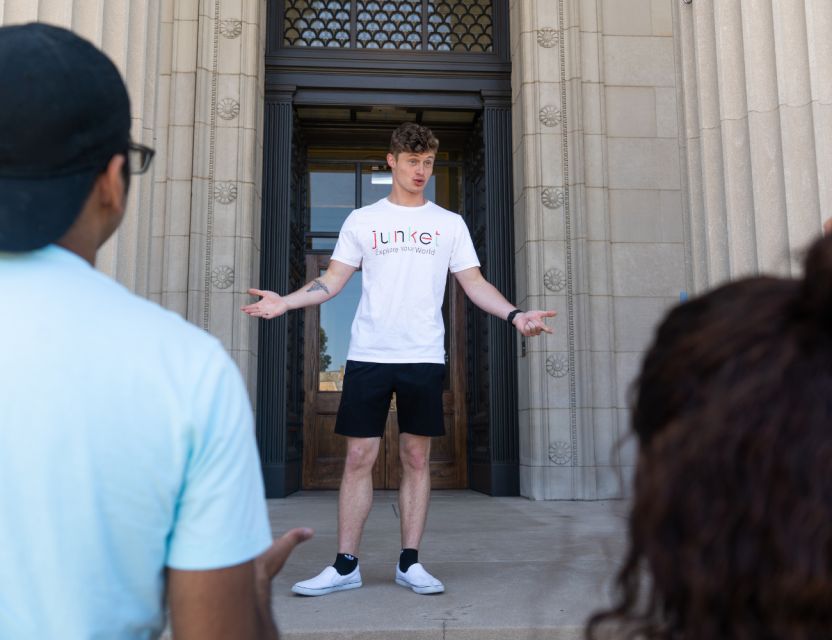
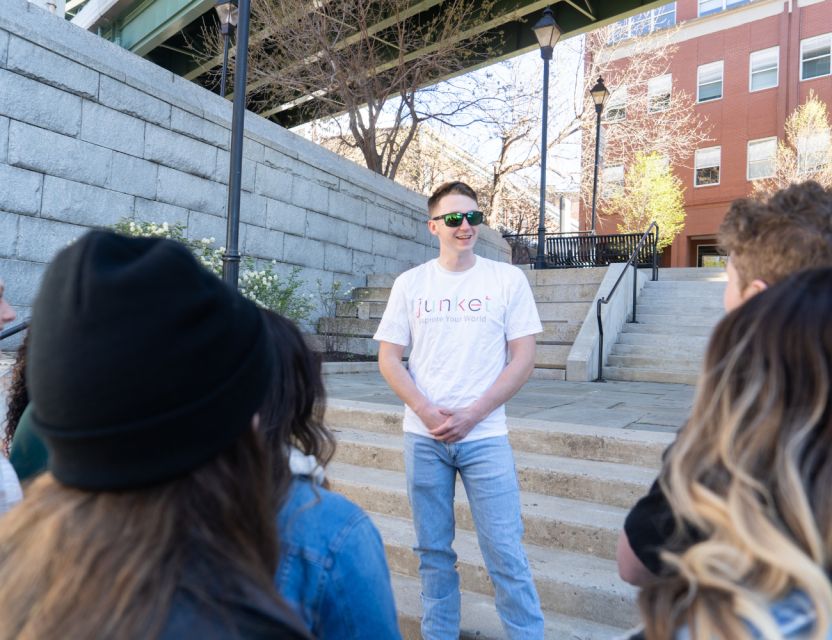
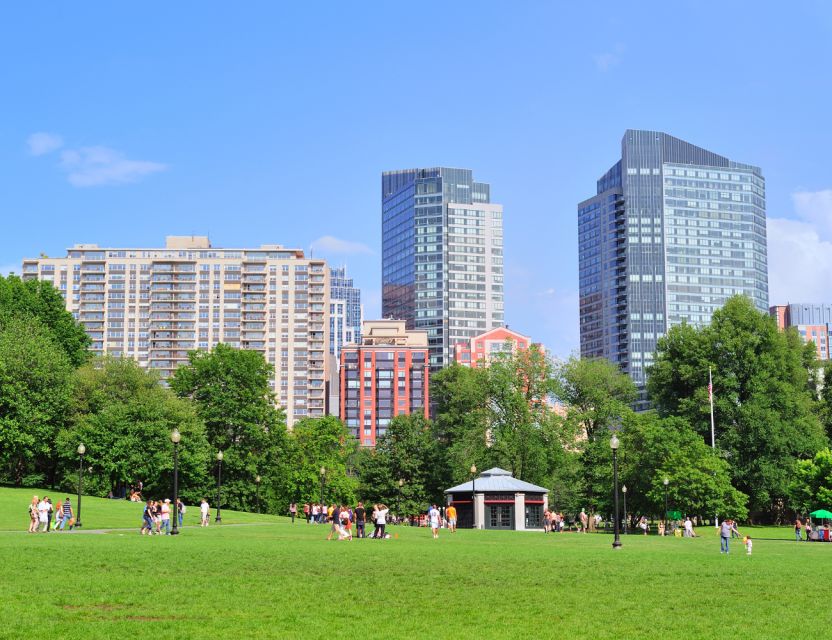
The tour begins where lots of people stroll and take photos: Boston Public Garden, at the George Washington Statue. The guide is easy to spot in a white Junket t-shirt and carrying a flag, which saves you from the usual wandering-around game.
From that first meeting point, you’ll shift into a very different Boston mood. The focus kicks off with Jane Toppan, one of the early serial killers in America, and you’ll hear how her story fits into the era’s darker side. It sets a tone that stays consistent: this is history you can’t unread.
You can also read our reviews of more walking tours in Boston

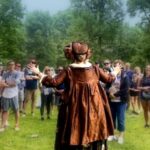
The 2-hour structure: how 13 cases stay listenable

The tour runs about 2 hours and moves through roughly a dozen additional stops after the Public Garden start. That pace matters, because true crime can turn into a blur if the guide doesn’t control the flow.
Here, the structure is built around a sequence of specific sites tied to specific stories. The result is that you’re not just hearing names—you’re standing where something happened, or where an investigation later took shape. Guides also get called out for keeping a good pace and staying easy to listen to, which helps if you’re one of those people who likes to ask questions.
You should also expect a mix of crime types over time—executions, duels, strikes, and schemes—instead of a single genre theme. The point isn’t shock value. It’s showing how Boston kept producing new ways for people to hurt each other and for others to profit from chaos.
Benjamin Woodbridge and the duel scene you won’t forget

One of the first detailed stories you’ll stop for is the case of Benjamin Woodbridge, tied to an 18th-century duel. You’ll stand where Woodbridge fell, bleeding after the fight, and the guide explains what made the incident stick in local memory.
This stop works well because duels can sound like distant, theatrical history. But the way the story is told brings it back to real stakes: reputations, injuries, and consequences all crashing together fast. If you like your history with a timeline you can feel, this is a strong anchor.
A duel also shows an early Boston pattern that repeats later in the tour: conflict escalates, witnesses speak, and truth doesn’t always land cleanly. That theme—how messy reality gets—is quietly one of the tour’s best threads.
Karina Holmer: unsolved murder and testimony that doesn’t add up
Next, you’ll hear about the Karina Holmer murder, one of the stories described through “mind-boggling” investigation details. The key moment here is the way testimony became chaotic and contradictory, leaving investigators stumped.
This is where you start to see why the tour is more than a list of crimes. The guide uses this case to show how evidence, statements, and timelines can fail people—especially when the story never resolves in a neat package.
It’s also a good reality check if you like true crime but hate when tours turn every case into certainty. Here, the uncertainty is treated as part of the history, not as a weakness in the storytelling.
Ponzi, Rockefeller, and the scheme side of Boston
If you’re interested in fraud, scams, and the human talent for convincing others, you’ll have a lot to look forward to. The tour includes the origin story behind the Ponzi Scheme, plus Clark Rockefeller and Charles Ponzi as famous examples of scheming.
What makes this section valuable is that you’re seeing fraud not as a single “bad guy” tale, but as something that grows in an environment. In other words, the tour doesn’t treat these stories like isolated weirdness. It frames them as part of Boston’s larger history of ambition, trust, and chaos.
And because the tour is walking, you get a sense of how the city’s geography supports the narrative. You’re moving between locations while hearing how people behaved, where attention might have been focused, and why scams could spread.
You can also read our reviews of more guided tours in Boston






Old Granary Burial Ground: body snatching and the dark jobs people did
One of the standout locations on the route is the Old Granary Burial Ground, where you’ll learn about body snatching. It’s one of those topics that sounds like shock entertainment until the guide connects it to medical history and the reality of what people were willing to do.
This stop is effective because it’s physical. Standing around historic burial sites forces you to confront time in a different way. It also highlights a major tour idea: crime doesn’t always look like a single dramatic event. Sometimes it looks like a job someone took on, a secret practice, or a “necessary” lie that spread under social pressure.
Body snatching is also a reminder that “true crime” isn’t only about murder. It can be about theft, opportunism, and the ways communities handled fear. The guide keeps the story grounded in what the sites represent, not just what sounds unsettling.
Who’s guiding you, and what that means for your experience
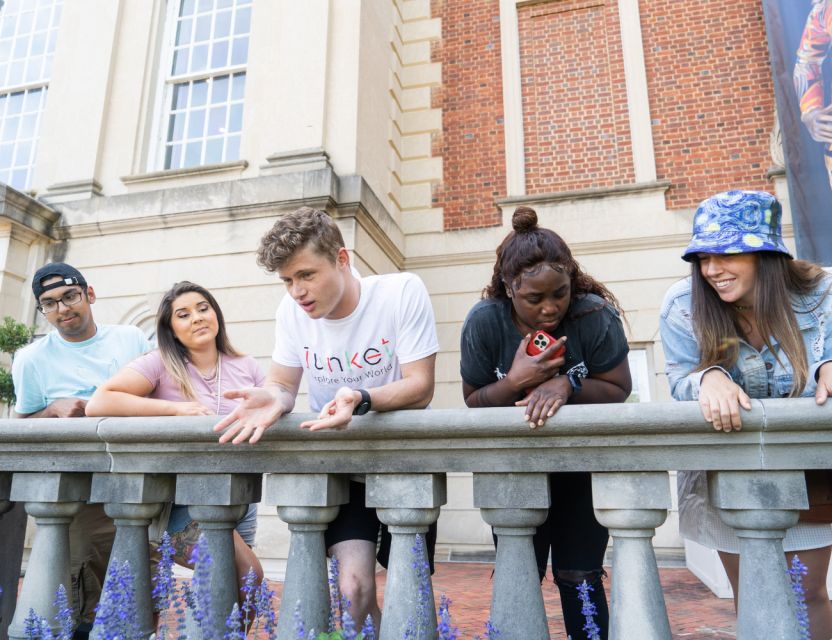
The tour is led by a guide with a track record of doing the work. In multiple write-ups of the experience, guides such as Andrew and Freddie are praised for being easy to listen to, answering questions, and knowing details well enough to handle follow-ups without going off track.
That matters more than you might think. True crime tours can wander into vague storytelling, or they can get so intense that you’re left with no room to ask, clarify, or connect details. Here, the feedback emphasizes clarity and pacing, which makes the 2-hour format feel purposeful rather than rushed.
Also, the tone tends to stay focused on history and evidence—how the cases played out and what people knew at the time. If you like your spooky with structure, that’s a good match.
Walking logistics: what to wear and how far you’re really moving

This is a walking tour, rain or shine. Bring comfortable shoes, and dress for weather, because Boston can change its mind fast—wind, mist, and that in-between cold can make standing still miserable.
The tour isn’t recommended if you can’t walk more than a mile. That’s a key detail. Even with the “wheelchair accessible” listing, the overall experience is built around street walking and time on your feet, so mobility limitations can make it stressful rather than fun.
The good news: the tour is only 2 hours, and the pacing is set up to keep you moving without turning it into an endurance test. If you’re comfortable with a solid city walk, you’re likely fine.
Small-group energy and question time
One of the nicest surprises from the experience notes is how small the group can be. At least one tour run was just two people, which naturally makes it easier to hear every word and ask questions.
Even when the group is larger, the structure still supports interaction. If you like discussing motives, dates, or the difference between facts and theories, you’ll probably appreciate a guide who can answer without shrugging.
And yes, the content is dark. But with a guided format and a steady pace, it feels like you’re learning Boston’s underbelly rather than just consuming tragedy for entertainment.
Price and value: is $35 worth it?
At $35 per person for about 2 hours, this tour lands in the middle range for walking experiences that include a guide and multiple stops. Where the value shows up is in the number of distinct stories you hear—13 crime cases across centuries—and the fact that the guide ties them to real locations you can see as you walk.
You’re also getting a few practical perks that affect the real-world experience. The tour includes an express security check setup (so you skip the line through express security), and it’s in English, with a guide on hand the whole time. Add in “rain or shine” reliability, and it’s the kind of booking you can often plan around without too much schedule panic.
If you’re a history lover who also likes true crime, you’ll feel the value quickly. If you want cheerful city sightseeing, this one won’t bend toward that mood. It’s intentionally grim, with context.
What’s included, and what you should plan for
Included:
- A 2-hour guided walking tour
- A knowledgeable local guide
- Well-researched, credible history
Not included:
- Transportation
- Tipping (optional)
Also pay attention to the rules. Smoking isn’t allowed, alcohol and drugs aren’t allowed, and you’re not allowed to do video recording. That’s the trade for a focused, guided experience—you’ll want to rely on your notes and memory, not your camera.
For many people, that works out fine. The stories are dense enough that replaying video later would be less useful than just staying present and listening.
Should you book the Boston In Cold Blood true crime walk?
Book it if you want a guided walk that treats crime history as part of Boston’s real story—duels, unsolved questions, and fraud schemes included. I’d especially recommend it if you like standing at real sites while a guide connects the dots across time, from Jane Toppan to the Ponzi story to body snatching at the Old Granary Burial Ground.
Skip it (or at least think twice) if you’re very sensitive to disturbing themes, because the tour leans into executions and murder. Also think carefully about mobility. If you can’t handle more than about a mile of walking, this isn’t the best fit.
If you’re on the fence, here’s a simple test: you’ll probably enjoy the tour if you like your city exploration with facts, pacing, and guided context, not just spooky vibes.
FAQ
Where do I meet the guide for the Boston true crime walking tour?
Meet at the George Washington Statue in Boston Public Garden. The guide will be wearing a white Junket t-shirt and carrying a flag.
How long is the tour?
The tour lasts about 2 hours.
How much does it cost?
It costs $35 per person.
Does the tour run in rain or shine?
Yes. The tour takes place rain or shine.
What should I bring?
Bring comfortable shoes and weather-appropriate clothing.
Is video recording allowed during the tour?
No. Video recording isn’t allowed.